Labour meets in Liverpool for its first conference under Prime Minister Andy Burnham, whose early popularity and quick policy wins have lifted the party in the polls. Delegates are pressing him to convert goodwill into detailed plans on homelessness, welfare reform, social care, reindustrialisation and defence spending. Fiscal constraints from manifesto pledges make Finance Minister John Healey's October 28 budget particularly challenging. Burnham is expected to outline the start of a "10‑year plan for Britain" in his keynote speech.
Labour Convenes in Liverpool: Burnham Urged to Turn Popularity Into a Concrete 10‑Year Plan
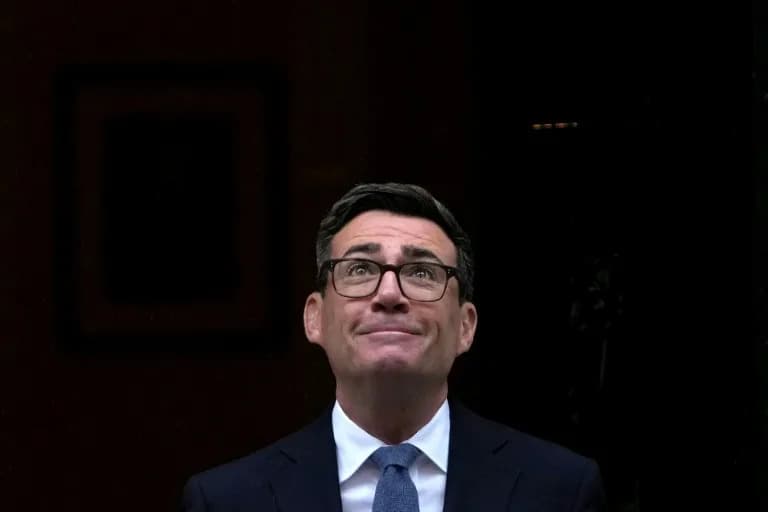
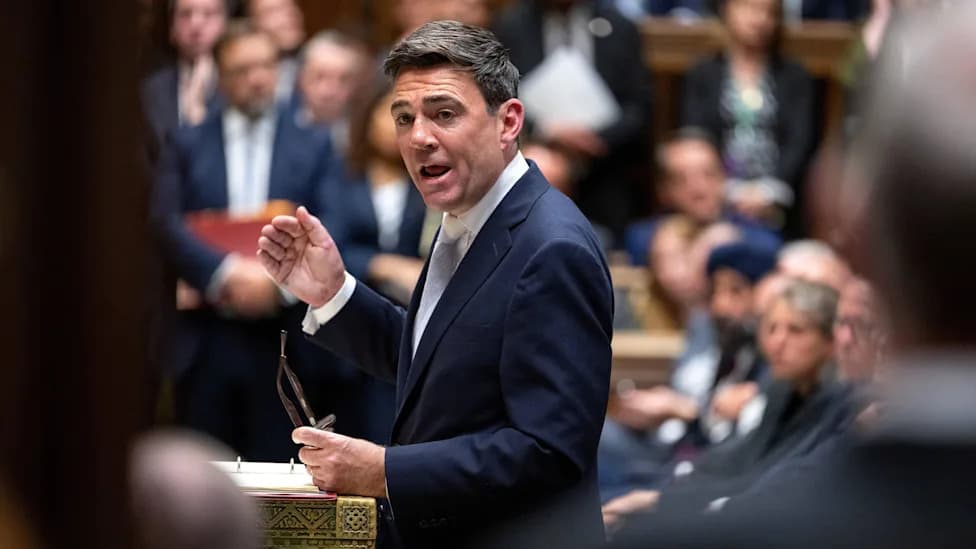
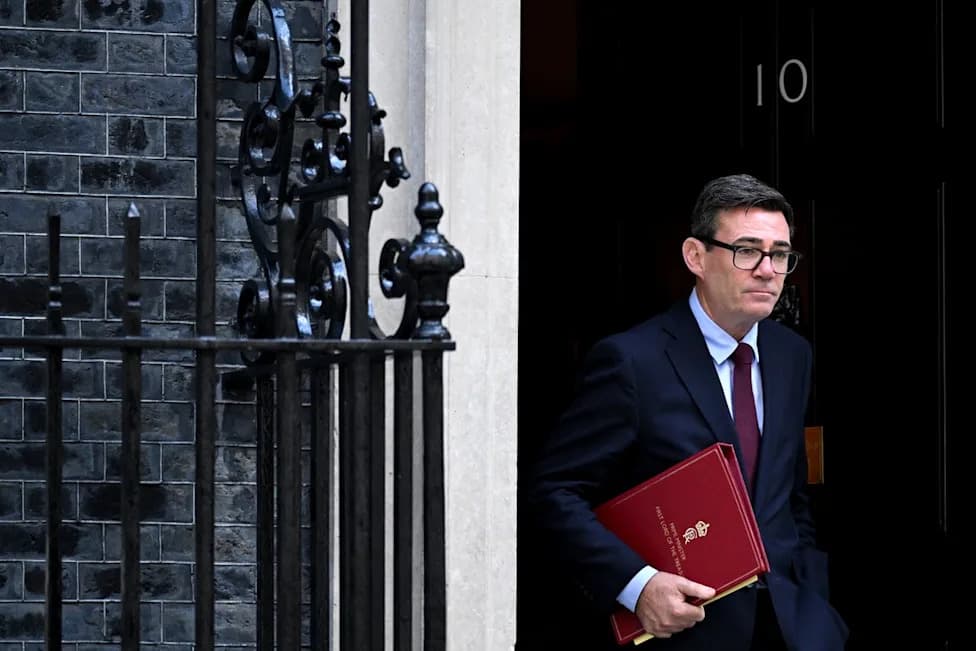
Andy Burnham has enjoyed his start to life in Downing Street (CARLOS JASSO)
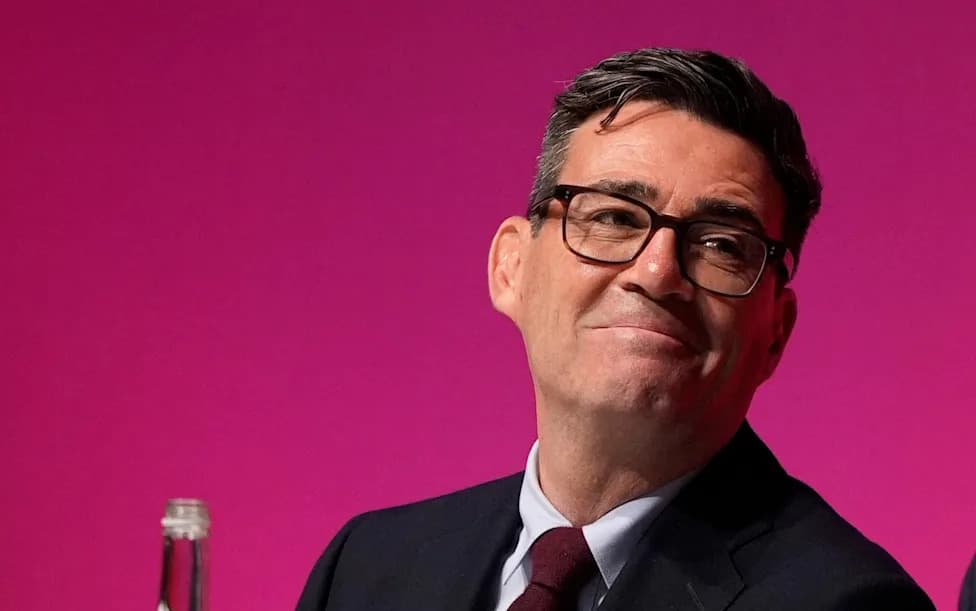
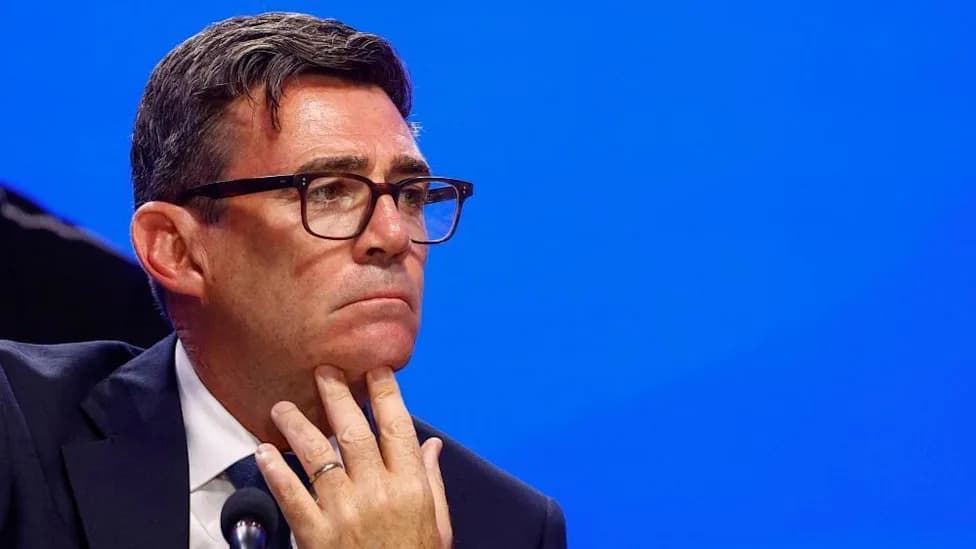
Britain's ruling Labour Party gathers in Liverpool for its first annual conference under Prime Minister Andy Burnham, buoyed by his early personal popularity but pressing him for detailed policies to meet mounting economic and social challenges.
Early Momentum, Big Questions
The former mayor of Manchester has injected new life into the centre-left party since MPs elevated him to Downing Street on July 20, ending Keir Starmer's two‑year premiership. A string of early measures — cutting electricity bills, capping bus fares and reducing business rates for pubs, clubs and live music venues — together with an active social media presence, have helped raise Burnham's public standing: surveys now show nearly half of Britons view him favourably.
Policy Demands at the Conference
Delegates and MPs attending the four‑day conference are looking for more than goodwill. Senior figures including former minister Tony McNulty and Labour MPs such as Alex Sobel want Burnham to begin turning broad promises into concrete policy, especially in areas where detail has been thin so far:
- Ending rough sleeping and improving homelessness services
- Reforming an expanding welfare bill
- Funding a new social care service
- Reindustrialising parts of the economy and raising defence spending
Fiscal Constraints and Political Calculus
Burnham's room for manoeuvre is limited by Labour's manifesto pledges not to raise income tax, national insurance or VAT — constraints that make Finance Minister John Healey's first budget on October 28 a difficult balancing act. The prime minister has also ruled out calling an early election before the fixed date in August 2029, saying he wants to give voters "a bit of hope" rather than fuelling speculation.
Devolution and Regional Focus
As part of his growth agenda, Burnham has established a "No. 10 North" office in Manchester to push devolution and boost regional GDP. The move is emblematic of his emphasis on city‑level economic powers, but delegates want more detail on how devolved powers will translate into jobs and investment.
Polls, Public Mood and Stakes
A YouGov poll published this week put Labour at 24% and Reform UK at 22% — a notable reversal from last year, when Nigel Farage's party held double‑digit leads. The same survey suggested that if an election were held tomorrow Labour would likely lose its parliamentary majority but could still lead a progressive coalition. Political scientist Tim Bale warned of "underlying anxiety" about the durability of Labour's bounce given the government's tight fiscal position.
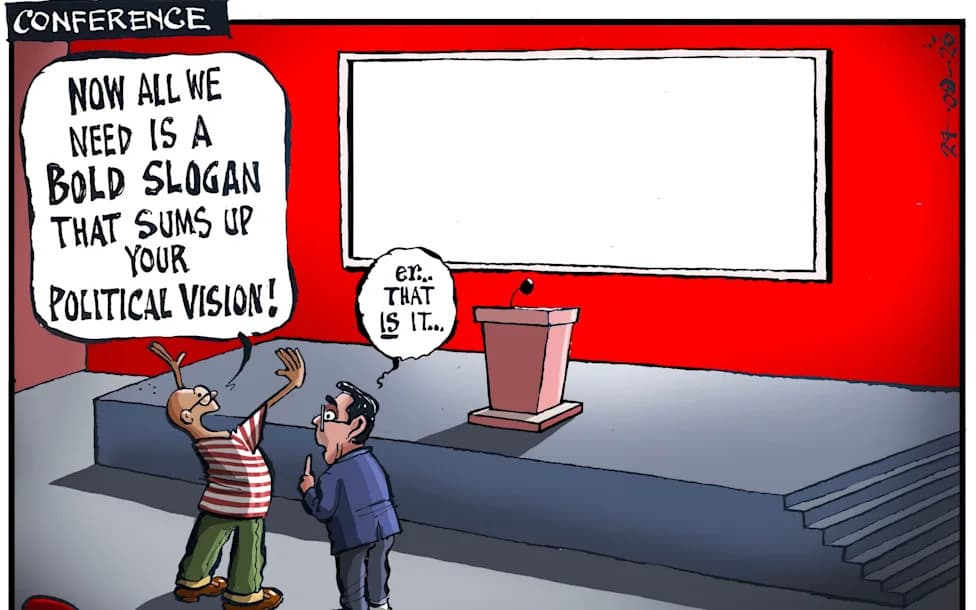
"He needs to start the process of putting meat on the bone," said Tony McNulty, urging Burnham to use his keynote to outline the promised "10‑year plan for Britain."
What To Expect From the Keynote
Delegates expect Burnham's keynote on Tuesday to map a clearer direction: a mix of symbolic measures that sustain public optimism and the start of concrete policy frameworks that address homelessness, youth unemployment (some 981,000 people aged 16–24 are currently not in employment, education or training), welfare costs and industrial strategy.
Bottom line: The conference offers Burnham a platform to convert early popularity into durable, detailed policy. The party's short‑term momentum is real, but durable electoral success will depend on credible plans that can be delivered within tight fiscal limits.
Help us improve.