Researchers measured 16 hormones in 130 grizzly hair samples from Alberta (2008–2019) and used a random forest model to infer sex, age class and maternal status from hair-based hormone profiles. The model identified sex with ~80% accuracy overall and ~94% for adults; age classification was 86% for males and 73% for females. Detecting females with cubs was 66% accurate, limited by smaller sample sizes. Combined with DNA surveys, hair hormone analysis offers a noninvasive way to assess population composition and support wildlife management.
From a Single Strand: Scientists Can Tell a Bear's Sex — And Sometimes If She's a Mom
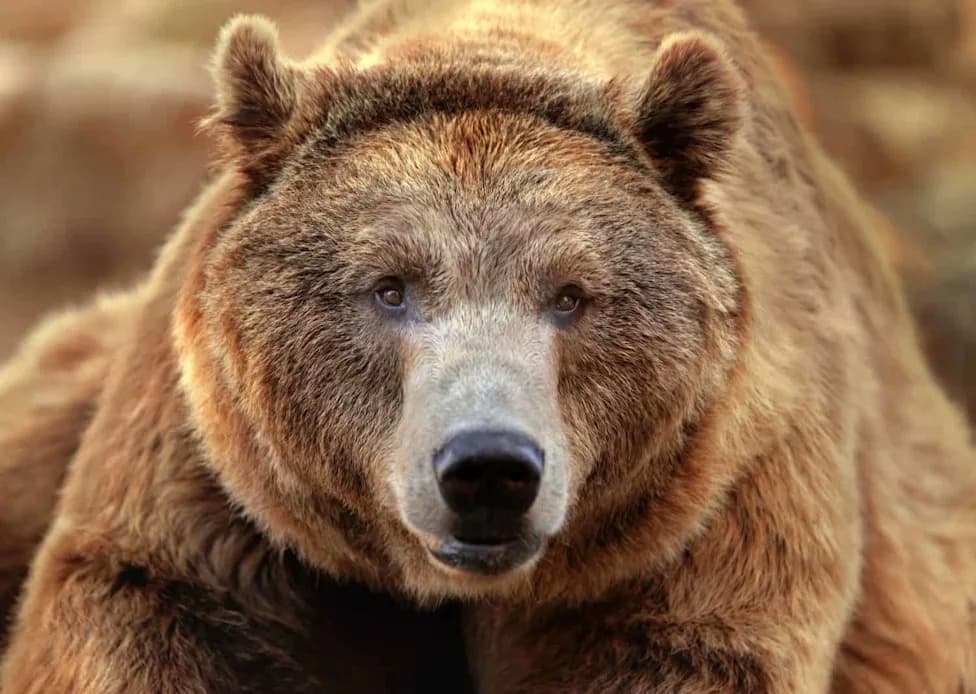
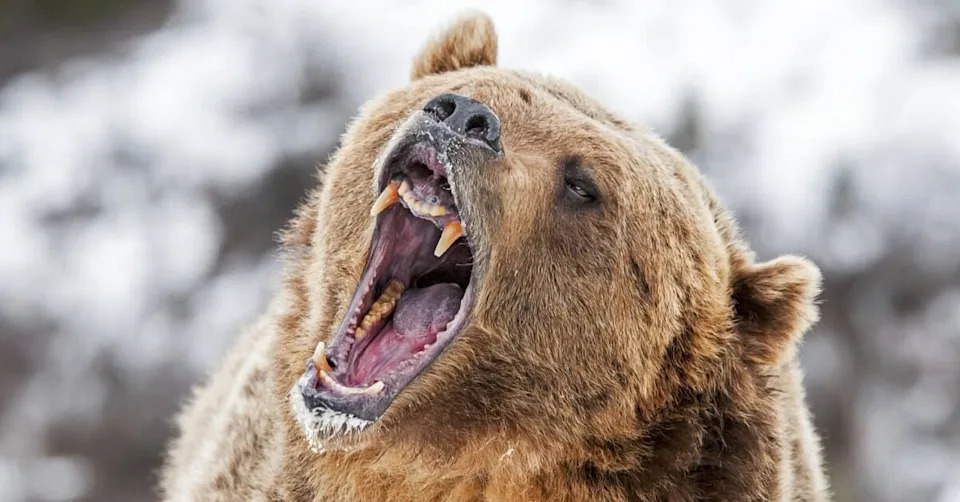
portrait of a grizzly bear© Perpis/Shutterstock.com
A grizzly pads through an Alberta forest, brushes a hair snag and leaves behind a few strands. The animal is gone, unseen and untroubled — but those hairs hold a surprising record. By reading hormones locked into the hair shaft, scientists can now infer whether that bear was male or female and, in some cases, whether a female was traveling with cubs.
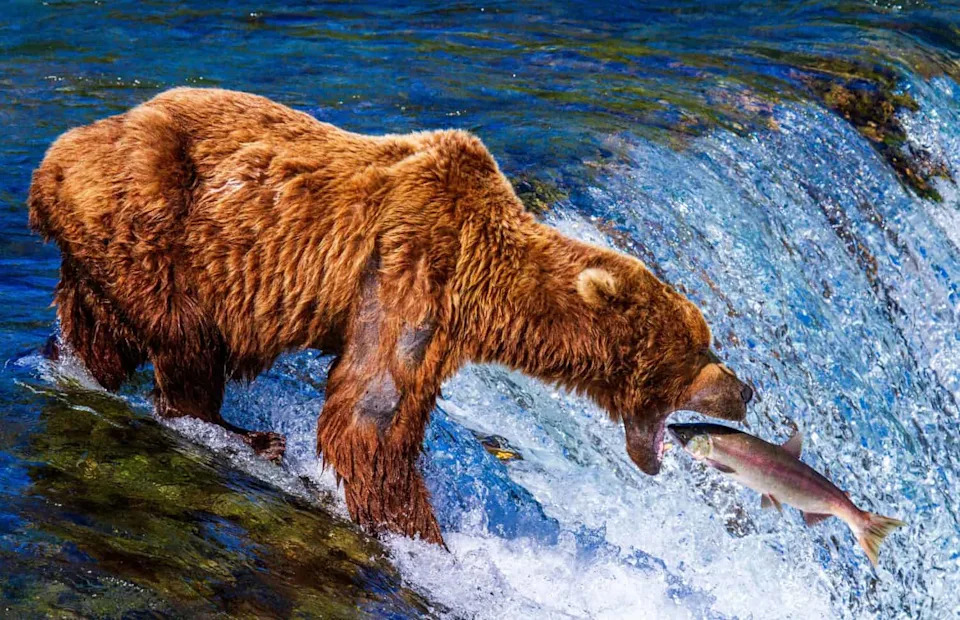
The Hidden Hierarchy That Rules Alaska's Grizzly Bear Salmon Frenzy©Patrick Sneed/Shutterstock.com
How Hair Holds a Hormone Diary
Hormones circulating in blood are incorporated into growing hair. Unlike a blood sample, which captures a single moment, a hair shaft averages hormone levels over weeks to months, acting like a biological diary. That makes hair an especially useful noninvasive sample: it’s shed or snagged naturally, so researchers don’t have to trap or handle the animal.
The Largest Grizzly Bear Ever Recorded: A Fascinating Discovery©Scott E Read/Shutterstock.com
What The Study Did
Researchers measured 16 hormones linked to reproduction, stress and nutritional status in grizzly bear hair. They used 130 hair samples from grizzlies captured in Alberta between 2008 and 2019 — individuals for whom sex, age and (for females) reproductive status were already known. The hormone data were fed into a random forest machine‑learning model trained to recognize patterns associated with sex, age class and whether an adult female had cubs that year.
Discover the Pizzly Bear – A Hybrid Between Grizzlies and Polar Bears©iStock.com/Philippe Clement
How Accurate Is It?
Model performance varied by question:
13 Dangerous Animals Found in Alaska's Lakes and Rivers©iStock.com/LuCaAr
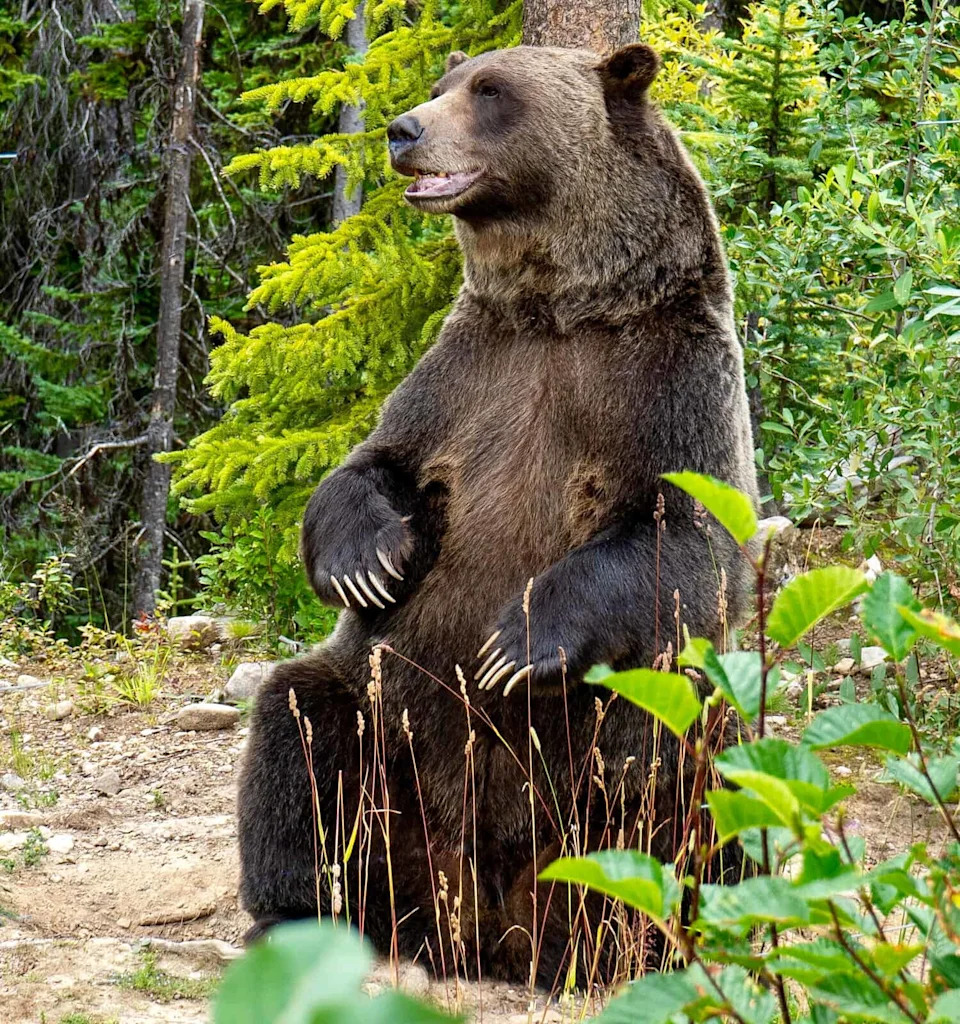
- Sex identification: ~80% correct across all bears; ~94% correct when restricted to adults.
- Age classification: Distinguished young from adult males ~86% of the time and females ~73% of the time.
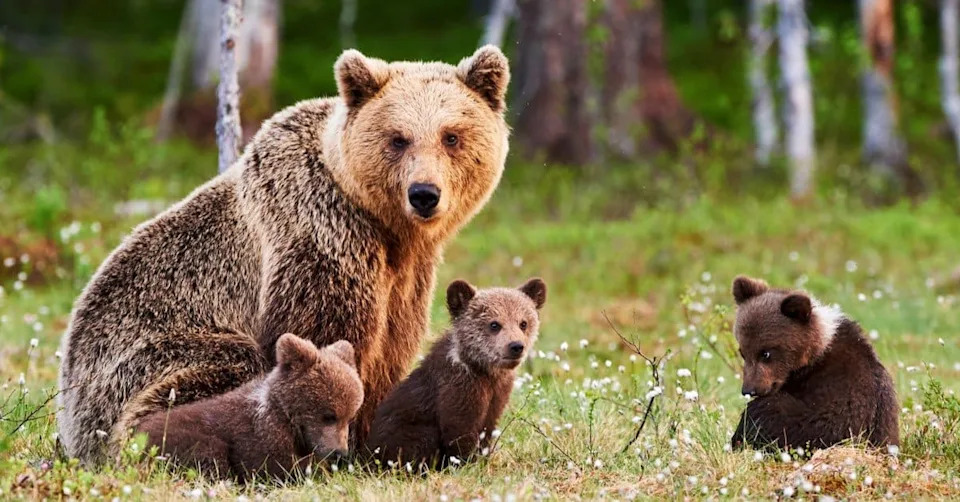
- Detecting females with cubs: Correct ~66% of the time — better than chance, but still modest.
Accuracy limits were partly due to sample sizes, especially the relatively small number of mothers available to train the model.
Male vs Female Grizzly Bears: 7 Key Differences©Andrea C. Miller/Shutterstock.com
Why This Matters
Counting animals is useful, but managers also need to know who those animals are. A population of 100 animals with many mothers and cubs implies a healthy future; the same number dominated by older males suggests decline. Paired with DNA-based identification (which tells "how many" and "which" individuals), hormone analysis of hair can reveal population composition — sex ratios, age structure and reproductive output — without trapping animals.
Broader Applications & Limitations
The approach is already being explored in polar bears, where researchers measured stress and reproductive hormones in hair from an Alaskan population affected by sea-ice loss. Limitations remain: hormone signals can vary seasonally (for example, testosterone peaks during the breeding season in May–July), and small training samples for some categories (notably mothers with cubs) reduce reliability. Further sampling and validation will improve model performance and help standardize the method for routine monitoring.
In short: a few strands of hair can tell a surprisingly detailed story — and they let the bear walk away free.
Help us improve.