Researchers at Virginia Tech combined GPS tracking of four pregnant wild black bears with analysis of more than 22,000 hours of trail-camera footage to study how environmental cues shape denning. They found temperature triggers the initial entry into torpor, while both temperature and photoperiod influence pre-hibernation feeding and spring emergence. The study clarifies that climate change alters resource timing (phenology), not day length, and that mismatches could increase human–bear encounters and inform conservation planning.
It’s Not Just The Cold: How Temperature And Daylight Shape Bear Dormancy
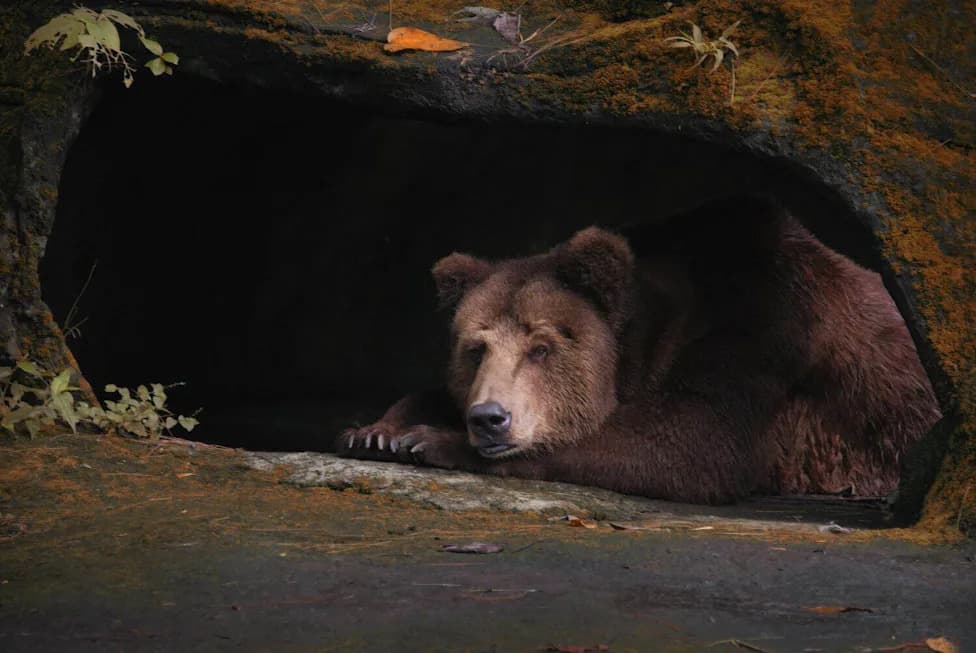
portrait of a bear resting in a cave© Hengky Pagipho/Shutterstock.com
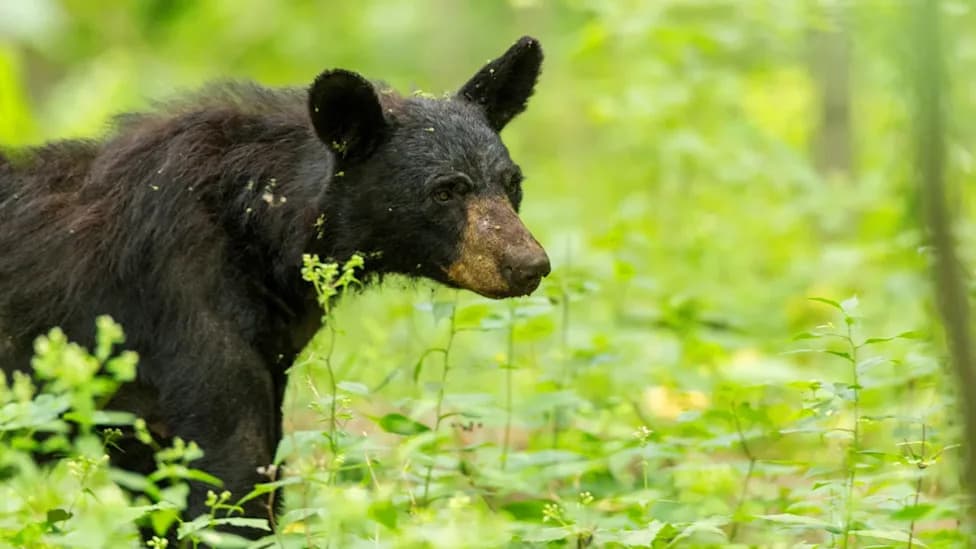
Black bears are renowned for spending weeks or months resting through the cold season, but new research shows their seasonal dormancy is shaped by more than just temperature. Scientists at Virginia Tech combined GPS tracking and extensive trail-camera analysis to untangle how temperature and daylight cues influence different stages of bear denning — with implications for conservation as climates shift.
How Bears Enter Torpor
When food becomes scarce and temperatures fall, many species enter states of reduced physiological activity. Black bears build fat reserves in autumn; their metabolic rate then drops by more than 50% during denning, enabling them to sustain essential functions on minimal energy. Rather than plunging body temperature as some small mammals do, bears enter a torpor-like state with only a modest temperature reduction, allowing them to rouse if disturbed. Remarkably, bears recycle metabolic waste into amino acids, which helps preserve muscle and organ function during months of inactivity.
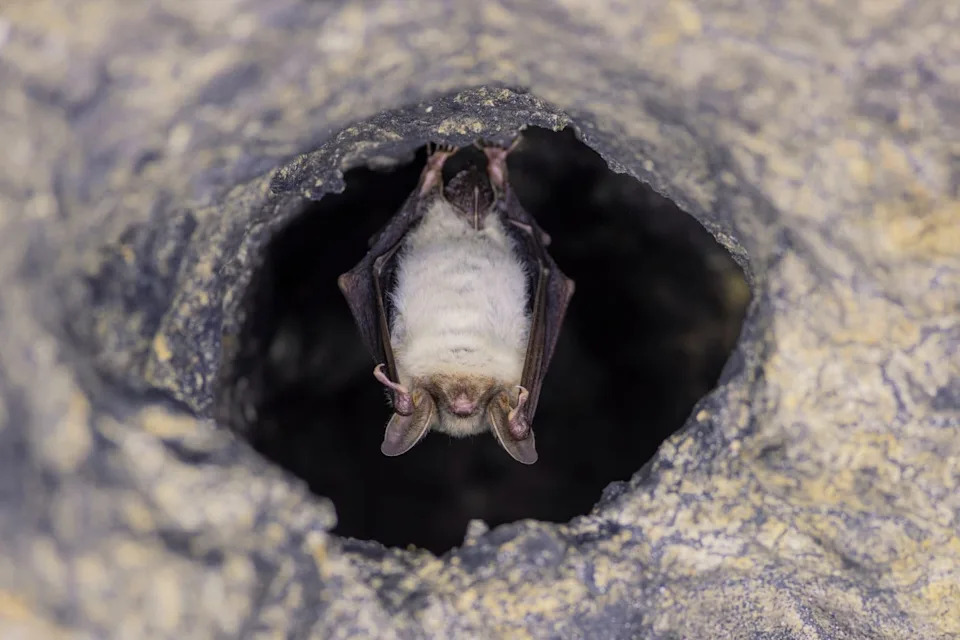
Many creatures, including ground squirrels and bats, hibernate during the winter months when food is not readily available.©Martin Janca/Shutterstock.com
The Virginia Tech Study
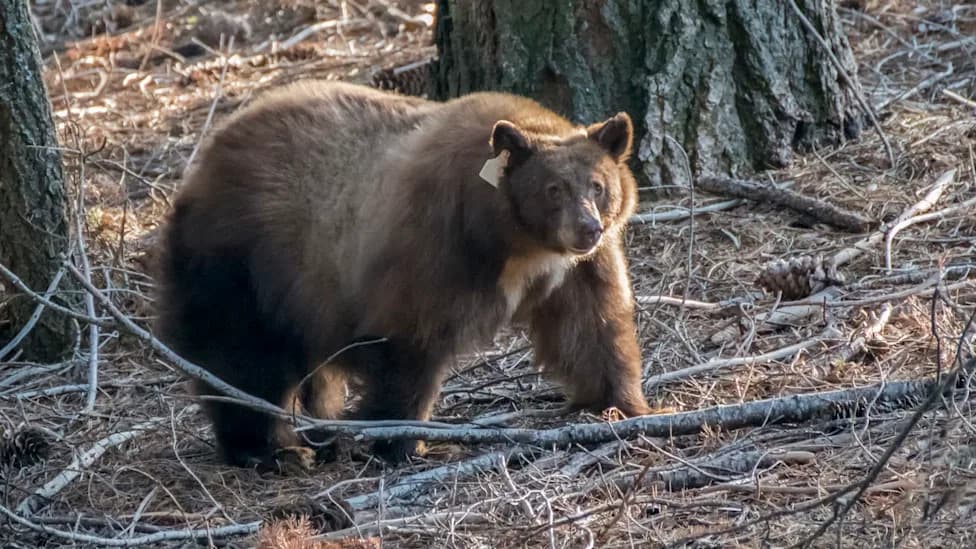
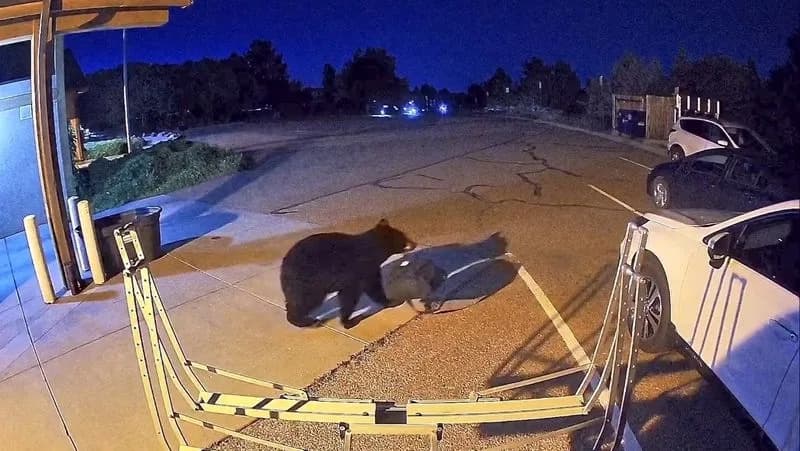
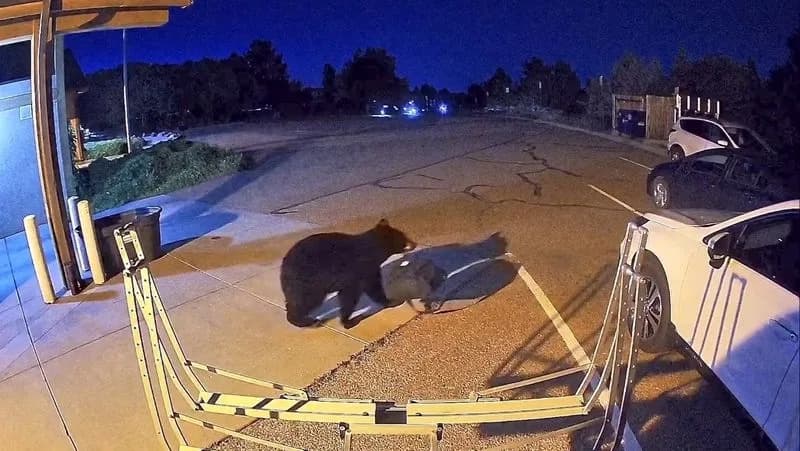
In the first study of its kind to pair long-term video monitoring with animal tracking, researchers led by doctoral candidate Brogan Holcombe followed four wild, pregnant female black bears in Virginia across multiple phases of the denning cycle. The team also analyzed more than 22,000 hours of continuous trail-camera footage and cataloged 45 distinct behaviors linked to environmental cues. The paper was published in Proceedings of the Royal Society B: Biological Sciences.
Key Findings
The researchers found that:
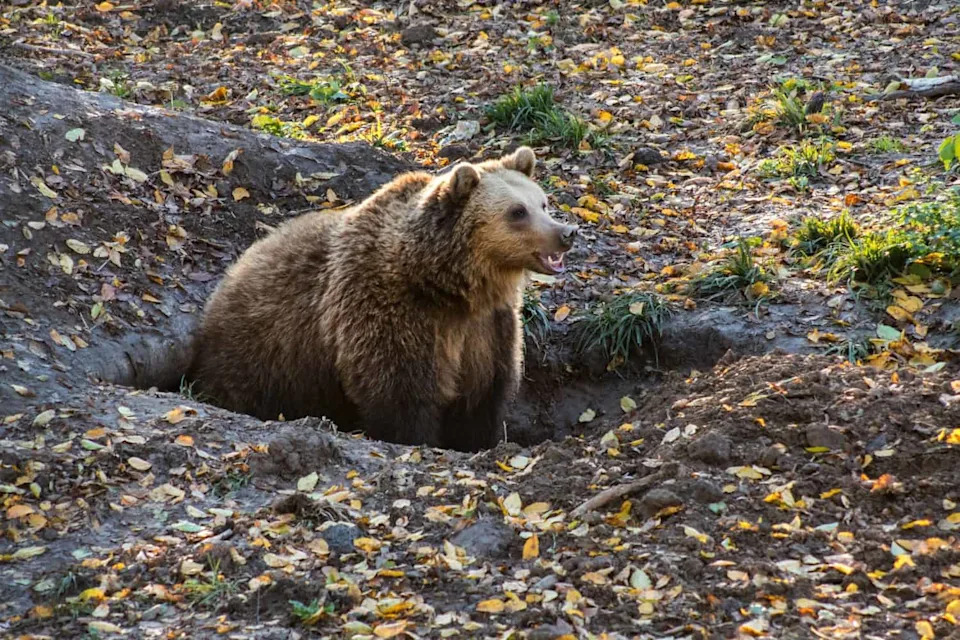
The latest research suggests that both temperature and daylight influence different stages of black bear hibernation cycles.©Pavlo Baliukh/Shutterstock.com
Temperature is a primary trigger for the initial entry into denning.
Both temperature and photoperiod (day length) influence activity during other phases, notably pre-hibernation feeding and spring emergence.
Importantly, the study clarifies a common misconception: climate change does not alter astronomical day length, but it does change seasonal weather patterns and the timing of ecological events (phenology) — for example, when plants leaf out or when food resources are available. That mismatch between an animal’s internal cues (like photoperiod) and shifting resource availability can force bears to spend more time foraging before denning or to emerge earlier or later than optimal.
Conservation Implications
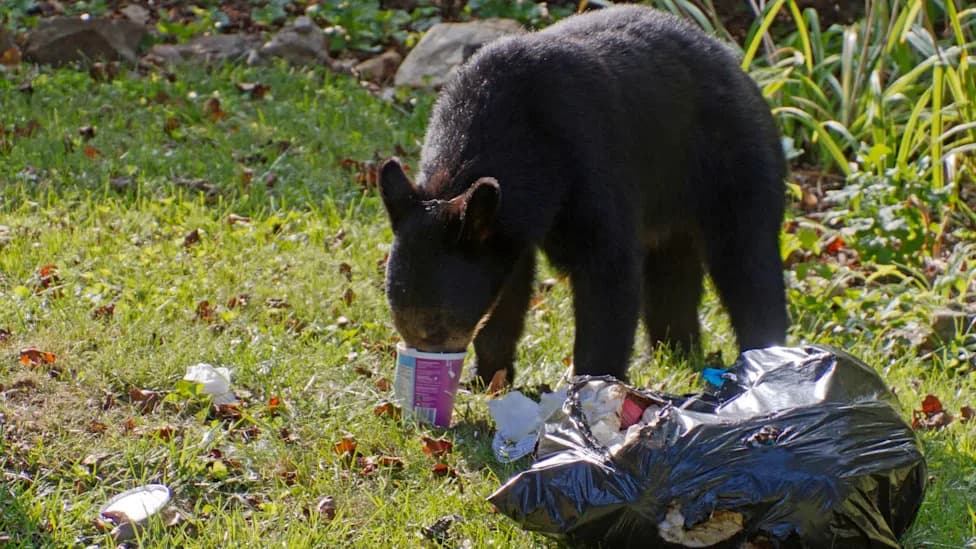
As seasonal patterns shift, bears may increasingly seek human-associated food sources during the pre-denning period, which can raise the risk of human–bear conflicts. Although black bears are not currently endangered — their numbers recovered after historical declines — understanding how temperature and photoperiod jointly shape denning behavior will help wildlife managers design better strategies to reduce conflicts and protect bear populations as climates change.
Bottom line: Den entry is strongly temperature-driven, but daylight cues matter for the timing of feeding and emergence. Recognizing both drivers gives a clearer, more actionable picture for conservation planning.
Help us improve.