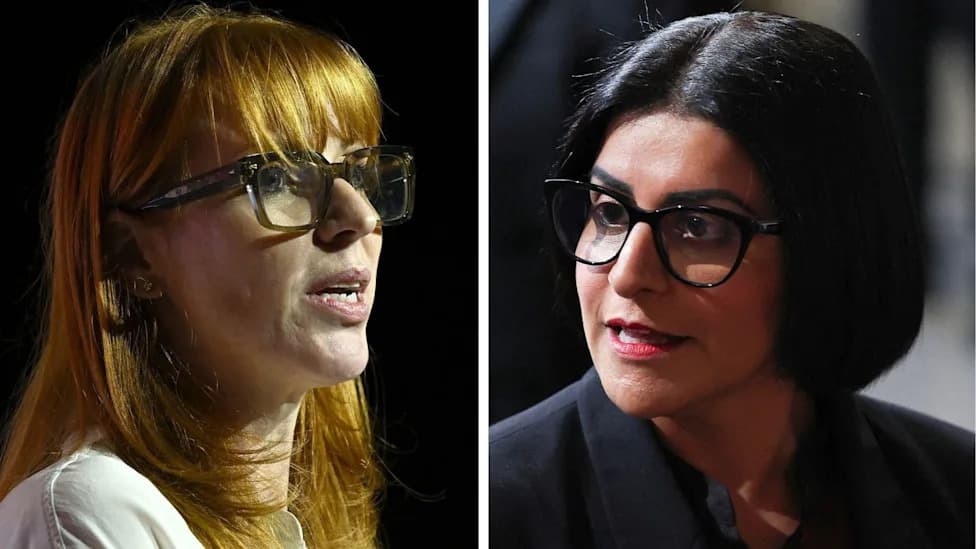
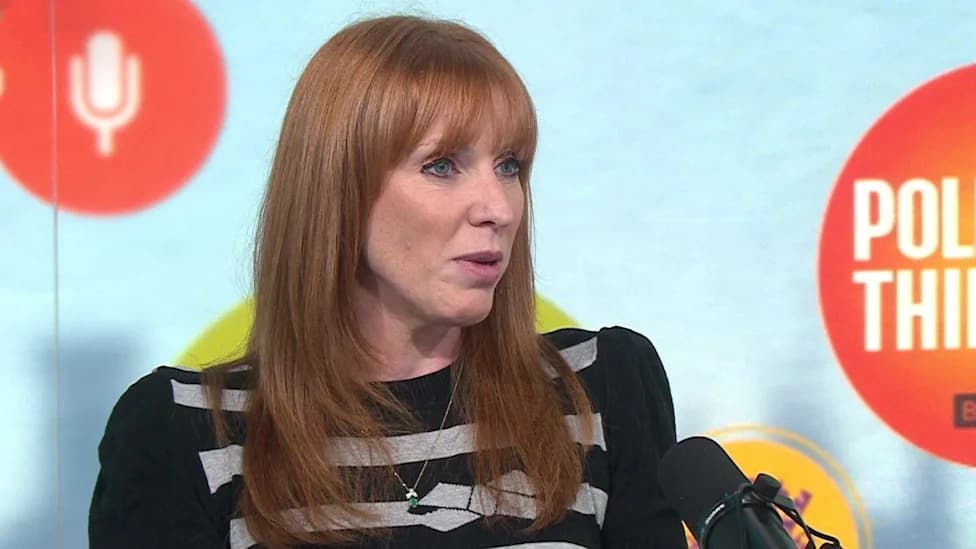
Housing Secretary Angela Rayner has publicly criticised Labour proposals to tighten the path to permanent residency in the UK, warning that retrospective changes would be unfair and "very disruptive" for migrants who moved here expecting to qualify under existing rules.
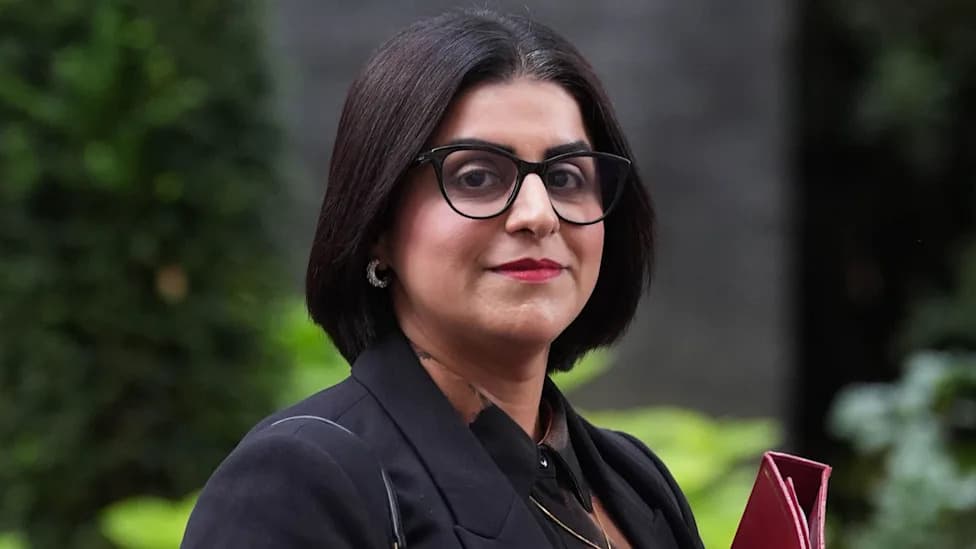
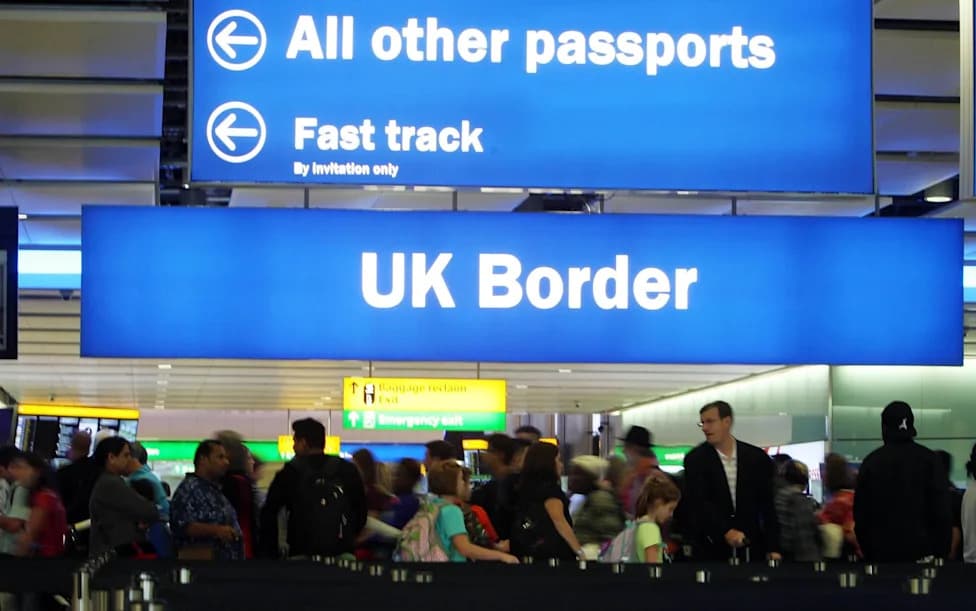
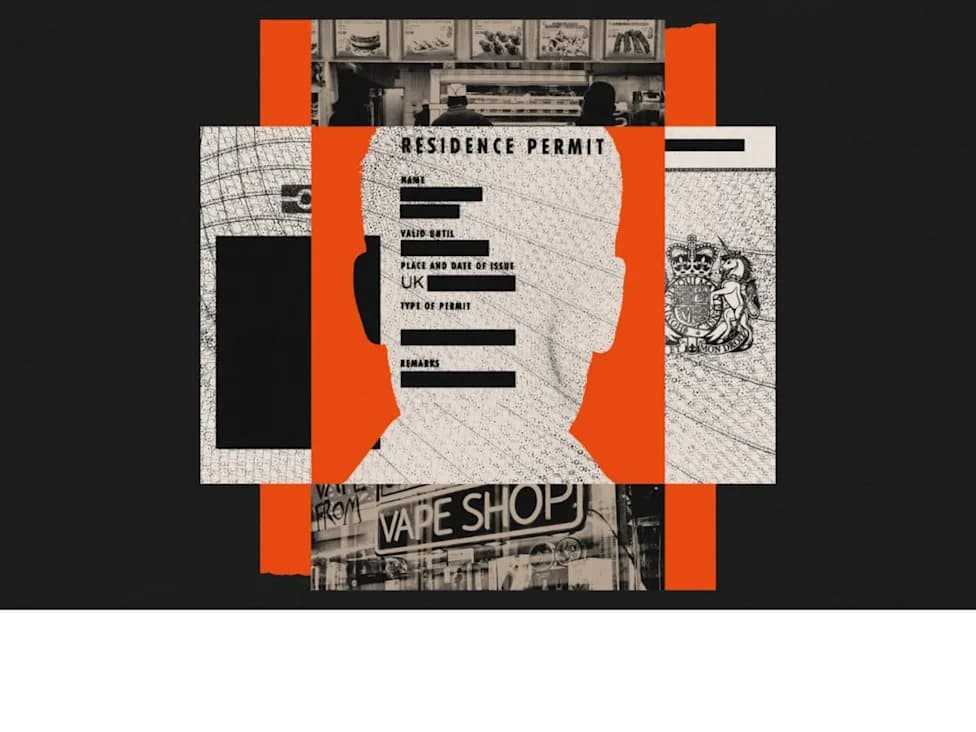
In an interview with The Times ahead of Labour's annual conference, Rayner questioned Home Secretary Shabana Mahmood's plans to extend qualifying periods for settlement. Under the proposals, most migrants would need 10 years to qualify for settlement instead of the current five, while some health and social care workers on specific visas could face a 15-year wait.
"They change the goalposts," Rayner told The Times, expressing concern for people who arrived earlier this decade expecting to secure permanent residence under the current rules. "I do have concerns about that."
Why This Matters
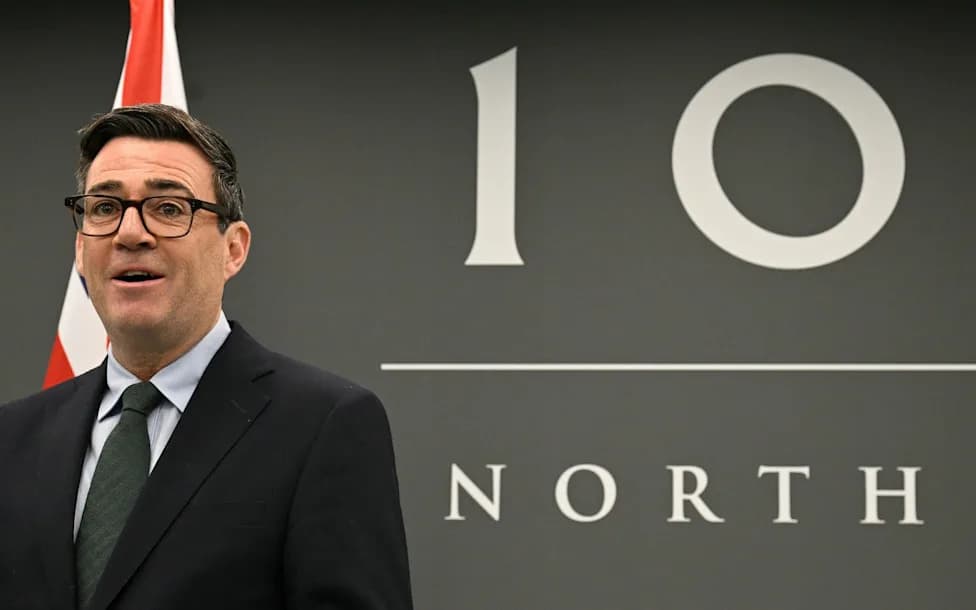
Rayner singled out foreign care workers who "moved their lives here to look after our loved ones," saying retrospective application would undermine trust and be disruptive to families and employers who rely on those workers. Her comments are notable because they criticise a policy line that dates from the Keir Starmer era and is now being handled by Prime Minister Andy Burnham's government.
Party Tension and Public Pressure
Her intervention adds to pressure from trade unions and dozens of Labour MPs who have urged the government to soften or drop the retrospective elements of the proposals. Earlier this year, a letter to the home secretary signed by many Labour MPs described the plans as "un-British." Yorkshire Central MP Rachael Maskell and others have echoed Rayner's moral objections, arguing the changes would penalise people who have contributed to UK public services and communities.
Government Response
Home Secretary Shabana Mahmood has said the government will decide on the immigration overhaul by the end of the year and will set out any transitional arrangements. At a Home Affairs Committee appearance, Mahmood acknowledged that "a large group of people who arrived in 2022, absent any change, would qualify in February 2027" for settlement and indicated the final policy and transitional measures will be published later in the year.
Culture Secretary Lisa Nandy defended the need to balance fairness with public confidence in the immigration system. Speaking on BBC Radio 4's Today programme, she rejected the label "un-British" for the proposals and said ministers must "strike the right balance" between treating contributors fairly and maintaining a system the public trusts.
Political Implications
If the government decides not to apply the new rules retrospectively, those who arrived after 2021 would retain a quicker route to settlement — a distinction that opposition parties such as the Conservatives and Reform UK will likely highlight. Rayner's criticism shows internal debate within Labour and signals that transitional arrangements or carve-outs remain possible as ministers finalise the policy.
What happens next: The government plans to publish its decision on the immigration settlement policy, and any transitional arrangements, later this year. The row has already intensified scrutiny from unions, Labour MPs, and opposition parties as the party heads into its conference.