Angela Rayner has paused plans to redraw council boundaries in parts of England, citing legal risks and a need to reassess whether the reforms will deliver intended benefits. She withdrew proposals for four counties and said she will review plans covering 16 other areas after receiving legal advice. Critics warn the changes may not save money and could harm frontline services; Rayner also addressed Palestine recognition and denied sanctions were timed to influence a local by-election.
Angela Rayner Defends Pause On Council Reorganisation Amid Legal Fears
[BBC]
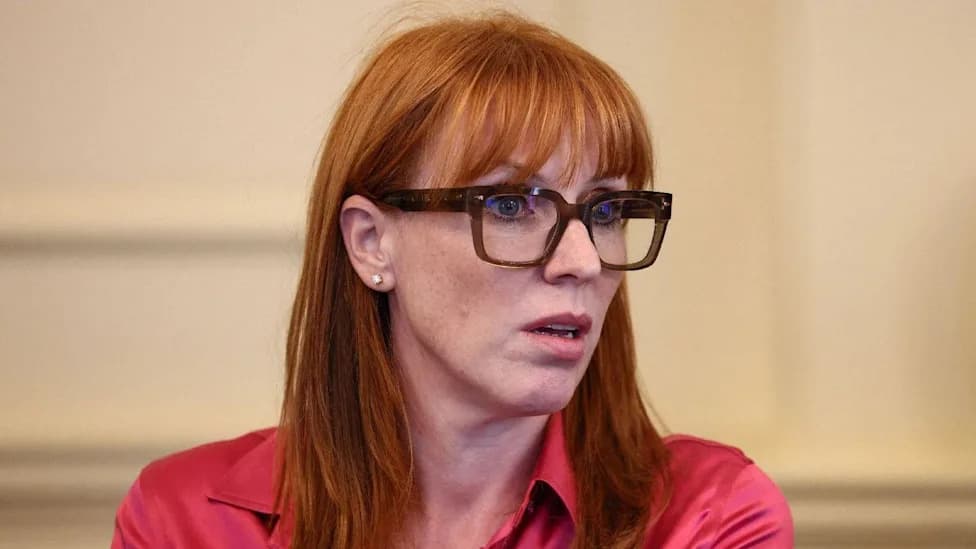
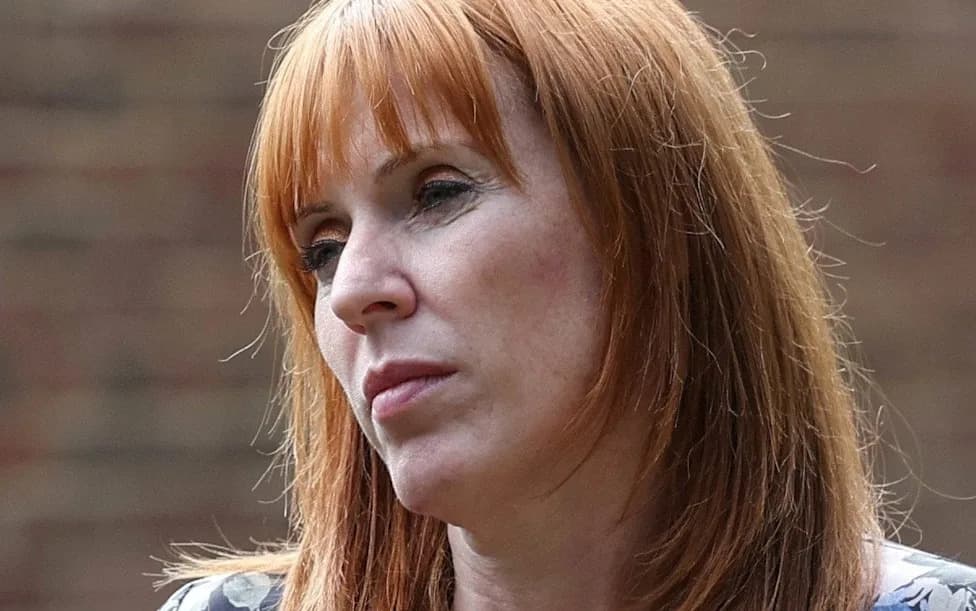
Angela Rayner has defended her decision to pause plans to redraw local council boundaries across parts of England, saying she needed to be sure the proposals would withstand legal challenge and would achieve their intended aims.
Why The Pause?
The local government secretary told the BBC she wanted to be "clear-eyed" about what the proposed shake-up across 16 areas was likely to deliver. The move follows an earlier decision to withdraw reorganisation plans for four counties — Essex, Hampshire, Norfolk and Suffolk — after legal threats from Reform and Conservative-led authorities.
Councils in the affected areas had been preparing proposals and consulting residents since the reorganisation programme was announced in late 2024, a process that ministers say has already cost millions of pounds. Local leaders have criticised the surprise pause, saying it has created uncertainty for councils that have invested time and money in preparations.
Rayner On The Record
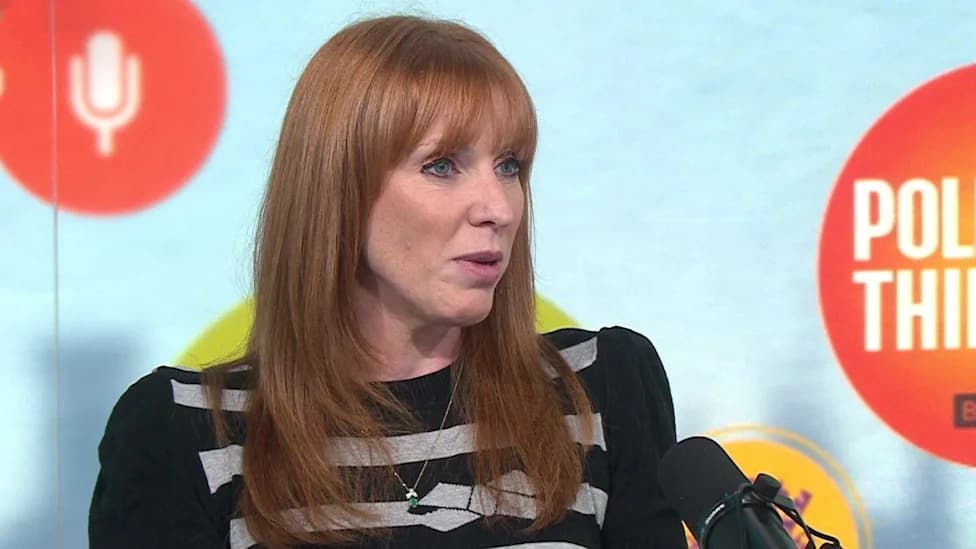
Speaking on the BBC's Political Thinking with Nick Robinson podcast, Rayner acknowledged the decision had been "difficult" and said she recognised local authorities had put a "lot of time and effort" into their plans. She said she wanted to review all legal advice and other information before proceeding, after her recent return to the cabinet role.
"I got the legal advice and I hadn't had the time to review and to go through all of that, and court cases were looming," she said. "If I'm making a decision that is highly likely to be in legal challenge, I want to make sure I've dotted my i's and crossed my t's."
Rayner added that she had been asked to reassess blueprints drawn up by her predecessor, Steve Reed, and that she wanted to be "really clear-eyed on where we were going" before committing to further changes.
Scope And Legal Challenges
In her announcement, Rayner confirmed the withdrawal of plans for Essex, Hampshire, Norfolk and Suffolk. Those proposals, announced in March, had already attracted legal challenges from Reform-led councils in Essex, Norfolk and Suffolk and from the Conservative administration in Hampshire.
She also said she would review proposals for a further 16 areas, including 14 plans announced by her predecessor. Some councils affected — such as Kent and Leicestershire — had threatened similar legal action over the lawfulness of the decision-making process.
Arguments For And Against The Reforms
The government argues the reorganisations, which would abolish remaining two-tier areas where county and district councils share service responsibilities, would make local government more effective and cost-efficient. Critics counter that the changes are unlikely to save money, could divert resources away from frontline services and risk making councils less accountable to local communities.
There are also concerns the reorganisation programme could complicate or delay separate efforts to create regional authorities led by mayors — a reform the government says is central to its economic agenda.
Other Topics In The Interview
Rayner also reflected on foreign policy matters covered in the interview. She said Labour should have recognised a Palestinian state sooner, noting the party had pledged recognition as "a contribution to a renewed peace process" at the last election. She described the timing of recognition as "too late" and something that "should have been really clear."
On UK sanctions announced against Israeli settlements in the occupied West Bank, Rayner rejected suggestions the measures were timed to help Labour in the upcoming Holborn and St Pancras by-election. She pointed out that other Western allies — including France and Canada — had taken similar actions and emphasised that settlements are widely regarded as illegal under international law.
Reflecting on her return to government, Rayner said a key difference between the current and previous leadership was an emphasis on explaining "the story of why we're doing something." She said both leaders shared a commitment to deliver for the public but that styles differed.
Broadcast: The interview will be shown on BBC Two at 12:30 BST on Friday 11 September and at 17:30 BST on Saturday 12 September.
Help us improve.