The government has proposed tightening residency rules for political donors after two £36m donations to Reform UK prompted concern about foreign influence. Plans include a £100,000 annual cap for overseas-based British voters (backdated to 25 March) and a minimum 12-month residency period for returnees. MPs approved amendments to the Representation of the People Bill, which is now under scrutiny in the House of Lords, and unions and parties remain sharply divided over caps and enforcement.
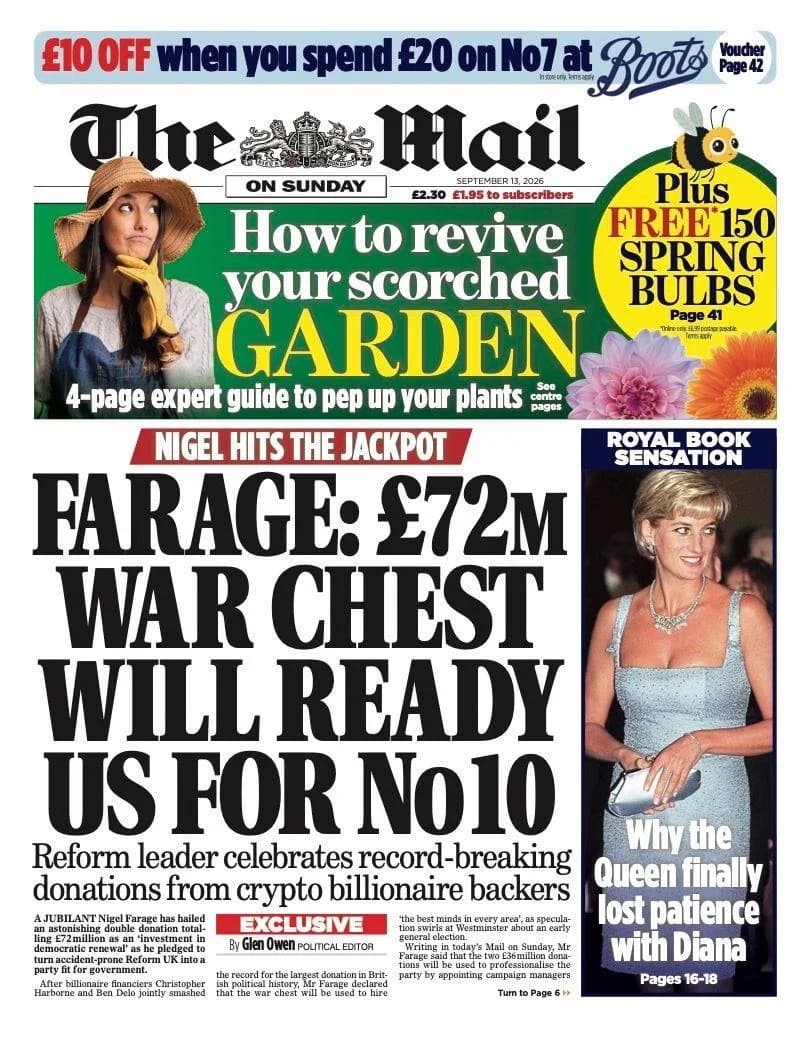
UK Proposes Stricter Donor Residency Rules After £72m Reform UK Donations
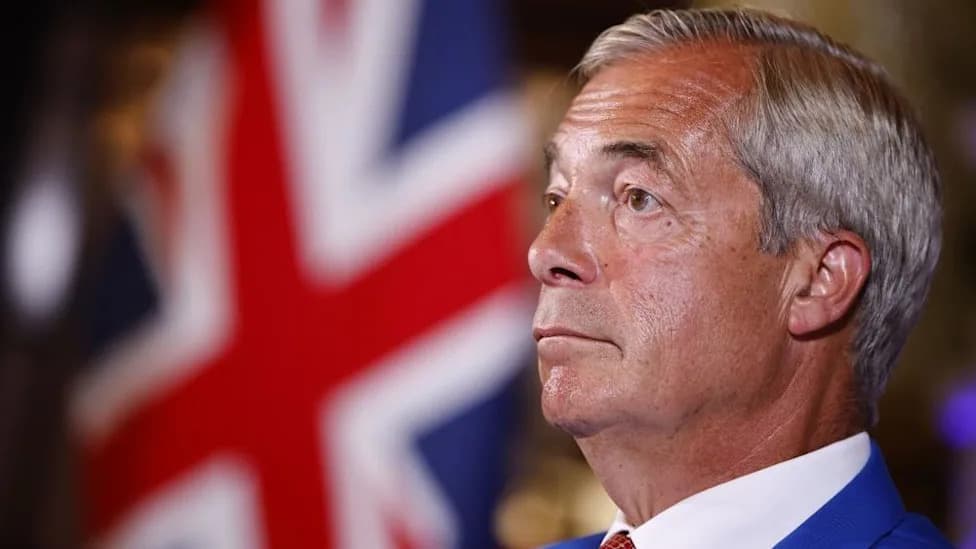
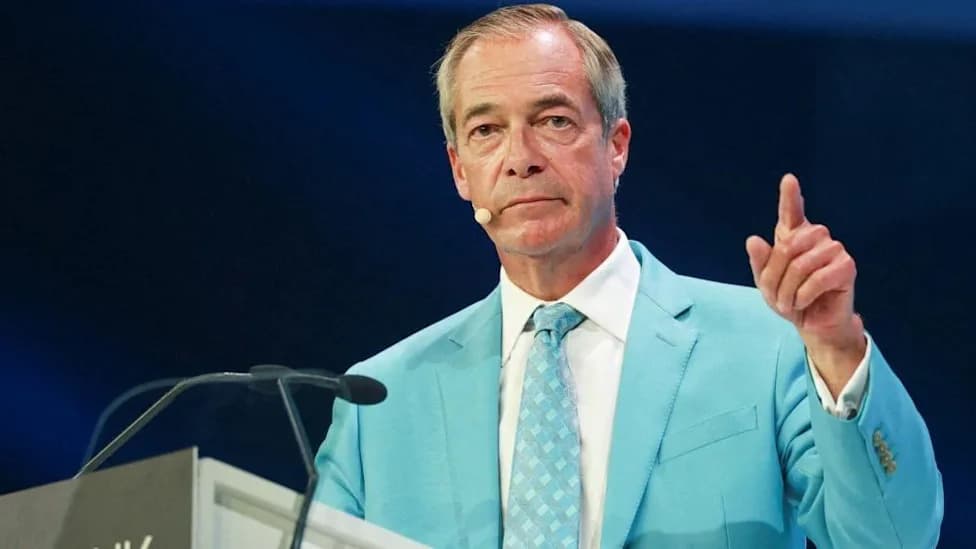
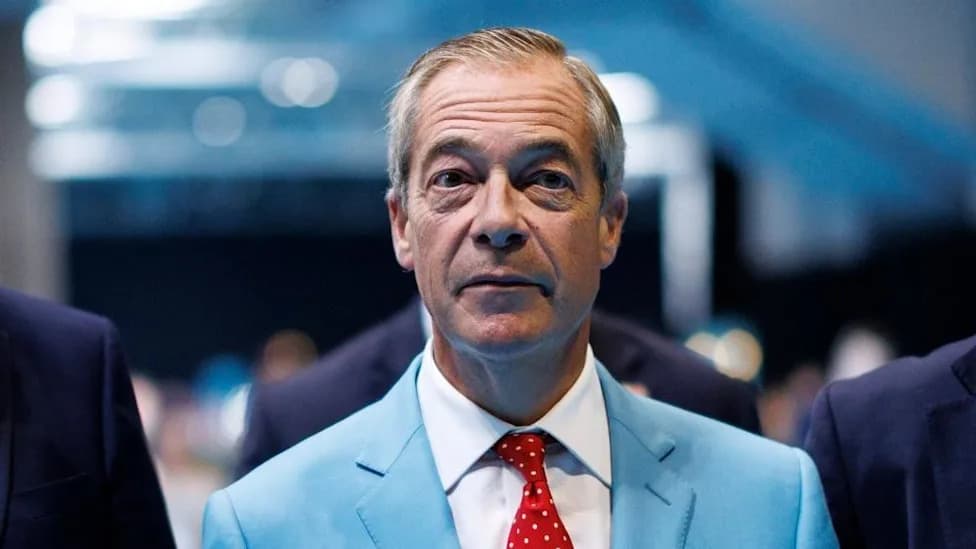
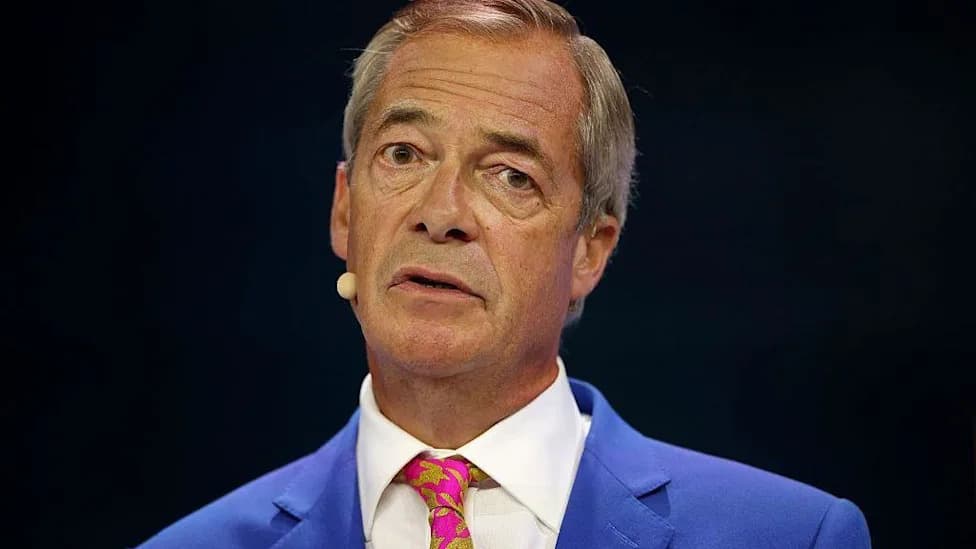
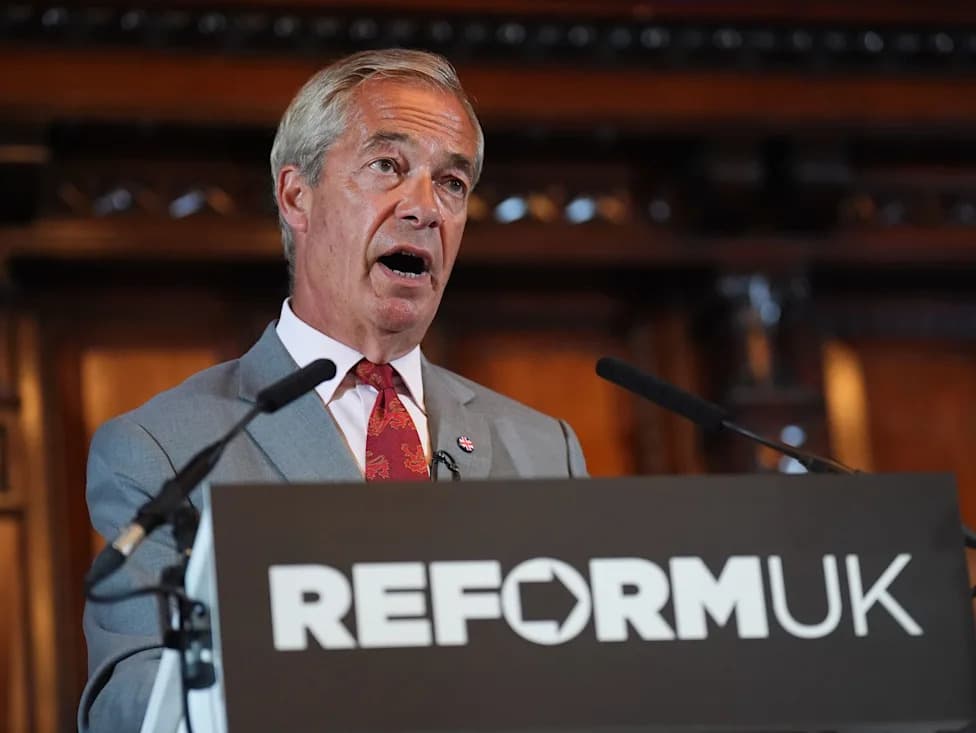
Reform leader Nigel Farage says the donations from Ben Delo and Christopher Harborne comply with the current law [EPA/Shutterstock]
The UK government has moved to tighten residency rules for political donors after fresh controversy over two £36m donations to Reform UK from crypto entrepreneurs Ben Delo and Christopher Harborne. Ministers say the changes are designed to ensure that people who seek to influence British politics have a genuine and ongoing connection to the country.
What Ministers Are Proposing
Under the proposals, donations from British voters who live abroad would be subject to a new £100,000 annual cap — a measure the government plans to backdate to 25 March. Officials also want to introduce a minimum residency period for returnees: donors who recently move back to the UK would remain subject to the cap for at least 12 months.
Legislative Progress and Scrutiny
MPs have approved amendments to the Representation of the People Bill to advance the policy direction, and the Bill is now being examined in the House of Lords. Communities Minister Baroness Taylor of Stevenage told peers ministers were "considering how we will strengthen the residency requirements, including ensuring that the length of time spent in the UK aligns with broader government policy." She added ministers would require donors who give above the £100,000 cap to demonstrate a 'genuine and ongoing connection' to the UK.
Context And Reactions
Current UK law already bans foreign donations to political parties, but British citizens living overseas may donate unlimited sums. The government argues the proposed rules will close that loophole. It has pointed to existing tax residency thresholds — such as the 183-day rule for tax residence in a tax year — as a reference point for assessing genuine ties to the UK.
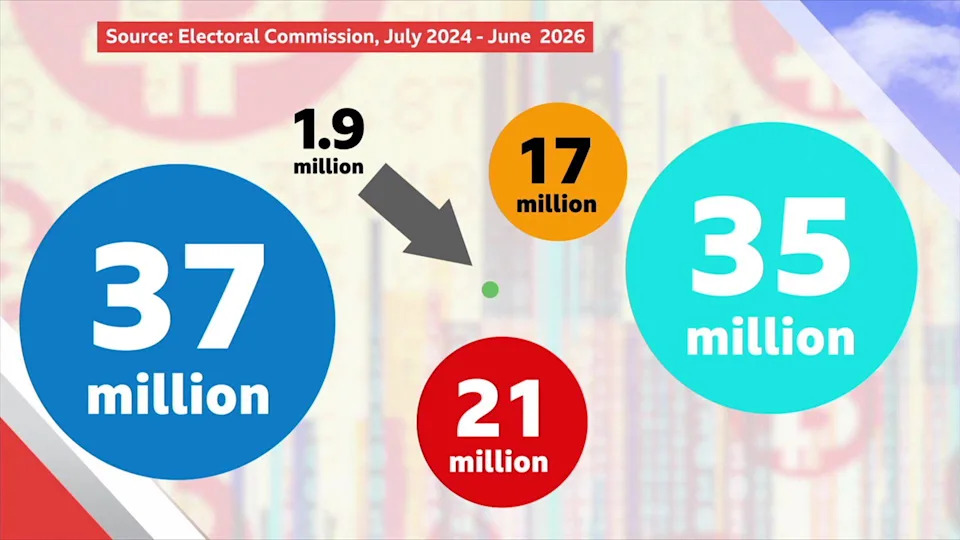
Since the 2024 election, the Conservative Party has raised £37m, Reform has raised £35m before Delo and Harborne's large donations, Labour had raised £21m, the Liberal Democrats £17m and the Green Party £1.9m [BBC]
Business Secretary Jonathan Reynolds said the policy is not aimed at any single party and that people seeking to influence British politics 'should have a stake in Britain.'
Liberal Democrat spokeswoman Lisa Smart urged stronger action, accusing ministers of 'playing whack-a-mole' and calling for a universal cap. Reform leader Nigel Farage warned against retrospectively making donations illegal and said such moves could prompt reciprocal limits on trade union funding, potentially collapsing the existing funding model.
Where Funding Currently Stands
The two donors each gave £36m to Reform in two days — a combined £72m that matched the largest single-party donation record in the UK. Both had previously donated millions to Reform. By way of comparison, since the 2024 election parties reported the following fundraising totals (BBC figures): Conservatives £37m, Reform £35m (pre-mega-donations), Labour £21m, Liberal Democrats £17m and the Green Party £1.9m. Since 2020, Labour has received nearly £43m from trade unions.
Unions, Caps and Next Steps
Union leaders at the Trades Union Congress in Brighton called on the government to 'protect our democracy from being captured by the super-rich' and pledged to work with policymakers. Unite proposed an individual donor cap of between £500,000 and £1m (excluding trade unions), while some smaller unions favour a universal cap. Unite general secretary Sharon Graham stressed the distinction between small union subscriptions and very large personal donations.
The government has also created a taskforce to address 'mega-donors.' The Representation of the People Bill will face further scrutiny in the House of Lords, where details such as the exact residency test, how it will be enforced, and the legal implications of backdating will be debated.
What remains unclear: the precise dates Delo and Harborne resumed UK residence (if they have), the final wording and enforcement mechanisms of the residency test, and whether any retrospective restrictions could trigger legal challenges.
Help us improve.