The national MBRRACE‑UK review shows preventable maternal deaths are at a 15‑year high: 252 women died between 2022 and 2024 and 108 were judged potentially preventable. Treatable complications — haemorrhage, clots and pre‑eclampsia — and systemic failures such as delayed escalation and capacity shortfalls are driving the rise. High‑profile inquiries and bereaved families demand urgent reforms, while the Government points to new standards and recruitment of more midwives.
Preventable Maternal Deaths Reach 15‑Year High — 108 of 252 Judged Potentially Avoidable

Laura-Jane Seaman suffered an 'avoidable' death after giving birth at Broomfield Hospital in Chelmsford
The latest national review finds that preventable maternal deaths in the UK have risen to their highest level in 15 years. Of 252 pregnant women and new mothers who died between 2022 and 2024, 108 were judged likely to have survived with better care, according to analysis by MBRRACE‑UK, the national maternal mortality surveillance programme led by the University of Oxford.
Key Findings and Causes
Researchers identified treatable complications as the main drivers of the increase: severe haemorrhage, blood clots (thromboembolism) and pre‑eclampsia. The review found that warning signs were sometimes missed, care was delayed or inadequate, and specialist support was not always available when women deteriorated. Overall, 61% of maternal deaths in 2022–24 were judged potentially preventable, up from 52% in 2019–21 and 41% in 2013–15.
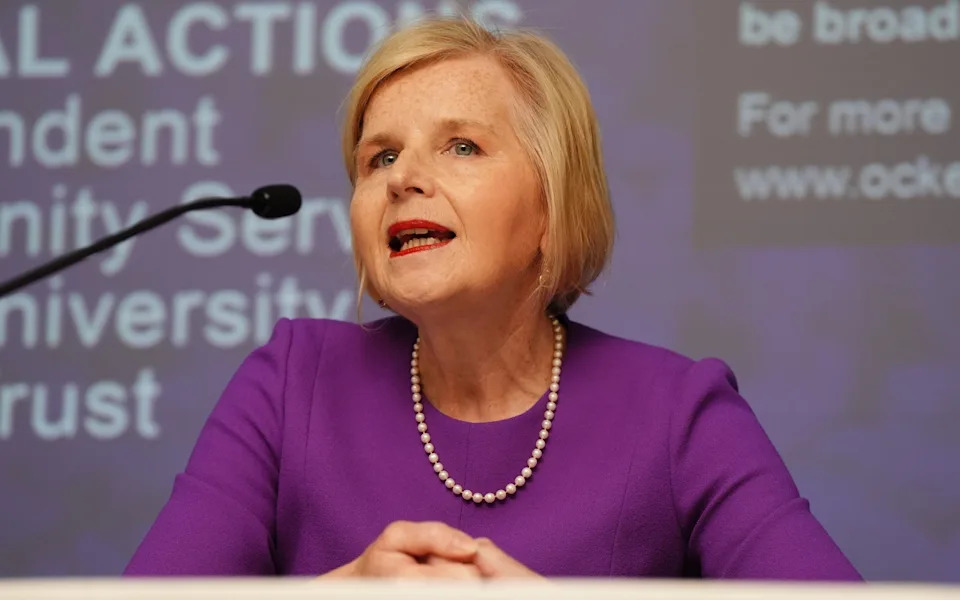
Donna Ockenden's report found that Nottingham University Hospitals' staff had received poor leadership - Jacob King/PA Wire
Systemic Failures, Not Just Individual Errors
Dr Allison Felker, maternal programme lead for MBRRACE‑UK, stressed that many deaths reflected system capacity and escalation failures rather than isolated clinical mistakes: “If these conditions are properly recognised and managed, then many of these deaths could be prevented.” She highlighted delays in accessing emergency Caesarean sections, scans or antibiotics, long waits in assessment units, and difficulty obtaining specialist care as recurring problems.
High‑Profile Inquiries and Culture Issues
The report comes amid a string of high‑profile investigations that exposed persistent problems in leadership, culture and patient safety. Recent inquiries cited include Donna Ockenden’s Nottingham review (which identified more than 500 cases of potentially avoidable harm or death) and earlier reports on failures at Morecambe Bay and Shrewsbury & Telford. Common themes across inquiries include staff feeling unable to speak up, bullying, weak leadership and poor “psychological safety”.
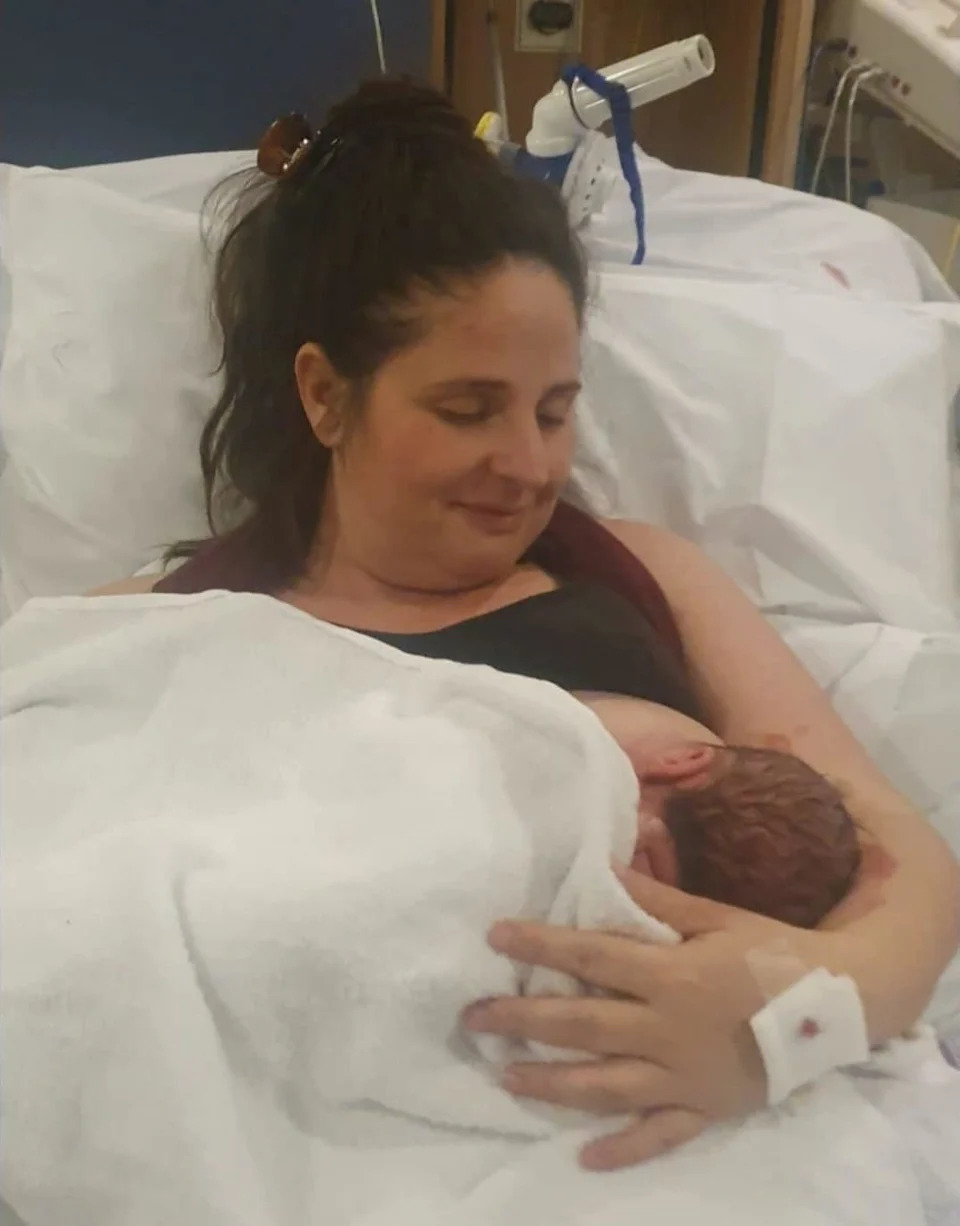
Laura-Jane Seaman pictured with baby Murray in hospital
Personal Tragedy: The Case of Laura‑Jane Seaman
One of the women named in the analysis, Laura‑Jane Seaman, 36, of Essex, suffered massive internal bleeding after giving birth in December 2022. An inquest and independent investigation found multiple failings: missed red‑flag signs, inadequate monitoring of vital signs and delayed escalation. Laura‑Jane collapsed, experienced multiple cardiac arrests and died two days after delivery, leaving a newborn and four other children. Her family has since begun legal action against Mid and South Essex NHS Foundation Trust.
Official Responses and Actions
The Government says it has taken measures including hiring almost 2,000 more midwives, introducing improved early‑warning systems and issuing new national standards aimed at earlier risk identification and faster response to the leading causes of maternal death. Yvette Cooper, the Health Secretary, has made maternity safety a personal priority and is chairing the National Maternity and Neonatal Taskforce to drive reforms.
What Clinicians and Campaigners Say
Professional bodies warn that far more urgent action is needed. Hannah Leonard, deputy chief midwife at the Royal College of Midwives, said: “Every woman leaves behind a heartbroken family.” Dr Alison Wright, president of the Royal College of Obstetricians and Gynaecologists, urged the system to accelerate efforts to prevent maternal deaths, calling each loss a permanent family tragedy.
What Needs To Change
Experts and bereaved families call for focused, practical reforms: better staffing and capacity, consistent use of early‑warning monitoring, faster access to emergency interventions, improved escalation pathways and cultural change that empowers staff to speak up. MBRRACE‑UK emphasises that timely recognition and treatment of common, treatable complications could prevent many deaths.
Bottom line: Maternal mortality linked to care failures has risen sharply. The figures underline urgent gaps in capacity, escalation and safety culture that policymakers and NHS leaders must address without delay.
Help us improve.