Study of 414,890 births finds a strong association between postpartum depressive symptoms and infant death within the first year of life. Infants of mothers who screened positive had a mortality rate of 7.2 per 1,000 versus 2.0 per 1,000 for other infants, and an adjusted relative risk of 2.89. The link persisted across demographic groups and for multiple causes of death. Authors stress that the study does not prove causation and call for better screening, support, and research into underlying causes.
New Study Finds Postpartum Depressive Symptoms Linked to Nearly Threefold Higher Risk of Infant Death

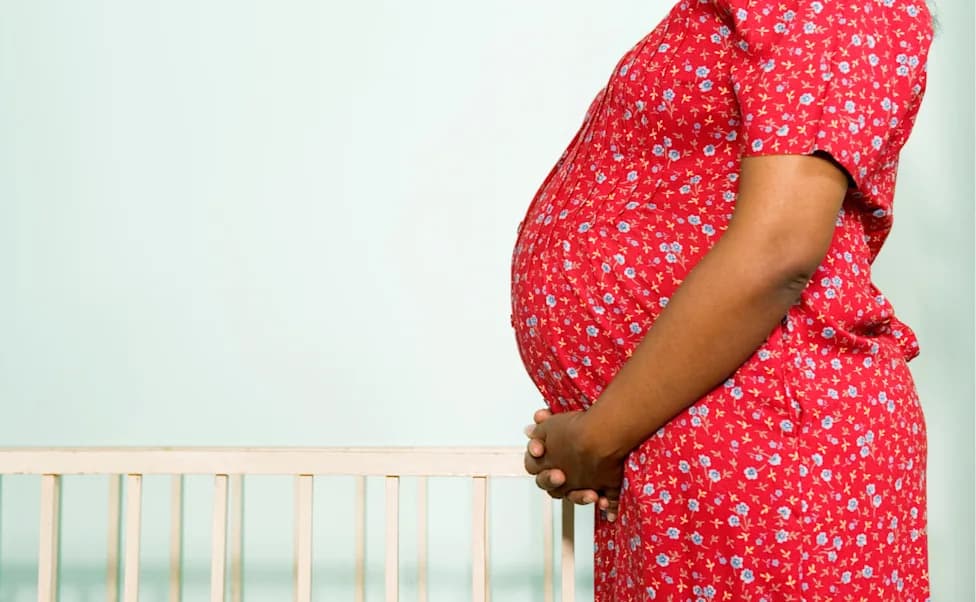
Stock photo: A new mother holding her baby in her arms.
New research analyzing more than 400,000 births in New Jersey suggests that mothers who report postpartum depressive symptoms face a substantially higher risk of infant loss in the first year of life.
Study overview: Investigators examined records for 414,890 singleton births in New Jersey from 2016–2020 using a statewide screening program that assesses new mothers for depression immediately after delivery. Screening used the Edinburgh Postnatal Depression Scale; a score of 10 or higher was classified as indicative of depressive symptoms.
Key findings
Infants whose mothers screened positive for postpartum depressive symptoms experienced a mortality rate of 7.2 deaths per 1,000 births, compared with 2.0 deaths per 1,000 births among infants whose mothers did not report symptoms. After adjusting for maternal age, race and ethnicity, education, insurance status and infant characteristics, researchers reported an adjusted relative risk of 2.89 — nearly a threefold increase in the risk of death before age one for infants of mothers with postpartum depressive symptoms.
"One of the important takeaways from this study is that maternal health and infant health are really connected," said Rebecca Woofter, the study's lead author and a postdoctoral associate at the Rutgers School of Public Health. She emphasized that perinatal depression is common and that people experiencing symptoms deserve support.
Causes, consistency, and limitations
The association was consistent across racial, educational and insurance groups and remained regardless of whether the infant was born preterm. The analysis also identified higher risks for several leading causes of infant death: more than four times the risk for deaths tied to prematurity-related conditions and nearly five times the risk for deaths due to other perinatal conditions. Increased risks were also observed for congenital malformations and sudden infant death syndrome (SIDS).
Altogether, 906 infants in the cohort died before their first birthday, with the most frequent causes recorded as prematurity-related conditions, perinatal conditions, congenital malformations or chromosomal abnormalities, and SIDS.
The authors note that this observational study demonstrates a consistent association but does not establish causation. Possible explanations include physiological effects of depression during pregnancy on fetal development and shared social determinants of health — such as access to care, economic stability, and safe living conditions — that may affect both maternal mental health and infant outcomes.
Implications and recommendations
Researchers and clinicians say the findings underscore the importance of treating maternal mental health as a public health priority. Routine screening, timely referral to mental health services, and addressing broader social supports could be important steps to protect both mothers and infants. Woofter recommends that parents who are struggling talk with their health care providers (for example, OB-GYNs or pediatricians) about symptoms; organizations such as Postpartum Support International can help families identify local resources.
Citation: Woofter R, McGovern ME, Abe N, Rokicki S. Perinatal Depression and Infant Mortality. JAMA Netw Open. 2026;9(9):e2631364. doi:10.1001/jamanetworkopen.2026.31364
Help us improve.