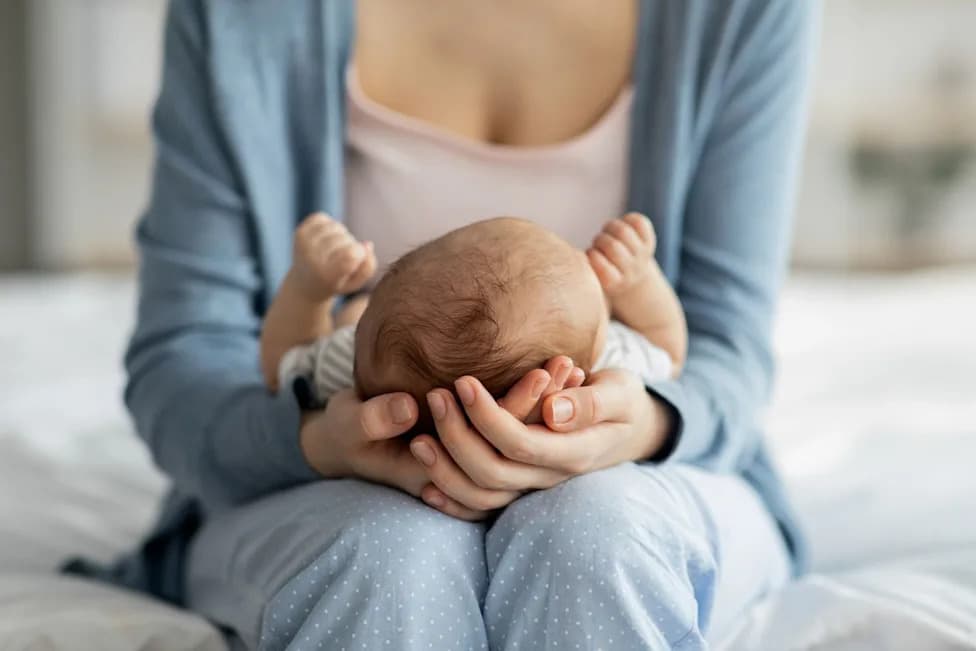
The author, a reproductive justice advocate, delayed preparing her first child’s nursery because years of work had made Black maternal mortality painfully real. Despite having strong medical and social supports, she recognizes that her and her son's survival involved luck — a reality that should not determine who lives. The essay ties rising maternal risks to abortion bans, disappearing maternity wards, and steep Medicaid cuts, and endorses the For All Our Futures resolution calling for universal health care, maternal services, paid leave, comprehensive sex education, and protections against pregnancy-related criminalization.
Black Women's Survival In Childbirth Shouldn’t Be Left To Chance
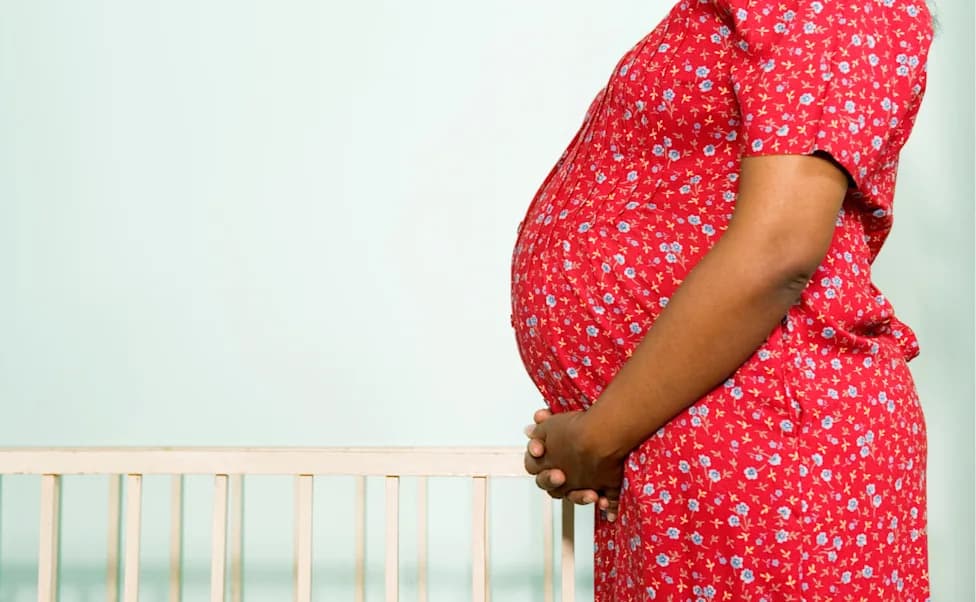
Black Women's Survival During Birth Shouldn't Be Left to Chance
I long joked that I was a self-taught interior designer — trained by years of HGTV and YouTube tutorials — yet it took me months to finish the nursery for my first, and so far only, child.
It wasn’t for lack of time. I was pregnant during the COVID years, when leaving the house felt complicated, so I spent abundant hours at home. It wasn’t for lack of ideas: I had Pinterest boards and a firm belief I could recreate a designer room on my own.
What slowed me was fear.
For more than a decade I have worked in reproductive justice. That work made the realities of Black maternal mortality and severe pregnancy complications painfully personal. The United States has the highest maternal mortality rate among wealthy nations, and Black women die from pregnancy-related causes at a higher rate than any other group. In the 21st century, mothers are still not consistently receiving the care they need in hospitals.
Across ten years in the movement, I listened to stories, held parents hands, and pushed for policies designed to reduce Black maternal and infant deaths. And now, seven months pregnant, I needed to prepare my son’s room.
I kept delaying because I could not shake the image of having to take everything apart. It would have shattered me to box up diapers, a stuffed lion, and a crib because he did not survive. Even worse, I pictured my mother disassembling that crib because neither the baby nor I came home.
No one should approach pregnancy like a roll of the dice, praying they are lucky enough to return home alive.
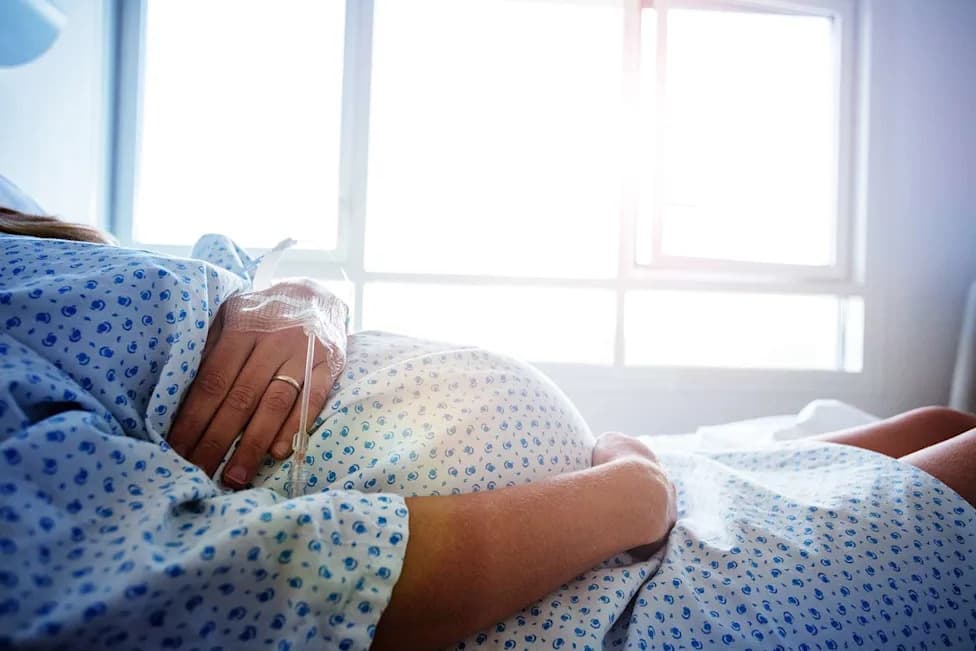
I had nearly every support a pregnant person might want: attentive obstetricians, midwives who checked in regularly, a dedicated doula before and after birth, family and friends who pitched in, coordinated food trains, and the ability to seek second and third medical opinions. In the end, my labor was relatively short and uncomplicated.
My son and I were fortunate. But survival should not depend on luck. No one should have to rely on the right insurance, the right provider, the right ZIP code, the right skin color, or sheer fortune to come home alive.
Policy Choices Have Real Consequences
Nearly five years after his birth, the crisis in Black maternal health has worsened. In 2024, Black women remained roughly three times as likely as white women to die from maternal causes. Abortion bans have driven up maternal and infant death rates, and maternity wards are disappearing from communities that need them most.
One analysis identified more than 130 rural labor and delivery units at risk of closure or severe service reduction tied to the One Big Beautiful Bill Act. That same bill includes the single largest cuts to Medicaid in the program's history. Black mothers give birth on Medicaid at more than twice the rate of white mothers, so when Medicaid is cut, Black families are often the first to suffer.
When lawmakers criminalize one part of pregnancy care, slash funding for another, and allow hospitals to disappear altogether, the impact is immediate and devastating. Abortion access, prenatal services, miscarriage management, labor and delivery care, postpartum support, contraception, fertility treatments, and maternal health services are all part of a single continuum. Restricting one piece weakens the whole system.
Already, families across the country are packing away tiny clothes, donating diapers, and burying mothers who did not survive pregnancy.
History, Justice, And A Path Forward
These policy choices effectively decide whose lives are worth protecting. The reality feels stark as the nation marks anniversaries of the Declaration of Independence, a document that promised life, liberty, and the pursuit of happiness. For many Americans those words feel like a birthright; for Black women they have long been an aspiration, promised at a time when our ancestors were not even recognized as fully human.
Black women have rarely experienced unconditional protection of our bodies and lives. From forced reproduction during slavery, to coerced sterilizations and medical experimentation, to the modern dismissal of our pain — we have repeatedly had to fight for the liberty to decide whether and when to have children and to build families on our terms.
But the Declaration also offers a radical claim: government derives legitimacy from the people, and when it fails to secure our rights, we have both the authority and responsibility to demand better.
That impulse drives the For All Our Futures reproductive justice resolution. The resolution lays out a vision for a nation where everyone can make decisions about their body, health, and pregnancies with dignity. Specifically, it calls for universal health care, comprehensive maternal health services, paid family leave, full sex education, and protections against criminalizing pregnancy-related care, centering reproductive justice in the American project.
This resolution will not immediately erase generations of harm, but it names the direction we must take. Change begins with stating our values, putting them on record, and creating standards to judge laws, budgets, and elected officials.
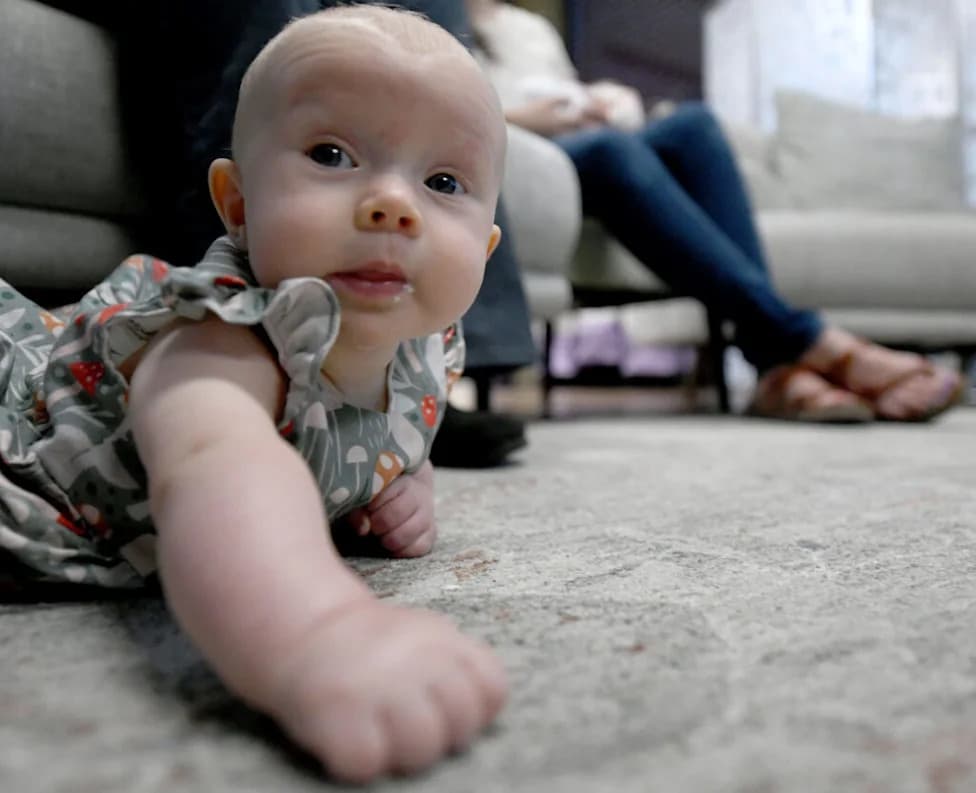
I eventually finished that nursery. I assembled the furniture and arranged the tiny clothes and stuffed animals. Today my son is a joyful, inquisitive five-year-old who asks many questions and loves chicken nuggets.
My hope for America is that every child and every family can flourish not because of luck, but because we commit to ensuring everyone has a fair chance to pursue happiness.
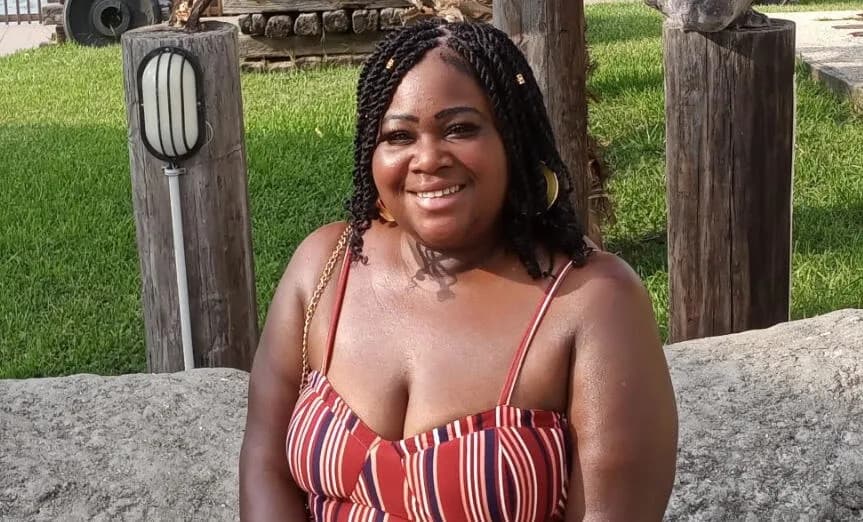
Nourbese Flint is president of All* Above All and All* In Action Fund, leading efforts to achieve abortion justice and build political power among voters of color. Drawing on a long history of movement leadership, she brings deep expertise on abortion access as a cornerstone of health care and economic stability, and helps shape a more inclusive and equitable future with abortion recognized as health care at the center.
Help us improve.