Martha's Rule — the rapid second-opinion system introduced after the 2021 death of 13-year-old Martha Mills — will be extended to all A&E departments in England, including waiting rooms. The scheme gives patients, families and staff a 24/7 number to request an urgent clinical review if someone's condition worsens. The policy already operates at 221 inpatient sites, logged over 19,000 calls between Sept 2024 and July, and will be rolled out across A&E and maternity/neonatal services by March 2028.
Martha's Rule Rolled Out To Every A&E In England — Urgent Second-Opinion Service Extended Nationwide

Martha Mills died from sepsis at King's College Hospital in south London at the age of 13
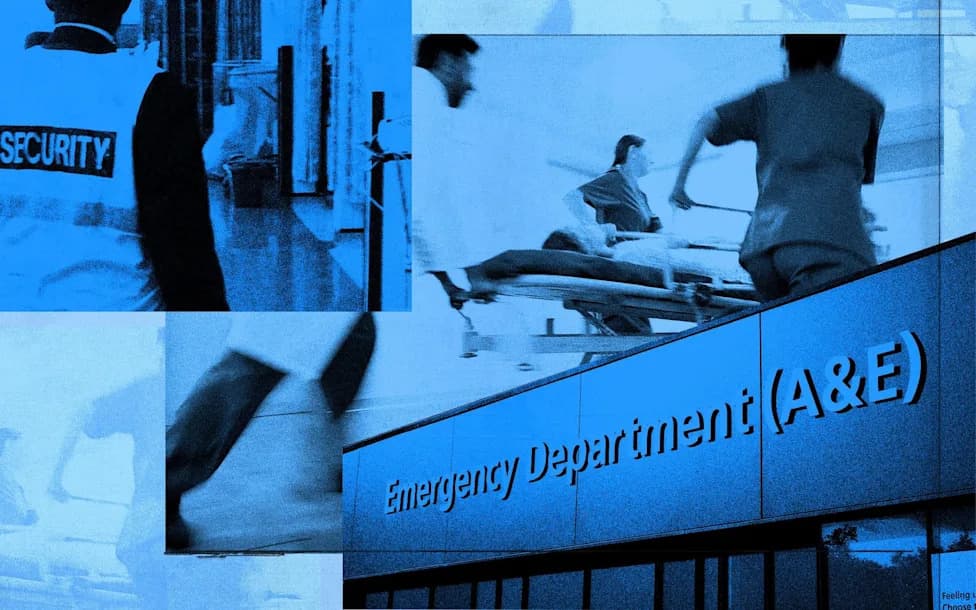
The NHS will extend Martha's Rule to every accident and emergency (A&E) department in England, including waiting areas, giving patients, relatives and staff a 24/7 route to request an urgent second clinical opinion if someone's condition worsens while waiting for or receiving emergency care.
What Is Martha's Rule?
Martha's Rule is a rapid-response process that provides round-the-clock access to a separate clinical team who can be asked to carry out an immediate review of a patient's care. The policy was introduced after the death of 13-year-old Martha Mills from sepsis at King's College Hospital, south London, in 2021. A coroner concluded that Martha would probably have survived if doctors had transferred her to intensive care earlier.
How The Expansion Will Work
Under the announced plans, every A&E will display and operate a dedicated number that patients, relatives and staff can call if they believe deterioration is not being recognised or acted upon. The scheme will be phased into A&E departments across England, with rollout expected to be completed by March 2028. Hospitals are also expected to implement Martha's Rule in maternity and neonatal services by the same deadline.
Evidence From Pilots And Existing Sites
The policy is already in place at 221 acute adult and children's inpatient sites. Between September 2024 and July this year the scheme logged more than 19,000 calls, and July alone saw a record 1,678 calls in a single month. A pilot at seven NHS trusts from September to March produced 69 calls; some of these calls prompted urgent surgery or transfers to intensive care.
NHS England said the pilot showed the system can operate alongside busy A&E procedures without the need for additional clinical staff, and that several interventions during the trial may have prevented further harm.
Context And Rationale
The expansion follows the busiest summer on record for emergency departments, with 241,061 more A&E attendances in June, July and August compared with the previous year. It also comes amid concerns about patient safety: a study reported this year by researchers at Imperial College London ranked the UK 21st out of 38 OECD countries on measures including deaths from treatable causes such as sepsis and blood clots (using 2021 data).
“A&Es see some of our most vulnerable patients, so the ability to raise concerns about deterioration quickly and trigger a rapid review of care is essential,” said Prof Aidan Fowler, NHS England's National Director of Patient Safety. “Martha's Rule is already having a transformative effect in making our acute care even safer.”
“Martha's Rule is about making sure patients and their loved ones are heard when they raise concerns about their care,” added Baroness Merron, the Health Minister. “Expanding it to A&E will give patients, families and staff another way to speak up when they are worried that someone's condition is getting worse, ensuring concerns are acted on quickly.”
Operational Details
In addition to the dedicated call number, Martha's Rule requires staff to use a structured approach to obtain information about a patient's condition from them and their family at least once daily. Staff may also request an independent review by another clinical team if they feel serious concerns are not being addressed.
Officials say the aim of the expansion is to bolster patient safety, speed up recognition of deterioration, and reduce avoidable harm across emergency and related services.
Help us improve.