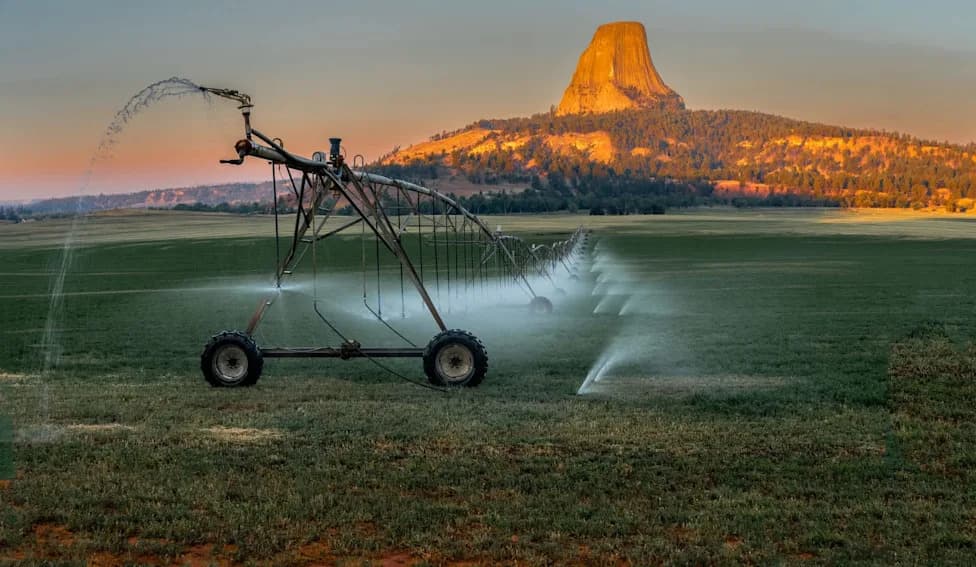
Palisade, Colorado, depends on nearly 300 peach orchards irrigated by the Colorado River. A prolonged drought worsened by climate change produced the smallest recorded snowpack and roughly 20% below-average basin flows, prompting early irrigation cutoffs this season. Growers with junior water rights face existential threats, and experts warn that sharp, sustained reductions in agricultural water use — including compensated fallowing or land buyouts — may be required to avert system collapse.
Colorado River Drought Threatens Palisade’s Peaches — And The Town That Depends On Them
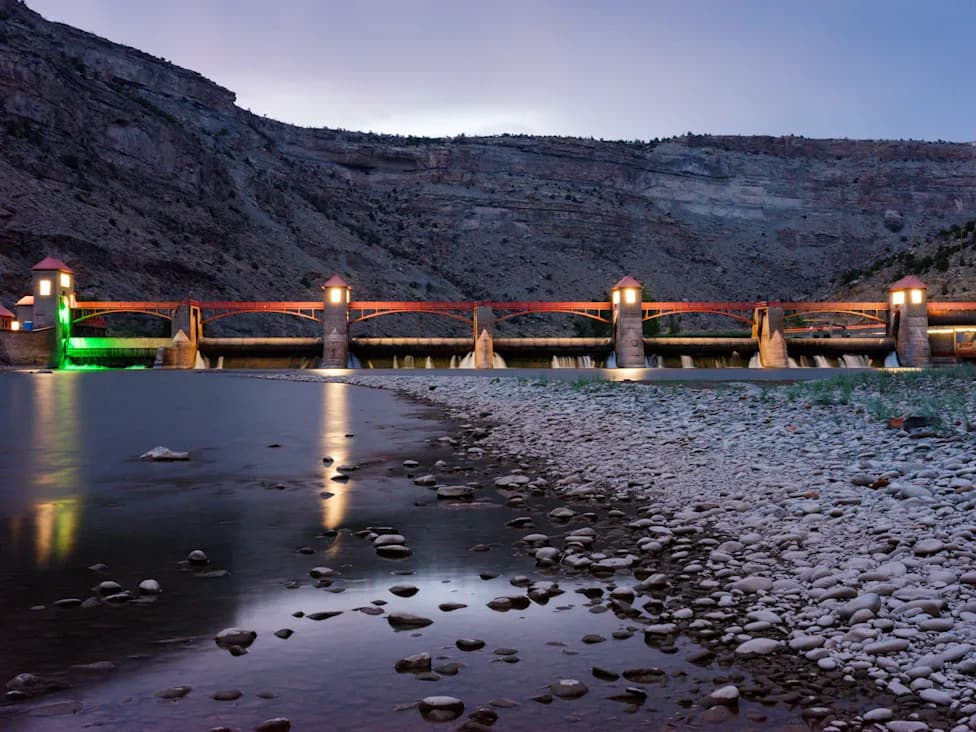
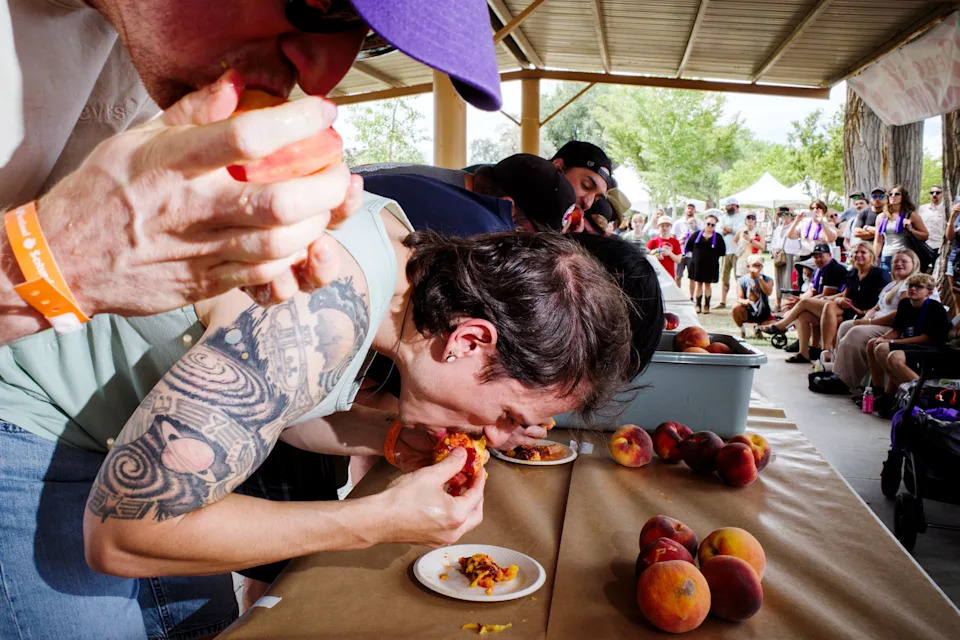
Palisade's Peach Days festivities draw thousands of visitors each August for live music and a hotly contested peach-eating contest, top. Residents say the dwindling flows from the Cameo Dam, above, threaten the orchards as well as the town's economy and culture. -
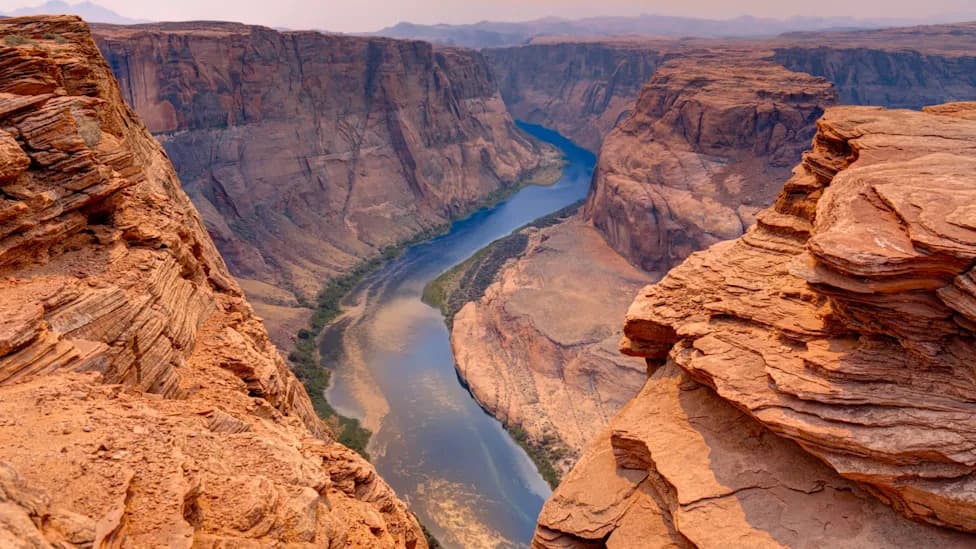
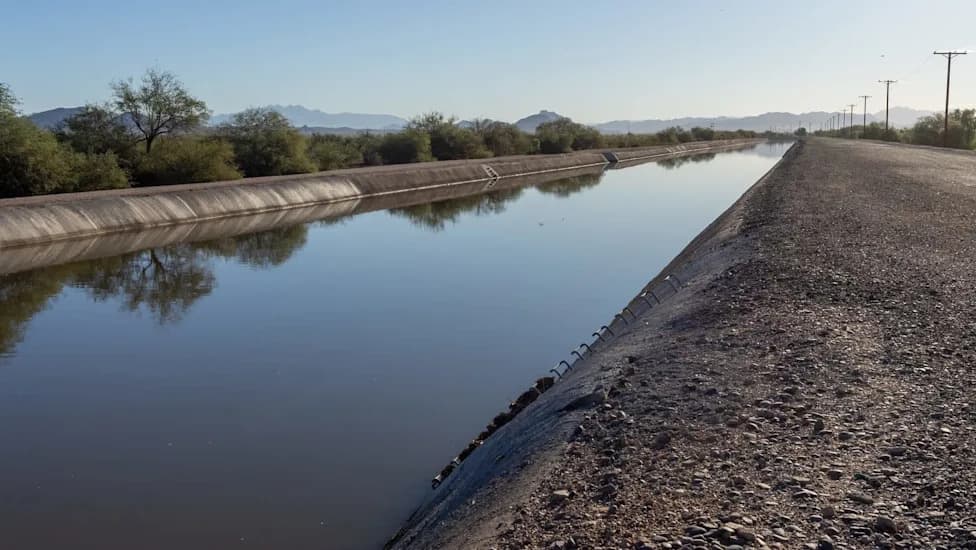
PALISADE, Colo. — Nearly everyone in this small desert valley will tell you that three natural gifts combine to produce what many regard as the world’s finest peaches: a warm spring wind from De Beque Canyon that chases away frost, sun-soaked summer days and cool nights that concentrate sugars, and the Colorado River, whose waters have been routed through canals to turn arid ground into productive orchards.
Orchards on the Edge
For more than a century the Colorado River has irrigated nearly 300 peach orchards around Palisade, creating local wealth, shaping community life and drawing visitors from across the state. Palisade accounts for roughly 75 percent of Colorado's peaches; the fruit — short-lived and highly perishable — commands a premium and fuels festivals such as Peach Days, which fill hotels and restaurants every August.
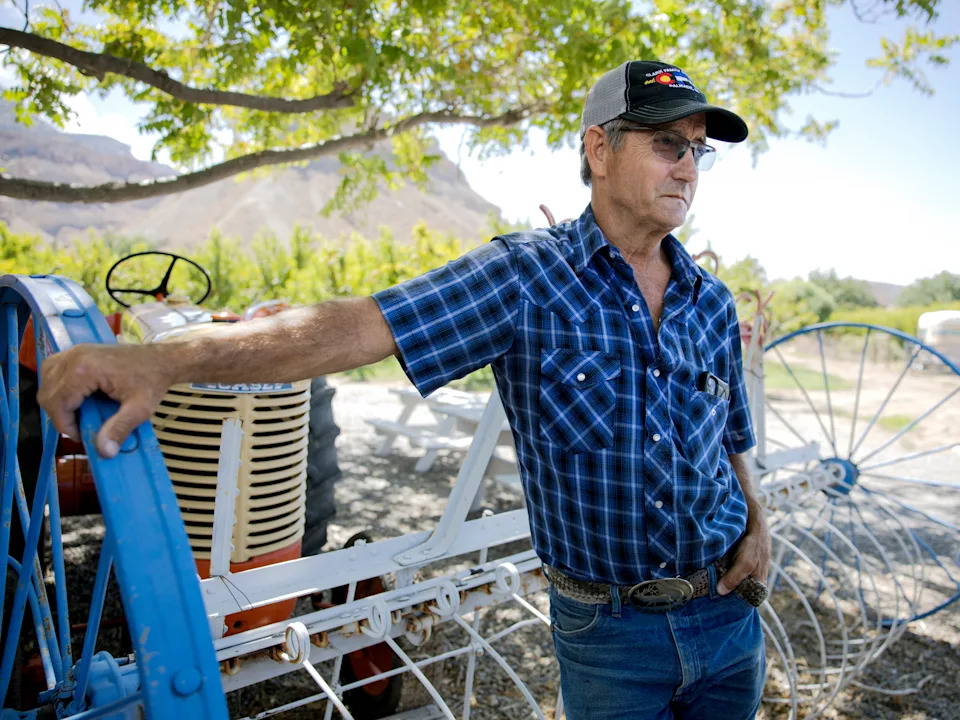
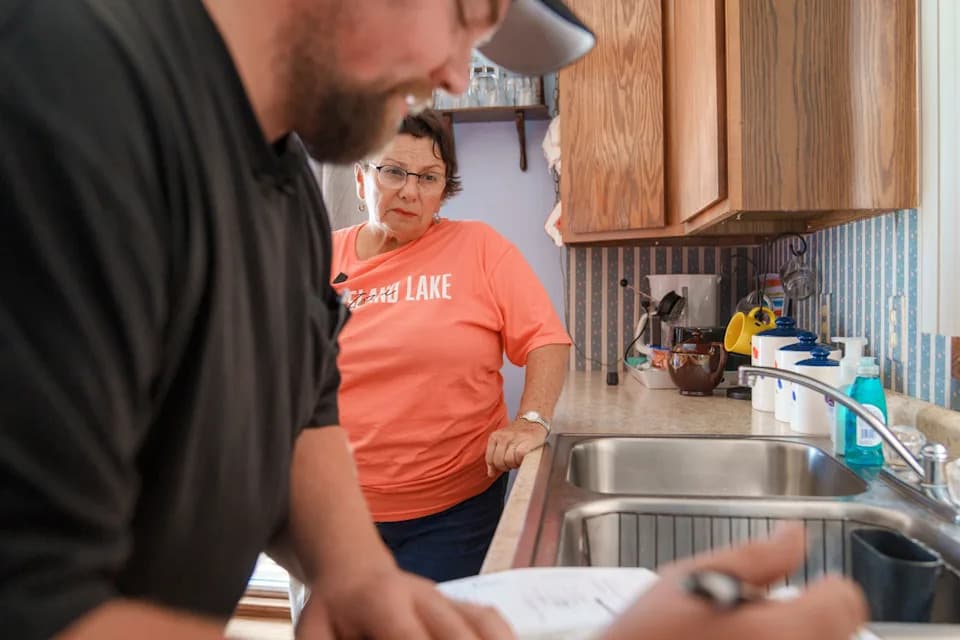
Water from the Colorado River is diverted at the Cameo Diversion Dam, top, and used to irrigate Palisade's nearly 300 peach orchards. Dennis Clark, above, a fifth-generation Palisade peach grower, is among the farmers who depend on the river's bounty. (Photos by Jacob Spetzler/For The Washington Post) -
A River Under Strain
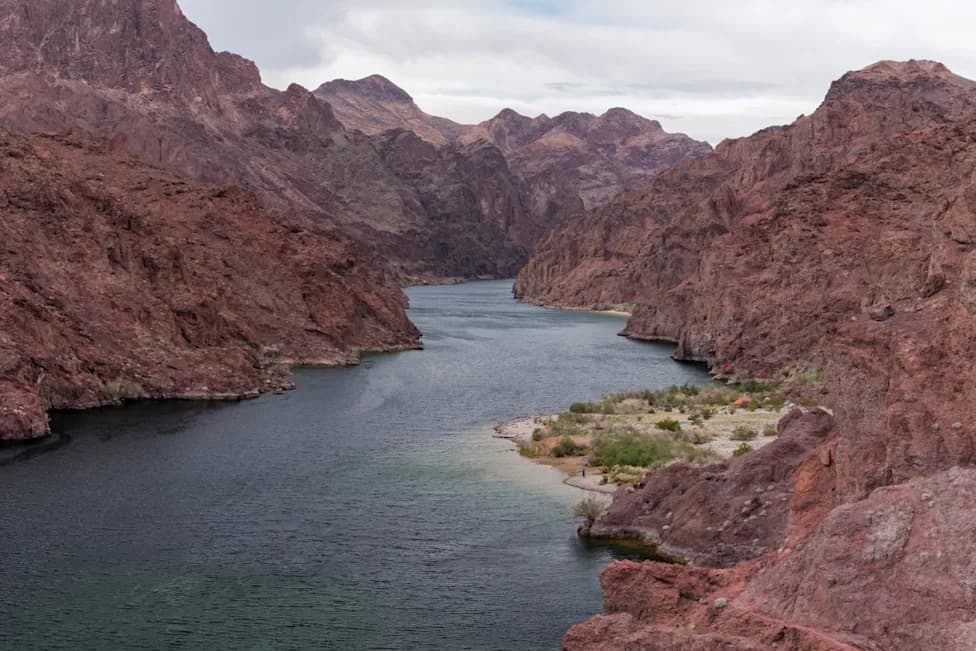
Now the same river that nourishes the valley is under unprecedented stress. A prolonged, multi-decade "megadrought," made worse by human-driven warming, produced Colorado's warmest winter in 132 years and the smallest recorded mountain snowpack. Basin flows are roughly 20 percent below 20th-century averages, reservoirs are drawn down by decades of overallocation, and managers warn of cascading infrastructure and ecological risks.
"If we don't have water," said Dennis Clark, a fifth-generation Palisade grower, "we're done."
Hard Choices And Early Cutoffs
This summer the gap between water demand and supply widened dangerously. Irrigation districts that serve many Palisade orchards cut deliveries before the season ended — a first in some districts' histories. The Orchard Mesa Irrigation District, one of the valley's more junior districts, announced a shutoff on Sept. 17, forcing growers into emergency measures to protect tree health and future yields.
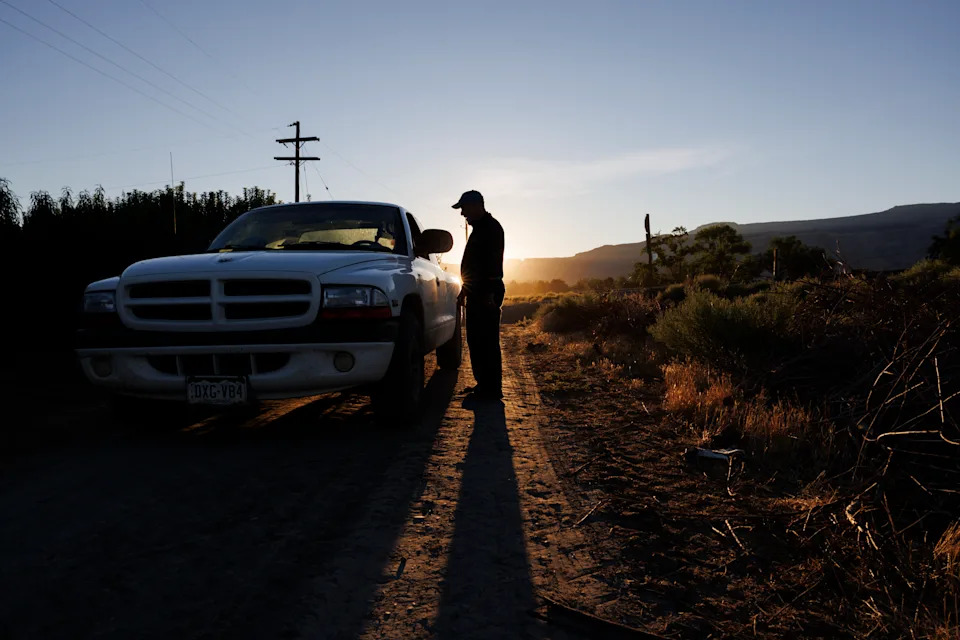
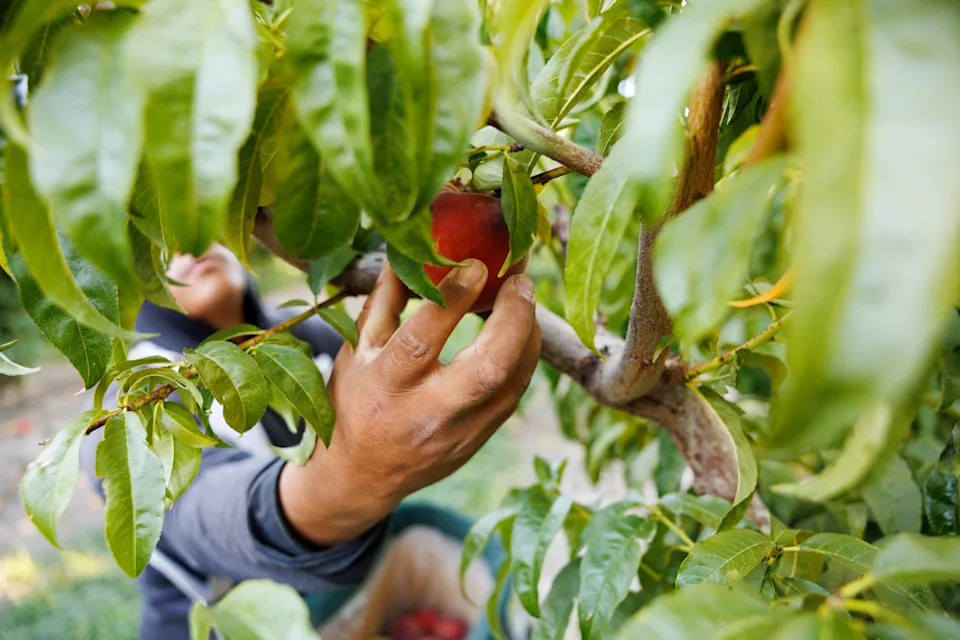
A worker picks a peach at Talbott Farms, top, one of the oldest and biggest orchards in Palisade. "We put out a good-quality fruit," said co-owner Bruce Talbott, above, silhouetted by the sun. "But we're farming on the edge all the time." -
Growers have adopted strategies to stretch supplies: aggressive pruning to reduce fruit load, switching annual crops to drought-tolerant varieties, and coordinated conservation among districts. But peaches tolerate little water rationing; too little irrigation at critical times can kill trees or depress production for years.
Politics, Law And Possible Futures
Complicating solutions is the "Law of the River," a byzantine set of agreements that allocates water largely by seniority of use. Senior rights historically protect many agricultural users in rural valleys while rapidly growing urban areas often hold more junior claims. With the system strained, experts increasingly say deep, sustained cuts are unavoidable — and because agriculture consumes roughly three-quarters of human water use from the Colorado, farming will likely shoulder much of the burden.
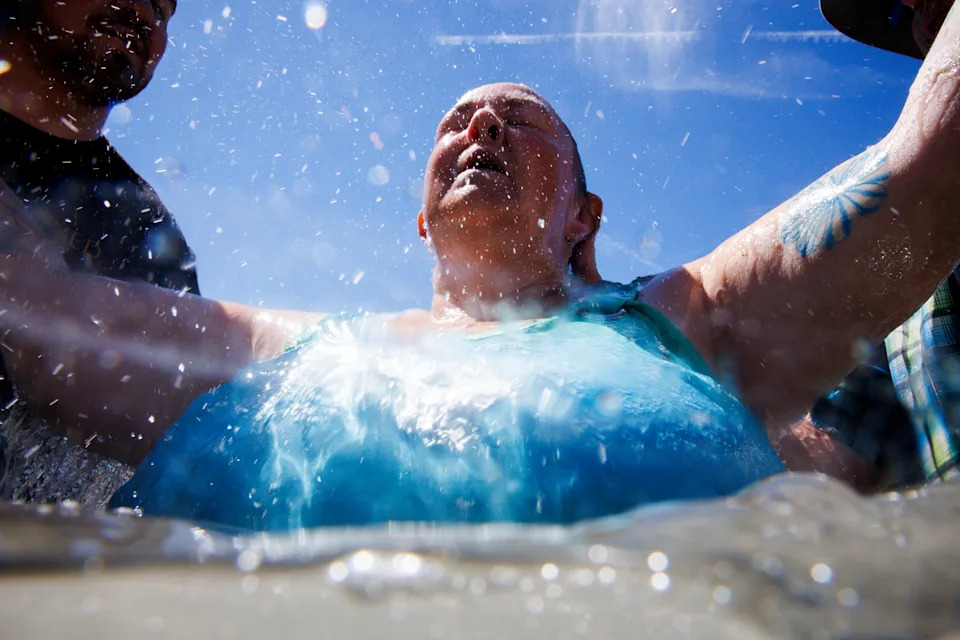
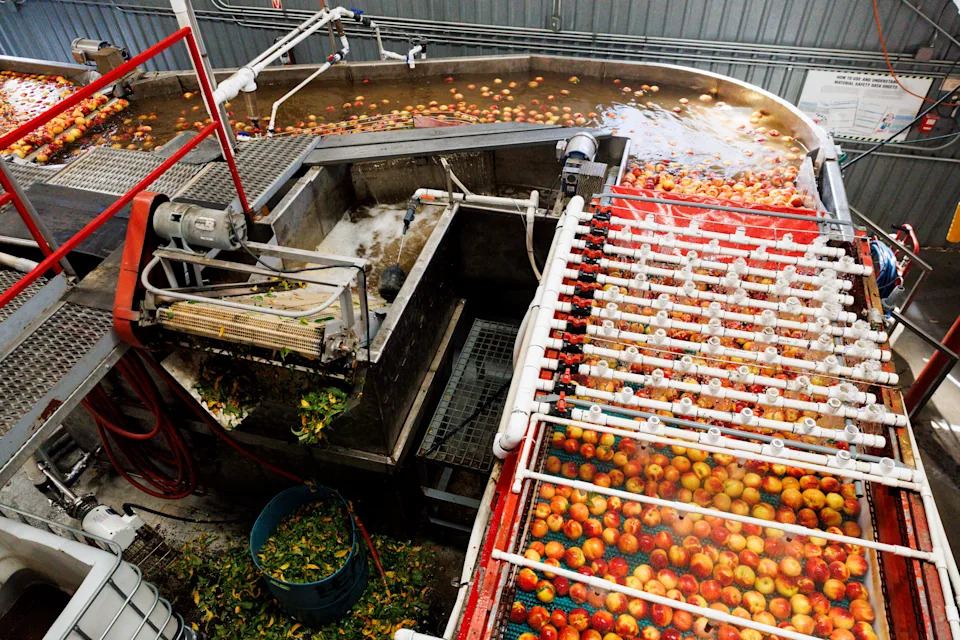
Peaches are washed at a Talbott Farms packinghouse, top, on the same day Harvest Chapel, a local church, holds a baptism in the Colorado River, above. -
Some states and programs already offer compensated fallowing — paying farmers to idle land for a season. A provocative report nicknamed "Dancing With Deadpool" warned that a few more poor snowpack years could push reservoirs toward operational collapse and suggested more drastic measures, including permanent federal buyouts of marginal agricultural lands to leave more water in natural flows.
Local Economy And Culture At Risk
The consequences go beyond harvests. Palisade's economy, identity and tourism are tightly linked to peaches and the river. River guides and outfitters have lost business as flows have dropped, fish and riverine ecosystems have been stressed by dewatered channels, and community rituals — from baptisms to Peach Days — are imperiled.
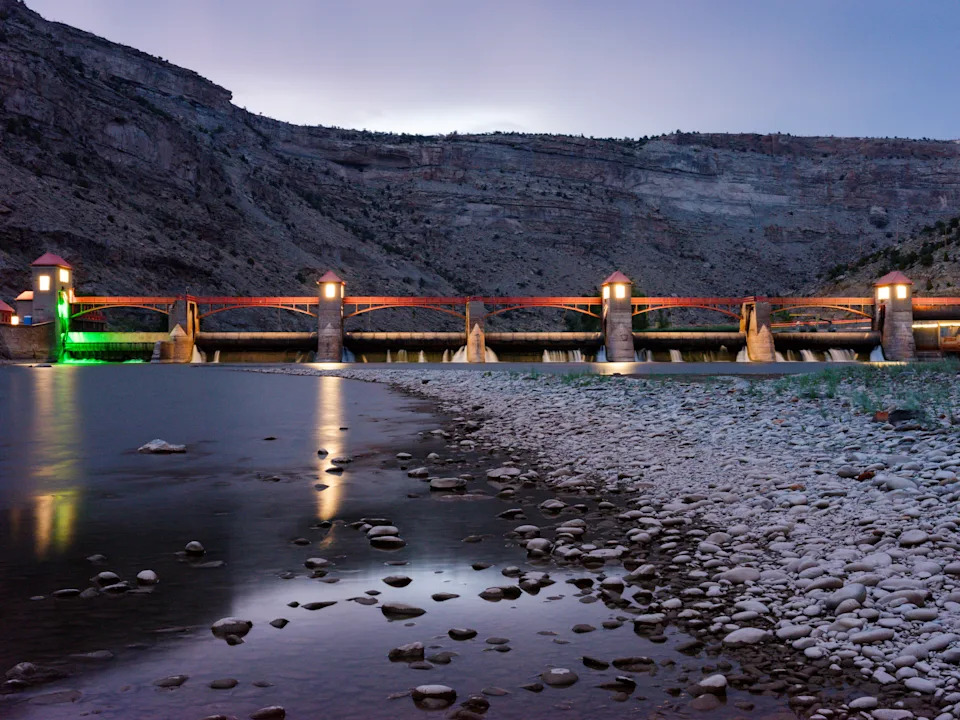
Palisade's Peach Days festivities draw thousands of visitors each August for live music and a hotly contested peach-eating contest, top. Residents say the dwindling flows from the Cameo Dam, above, threaten the orchards as well as the town's economy and culture. -
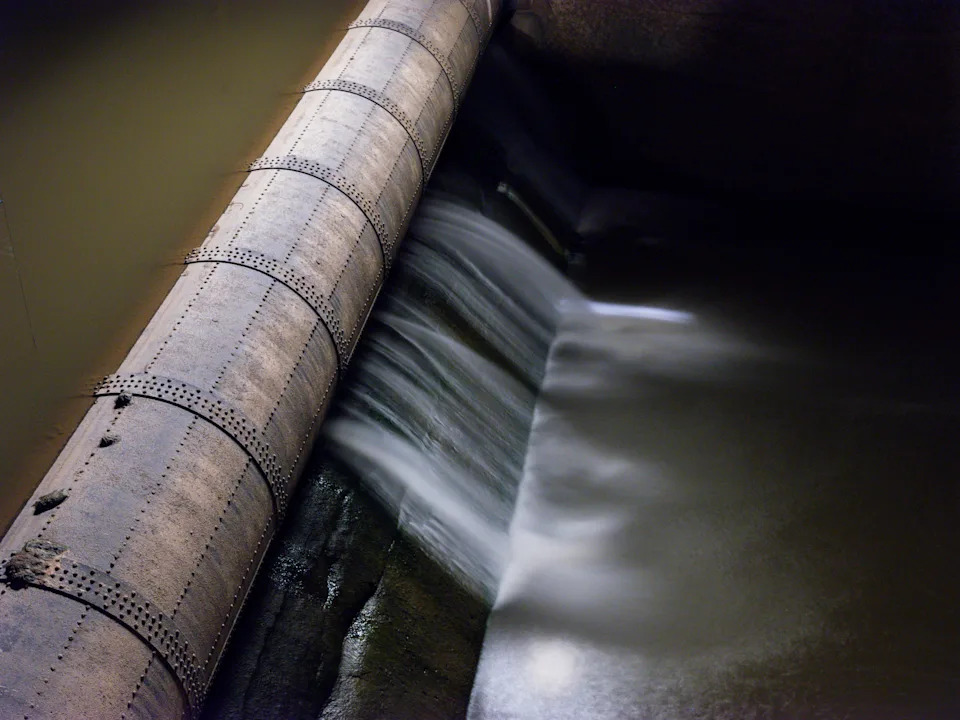
At the Cameo Diversion Dam, dam tender Eric Hergert watched canal and river levels fall. For now, there remains just enough water to serve the valley's most senior districts. But as Clark and other growers warn, if the river continues to shrink, the future of Palisade's orchards — and the town itself — may be unrecognizable.
What To Watch: hydrology reports this coming winter, basin negotiations among the seven Colorado River states, implementation of compensated-fallowing programs, and any federal or state proposals for long-term land-and-water buyouts.
Help us improve.