Key Takeaway: The Climate Impact Lab warns that the ongoing "Super El Niño" could raise global land temperatures by about 1.2°C (2.1°F) and be associated with roughly 451,000 heat-related deaths, including an estimated 239,000 fatalities in the next six months. The report highlights countries in Southeast Asia, Africa, South Asia and South America as especially at risk, and cautions that impacts depend on local vulnerability and preparedness. The UK Met Office calls the event "record-breaking," and California has declared a state emergency ahead of an intense storm season.
Scientists Warn Record 'Super El Niño' Could Drive Deadly Heatwaves, Projecting 451,000 Heat-Related Deaths

(Photo by Sveta via Pexels)
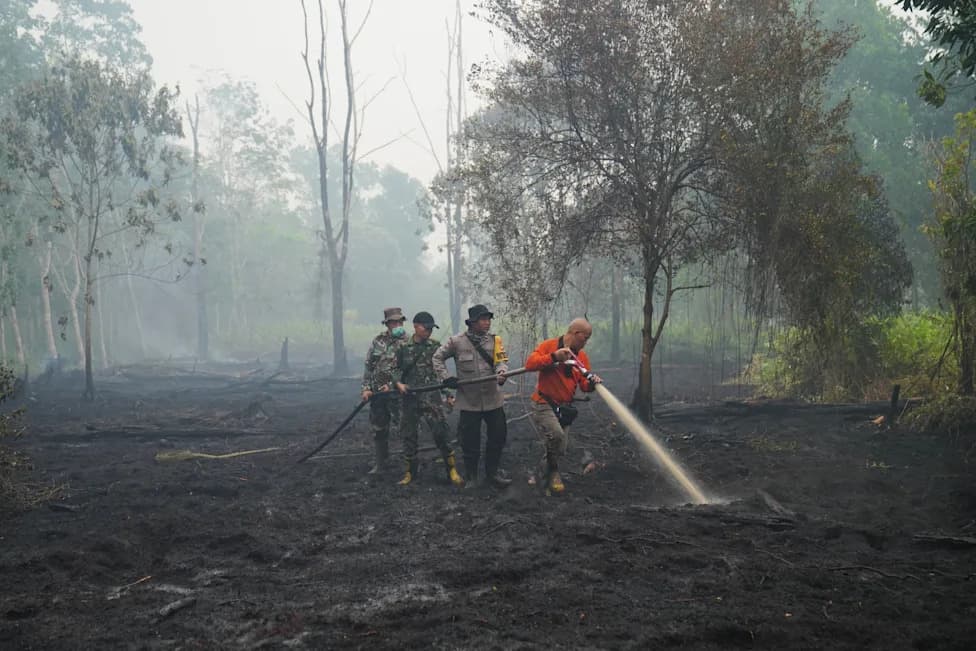
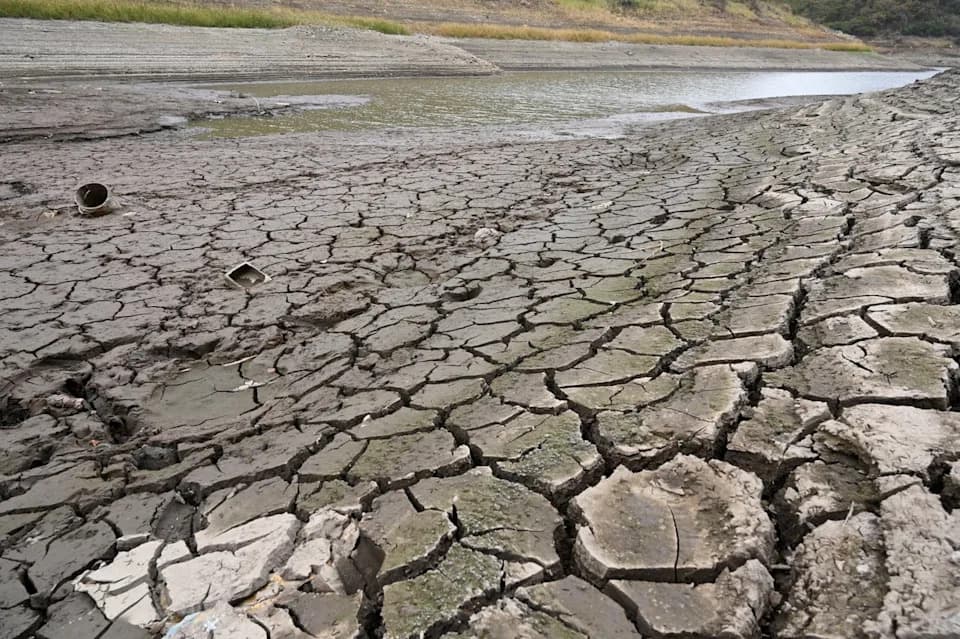
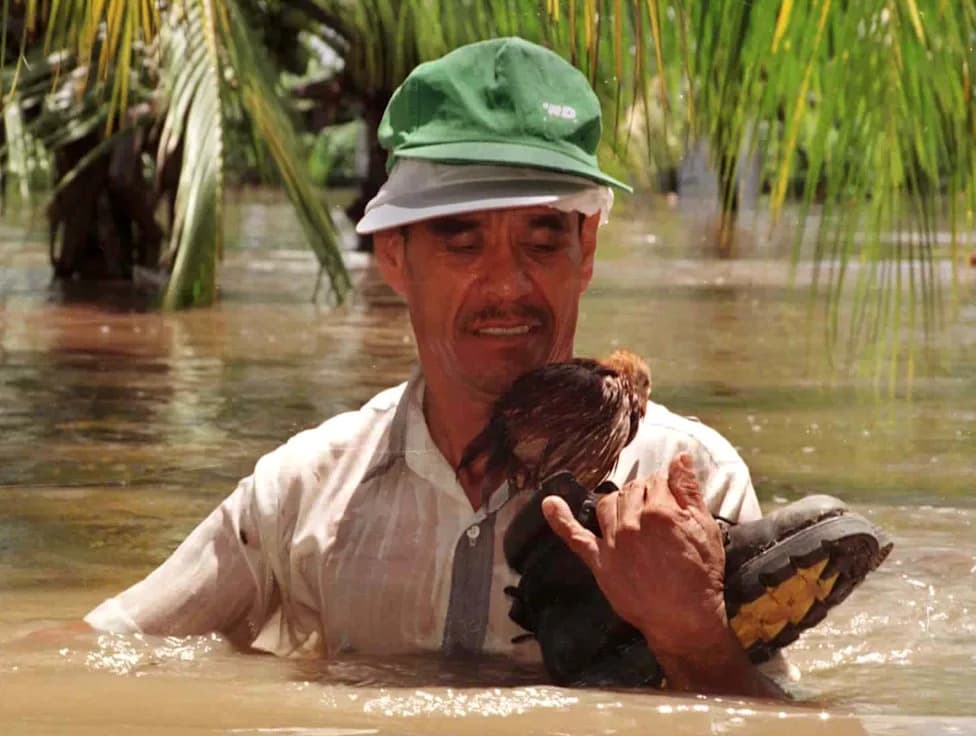
Scientists warn that the current record-strength "Super El Niño," which began in June, is likely to push global land temperatures sharply above normal and drive deadly heat and erratic weather over the coming months. A new analysis from the Climate Impact Lab estimates that the event could be linked to roughly 451,000 heat-related deaths overall, with about 239,000 fatalities expected within the next six months.
What the Analysis Shows
The Climate Impact Lab attributes much of the projected temperature spike to this El Niño episode and estimates global land temperatures may run about 1.2°C (2.1°F) above average in the near term. The report breaks down country and regional risks for the six-month window ending in February 2027 (while noting the event may persist into spring 2027):
(Photo by Pok Rie via Pexels)
- Philippines, Vietnam, Thailand and Cambodia (combined): 19,400 deaths
- Indonesia: 19,300 deaths
- Sudan: 17,500 deaths
- Nigeria: 15,400 deaths
- India: 15,800 deaths
- Brazil: 13,300 deaths
- Niger: 10,000 deaths
- Chad: 8,000 deaths
Context and Uncertainty
The United Nations explains El Niño as a natural phase of ocean warming that alters atmospheric circulation and influences weather worldwide, often bringing heatwaves, droughts, heavy rains and storms. Experts caution that while the Climate Impact Lab's projections highlight significant risk, they are modeled estimates and subject to uncertainty, including how local vulnerability, health systems and emergency responses affect outcomes.
"We have been signaling for months that the developing El Niño will be an unprecedented event," said Adam Scaife, head of long-range prediction at the UK Met Office. "The fact that it has already exceeded previous records — with several weeks to go before it peaks — shows the enormity of this El Niño."
Regional Impacts and Preparations
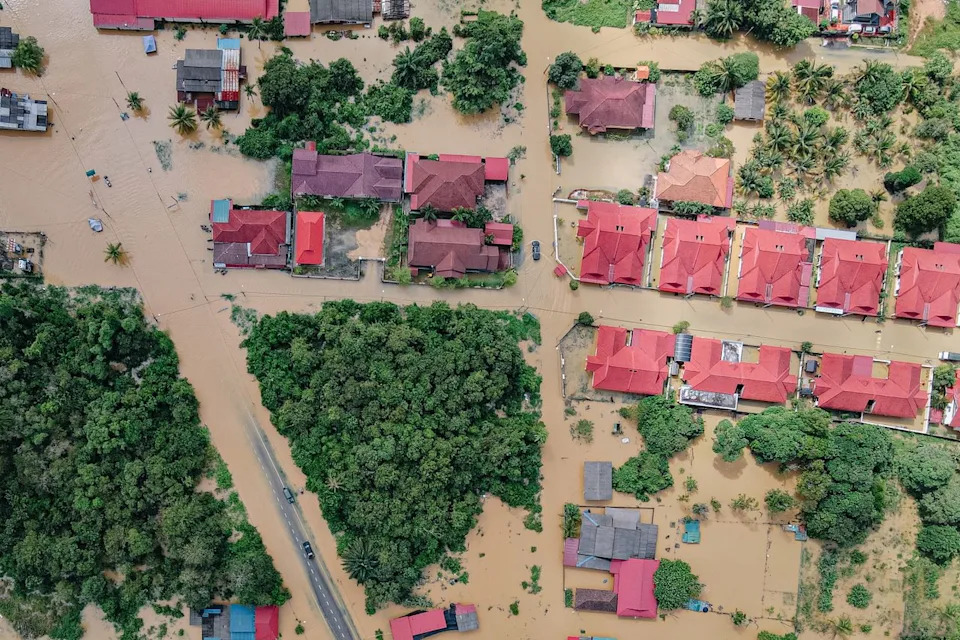
The Met Office has called the evolving El Niño "record-breaking" and predicts wetter, stormier conditions for parts of the UK this autumn and early winter, along with an elevated risk of cold snaps in some areas. In the United States, California Governor Gavin Newsom declared a state emergency ahead of a potentially hazardous storm season linked to El Niño, warning of heavy rain, strong winds, mountain snow, flooding and landslides.

(Photo by Atlantic Ambience via Pexels)
Why This Matters
Researchers emphasize that El Niño's effects can be amplified by long-term climate change, increasing risks especially for vulnerable populations in low- and middle-income countries with limited adaptive capacity. The projected death toll underscores the importance of early preparedness, heat-health action plans, and international support to reduce vulnerabilities.
Note: All figures in this article are based on the Climate Impact Lab's analysis and public statements from the Met Office and other agencies; estimates are model-based and include inherent uncertainties.
Help us improve.