In an exclusive interview, President Recep Tayyip Erdogan accused Israeli leaders of promoting a "misguided narrative" that paints Türkiye as a regional threat, a trend he links to Israel's domestic politics and elections. He defended Ankara's stance on Syria, condemned Israeli strikes as undermining Syrian sovereignty, and highlighted unexplained blasts at Syrian arms depots. Erdogan urged diplomacy within NATO to avoid confrontation and stressed that Türkiye manages its U.S. relationship bilaterally.
Exclusive: Erdogan Accuses Israel Of Pushing 'Misguided' Narrative That Portrays Türkiye As A Threat
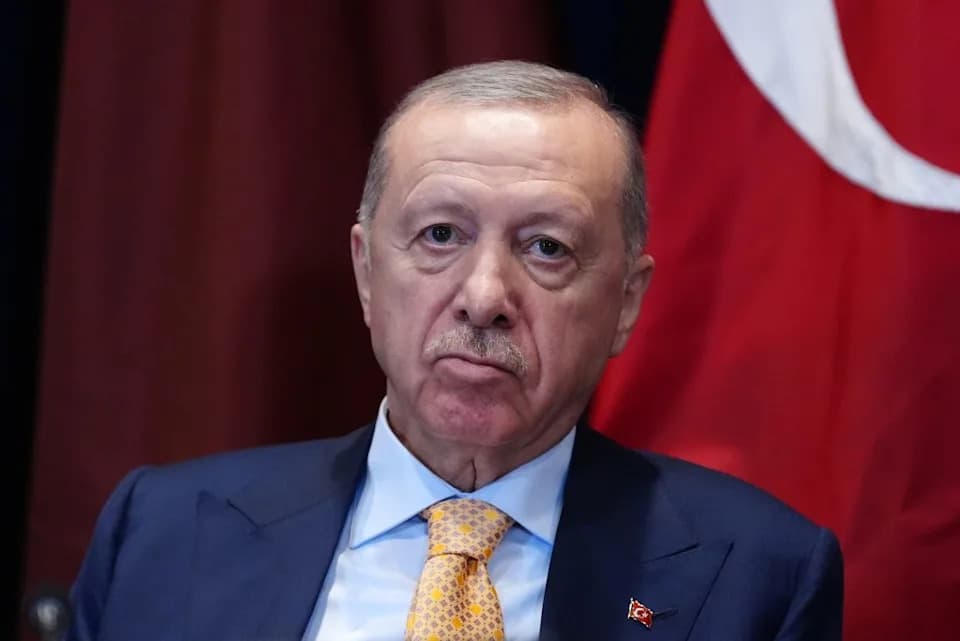
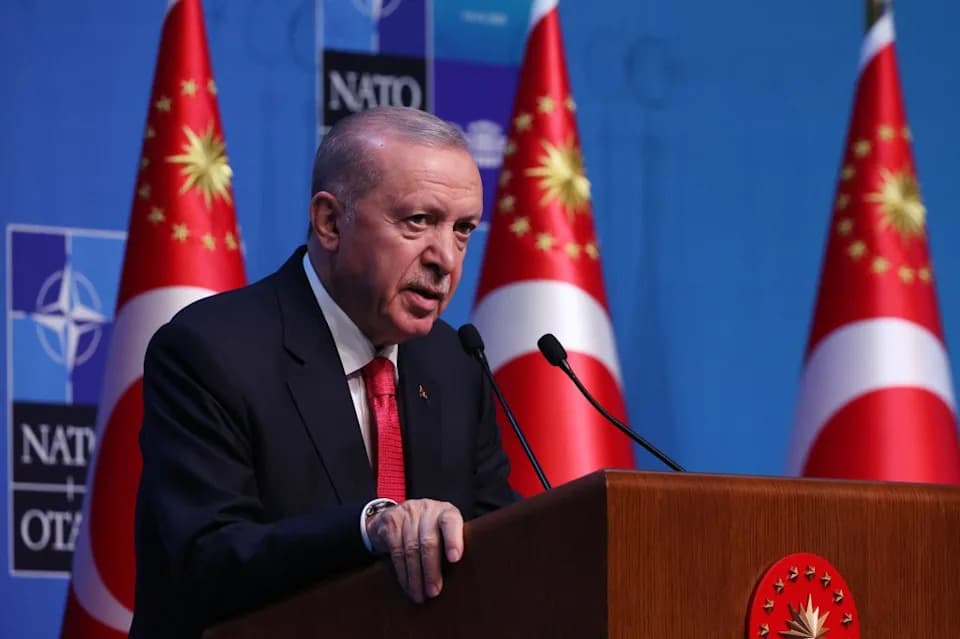
Turkish President Recep Tayyip Erdogan listens during a meeting with President Donald Trump at a multilateral meeting with the Gulf Cooperation Council during the United Nations General Assembly, September 22, 2026, in New York.
In an exclusive Newsweek interview, Turkish President Recep Tayyip Erdogan accused Israeli leaders of promoting a "misguided narrative" that casts Türkiye as a rising regional threat. Erdogan said this portrayal is driven in part by Israeli domestic politics and the current electoral climate, and he rejected the idea that Ankara seeks to destabilize the region.
Erdogan: Rhetoric Tied To Israeli Politics
"Recently, a misguided narrative aimed at portraying Türkiye as a new source of threat has been fueled in Israel," Erdogan told Newsweek. "We consider this rhetoric to be linked to Israel's domestic political dynamics and the electoral climate."
While acknowledging "serious differences of opinion with the Israeli government on many issues," Erdogan emphasized that Türkiye has "no hostility toward the Israeli people or toward any other society." He framed Ankara's objections as policy-based, saying Turkey opposes actions it views as contrary to international law or that deepen regional instability.
Tensions Over Syria
One of the clearest flashpoints between Ankara and Jerusalem is neighboring Syria. Erdogan said he was an early backer of the administration installed in Damascus after a rapid rebel offensive and that his influence helped shape U.S. recognition of that government. He accused Israel of mounting strikes that undermine Syrian sovereignty and complicate efforts to restore stability.
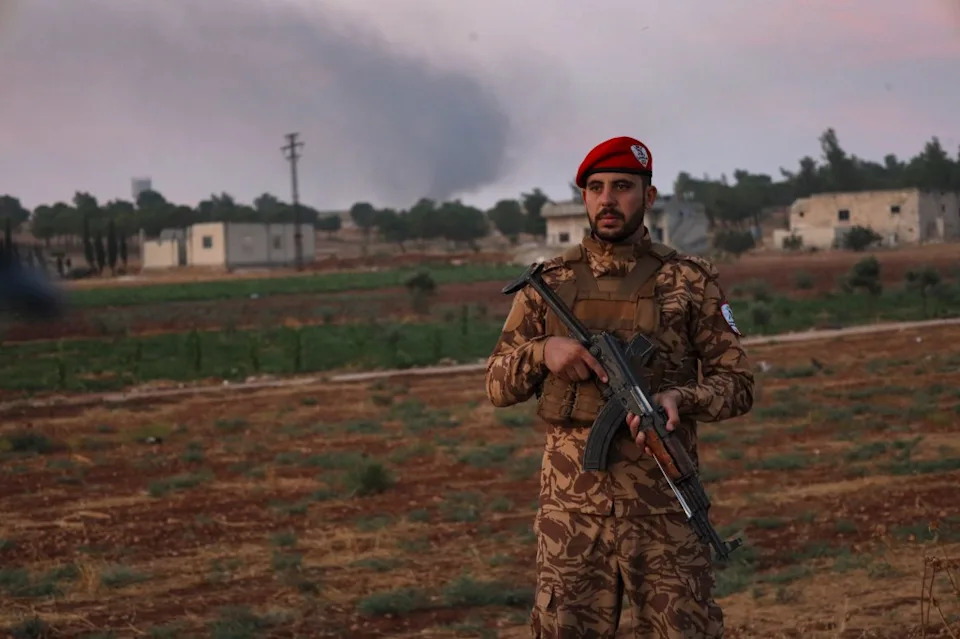
A Syrian military police officer stands guard as smoke rises in the distance following explosions at an army weapons depot in the Al-Hadaba area near Aleppo, Syria, on September 21, 2026.
Reports cited in the interview said Israeli airstrikes hit the Abu al-Duhur air base in northern Idlib hours after a reported departure of a Turkish military delegation, prompting strong condemnation from Ankara. Since then, a series of unexplained explosions has damaged arms depots across Syria, the latest taking place in Aleppo.
"Our approach to Syria is clear," Erdogan said. "We want Syria's sovereignty, territorial integrity and national unity to be preserved. It is in the interest of our entire region for the country to recover, strengthen its state institutions and enhance its capacity to combat terrorism."
Eastern Mediterranean And Defense Alignments
The rivalry extends to the Eastern Mediterranean. Weeks after Türkiye signed the Mecca Joint Defense Agreement with Pakistan and Saudi Arabia, Israel finalized a major defense deal with Greece to build an "Achilles' Shield" multilayered system that would cover Greek territory, including Aegean islands near Turkey's coast. Erdogan criticized the deal but stressed that bilateral partnerships are sovereign choices while warning Ankara will monitor actions that could threaten its security.
Diplomacy, NATO And The U.S. Dimension
Erdogan urged diplomacy over confrontation within NATO, calling for a "360-degree approach to security" that reduces tensions and is grounded in international law. He dismissed framing Türkiye–U.S. ties through the prism of third countries and described Ankara's relationship with Washington as direct and multifaceted—covering defense industry cooperation, trade and regional security.
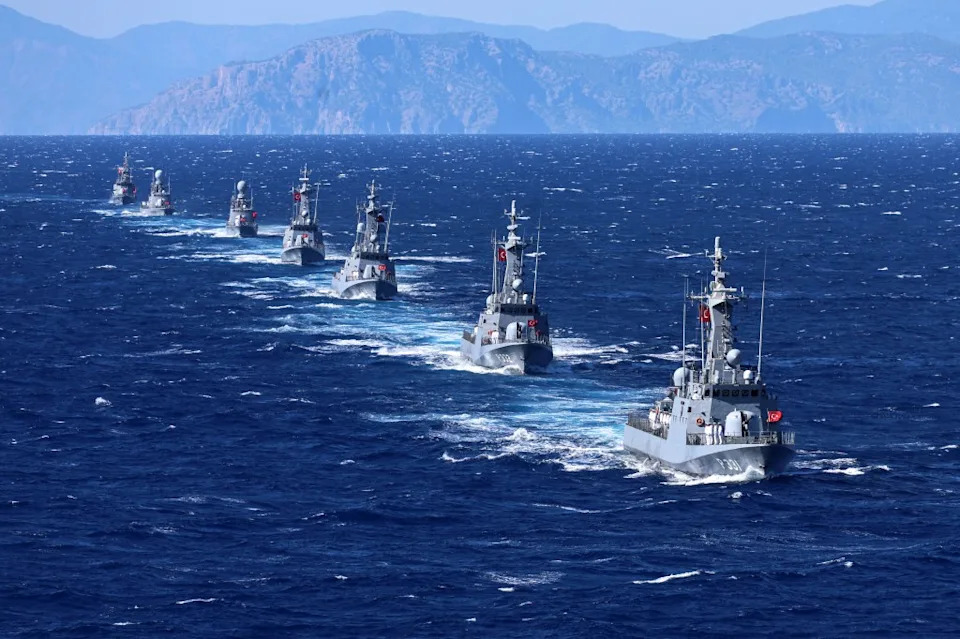
Turkish Navy's Kilic-class fast attack craft participate in a ceremonial parade during the Denizkurdu-I/2026 Exercise in the Eastern Mediterranean, off the coast of Aksaz, at Marmaris in Mugla, on September 24, 2026.
Although both Erdogan and Israeli Prime Minister Benjamin Netanyahu have cultivated ties with former President Donald Trump, Erdogan said Türkiye defines its U.S. relationship bilaterally and continues to discuss issues like Iran, Gaza and defense procurement directly with Washington.
(Photo caption retained as relevant reporting detail: Turkish President Recep Tayyip Erdogan listens during a meeting with President Donald Trump at a multilateral meeting with the Gulf Cooperation Council during the United Nations General Assembly, September 22, 2026, in New York.)
The interview underscores growing strategic competition in the region but also Erdogan's repeated calls for diplomatic engagement to prevent escalation.
Help us improve.