The UN Security Council session on Syria's transition turned into a sharp exchange as Syria, Israel and Turkiye traded accusations over foreign military presence. Syria's UN envoy Ibrahim Olabi called Israeli actions "the greatest threat" to regional stability and cited a 44-nation declaration condemning an Israeli visit to Jabal al-Sheikh. Israel's ambassador accused Turkey of deploying some 20,000 troops and more than 100 bases in Syria, while Turkey said its forces are present at Damascus's invitation and urged Israeli de-escalation.
Syria Calls Israel 'Greatest Threat' to Regional Stability as UN Session Erupts Over Foreign Troops
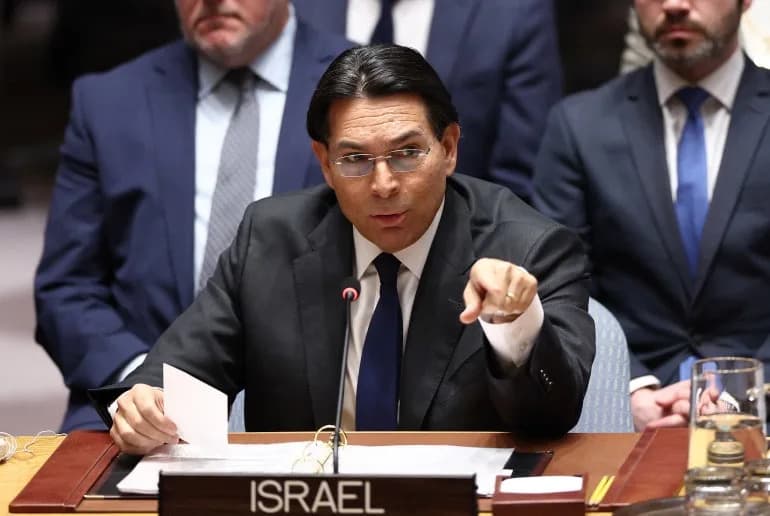
Permanent Representative of Israel to the UN Danny Danon at a UNSC meeting at UN headquarters in New York City [File: AFP]
The United Nations Security Council's monthly session on Syria's post-Assad transition on Thursday devolved into a heated exchange as Syria, Israel and Turkiye accused one another of unlawful military activity on Syrian soil.
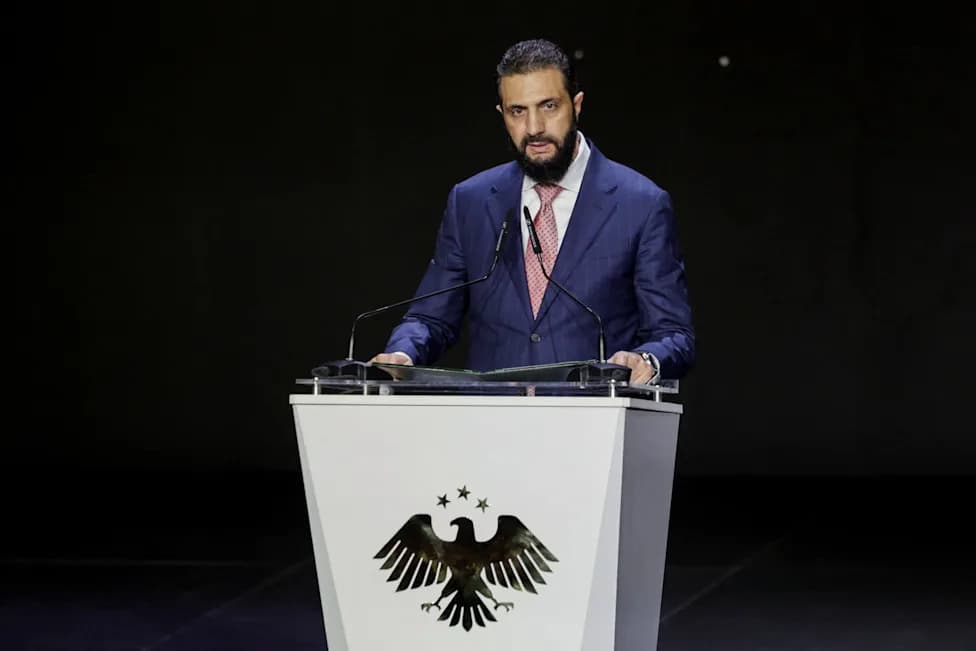
Syria's Permanent Representative to the UN, Ibrahim Olabi, opened by saying he had hoped to highlight Syria's progress but felt compelled to address what he described as repeated Israeli actions inside Syria. According to a UN summary of the meeting, Olabi accused Israel of "penetrating our villages, displacing our people, bombed our facilities" and responding to mediation efforts with "air strikes, incursions and violations."
"Israel penetrated our villages, displaced our people, bombed our facilities while we chose to spare the region further suffering."
Olabi warned that Israeli operations represented "the greatest threat facing the stability of the entire region, not just Syria," and referenced an emergency declaration signed by 44 nations condemning an Israeli leadership visit to Jabal al-Sheikh inside Syrian territory on September 9 as an unlawful act.
Israel's UN ambassador, Danny Danon, rejected the portrayal of Israel as the principal destabilizing actor and shifted attention to Turkiye's military footprint in Syria. Danon claimed Ankara intended to expand its presence and influence in Syrian territory.
"If Israel's tiny defensive buffer is considered a threat to Syrian stability, then what about a foreign power that controls a much larger portion of Syrian territory and is building its military presence there? I am talking about Turkiye."
Danon cited figures — saying Turkey deploys some 20,000 troops and maintains more than 100 bases in Syria, controlling an estimated 5 percent of the country — and accused Ankara of following an "Iranian proxy playbook." These numbers were presented by the Israeli representative during debate and have not been independently verified in the UN summary.
Turkey's Ambassador to the UN, Ahmet Yildiz, strongly rejected Israel's characterisation and said Turkish forces in Syria were present at Damascus's invitation. Yildiz accused Israel of "reckless attacks" and urged Israeli de-escalation and withdrawal.
"We categorically reject Israel's attempts to smear Turkiye's legitimate cooperation with Syria and portray it as a threat in an effort to justify its own violations of international law."
At the session's close, Syria's representative expressed frustration with the focus on proxy dynamics and said such arguments should no longer dominate discussions about the country. The UN meeting underscored persistent regional divisions over foreign military presences in Syria and conflicting narratives among member states.
Note: Numbers and territorial claims cited by delegates reflect statements made during the UNSC meeting and have not been independently verified by the UN summary referenced in this report.
Help us improve.