The Fort Yuma Quechan Tribe is opposing the proposed 500‑kV Ironwood transmission line because the preferred route would cross the Cargo Muchacho Mountains (Avi Kwa Suen), which the Tribe considers sacred. Horizon West Transmission says the line would relieve grid congestion for the Los Angeles and San Diego areas and improve reliability near Yuma, but tribal leaders and Protect Kw'tsán say cultural resources along the northern route make it unacceptable. The California Public Utilities Commission has opened a CEQA review; public comments are due by 5 p.m. on September 21, with a draft EIR expected in Q3 2027 and a final EIR in early 2028.
Quechan Tribe Opposes Ironwood 500‑kV Line That Would Cross Sacred Avi Kwa Suen
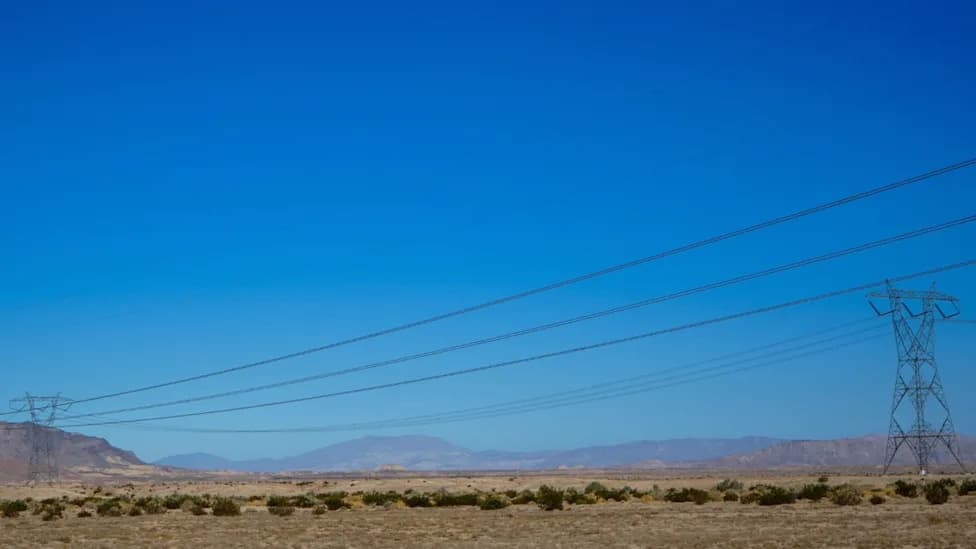
Photo Credit: Ironwood Transmission Line
The Fort Yuma Quechan Tribe is formally opposing the proposed 500‑kilovolt Ironwood transmission line because the preferred alignment would cross land the Tribe regards as sacred—most notably the Cargo Muchacho Mountains, known in the Quechan language as Avi Kwa Suen.
What Is Proposed
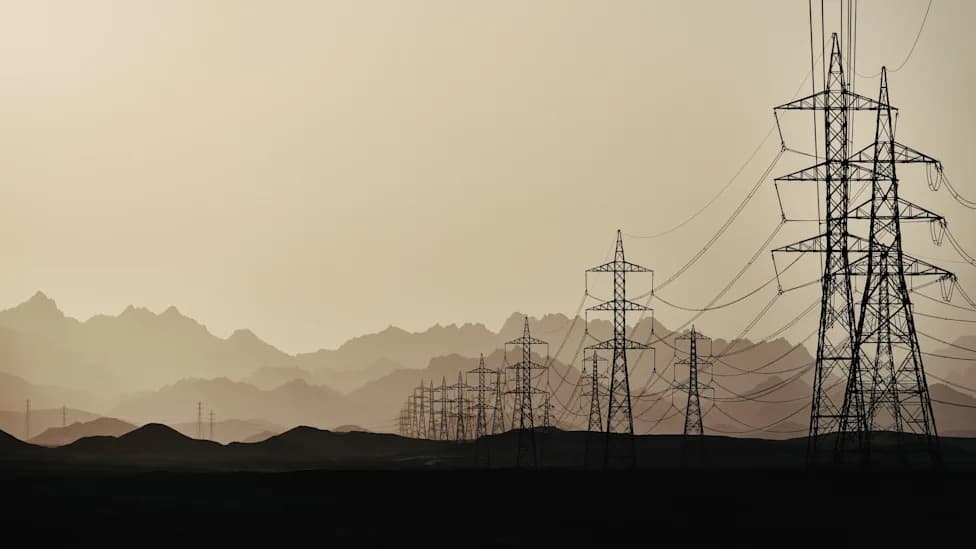
The project, led by Horizon West Transmission (a NextEra Energy subsidiary), would start at the North Gila Substation near Yuma, turn north to cross the Colorado River near Imperial Dam, then proceed west just north of the Fort Yuma Quechan Reservation and cut through the Cargo Muchacho Mountains before traversing Imperial County.
Tribal Concerns
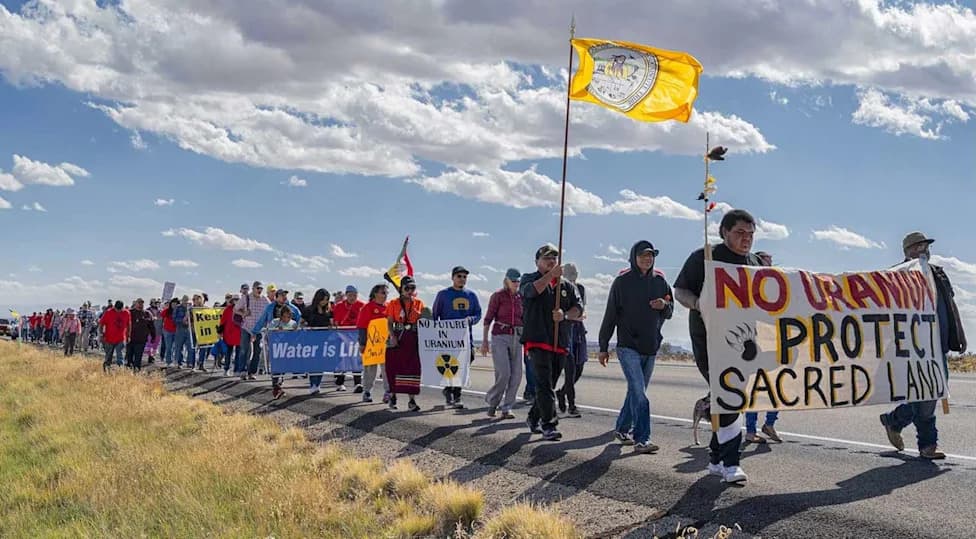
Tribal leaders say the stretch through Avi Kwa Suen carries deep cultural and spiritual significance and should not be disturbed. Manfred Scott, acting chairperson of the Tribe's cultural committee, has said the mountains are central to the community's cultural and spiritual life and are at the heart of the Tribe's objection.
Manfred Scott, Acting Chairperson, Quechan Cultural Committee: Avi Kwa Suen Is Central To Our Community's Cultural And Spiritual Life.
Company Position And Consultation
Horizon West argues the Ironwood line would ease grid congestion that affects Los Angeles and San Diego and would improve reliability for communities around Yuma. Company representatives met with Quechan officials eight times between June 2023 and April 2025. Their own cultural‑resources study identified culturally sensitive sites along parts of the preferred route, and tribal leadership formally rejected any northern alignment in December 2024.
Alternatives Considered
Horizon West considered alternative corridors that would run through or south of Yuma—following the Colorado River and passing near Interstate 8—but ultimately abandoned those options. The company cited nearby and planned development, airport and transportation constraints, and difficulty securing the land rights necessary for construction.
Regulatory Process And How To Comment
The California Public Utilities Commission has opened a CEQA review and will prepare an environmental impact report (EIR). A draft EIR is currently scheduled for the third quarter of 2027, with a final EIR expected in early 2028. Because portions of the proposed line cross federal land, approvals from Arizona and federal agencies will also be required.
Comments sent to [email protected] by 5 p.m. on September 21 will be entered into the official record. Protect Kw'tsán, a group led by Quechan members, is urging regulators to reassess the discarded river/southern corridors and to give the Tribe a formal role in the review process.
Context
The Ironwood dispute highlights broader debates over where energy infrastructure is sited and who bears its cultural, environmental, and economic costs. Similar conflicts over transmission routes, tribal access to power, rail permitting, and major renewable projects are unfolding across the western United States.
Help us improve.