Oncor's proposed nearly 200‑mile, 765‑kV Big Hill transmission line has drawn pushback from landowners and some lawmakers who say the route threatens homes, schools, waterways and parks. The project stems from House Bill 5066 (2023) and a PUC decision in April 2025 to adopt 765 kV as a planning standard after ERCOT analysis. Critics say notice to affected owners was inadequate and worry about wider easements and EMF exposure, while Oncor warns the line is needed to prevent load shedding in West Texas. The dispute highlights tensions over property rights, public health and utility planning.
Texas Landowners, Lawmakers Clash With Oncor Over Proposed 200‑Mile 765‑kV 'Big Hill' Transmission Line
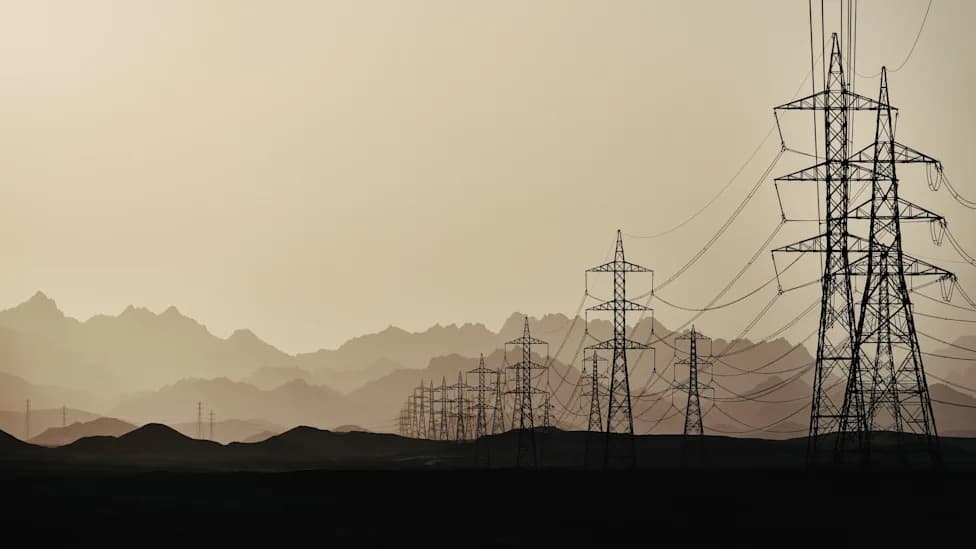
Photo Credit: iStock
Resistance is growing in Texas to Oncor's proposed nearly 200‑mile Big Hill transmission project, which would be built at a 765‑kilovolt (kV) voltage level. Landowners and some state lawmakers argue the planned route would cross private property, residences, schools, waterways and state parks, and they say many affected residents have had little meaningful notice or input.
Background
The project traces to House Bill 5066 (2023), which directed the Public Utility Commission (PUC) to study long‑range grid infrastructure needs with attention to the Permian Basin. In April 2025 the PUC adopted a statewide transmission plan that uses 765 kV as a planning standard. Texas currently has no operating transmission lines at that voltage, and the PUC said its decision followed analysis from ERCOT and other stakeholders on how best to expand the grid.
What Opponents Say
State Representative Brad Buckley and multiple landowners say the Big Hill Line has grown beyond initial expectations and that many property owners have been notified too late to secure legal counsel or meaningfully weigh in. Opponents emphasize that 765‑kV corridors can carry significantly more power than the 138‑kV lines common in Texas and require substantially wider easements that take more private land out of productive use.
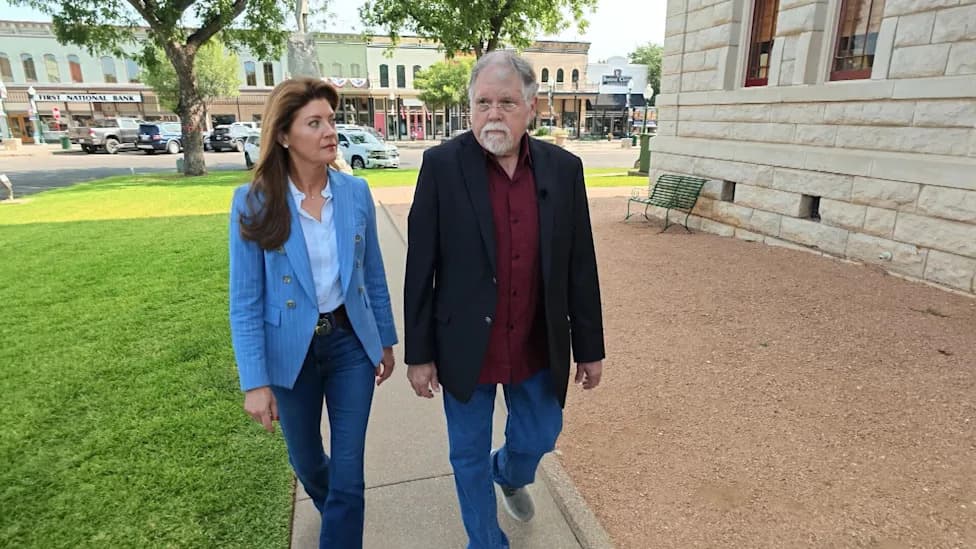
Local landowner Erik Gulbranson told reporters his family received notice of the planned route less than a month before a scheduled hearing, by which time many attorneys were already committed to clients who had been notified earlier. He also said his home could end up roughly 300 feet from the line and expressed concern about long‑term electromagnetic field (EMF) exposure.
'The applicants and the doctors that they pay say that the EMF from these lines are safe for our children, but there are no long term U.S. studies,' Gulbranson said. 'Our children would become the study.'
Oncor's Position
Oncor and its representatives argue the Big Hill Line is essential to avoid reliability problems in far West Texas. At a House State Affairs Committee hearing, Oncor representative Jaren Taylor warned of a 'very real risk of load shed in far West Texas, that means the lights going out,' and said 765‑kV projects are a solution to that risk.
Key Concerns
- Procedural: Critics say notice and outreach to landowners have been inadequate and that the process has favored early‑notified property owners.
- Property Rights: Wider easements for 765‑kV lines would consume more private land and may restrict future land uses.
- Health & Environment: Residents raise questions about long‑term EMF exposure and potential impacts on waterways, wildlife habitat and parks along the route.
- Grid Planning: Supporters point to ERCOT and PUC analyses suggesting higher‑voltage transmission may be necessary to meet growing demand and avoid outages.
What Comes Next
The dispute is likely to continue through regulatory hearings, potential legal challenges and further public comment. The Big Hill fight reflects a broader national debate about how large infrastructure projects balance system reliability, environmental impacts and individual property rights.
Help us improve.