The European Commission has proposed rules requiring data centres with an installed capacity of 500 kW or more to disclose energy and water efficiency under an EU labelling system. The label would increase transparency on efficiency metrics, local water stress and waste-heat reuse but would not immediately cap consumption or force disclosure of total power draw. The move supports planned capacity growth for AI while aiming to limit strain on grids, water resources and CO2 emissions. Member states and EU lawmakers have two months to object before the draft takes effect.
EU Proposes Efficiency Labels for Data Centres to Curb Energy and Water Use
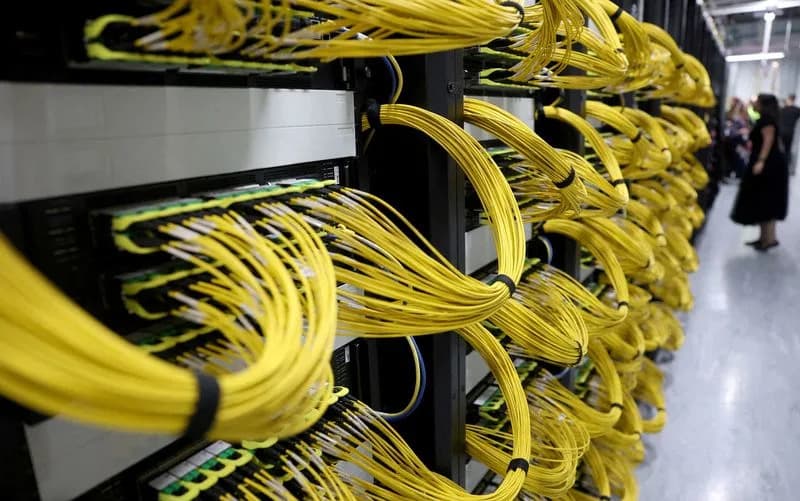
FILE PHOTO: Racks for data servers, GPUs and CPUs inside the Nebius AI UK data centre, a new facility hosting NVIDIA and other computer firms, at Ark Data Centres, in Chertsey, Britain, November 6, 2025. REUTERS/Toby Melville//File Photo
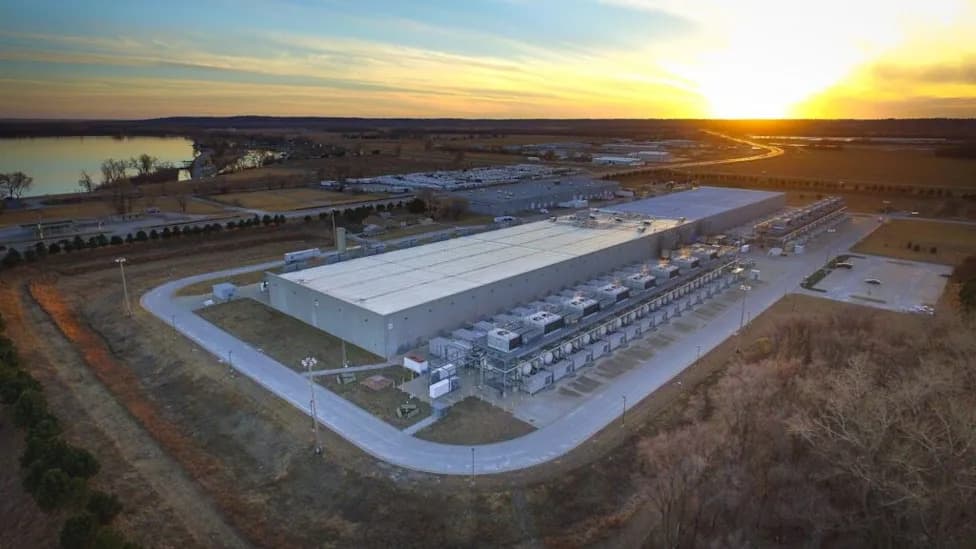
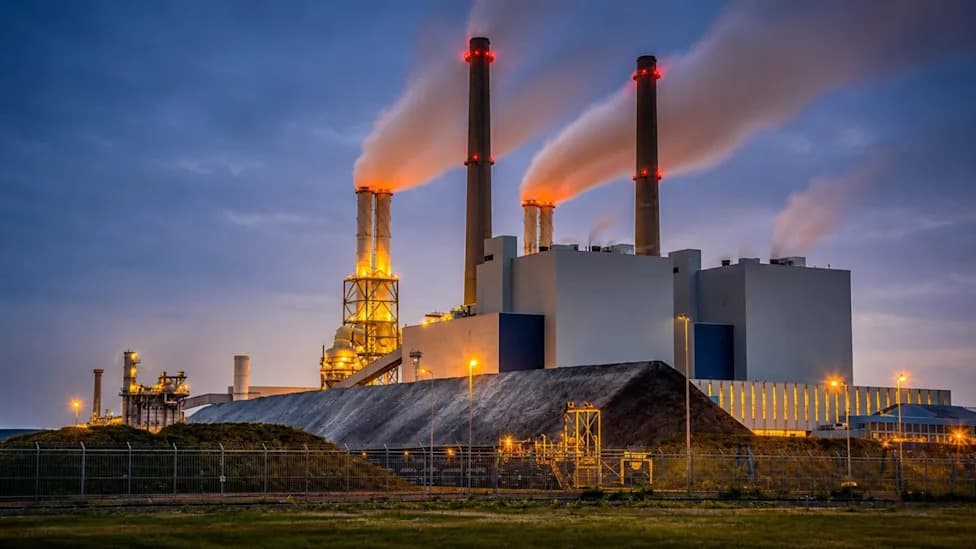
BRUSSELS — The European Commission on Monday proposed new rules requiring data centres across the EU to disclose how efficiently they use energy and water via an EU-designed labelling system. The initiative aims to support planned expansion of capacity for artificial intelligence while limiting strain on electricity grids, protecting local water resources and reducing CO2 emissions.
What the proposal would do
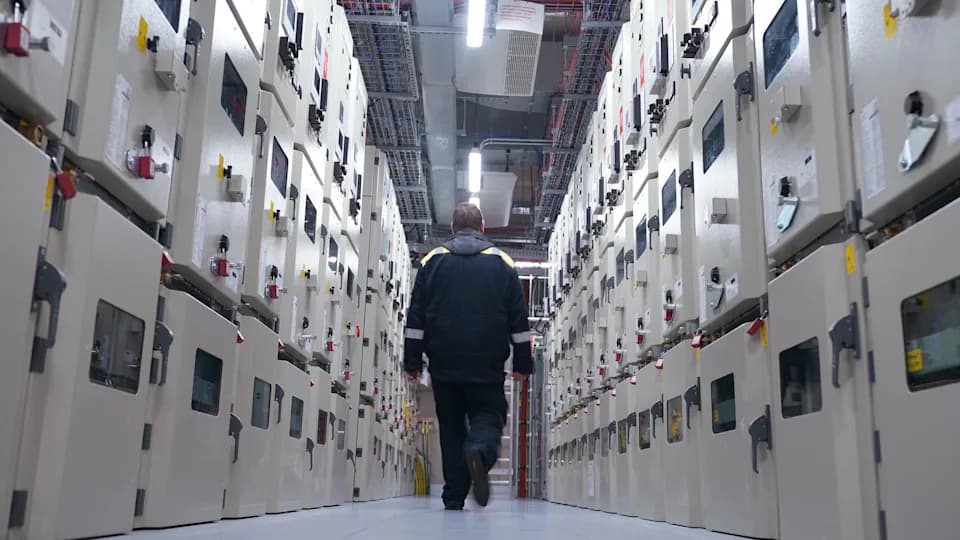
Operators of data centres with an installed capacity of 500 kW or more would have to publish standardized information about their energy and water efficiency. The proposed label focuses on transparency of efficiency metrics and related impacts: it would require firms to report on energy and water performance, the relationship between their water use and local water-stress levels, and whether they can provide services to the local energy system (for example, by reusing waste heat).
Limits Of The Label
The scheme would not impose immediate binding caps on energy or water consumption, nor would it require centres to disclose total power draw. Instead, regulators intend the label to steer customers, investors and planners toward more efficient facilities and to serve as a precursor to possible mandatory minimum standards that the EU is still developing.
Why It Matters
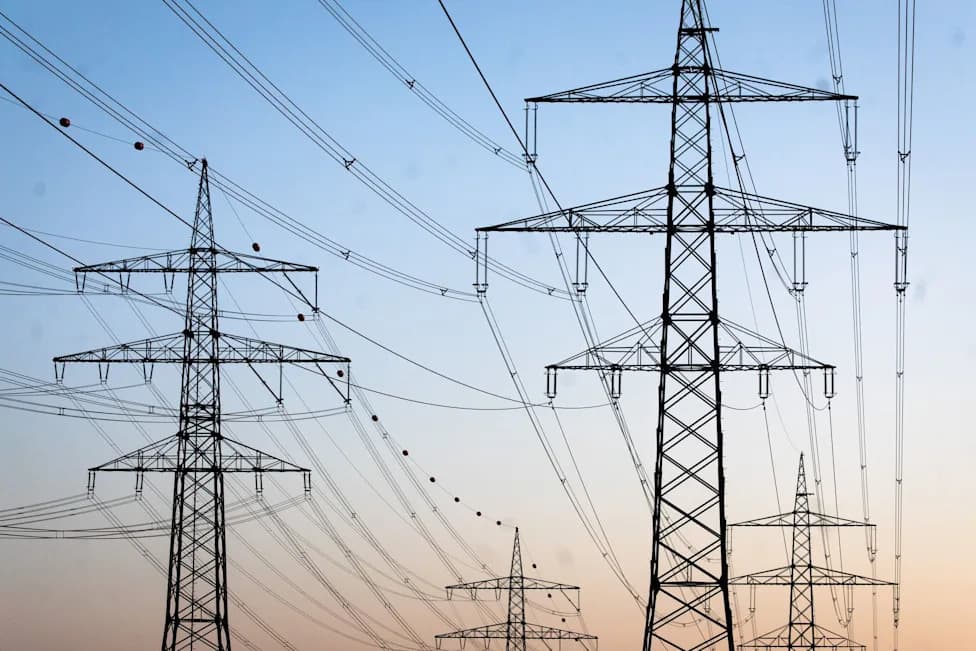
The EU wants to treble data centre capacity over the next seven years to underpin rapid AI development and to reduce reliance on US Big Tech. The Commission has warned that unchecked expansion could strain power grids, deplete water in stressed regions and increase greenhouse gas emissions.
According to an EU report published in June, data centres currently account for about 2.5% of the bloc's electricity consumption. Capacity in the EU is expected to more than double by 2030, rising to around 28 gigawatts from roughly 12 GW last year.
Next Steps
Member states and EU lawmakers have two months to object to the draft rules; if no sufficient objections are raised, the measures will enter into force. Brussels says the transparency label could be the first step toward stronger, mandatory efficiency standards in future legislation.
Reporting: Kate Abnett; Editing: Jan Harvey.
Help us improve.