Papua’s tropical glaciers — long described as "eternal snow" — have nearly vanished. Glacial cover at Puncak Jaya fell from about 1,900 hectares in the 19th century to roughly 16 hectares today, a decline of roughly 95% since the early 2000s. Scientists warn remaining ice could disappear within one to two years, erasing unique climate records, while Indigenous communities mourn the loss of culturally sacred landscapes.
Papua’s 'Eternal Snow' Is Dying — Tropical Glaciers Near Puncak Jaya May Vanish Within Years
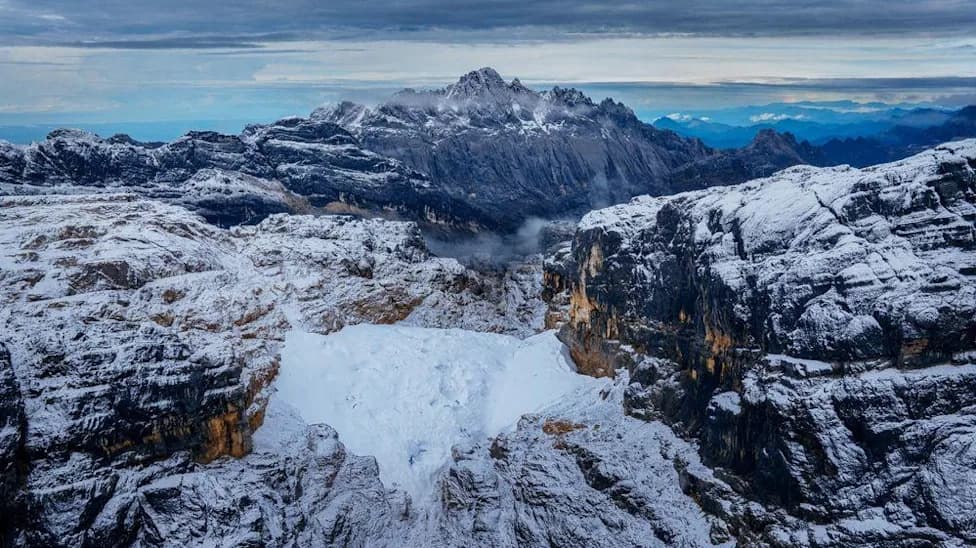
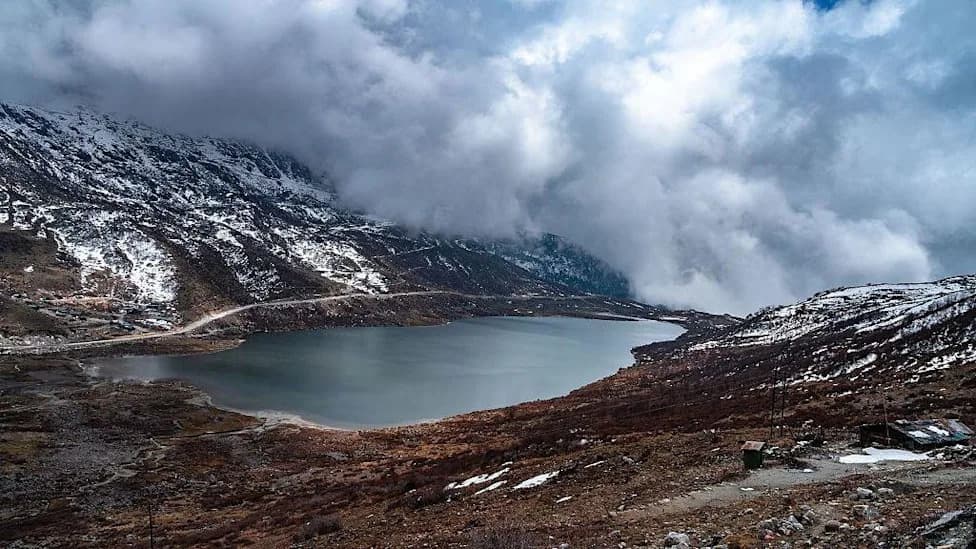
Only small patches of snow remain on Papua's Sudirman Range [Project Pressure/Klaus Tymann]
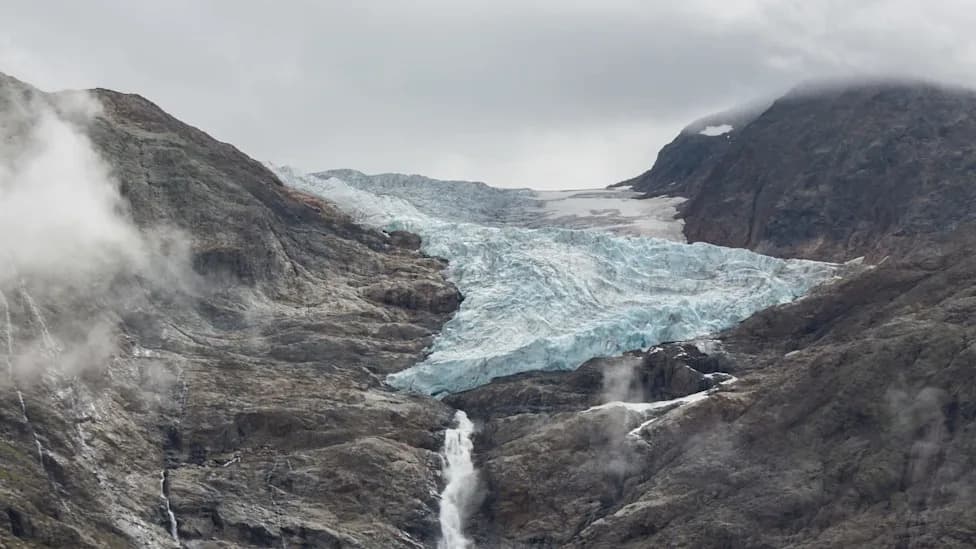
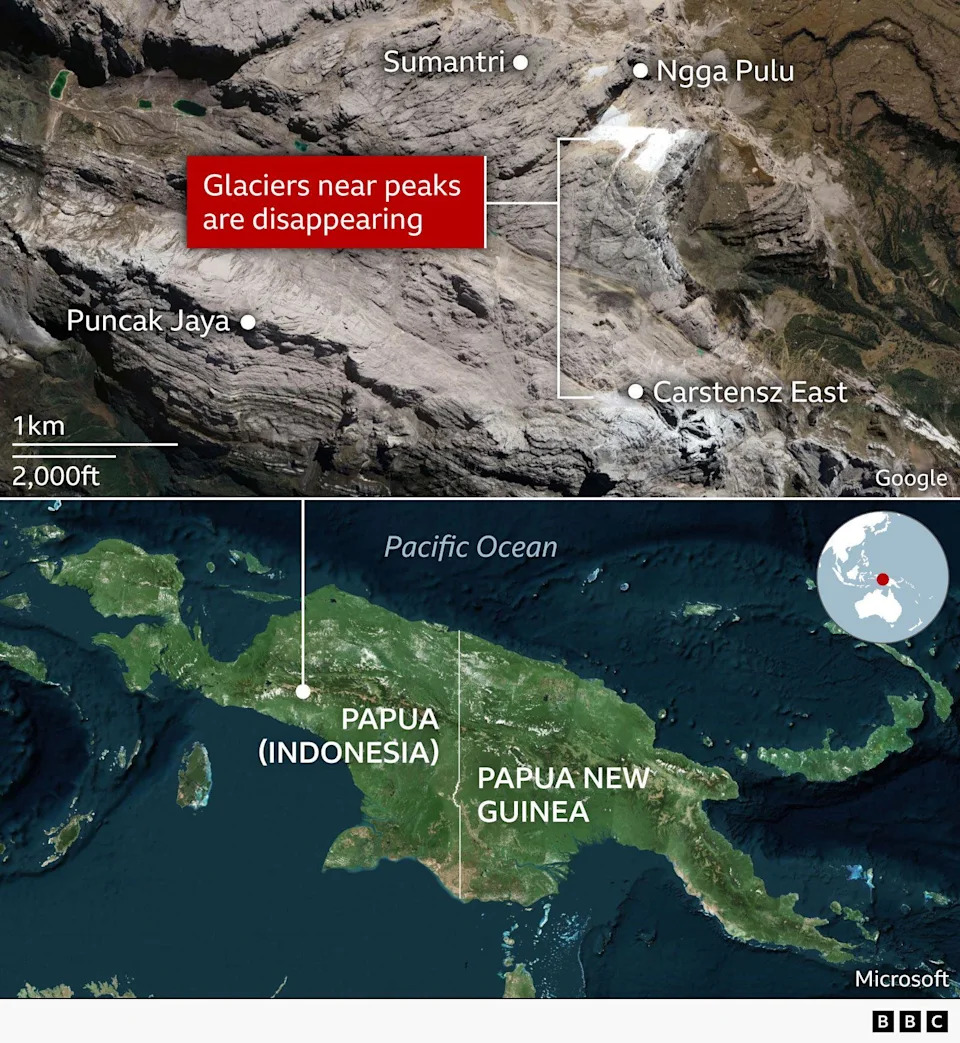
For centuries, the high peaks of Papua — on the Indonesian side of the world’s second-largest island — were capped by what locals and scientists called "eternal snow." Those glaciers, concentrated in the Sudirman Range and around Puncak Jaya (Carstensz Pyramid), have for generations provided both a unique climate archive and a sacred landscape for Indigenous communities. Now, almost all of that ice is gone.
[BBC]
Rapid Loss of Tropical Ice
Glacial cover around Puncak Jaya has collapsed from nearly 1,900 hectares (about 4,700 acres) in the 19th century to roughly 16 hectares (40 acres) today. Between the early 2000s and 2025 the glaciated area has shrunk by roughly 95%, and researchers warn the remaining patches of snow could disappear within a year or two.
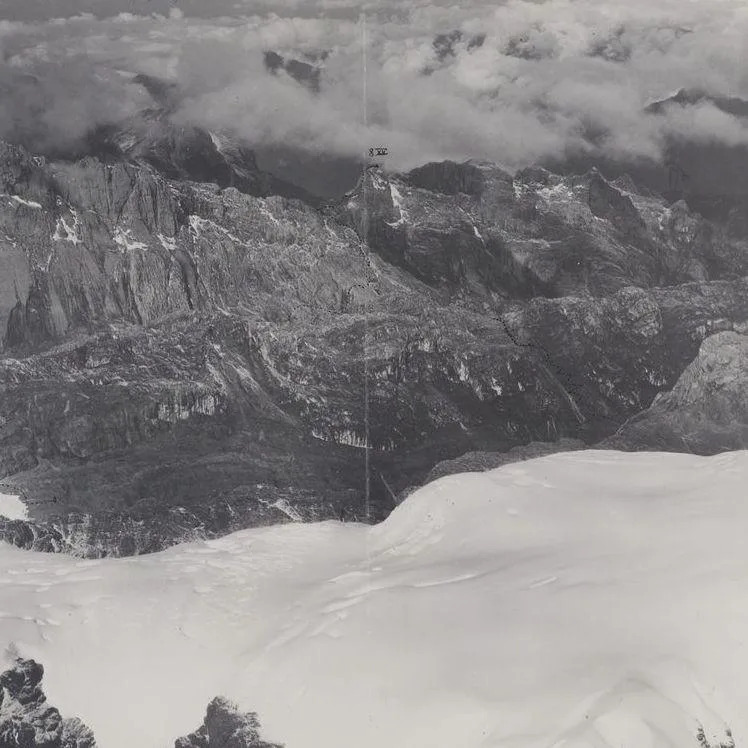
The snow cover has reduced dramatically since this photo, taken in 1936 [BBC]
Why These Glaciers Matter
Ice cores taken from Papua’s slopes contain layered records of atmospheric conditions and environmental change in the tropical Pacific and the Western Pacific Warm Pool. Those records offer rare, localized insight into past climate variability — information that is now at risk of being lost before it can be fully studied.
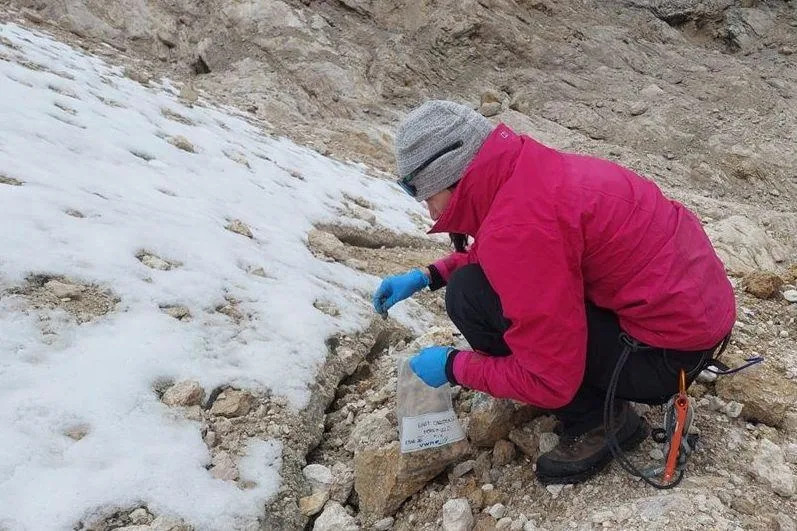
Šabacká, seen taking samples from Puncak Jaya, says Papua's vanishing glaciers are unique as they are so far from other glacier systems [Marie Šabacká]
"There is a profound unfairness in this," says Marie Šabacká, a Czech glacier ecologist who visited Puncak Jaya to collect samples from what may be the last of Papua's tropical ice.
Drivers Of The Retreat
Scientists attribute the glaciers’ rapid retreat primarily to human-caused warming driven by fossil fuel emissions. As the atmosphere warms, the freezing line rises and precipitation that once fell as snow increasingly falls as rain. Periodic climate patterns such as El Niño can accelerate melting, while local factors like cloud cover, snowfall variability and mountain topography influence the pace of loss.
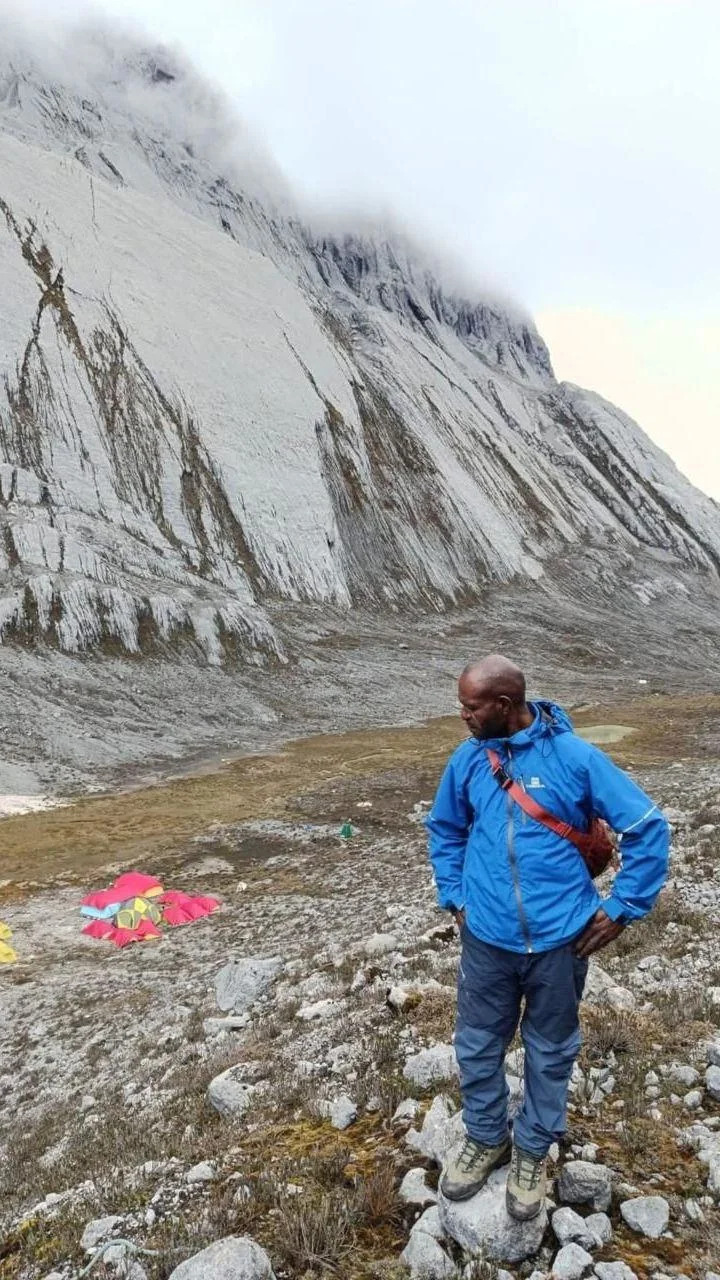
The mountain holds immense spiritual significance for Indigenous people like Justinus, a man from the Moni tribe [BBC]
Cultural And Environmental Consequences
At least five Indigenous groups — including the Moni and Amungme peoples — have long spiritual ties to Puncak Jaya. The Moni call the mountain Mbainggela; the Amungme call the range Nemangkawi, the "White Arrow," a symbol of honesty, purity and moral integrity. For many local people, the melting ice is not only an ecological loss but a profound cultural wound.
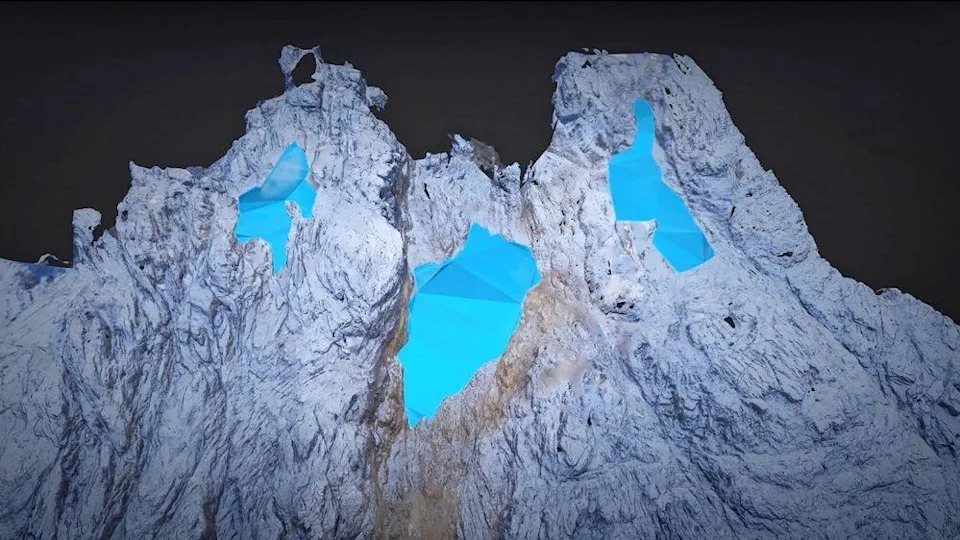
This 3D rendition by Klaus Thymann's Project Pressure shows where ice used to be in light blue [Project Pressure/Klaus Tymann]
"How would Muslims feel if Mecca were destroyed? How would Catholics feel if Rome or the Vatican were destroyed? For the Amungme people, that is what it feels like when Nemangkawi is destroyed," says environmental activist Adolfina Kum.
Industry, Landscape Change And Documentation Efforts
The region has also been transformed by industrial-scale mining and infrastructure. The discovery of vast copper and gold deposits — including operations near the Grasberg mine — reshaped valleys and mountain faces, bringing economic opportunities and long-standing environmental and social impacts. Freeport, the operator of Grasberg, was approached for comment on the glaciers' decline.
Researchers and visual documentarians are racing to record what remains. Danish photographer and researcher Klaus Thymann and others have used drones and 3D mapping to model the glacier remnants and illustrate how dramatically the ice has receded.
What This Means
Beyond the loss of a dramatic landscape, Papua’s vanishing glaciers represent the disappearance of unique climate data and a serious cultural disruption for Indigenous communities. The rapid change underscores how sensitive tropical glacier systems are to even small increases in temperature — and how quickly a once-permanent feature can disappear.
Help us improve.