The New York Times defended United Nations bureau chief Farnaz Fassihi after she was criticized for attending a U.N. briefing where Iran outlined a proposal to reopen the Strait of Hormuz and seek an end to the war. The Times said Fassihi was one of several international reporters at the event and called the social media attacks unfair. The report comes as Iran presses for a deal before U.S. midterms and U.S. officials say they will not "rush into a deal."
NYT Defends Reporter After Backlash Over Attendance at Iran President's U.N. Briefing
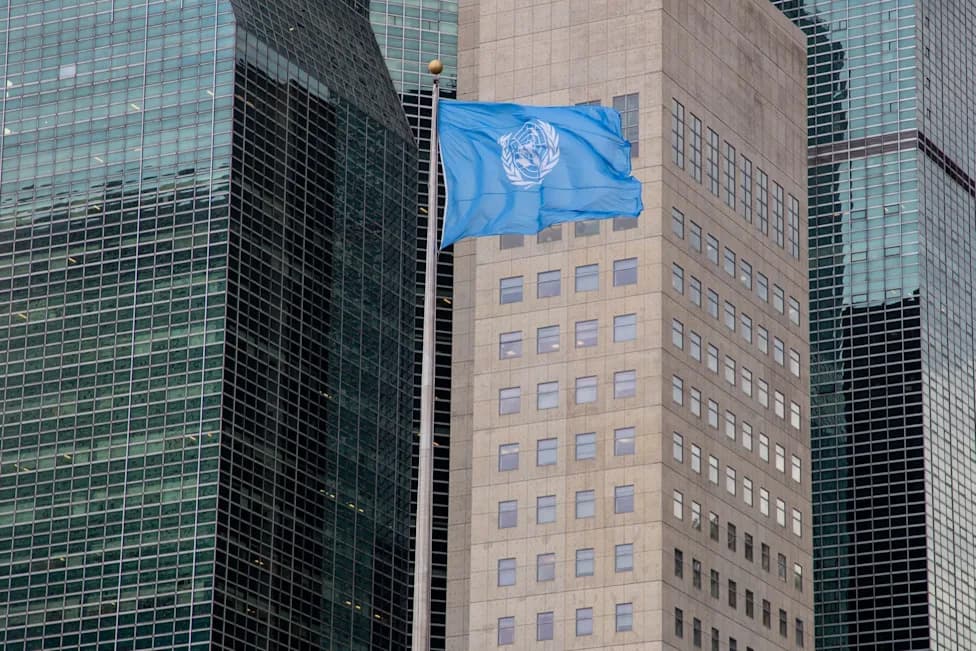
(AP Photo/Mark Lennihan, File)
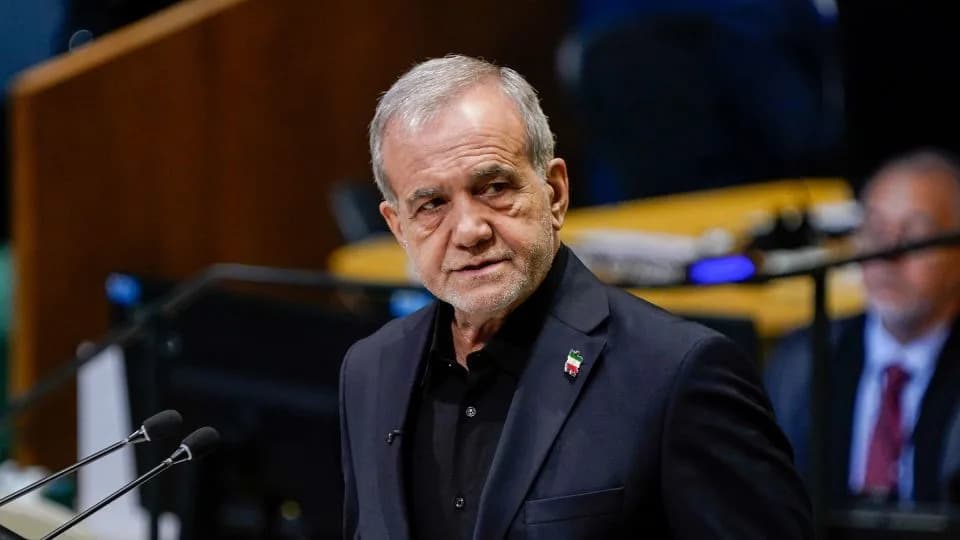
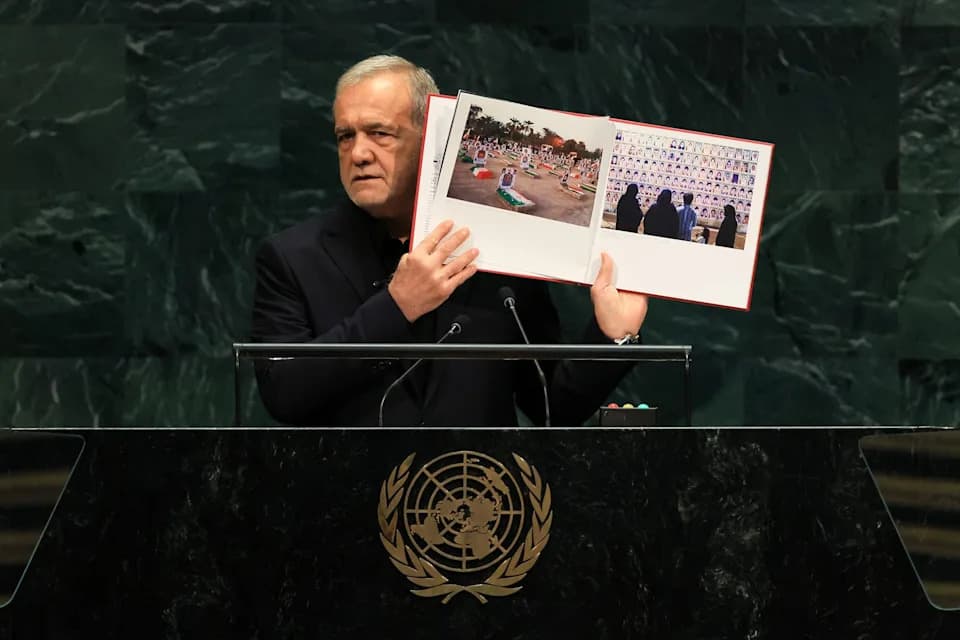
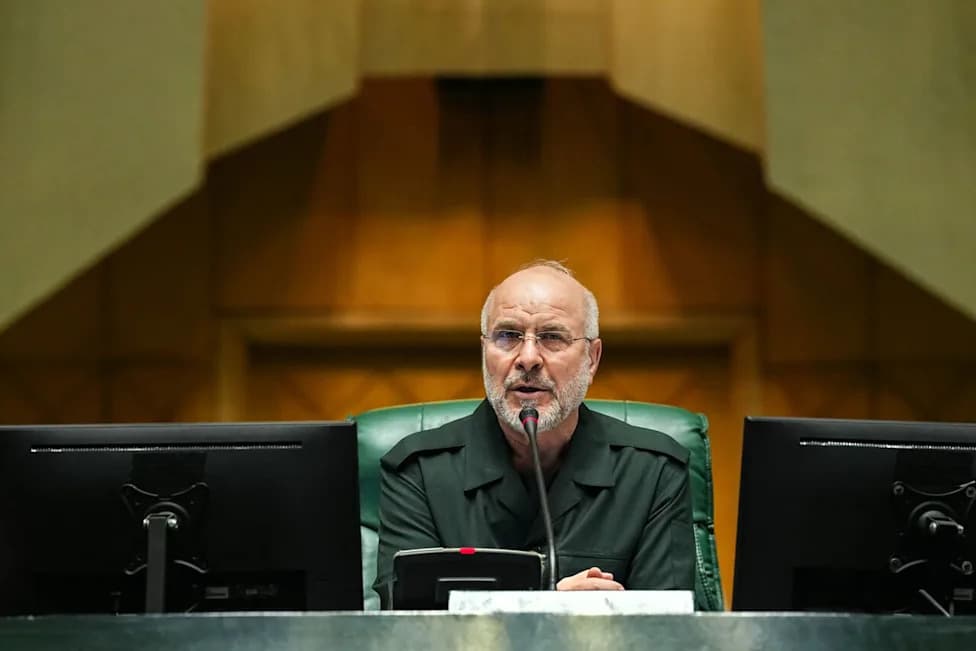
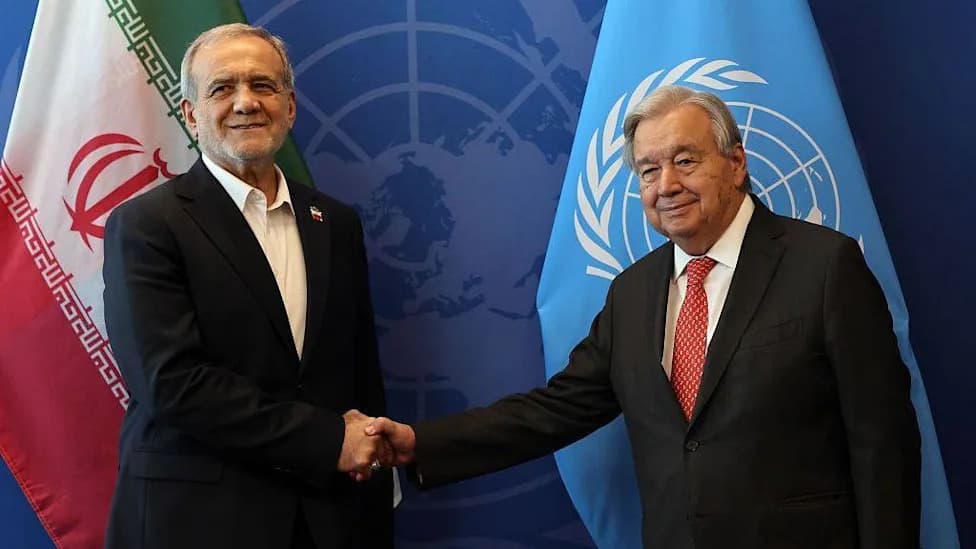
The New York Times on Friday pushed back against critics who targeted reporter Farnaz Fassihi after she attended a briefing at the United Nations where Iran's President Masoud Pezeshkian and Foreign Minister Abbas Araghchi outlined a proposal to reopen the Strait of Hormuz and pursue an end to the war involving Iran.
Fassihi, The Times' United Nations bureau chief, and international correspondent Pranav Baskar co-authored the paper's report on the Iranian proposal, which was presented at a session held outside the U.N. General Assembly in New York. Reporters and editors from several major American and British news organizations were also in attendance.
Following the briefing, some right-wing and pro-Israel social media accounts publicly criticized journalists who had been present, singling out Fassihi and accusing her of acting as an Iranian lobbyist. The New York Times rejected those claims as unfair and inconsistent with standard newsgathering.
"Our reporter Farnaz Fassihi is being unfairly criticized for attending a briefing with Iran's president and foreign minister, a meeting she attended along with editors and reporters from major American and British news outlets. This is what newsgathering looks like; reporting conversations conducted with Iranian government officials is standard, legally protected journalistic work. Never before has a head of government attended the U.N. General Assembly while at war with the United States; our reporting on Tehran's proposals provides the public with insight into Iran's negotiating strategy and prospects for peace."
Taylor emphasized that Fassihi was one of many journalists present and that attending such briefings is routine for reporters covering diplomatic developments and active conflicts.
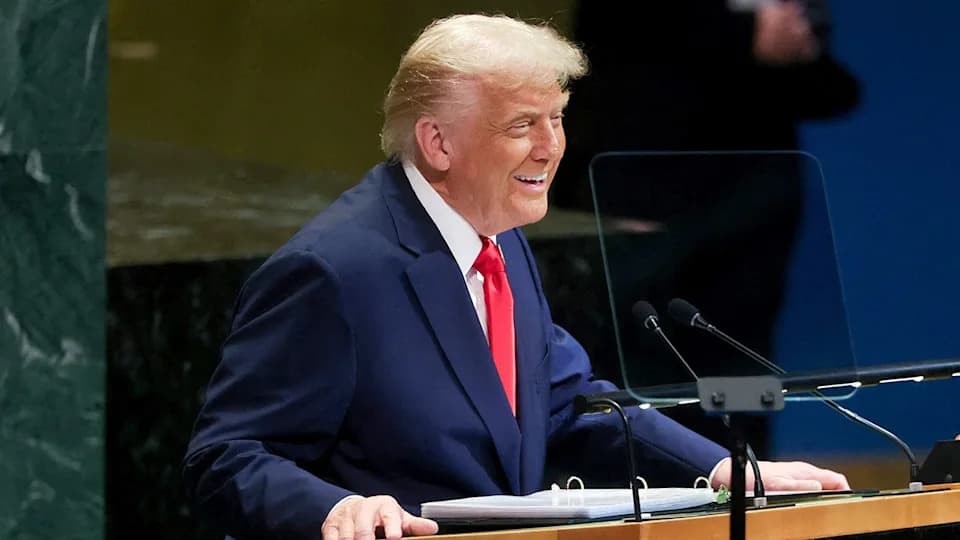
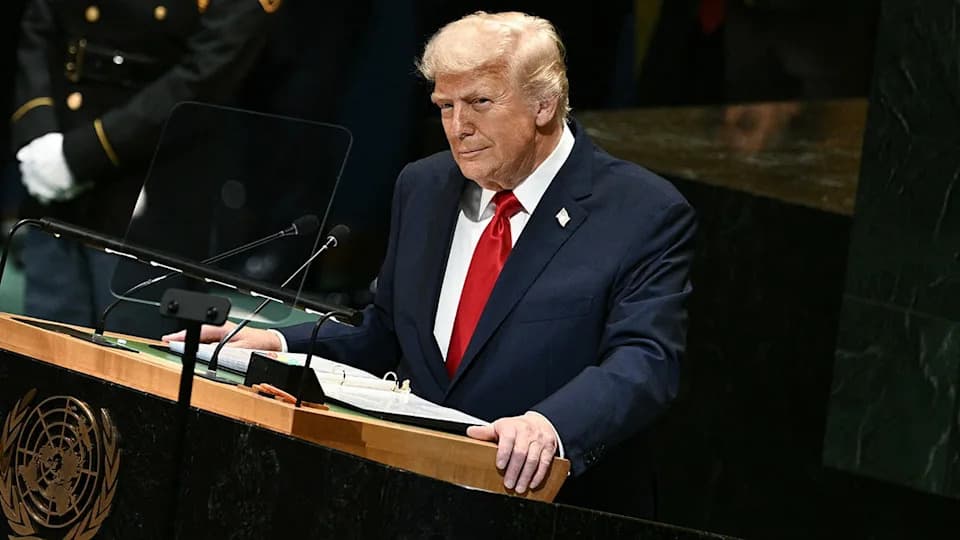
According to The Times, Iran is pushing for an agreement before the U.S. midterm elections; an American official familiar with the proposal told the paper the administration was "not going to rush into a deal." The Times' report followed heated U.N. remarks from President Donald Trump and President Pezeshkian, in which Trump raised the possibility of military action while Pezeshkian criticized what he called bullying of his country and said "resistance will only increase."
The episode underscores tensions over media coverage of contentious diplomacy and the risks journalists face when reporting on adversarial governments.
Help us improve.