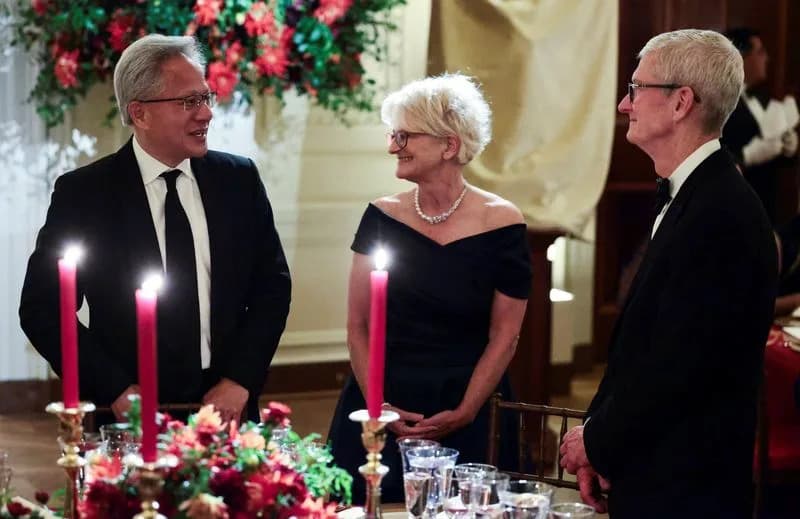
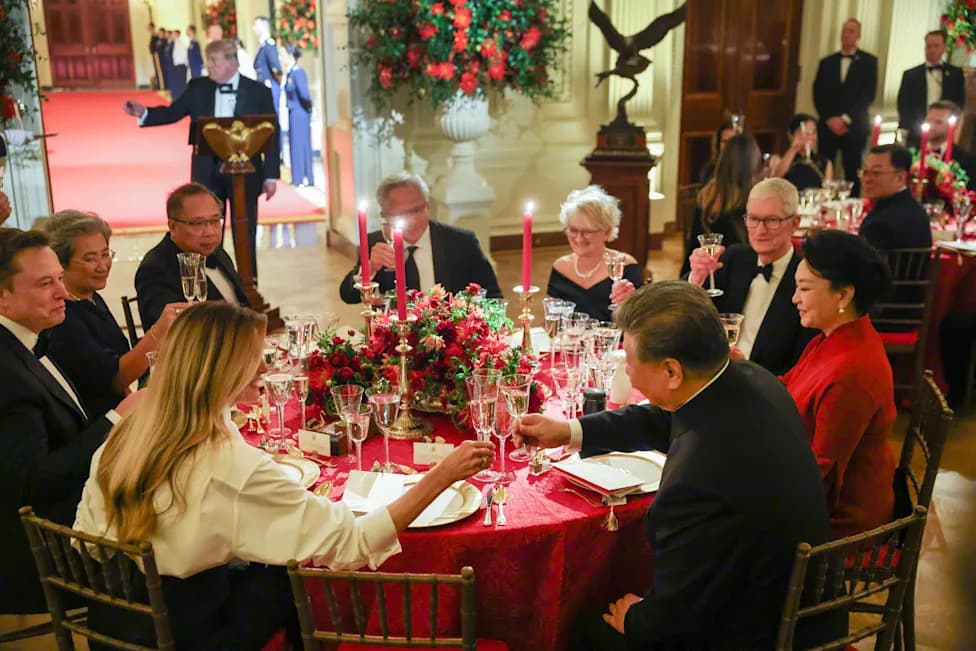
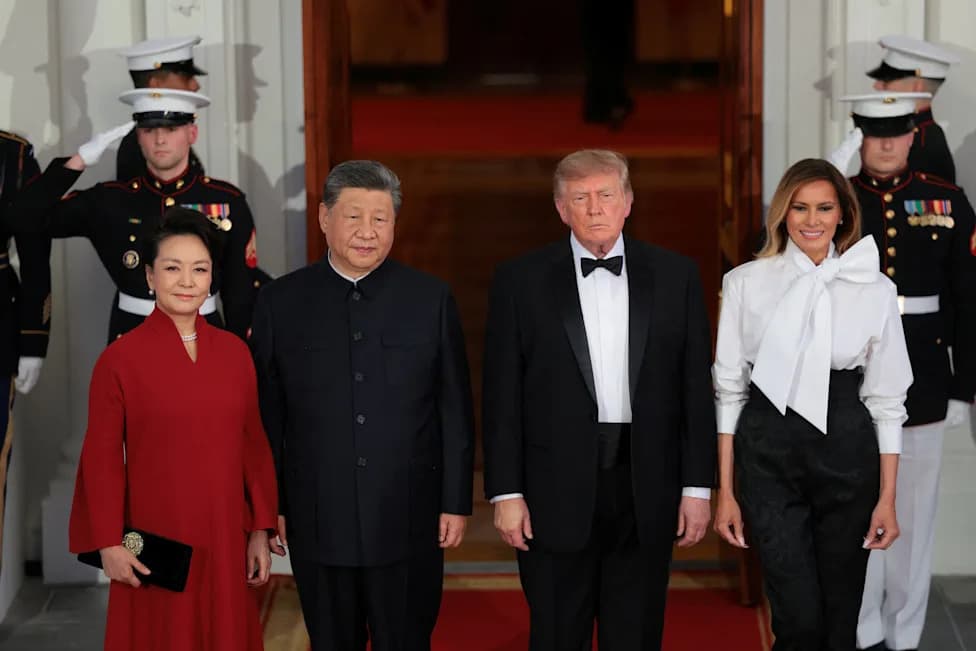
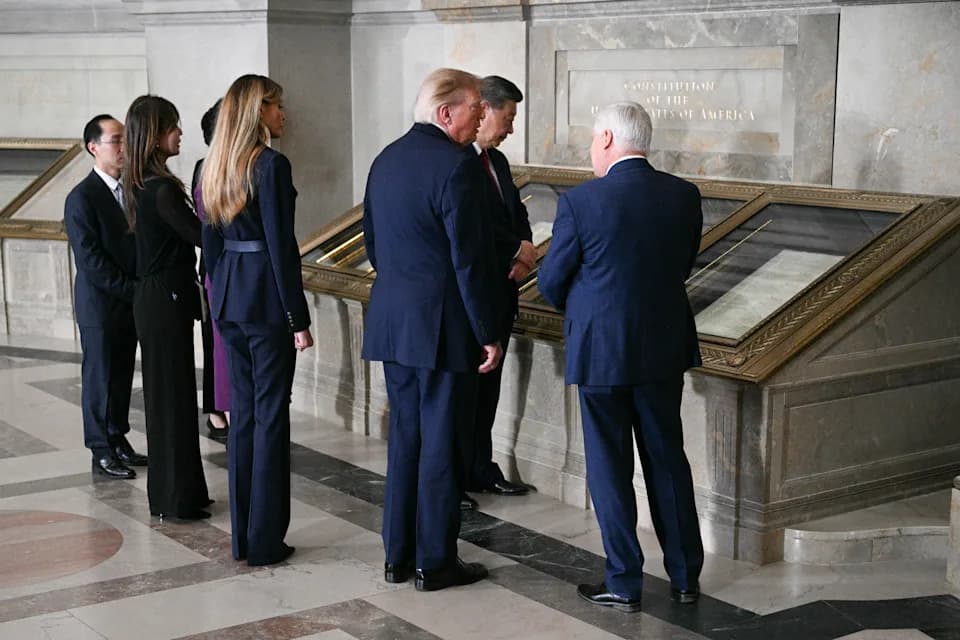
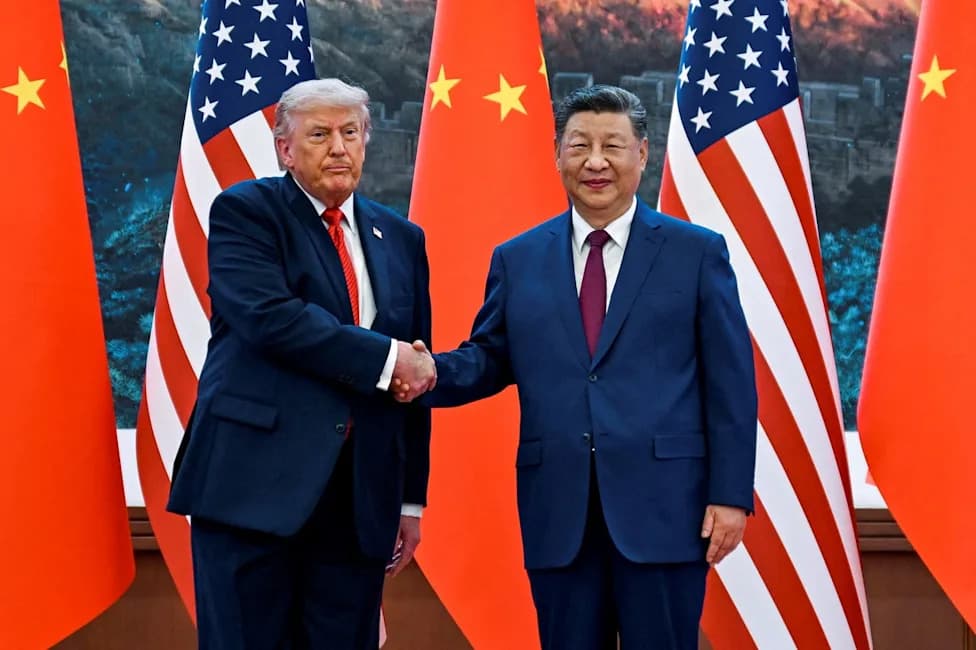
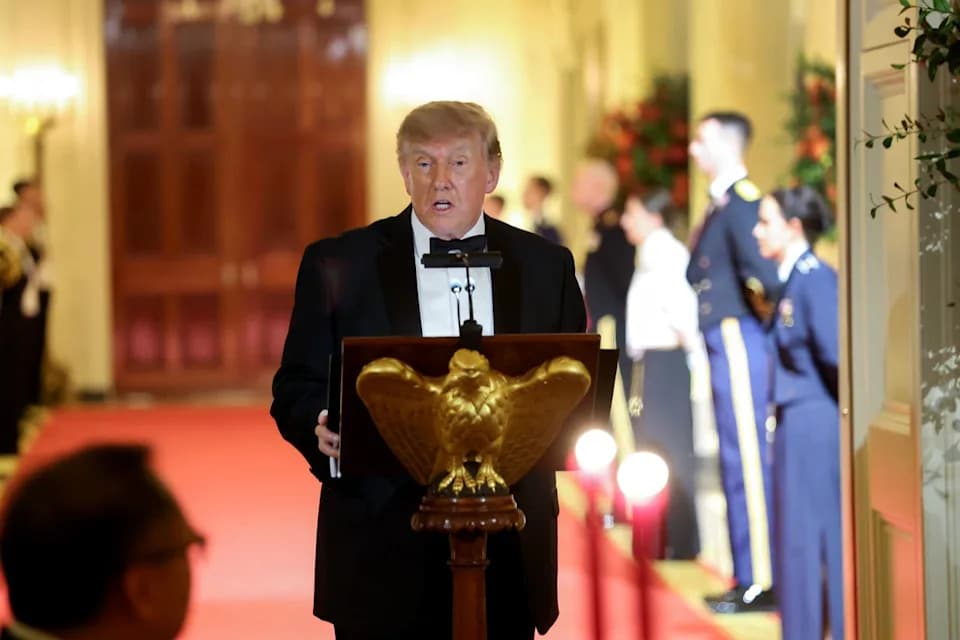
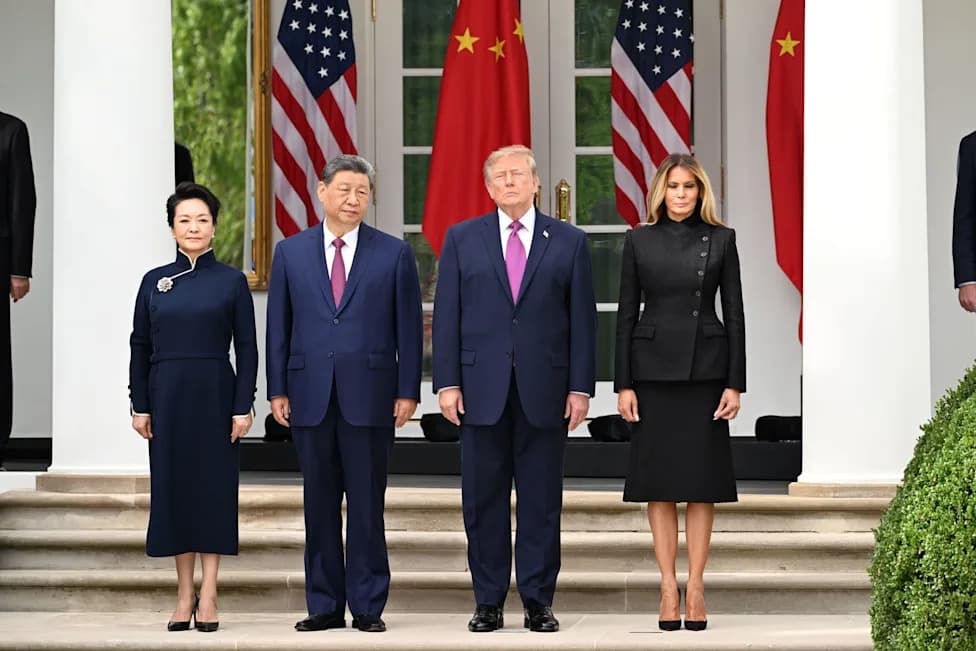
The state dinner President Trump hosted for Chinese President Xi Jinping brought together 134 guests from technology, finance, media and politics, including top tech CEOs, banking leaders, conservative media figures and senior political officials. The gathering highlighted the overlap of corporate influence and political power in Washington, while much of what was discussed remained private. The event underscored how access to the presidency can reflect and reinforce influence across multiple sectors.
Inside the Guest List: Who Attended Trump’s State Dinner for Xi and Why It Matters
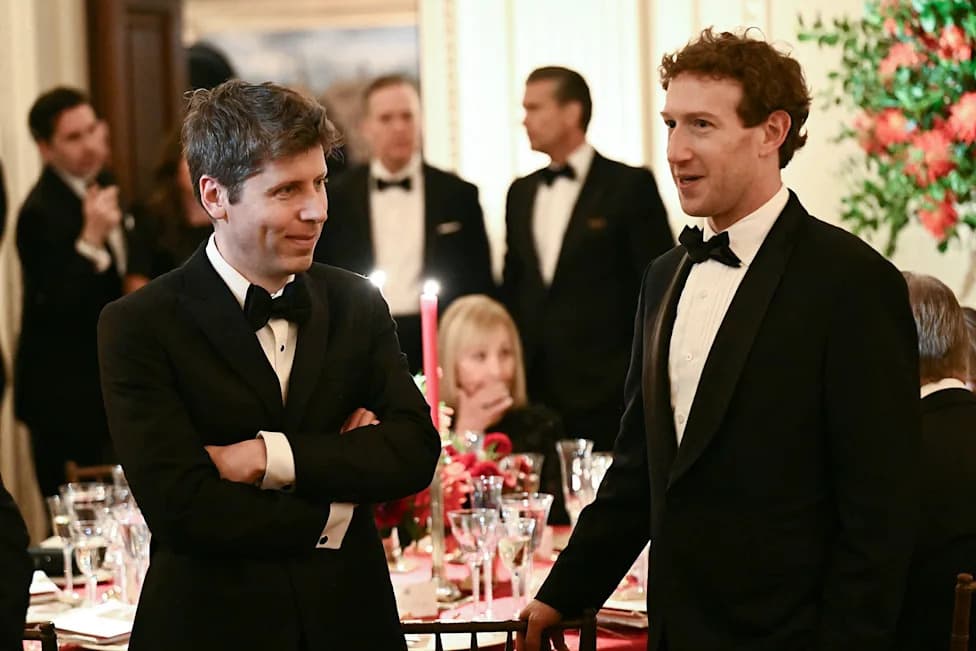
If You Want to Know Who America’s Oligarchs Are, Read This List
There is an art to hosting a memorable dinner — the menu, the entertainment and the seating all matter — but nothing is more revealing than the guest list. On Thursday, President Donald Trump hosted a lavish state dinner for Chinese President Xi Jinping that read like an index of American influence: political leaders, tech titans, financiers, media figures and major donors. With 134 guests in attendance, the event exposed the networks that shape U.S. policy and public life.
Who Was There
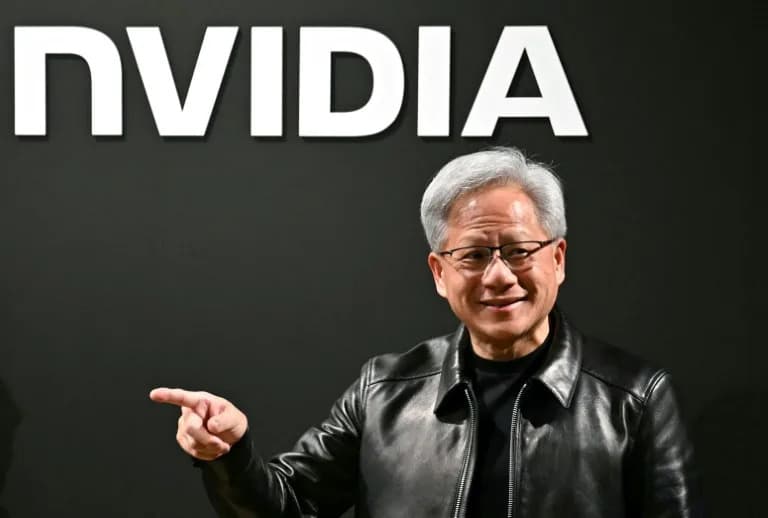
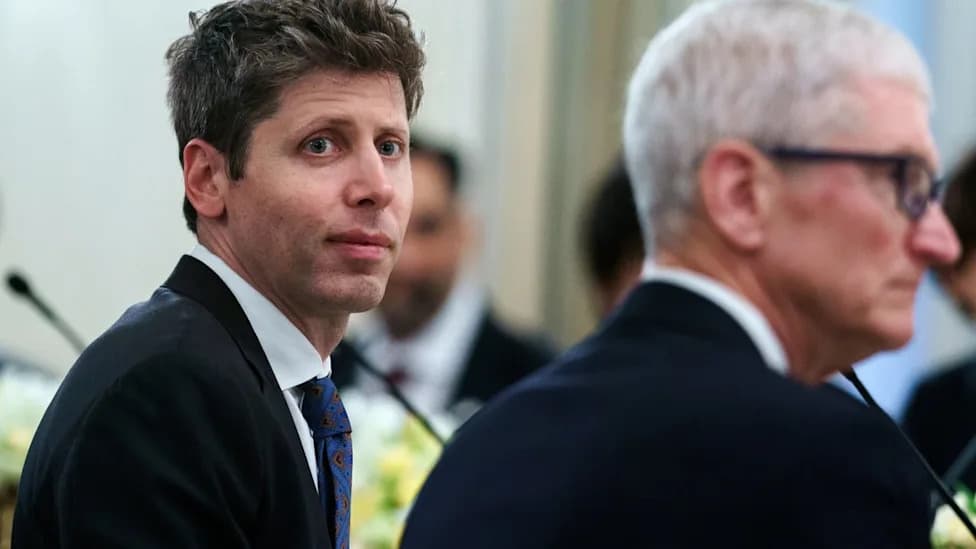
The roster included many of the household names from the technology sector: Mark Zuckerberg, Sam Altman, Elon Musk, Jeff Bezos, Sergey Brin and Tim Cook. It also brought together newer power brokers in AI and semiconductors, notably Nvidia CEO Jensen Huang and AMD CEO Lisa Su, figures whose companies are central to the geopolitics of high-tech competition.
Major political donors and longtime Trump allies were present as well — for example, Miriam Adelson, widow of the late casino magnate Sheldon Adelson. Conservative media personalities with reach into Republican audiences attended, including Jesse Watters, Bret Baier and Laura Ingraham, though Lachlan Murdoch was notably absent.
Institutions and Influence
The guest list also included senior political and judicial figures: Chief Justice John Roberts and Justices Amy Coney Barrett and Brett Kavanaugh were reported attendees. Congressional and political operatives such as Speaker Mike Johnson, RFK Jr. and Stephen Miller appeared on the list, alongside cabinet secretaries and industry representatives.
Executives from finance and energy signaled the economic clout in the room — Jane Fraser of Citigroup and Jamie Dimon of JPMorgan were present, as were representatives from major oil companies including delegates from ExxonMobil. Media executive David Ellison, who has pursued high-profile industry deals, was also among the guests.
What It Signifies
A presidential state dinner is symbolic: it sends a message about which actors the administration values and seeks to cultivate. The combination of tech leaders, bankers, energy executives, political operatives and media figures illustrates how policy, markets and public opinion intersect. Yet despite the concentration of power in that room, many of the world’s hardest problems — from geopolitical conflicts to complex global supply-chain and regulatory challenges — remain beyond the direct control of any single guest.
Press access was limited, and the substantive discussions at the tables were private. The alliances formed and conversations held behind closed doors will matter for policy and markets — but their full effects will only be visible in time.
The state dinner offered a rare, clarifying glimpse into the American elite: who gains access, who influences, and how the levers of power across industry, media and politics converge around the presidency.
Help us improve.