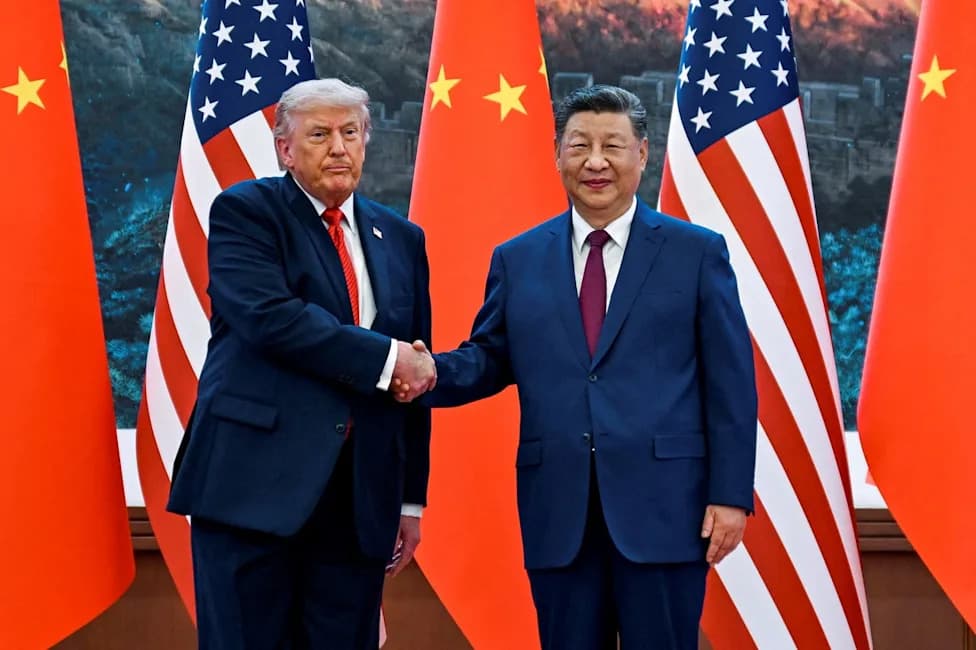
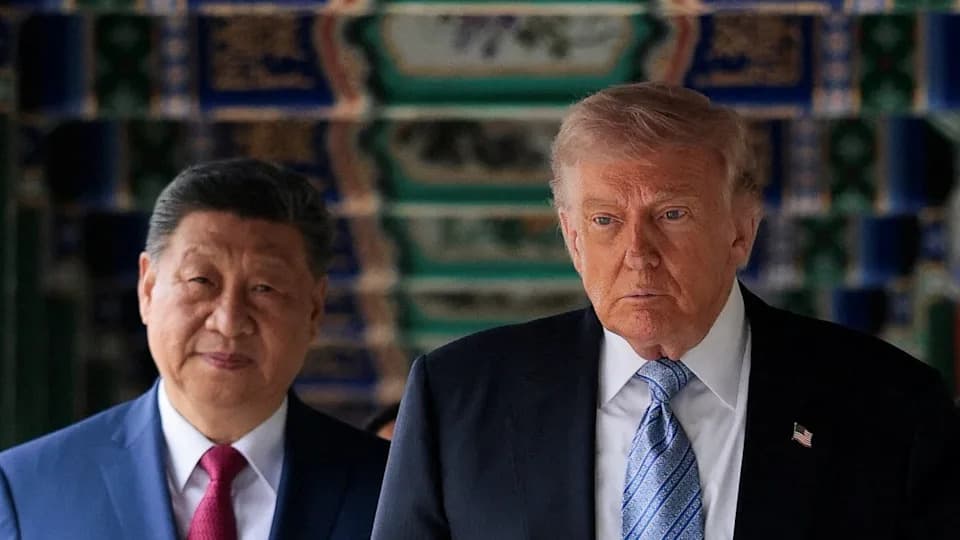
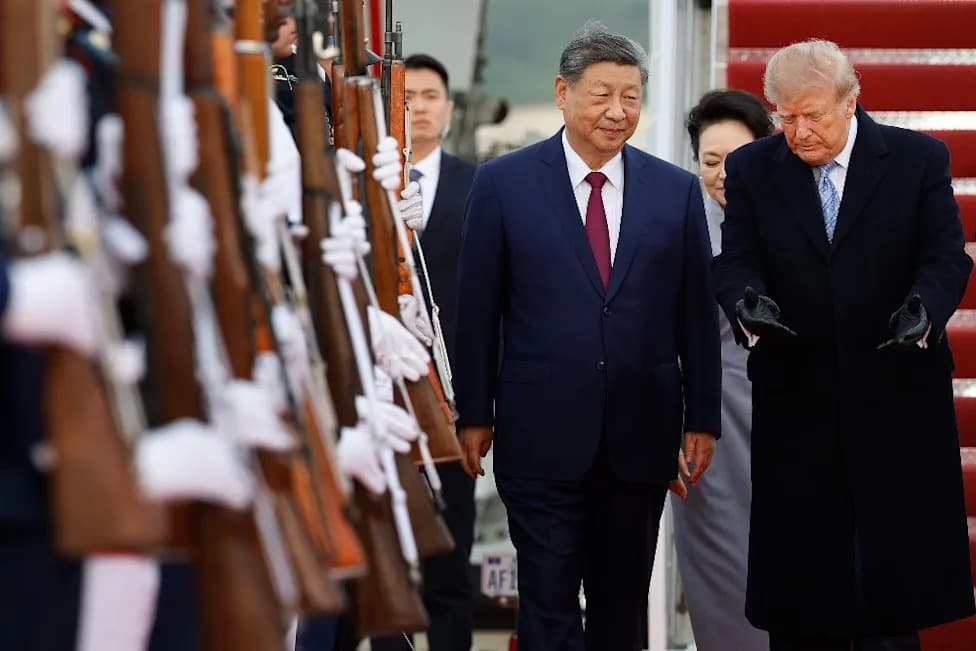
The White House hosted a state dinner for President Xi Jinping on Sept. 24, 2026, revisiting a culinary nod to Xi's 2015 visit by serving wild mushrooms as a first course. The event gathered political leaders and tech executives — including Elon Musk and Sam Altman — as Trump and Xi discussed technology, security and artificial intelligence. Trump went "off script" to promote a new 20,000-square-foot ballroom, presented a bald eagle statue to Xi, and Xi announced two giant pandas bound for Zoo Atlanta.
Trump Hosts Xi at White House State Dinner: Wild Mushrooms, Tech Titans and Diplomatic Gifts
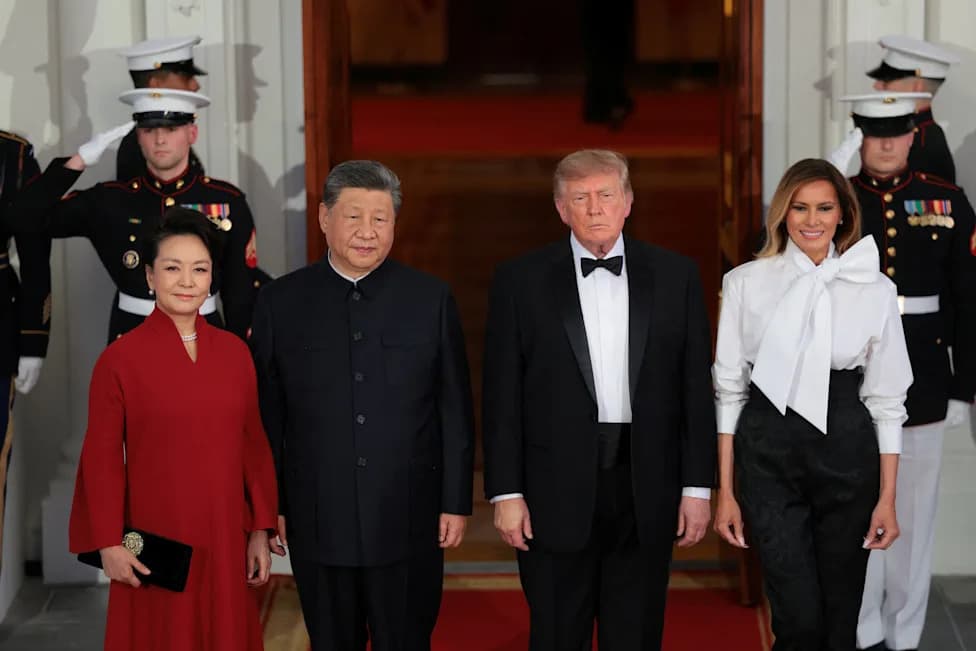
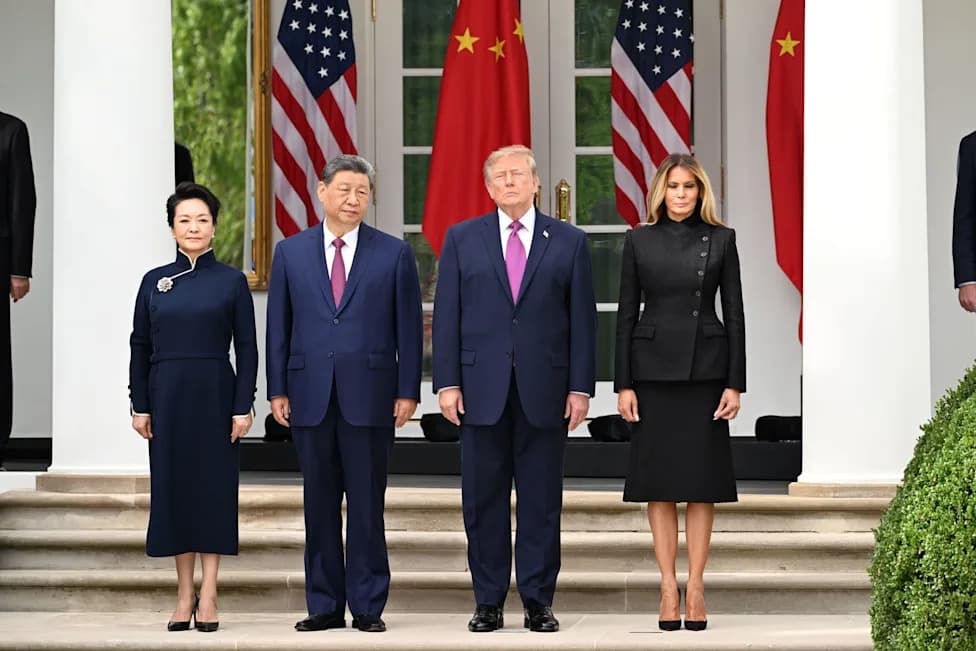
President Donald Trumpand first lady Melania Trump welcome Chinese President Xi Jinping and his wife, Peng Liyuan, at the North Portico of the White House for a state dinner in Washington, DC on Sept. 24, 2026.(Kylie Cooper, REUTERS)
The White House hosted a state dinner for Chinese President Xi Jinping on Sept. 24, 2026, blending ceremonial tradition, high-stakes diplomacy and a guest list that read like a who’s who of politics and technology. The evening echoed a culinary touch from Xi's 2015 Washington visit: wild mushrooms appeared again as the first course.
Highlights From the Evening
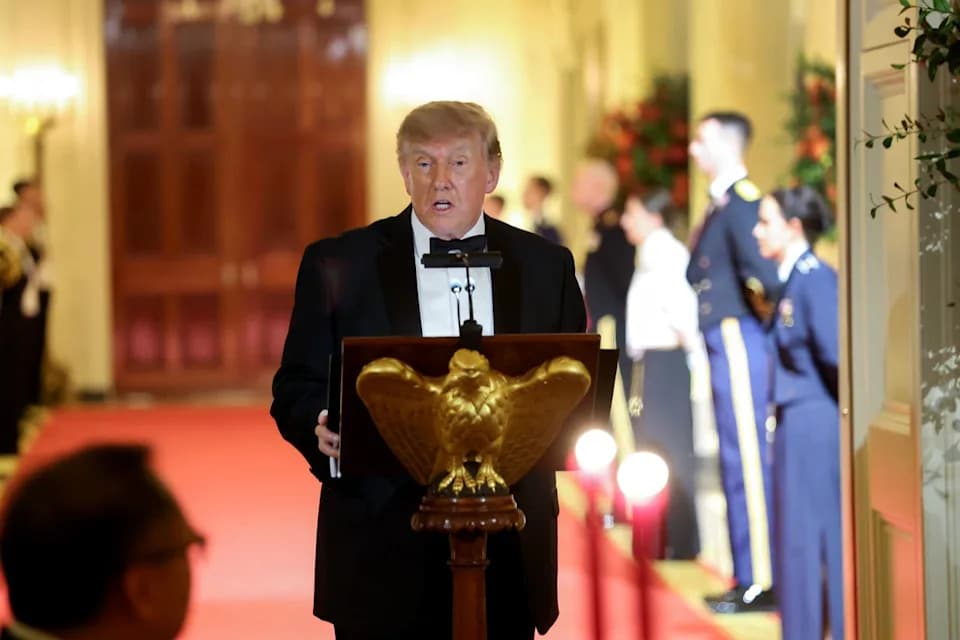
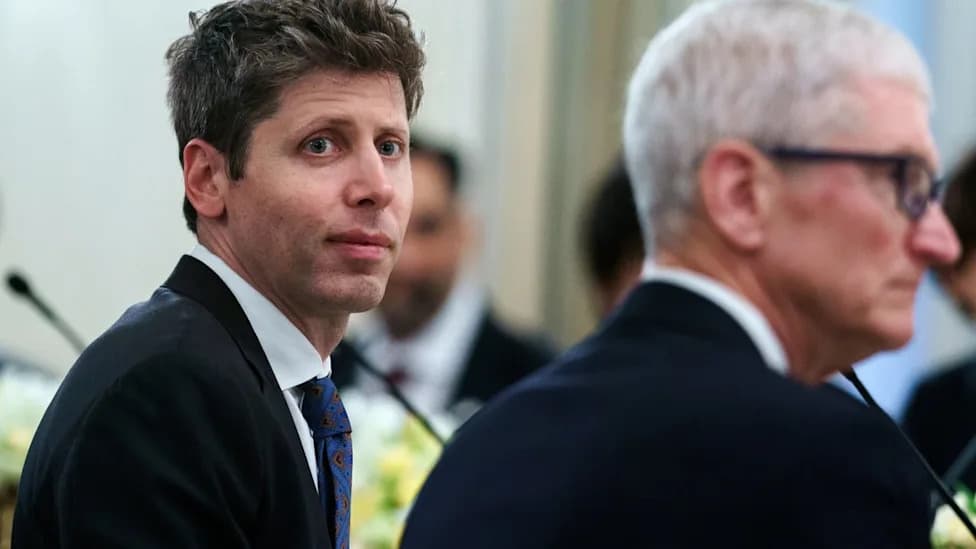
After an Oval Office bilateral meeting and public expressions of mutual esteem, President Donald Trump and President Xi Jinping shared toasts in the East Room. The reception gathered government officials, business leaders and leading figures from the tech industry, including Tesla CEO Elon Musk and OpenAI CEO Sam Altman.
"As the leaders of our two nations, President Xi and I both understand that we represent different systems, but the ties between our people endure," President Trump said. "We've never gotten along better."
Xi described the bilateral relationship as "a worthy cause that holds great promise," and emphasized responsible cooperation on global challenges, including technology and artificial intelligence.
Menu and Ceremony
The White House framed the meal as "American ingredients with subtle Chinese influence." The formal toast featured Schramsberg "Blanc De Noir," honoring the historic 1972 "Toast to Peace" by President Nixon and Premier Zhou Enlai.
The courses included:
- First course: Yellow squash velouté with a wild mushroom fricassée, crispy pancetta and scallion oil.
- Main course: Fresh seabass encrusted with toasted sesame seeds, accompanied by baby bok choy and roasted garden eggplant.
- Dessert: Vanilla crémeux with a sour cherry confit at its center, set atop walnut frangipane and served with ice cream made from honey harvested on the White House grounds.
Guest List and Attire
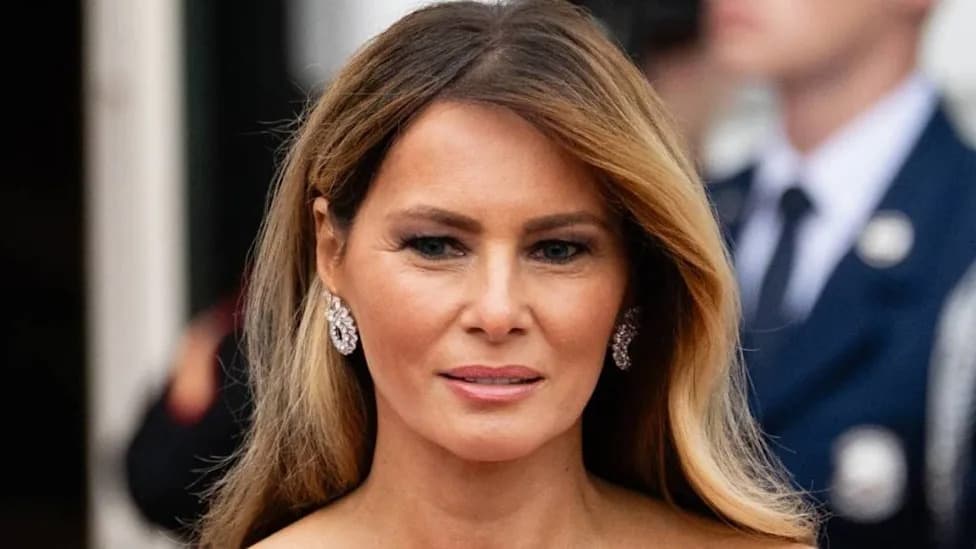
The East Room tables were draped in red linens and decorated with dahlias and ranunculus, with the Reagan State Service china on display. Attire was formal: First Lady Melania Trump wore a crisp white blouse with a dramatic bow and high-waisted black pants; Peng Liyuan wore a long red gown; President Trump was in a black tuxedo and Xi in a high-collared black jacket.
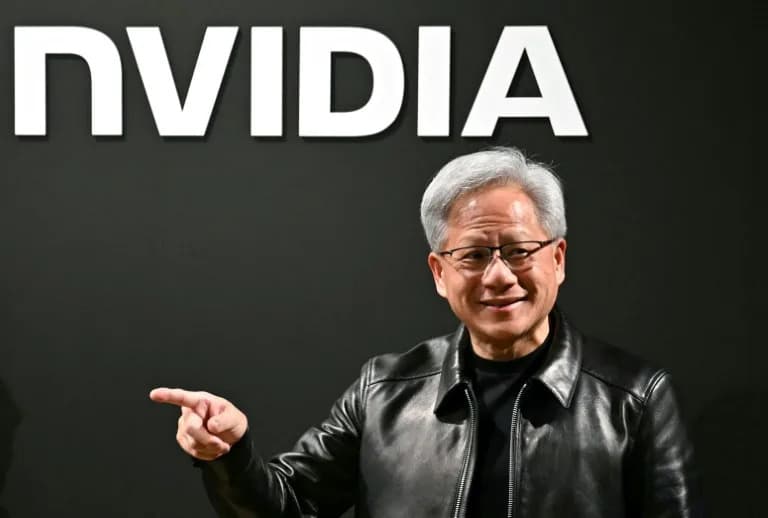
Notable guests included members of the Trump family; tech and business leaders such as Amazon founder Jeff Bezos, Facebook founder Mark Zuckerberg, Google/Alphabet co-founder Sergey Brin, Microsoft CEO Satya Nadella, NVIDIA CEO Jensen Huang and AMD CEO Lisa Su; and Supreme Court Justices Chief Justice John Roberts, Amy Coney Barrett and Brett Kavanaugh, each accompanied by their spouses. Cabinet and other dignitaries were also in attendance.
Key Moments and Topics
Technology, security and artificial intelligence were focal points of the leaders' earlier discussions. President Trump has increasingly used the phrase "super intelligence" in public comments, and both sides emphasized that major powers must act responsibly as new technologies emerge.
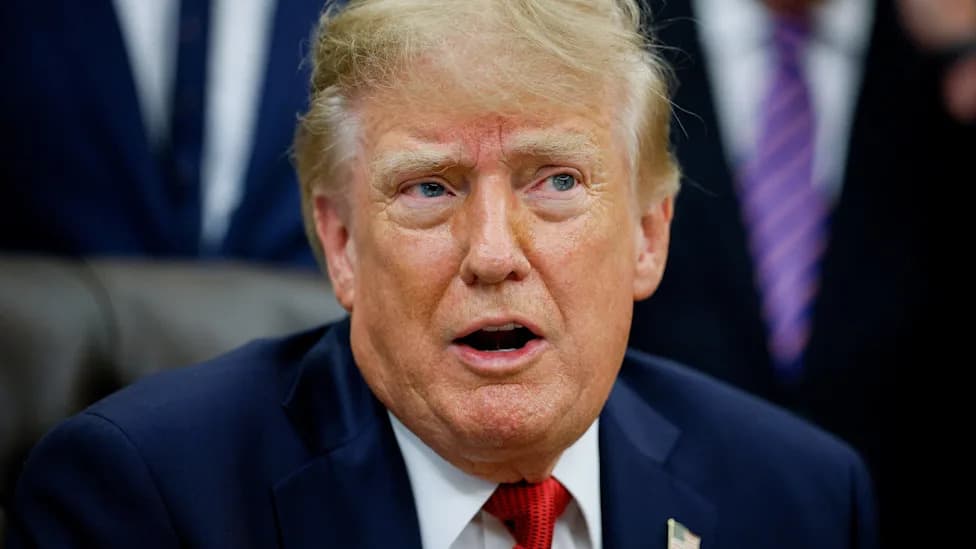
Midway through his remarks, President Trump asked to "go off script just for a second," drawing laughter, then used the moment to describe a new 20,000-square-foot ballroom under construction at the White House and invited guests to visit it once completed.
Gifts and Diplomatic Gestures
President Xi announced a diplomatic gift of two giant pandas—"Ping Ping" and "Fu Shuang"—which he said would arrive soon at Zoo Atlanta. During the dinner, President Trump presented Xi with a statue of a bald eagle, calling it a symbol of the United States and expressing hope it would find a "wonderful place in Beijing."
Why It Matters
The state dinner combined symbolism, soft-power diplomacy and practical conversation about emerging technological threats and cooperation. Bringing tech CEOs and political leaders into the same room underscored how trade, innovation and national security are increasingly interconnected in U.S.-China relations.
Reporting by Swapna Venugopal Ramaswamy, White House correspondent for USA TODAY.
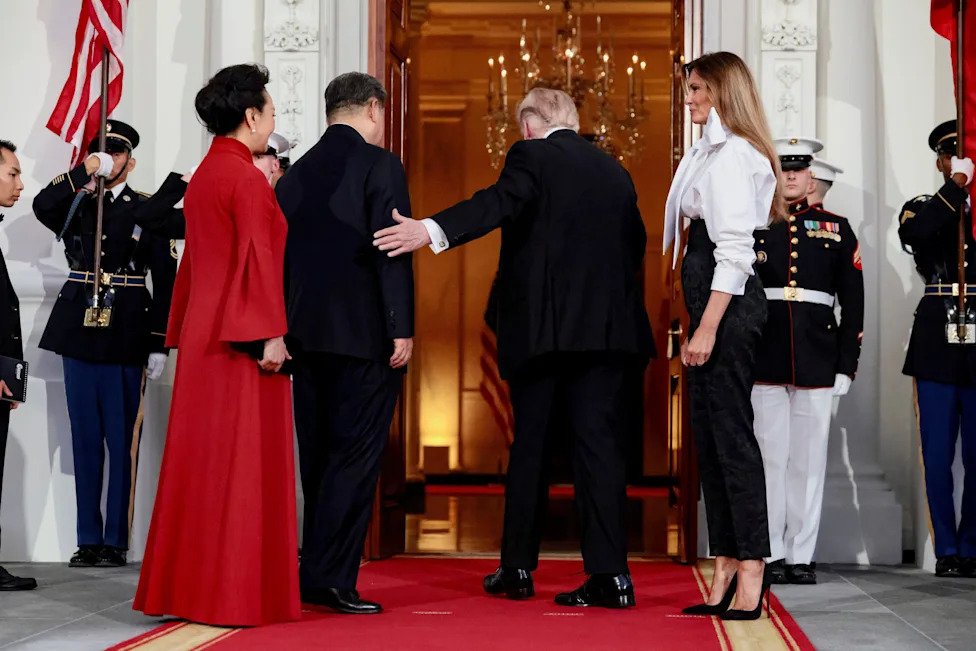
President Donald Trump and first lady Melania Trump welcome Chinese President Xi Jinping and his wife, Peng Liyuan, to the White House ahead of a state dinner in Washington, DC on Sept. 24, 2026.(Evelyn Hockstein, REUTERS)
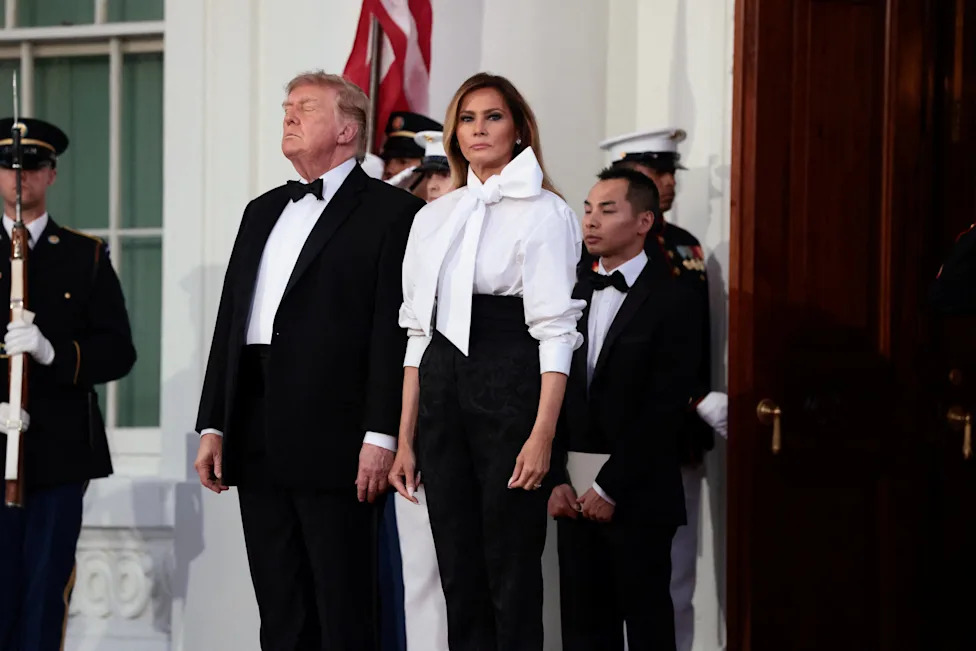
President Donald Trump and first lady Melania Trump prepare to welcome Chinese President Xi Jinping and his wife, Peng Liyuan, to the White House ahead of a state dinner in Washington, DC on Sept. 24, 2026.(Evelyn Hockstein, REUTERS)
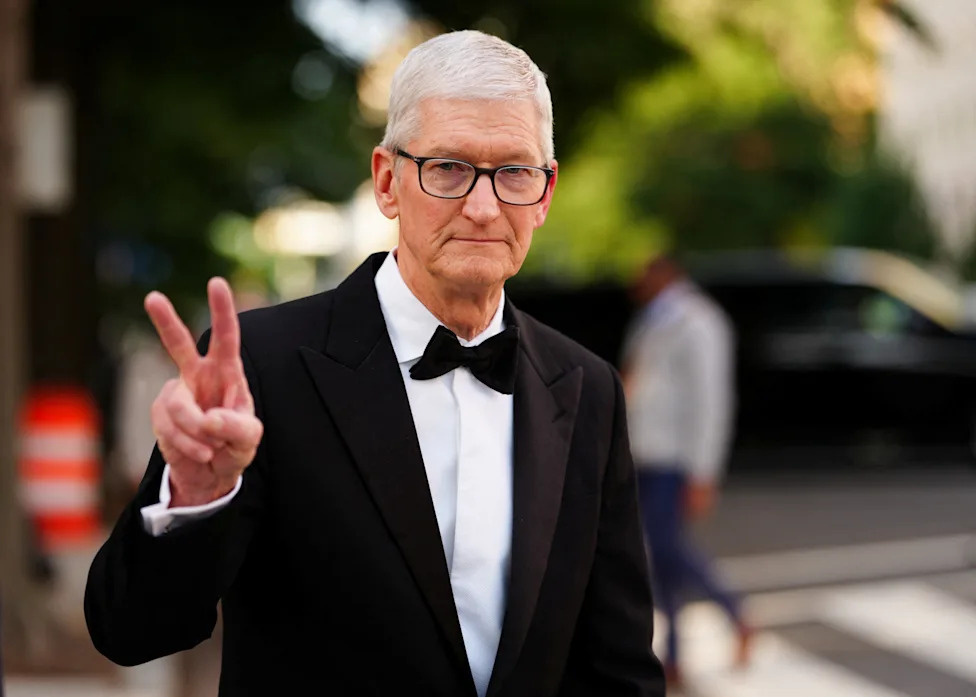
Tim Cook of Apple, arrives for a state dinner held by US President Donald Trump and first lady Melania Trump for Chinese President Xi Jinping and his wife, Peng Liyuan, in Washington, DC on Sept. 24, 2026.(Aaron Schwartz, REUTERS)
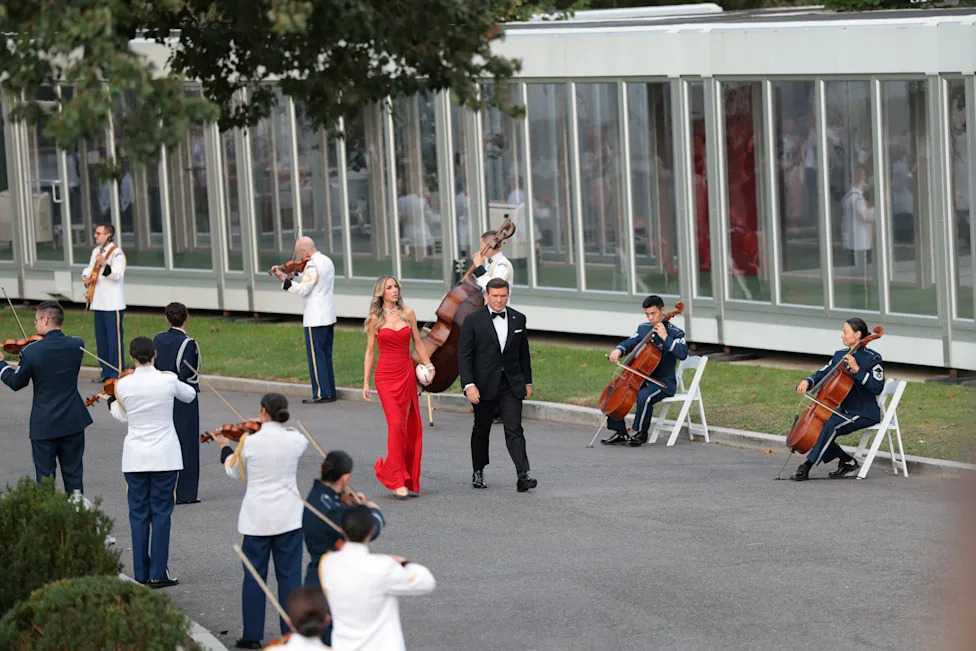
Journalist Bret Baier and Amy Baier walk past musicians as they arrive for a state dinner hosted by President Donald Trump and first lady Melania Trump for Chinese President Xi Jinping and his wife, Peng Liyuan, at the White House in Washington, DC on Sept. 24, 2026.(Kylie Cooper, REUTERS)
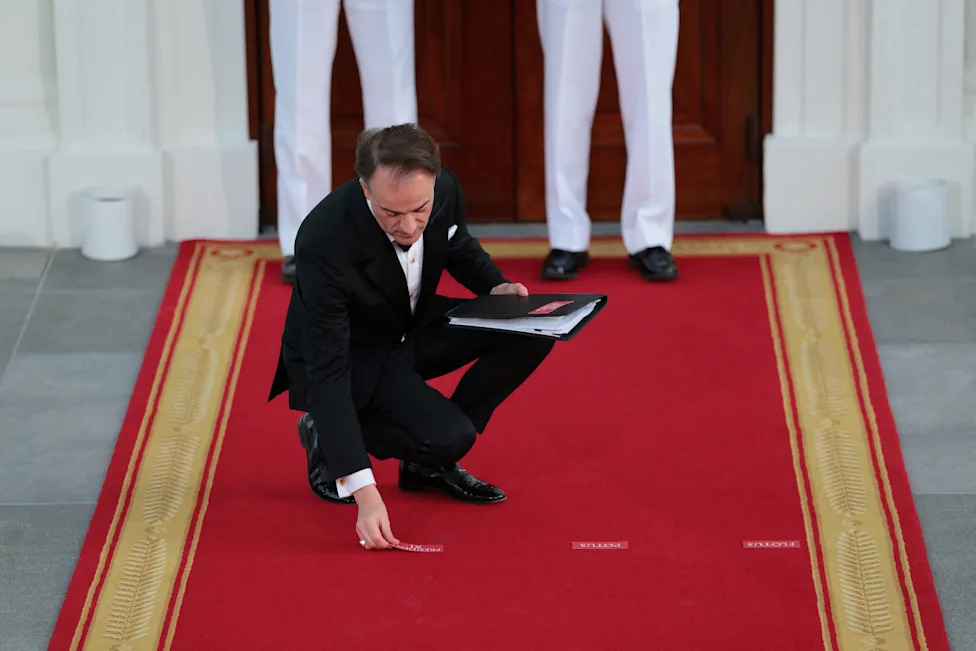
A staff member lays down placement tags on the carpet for US President Donald Trump, first lady Melania Trump, and Chinese President Xi Jinping and his wife, Peng Liyuan, ahead of a state dinner at the North Portico of the White House in Washington, DC on Sept. 24, 2026.(Kylie Cooper, REUTERS)
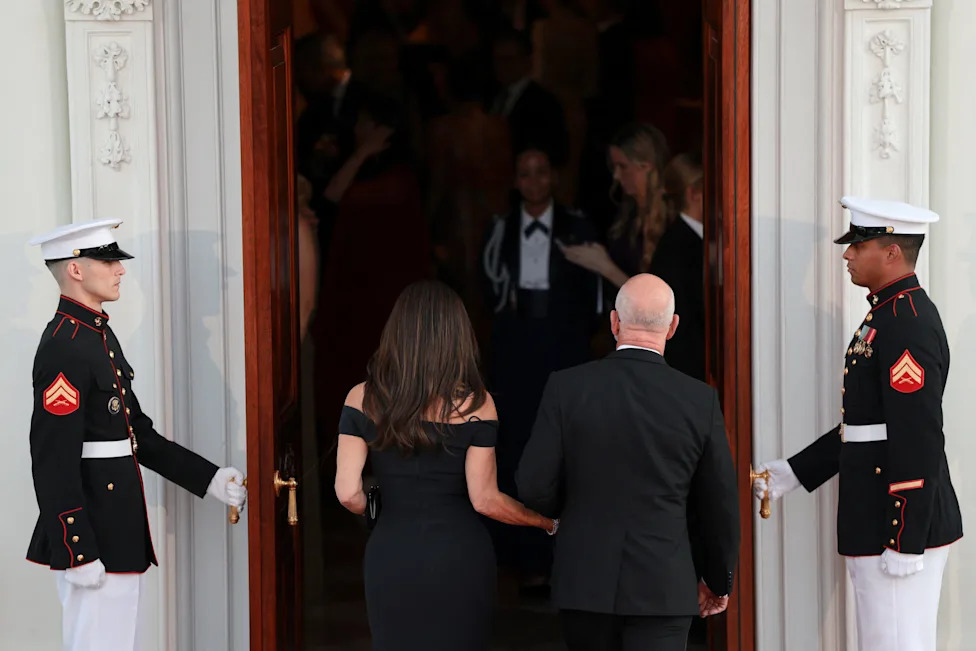
Amazon founder Jeff Bezos and his wife Lauren Sanchez arrive for a state dinner hosted by President Donald Trump and first lady Melania Trump for Chinese President Xi Jinping and his wife, Peng Liyuan, at the North Portico of the White House in Washington, DC on Sept. 24, 2026.(Kylie Cooper, REUTERS)
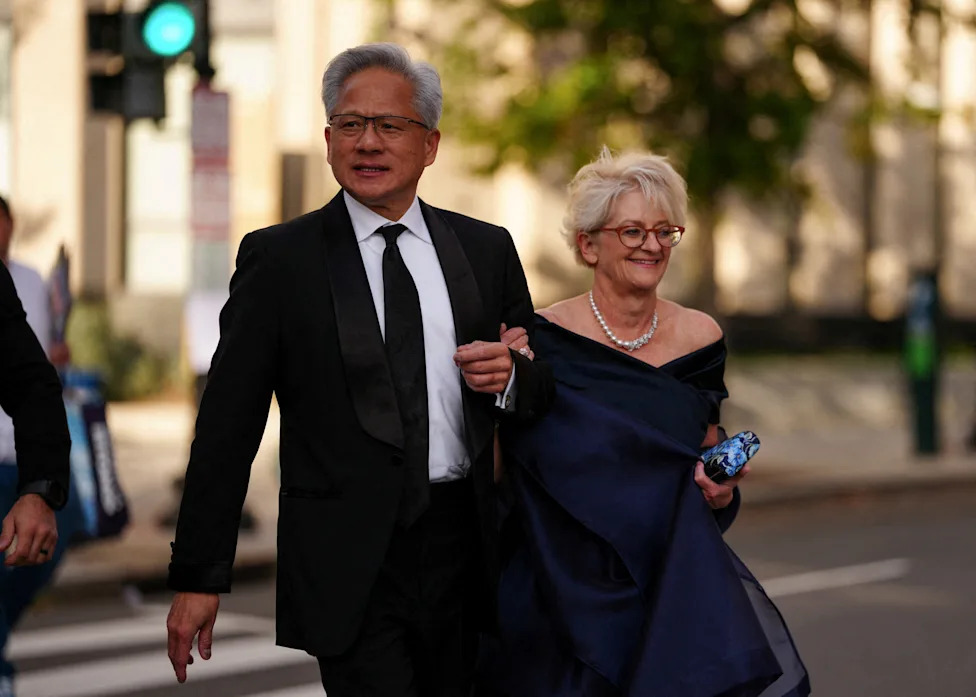
Nvidia CEO Jensen Huang and his wife Lori Huang arrive for a state dinner held by US President Donald Trump and first lady Melania Trump for Chinese President Xi Jinping and his wife, Peng Liyuan, in Washington, DC on Sept. 24, 2026.(Aaron Schwartz, REUTERS)
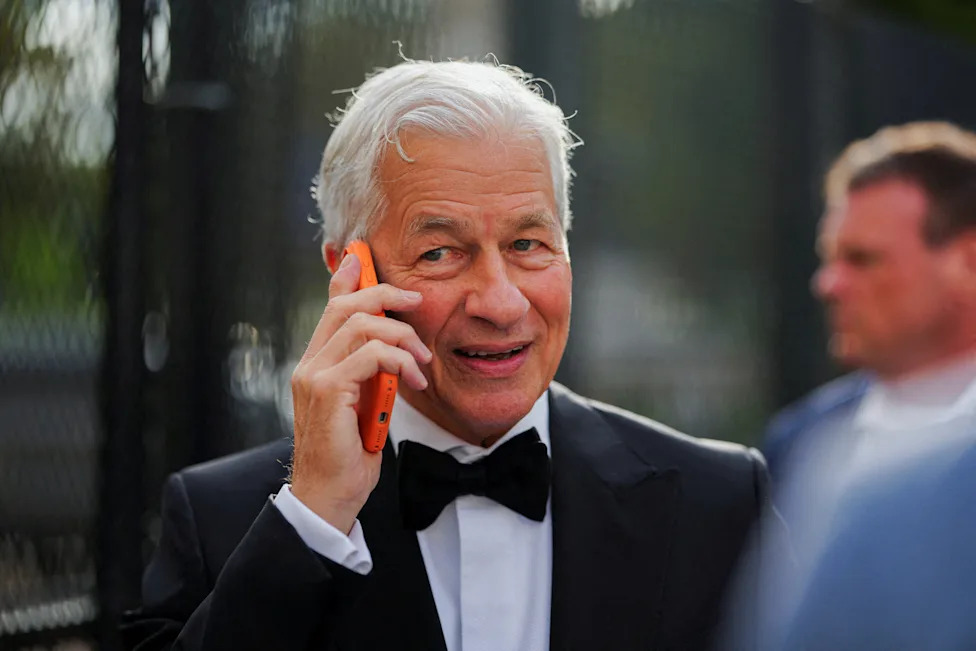
Jamie Dimon, CEO of JPMorgan Chase, arrives to attend a state dinner held by US President Donald Trump and first lady Melania Trump for Chinese President Xi Jinping and his wife, Peng Liyuan, in Washington, DC on Sept. 24, 2026.(Aaron Schwartz, REUTERS)
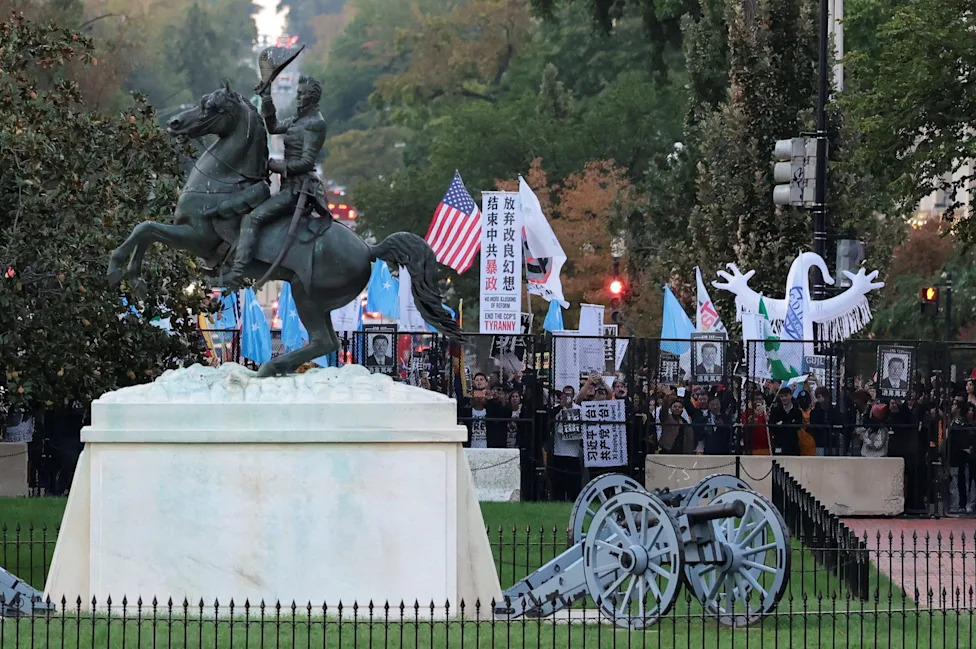
Protesters gather outside the White House ahead of a state dinner hosted by US President Donald Trump and first lady Melania Trump for Chinese President Xi Jinping and his wife, Peng Liyuan, in Washington, DC on Sept. 24, 2026.(Kylie Cooper, REUTERS)
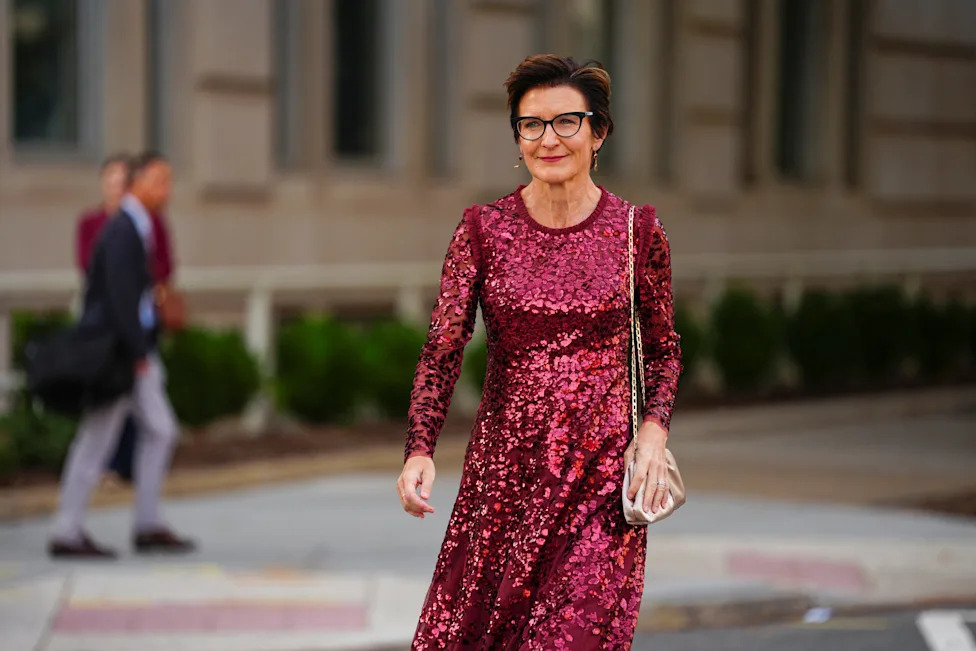
Jane Fraser, CEO of Citigroup, arrives to attend a state dinner held by US President Donald Trump and first lady Melania Trump for Chinese President Xi Jinping and his wife, Peng Liyuan, in Washington, DC on Sept. 24, 2026.(Aaron Schwartz, REUTERS)
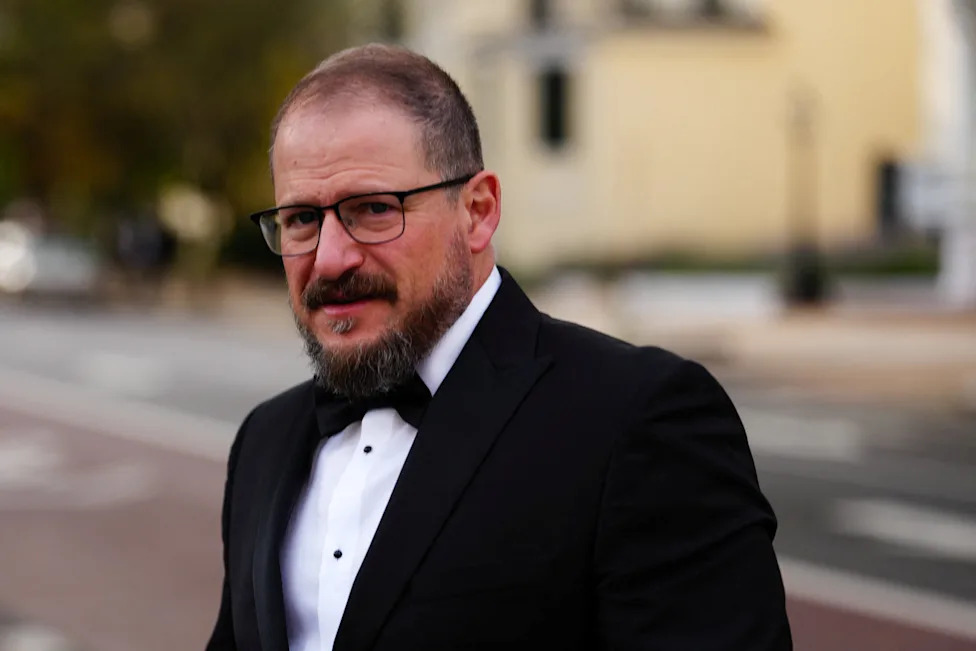
Qualcomm CEO Cristiano Amon arrives for a state dinner held by US President Donald Trump and first lady Melania Trump for Chinese President Xi Jinping and his wife, Peng Liyuan, in Washington, DC on Sept. 24, 2026.(Aaron Schwartz, REUTERS)
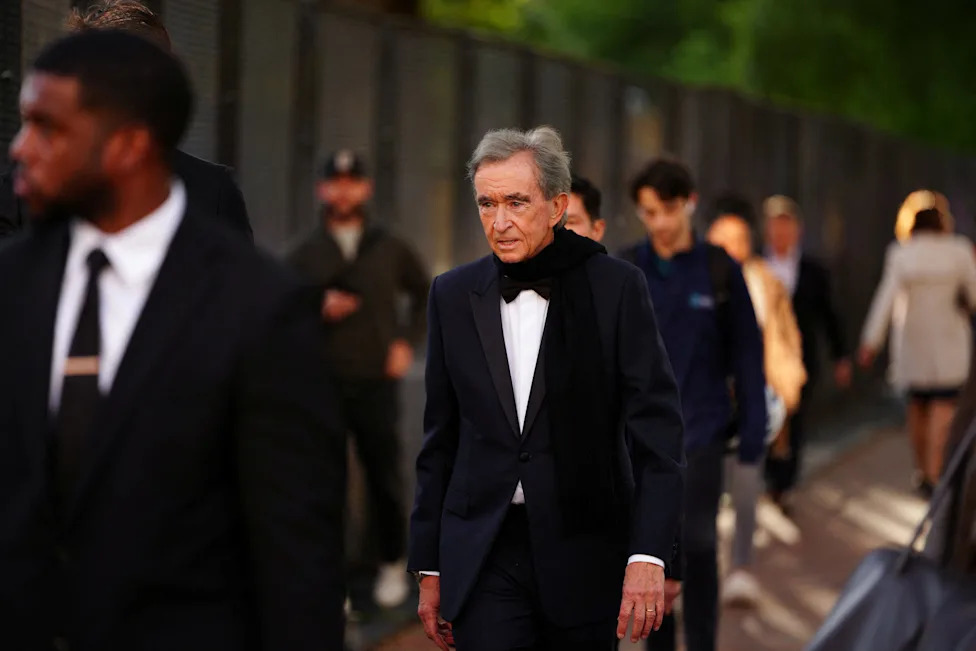
Bernard Arnault, CEO of LVMH, arrives for a state dinner held by US President Donald Trump and first lady Melania Trump for Chinese President Xi Jinping and his wife, Peng Liyuan, in Washington, DC on Sept. 24, 2026.(Aaron Schwartz, REUTERS)
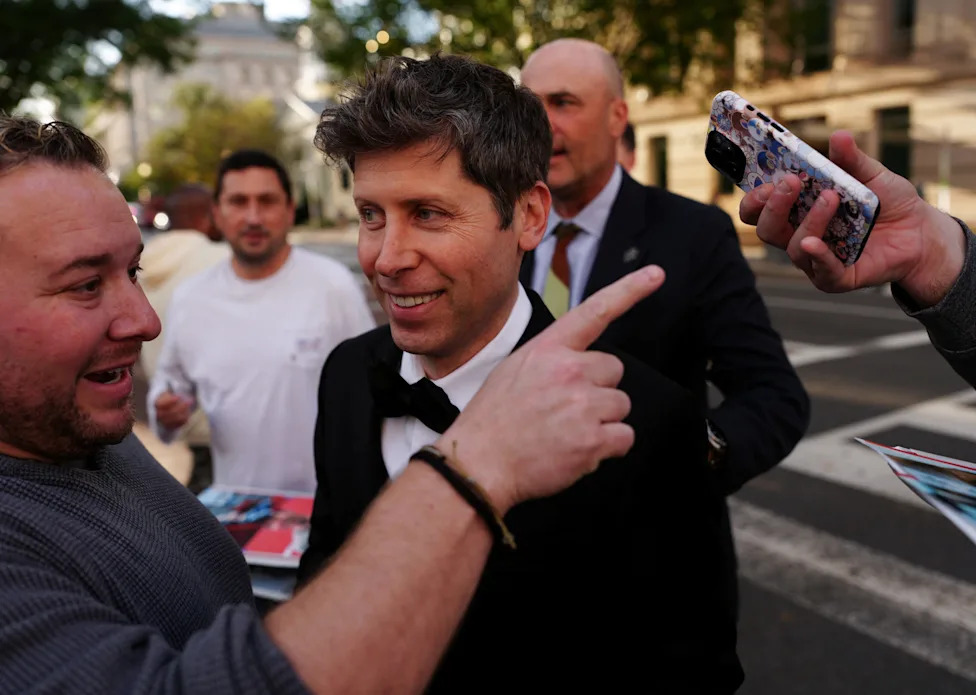
OpenAI CEO Sam Altman arrives for a state dinner held by US President Donald Trump and first lady Melania Trump for Chinese President Xi Jinping and his wife, Peng Liyuan, in Washington, DC on Sept. 24, 2026.(Aaron Schwartz, REUTERS)
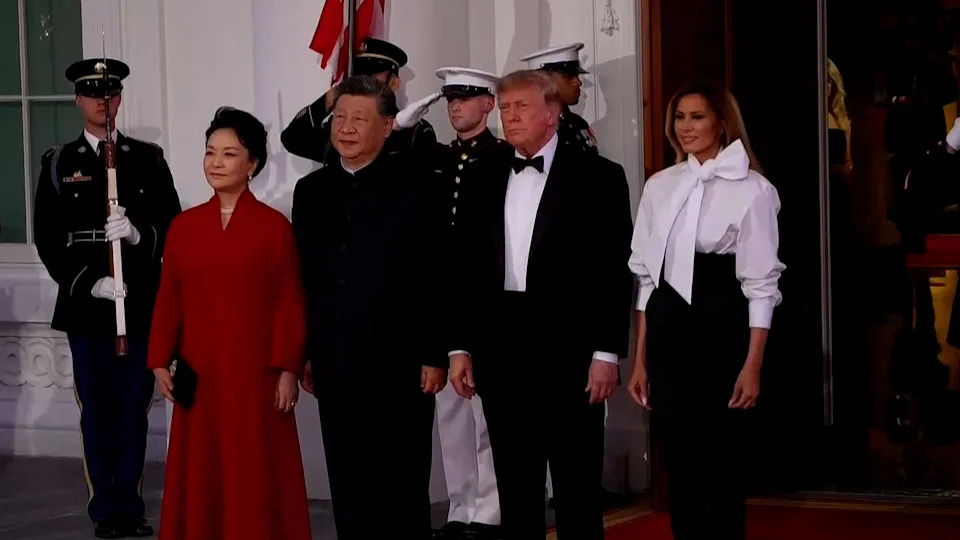
President Trump and First Lady Melania Trump welcome Chinese President Xi Jinping and his wife Peng Liyuan to the White House ahead of a state dinner.
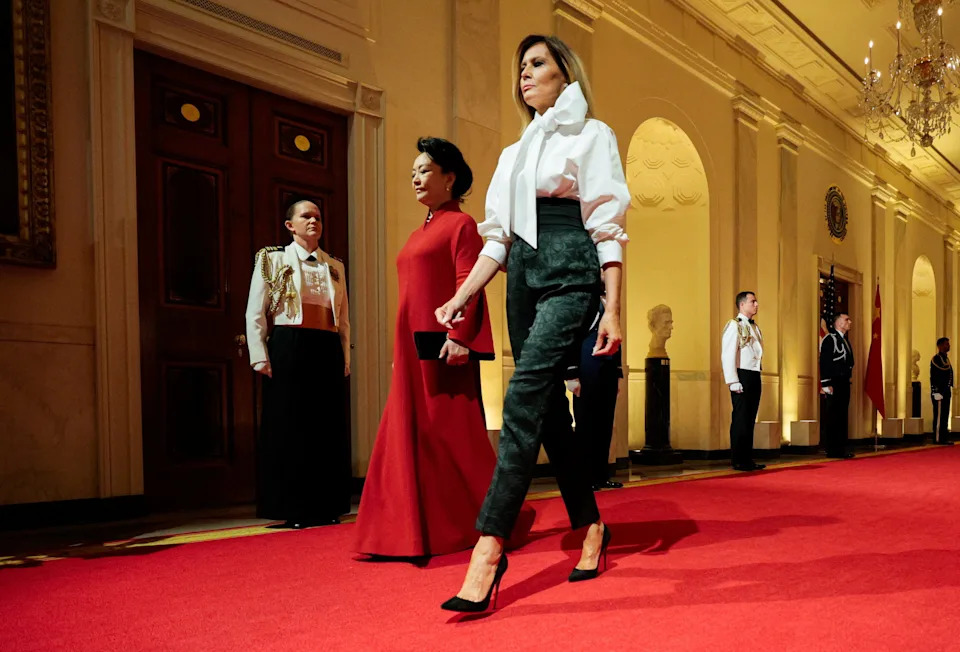
US first lady Melania Trump and Peng Liyuan, the wife of Chinese President Xi, walk at the White House on the day US President Donald Trump hosts a state dinner for China's President Xi Jinping in Washington, D.C., US, September 24, 2026. REUTERS/Evelyn Hockstein
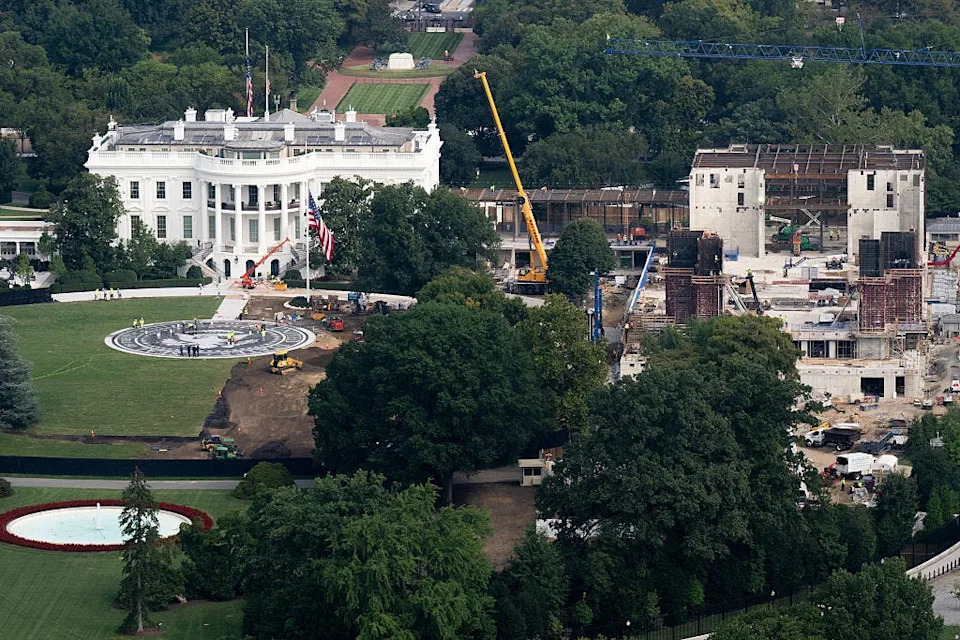
Construction continues on a new East Wing, including President Donald Trump's White House ballroom, as well as a new helipad for Marine One on the South Lawn, at the White House in Washington, DC, September 1, 2026.
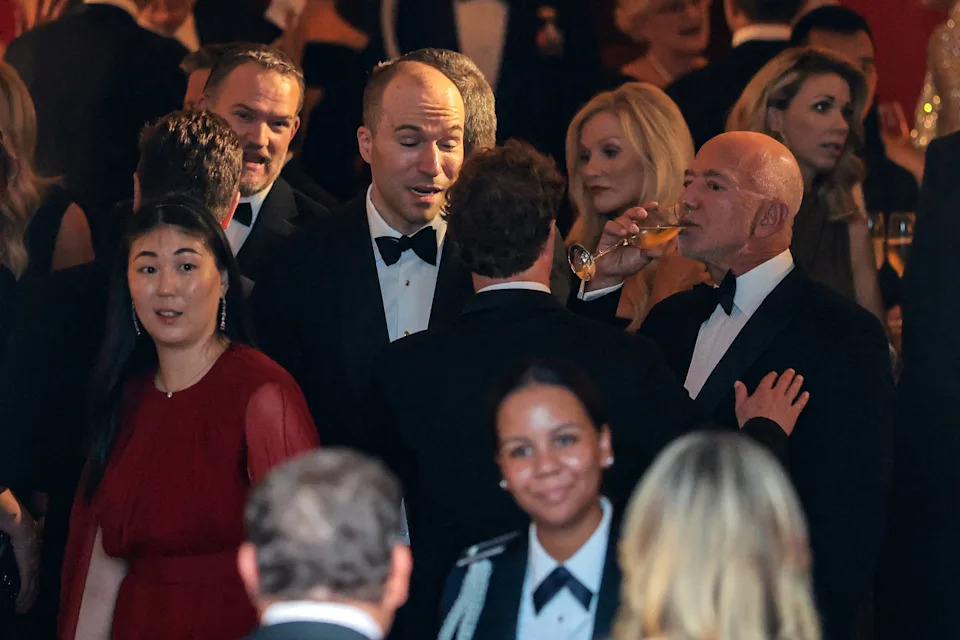
Amazon founder Jeff Bezos mingles among other guests, including OpenAI President Greg Brockman, and US Trade Representative Jamieson Greer, ahead of a state dinner hosted by US President Donald Trump and first lady Melania Trump for Chinese President Xi Jinping and his wife, Peng Liyuan, at the North Portico of the White House in Washington, D.C., US, September 24, 2026. REUTERS/Kylie Cooper
Help us improve.