Federal proposals to weaken power-plant greenhouse-gas rules could slow the shift from fossil fuels and increase U.S. emissions. Climate Central projects that, under a reduced clean-energy scenario, many Southern and Western U.S. cities could average daily summer highs above 100°F by 2100. Climate Crisis 247 combined Climate Central projections with NOAA’s 2025 summer averages to identify and rank ten cities most likely to reach triple-digit average summer highs. The results highlight rising heat risks to public health, infrastructure, and ecosystems.
By 2100, These U.S. Cities Could Average 100°F Summers — What Climate Projections Show

Photo by Hugo L. Casanova on Unsplash
Recent federal proposals to roll back greenhouse-gas rules for U.S. power plants have renewed concerns about the pace of the nation's transition away from fossil fuels. If enacted, such rollbacks could strengthen fossil-fuel interests and slow adoption of clean energy—actions that climate researchers warn may have severe, long-term consequences for regional and global climates.
A report from the nonprofit research group Climate Central projects that continued, accelerated fossil-fuel consumption will push summer temperatures higher across much of the United States. Using those projections, Climate Crisis 247 identified U.S. cities likely to see average daytime summer highs exceed 100°F by 2100 under a scenario of reduced clean-energy commitments.
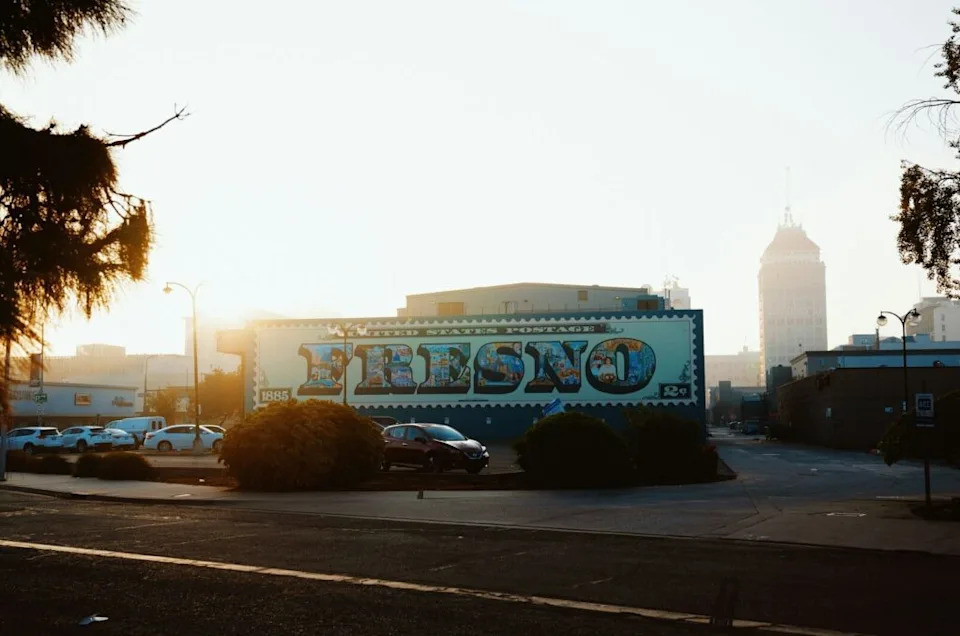
Photo byEvan WiseonUnsplash
Methodology: The analysis adds Climate Central’s projected summer temperature increases to the National Oceanic and Atmospheric Administration’s (NOAA) reported average summer daily highs for 2025. Only cities with 2025 summer averages below 100°F and projected 2100 averages above 100°F were included. Cities are ranked by the absolute projected increase in average daily summer highs; comparable current climates are provided for context, with driving-distance approximations where available.
10. Fresno, California
Projected change: +7.4°F — Avg. summer high in 2100: 104.5°F (2025: 97.1°F)
Comparable current climate: Peoria, Arizona (≈600 miles SE)
9. Abilene, Texas
Projected change: +7.5°F — Avg. summer high in 2100: 102.1°F (2025: 94.6°F)
Comparable current climate: Dubai, United Arab Emirates
8. Ft. Smith, Arkansas
Projected change: +7.6°F — Avg. summer high in 2100: 100.1°F (2025: 92.5°F)
Comparable current climate: Piedras Negras, Mexico (≈770 miles SW)
7. Austin, Texas
Projected change: +7.6°F — Avg. summer high in 2100: 103.3°F (2025: 95.7°F)
Comparable current climate: Dubai, United Arab Emirates
6. Little Rock, Arkansas
Projected change: +7.8°F — Avg. summer high in 2100: 100.7°F (2025: 92.9°F)
Comparable current climate: Navojoa, Mexico (≈1,700 miles SW)
5. Dallas, Texas
Projected change: +7.8°F — Avg. summer high in 2100: 101.2°F (2025: 93.4°F)
Comparable current climate: Ciudad Obregón, Mexico (≈1,250 miles SW)
4. Waco, Texas
Projected change: +7.8°F — Avg. summer high in 2100: 101.4°F (2025: 93.6°F)
Comparable current climate: Ad Dammām, Saudi Arabia
3. Wichita Falls, Texas
Projected change: +8.3°F — Avg. summer high in 2100: 101.2°F (2025: 92.9°F)
Comparable current climate: Luxor, Egypt
2. Salt Lake City, Utah
Projected change: +8.6°F — Avg. summer high in 2100: 102.7°F (2025: 94.1°F)
Comparable current climate: Los Mochis, Mexico (≈1,300 miles S)
1. Grand Junction, Colorado
Projected change: +8.7°F — Avg. summer high in 2100: 102.0°F (2025: 93.3°F)
Comparable current climate: Edinburg, Texas (≈1,300 miles SE)
What this means: If these projections are realized, many communities will face more frequent and sustained extreme-heat conditions—raising public-health risks, increasing energy demand for cooling, and stressing infrastructure and ecosystems. The findings underscore how national policy choices on greenhouse-gas emissions can substantially shape local climate futures.
Sources: Climate Central projections and NOAA average summer daily highs (2025). Comparable-city distances are approximate driving distances where noted.
Help us improve.