NOAA data show the Lower 48 averaged 58.0°F from January–August 2026, about 4.1°F above the 20th‑century norm, putting the continental U.S. on track for its warmest year on record. July 2026 was the warmest single month since records began; August 2026 is the hottest August ever. Ten states — mainly in the West and parts of the South — have set record Jan–Aug averages, with many locations seeing daily highs well above historical norms. The heat has contributed to historically low Rockies snowfall and heightened wildfire and public‑health risks.
10 U.S. States Poised to Shatter Heat Records in 2026
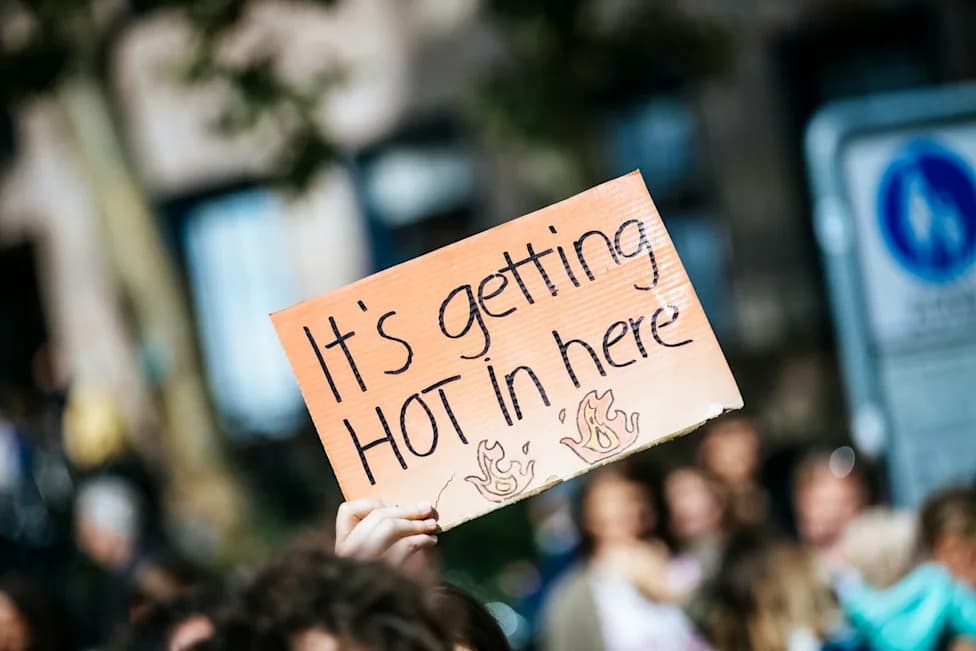
Photo by Markus Spiske on Unsplash
With fewer than four months remaining in 2026, the continental United States looks set to record its warmest year on record. The National Oceanic and Atmospheric Administration (NOAA) reports that the Lower 48 averaged 58.0°F from January through August — roughly 4.1°F above the 20th-century average for the same period.
This extraordinary warmth was driven largely by an exceptionally hot summer. July 2026 is now the warmest single month on record since national measurements began in 1895, and August 2026 is the hottest August ever recorded. The West and parts of the South were especially affected: repeated heat waves produced widespread triple‑digit daytime highs and contributed to historically low snowfall across the Rockies.
Using NOAA data, Climate Crisis 247 identified the 10 Lower‑48 states where January–August 2026 averages already exceed any prior year on record and are therefore the most likely to finish 2026 as their warmest year. The states are ranked below by how far their 2026 Jan–Aug average exceeds the 20th‑century Jan–Aug average. Supplemental highest-state-temperature figures come from NOAA's Northeast Regional Climate Center.
Top 10 States On Track For Record-High Years
10. Texas
Jan–Aug 2026 average: 71.0°F (Highest on record)
20th‑century Jan–Aug avg: 66.5°F (4.5°F cooler)
Average daily high, Jan–Aug 2026: 83.7°F (4.7°F warmer than norm)
Highest recorded in 2026: 118°F on June 19, 2026 (Reagan County)
9. Montana
Jan–Aug 2026 average: 48.2°F (Highest on record)
20th‑century Jan–Aug avg: 43.3°F (4.9°F cooler)
Average daily high, Jan–Aug 2026: 61.2°F (5.6°F warmer than norm)
Highest recorded in 2026: 116°F on July 13, 2026 (Rosebud County)
8. Oklahoma
Jan–Aug 2026 average: 66.8°F (Highest on record)
20th‑century Jan–Aug avg: 61.8°F (5.0°F cooler)
Average daily high, Jan–Aug 2026: 79.8°F (6.0°F warmer than norm)
Highest recorded in 2026: 113°F on August 25, 2026 (Grady County)
7. California
Jan–Aug 2026 average: 63.6°F (Highest on record)
20th‑century Jan–Aug avg: 58.5°F (5.2°F cooler)
Average daily high, Jan–Aug 2026: 76.6°F (5.4°F warmer than norm)
Highest recorded in 2026: 124°F on August 8, 2026 (Inyo County)
6. Nevada
Jan–Aug 2026 average: 57.1°F (Highest on record)
20th‑century Jan–Aug avg: 51.4°F (5.7°F cooler)
Average daily high, Jan–Aug 2026: 71.6°F (6.4°F warmer than norm)

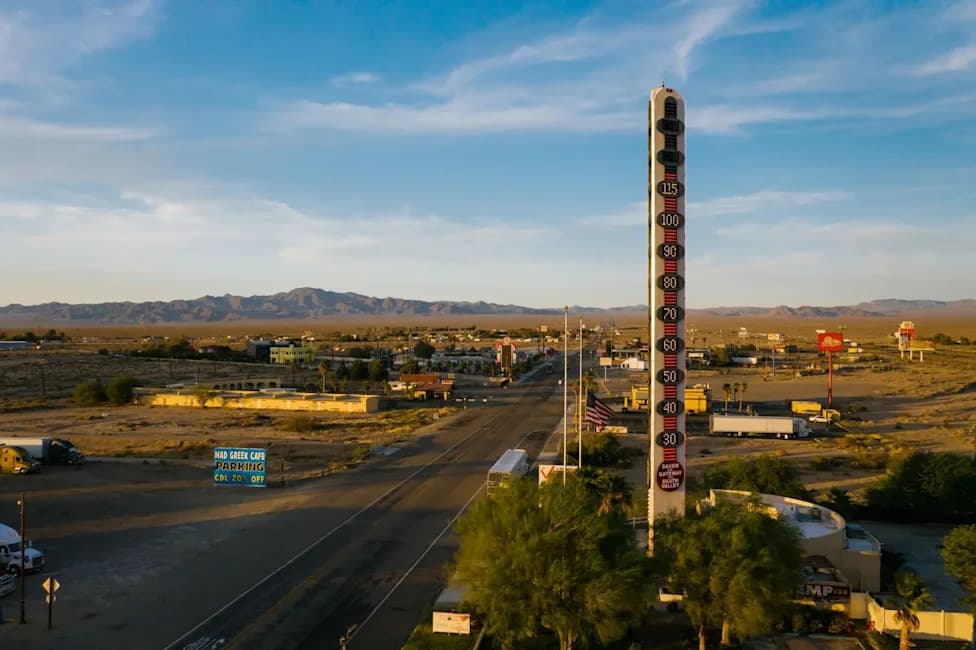
Photo byDan FormsmaonUnsplash
Highest recorded in 2026: 120°F on August 4, 2026 (Clark County)
5. New Mexico
Jan–Aug 2026 average: 60.6°F (Highest on record)
20th‑century Jan–Aug avg: 54.9°F (5.7°F cooler)
Average daily high, Jan–Aug 2026: 76.4°F (6.5°F warmer than norm)
Highest recorded in 2026: 110°F on July 28, 2026 (Quay County)
4. Wyoming
Jan–Aug 2026 average: 48.6°F (Highest on record)
20th‑century Jan–Aug avg: 42.9°F (5.7°F cooler)
Average daily high, Jan–Aug 2026: 62.7°F (6.9°F warmer than norm)
Highest recorded in 2026: 111°F on July 13, 2026 (Park County)
3. Colorado
Jan–Aug 2026 average: 52.5°F (Highest on record)
20th‑century Jan–Aug avg: 46.6°F (5.9°F cooler)
Average daily high, Jan–Aug 2026: 67.4°F (7.0°F warmer than norm)
Highest recorded in 2026: 113°F on July 27, 2026 (Kit Carson County)
2. Arizona
Jan–Aug 2026 average: 67.0°F (Highest on record)
20th‑century Jan–Aug avg: 61.1°F (6.0°F cooler)
Average daily high, Jan–Aug 2026: 81.8°F (6.5°F warmer than norm)
Highest recorded in 2026: 122°F on August 2, 2026 (Mohave County)
1. Utah
Jan–Aug 2026 average: 56.1°F (Highest on record)
20th‑century Jan–Aug avg: 49.8°F (6.3°F cooler)
Average daily high, Jan–Aug 2026: 69.9°F (7.3°F warmer than norm)
Highest recorded in 2026: 112°F on August 2, 2026 (Washington County)
Why This Matters
Extreme seasonal warmth increases risks to public health, strains energy systems, elevates wildfire danger, and reduces mountain snowpack that supplies water to millions. While 2026's record warmth is linked to natural variability (including a strong El Niño) and long-term human-caused warming, the immediate impacts — heat waves, low snow and drought stress — are already apparent across the West and southern U.S.
Sources: National Oceanic and Atmospheric Administration (NOAA); Climate Crisis 247; NOAA Northeast Regional Climate Center.
Photo credit: Dan Formsma / Unsplash
Help us improve.