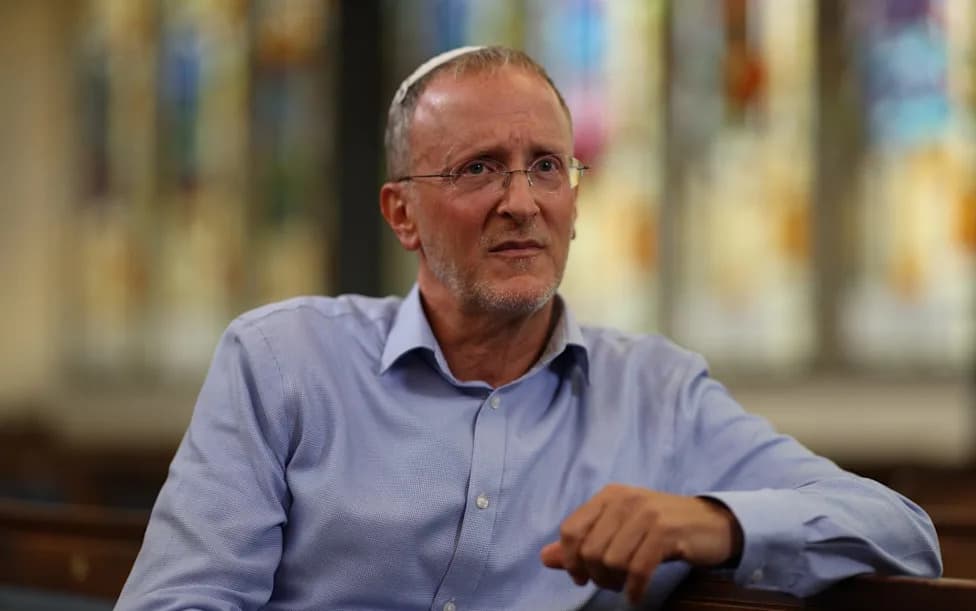
Margaret Hodge reflects on Jewish identity, anti‑Semitism and five decades in British politics while promoting her memoir, Battle Axe. Now the government's anti‑corruption commissioner, she discusses the rise of anti‑Semitism, criticism of Israel, and the need for stronger enforcement against dirty money. Hodge also revisits her achievements and regrets as Islington council leader, including council housebuilding and the mishandling of child‑abuse allegations. At 82 she continues to campaign — notably for NHS mammograms for women over 70 — and remains ready for further public service.
Margaret Hodge: Jewish Identity, Anti‑Semitism and a Lifelong Fight — Excerpts From Battle Axe
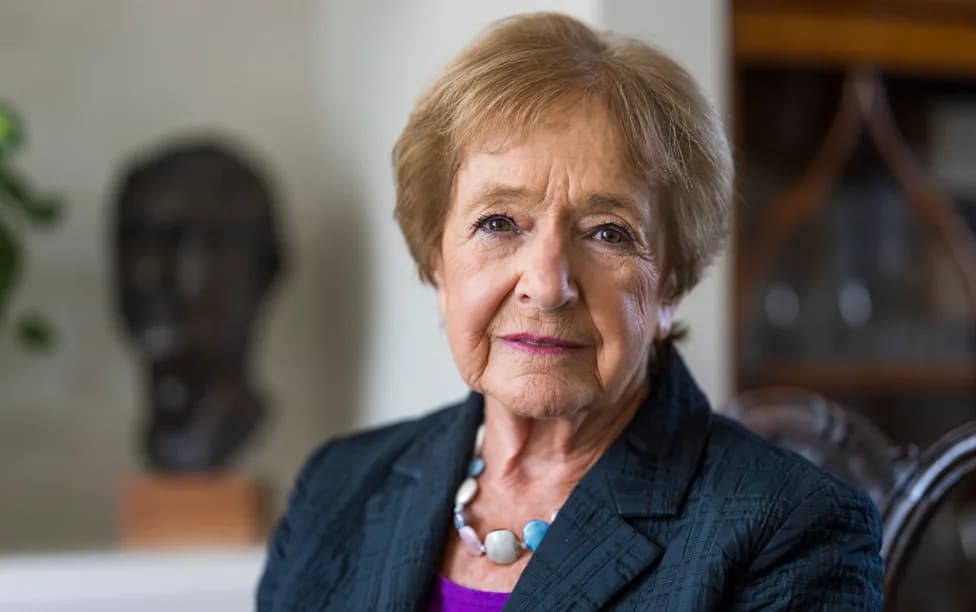
Baroness Hodge photographed for The Telegraph at her home in North London - Andrew Crowley
Margaret Hodge sits in the sitting room of her smart North London terraced home, hesitating over whether to swap the elegant necklace she plans to wear for a photograph for an alternative bearing a Star of David. It is, she explains, a recent purchase and a small but significant gesture from someone who describes herself as "totally irreligious" yet now feels compelled to be visibly Jewish.
Hodge, 82, says the recent rise in anti‑Semitism in the UK — and her public clash with Jeremy Corbyn in 2018 when she accused him of allowing anti‑Semitism to become institutionalised in the Labour Party — has made her more conscious of her identity. "I'm Jewish to my core," she says, adding that she sometimes wears the Star of David deliberately when walking past her local Finsbury Park mosque as a statement that she will not hide her faith.
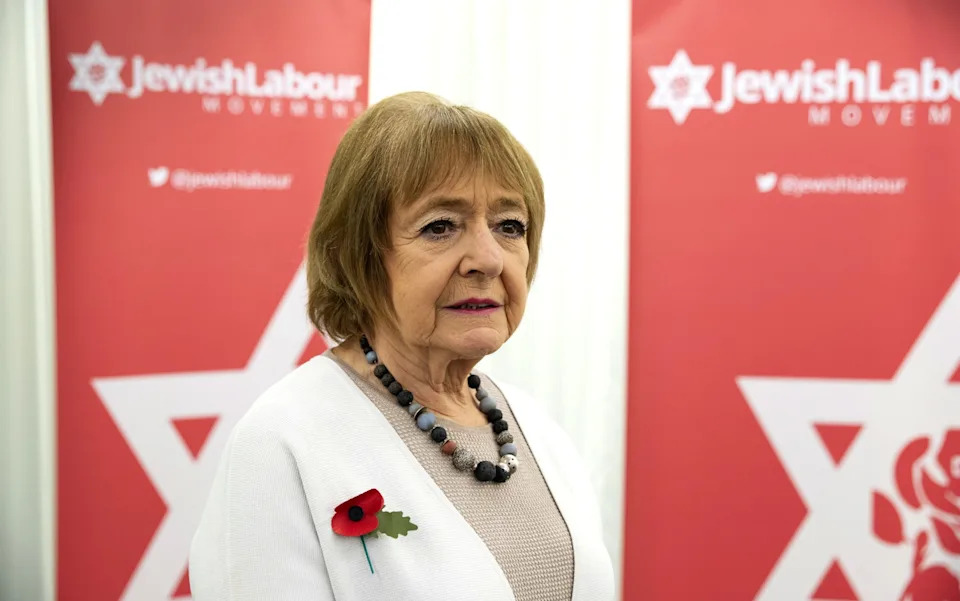
Hodge accused Jeremy Corbyn of institutionalising anti-Semitism within the Labour Party while he was leader - Getty/Ian Vogler
Politics, Privilege And Parliamentary Interventions
Now Baroness Hodge and the government's anti‑corruption commissioner, she remains an outspoken figure. In a recent House of Lords debate on political donations — prompted by reports of a large donation to Reform UK — she used parliamentary privilege to allege similar tactics had been used by the Conservative Party and named an individual she said had been targeted.
"I have got this anti‑corruption agenda, and cleaning up politics is part of it," she says. Hodge argues party funding and lobbying rules must be reformed, especially if powers are to be devolved to local government. She looks to the United States for enforcement examples: "We pass laws but the Americans are much better at enforcing them — not only getting convictions, but getting the money back."

Green Party leader Zack Polanski with Ben Jamal, then director of the Palestine Solidarity Campaign, October 2025 - Finnbarr Webster/Getty Images
Israel, The West Bank And Questions Of Identity
Although the conversation turns often to her new memoir, Battle Axe, Hodge repeatedly returns to Israel, Gaza, the Palestinians and anti‑Semitism. She calls the situation in the West Bank settlements "a complete bl---y nightmare," and cites a claim from an academic friend that tens of thousands of Jews are leaving Israel each year — a development she thinks is underreported.
Asked whether a Jew can be anti‑Semitic, she replies bluntly, "Why not?" and points to Green leader Zack Polanski, who is Jewish but has faced criticism for not acting over allegedly anti‑Jewish comments by members of his party. "He verges on allowing himself to be anti‑Semitic," she says.
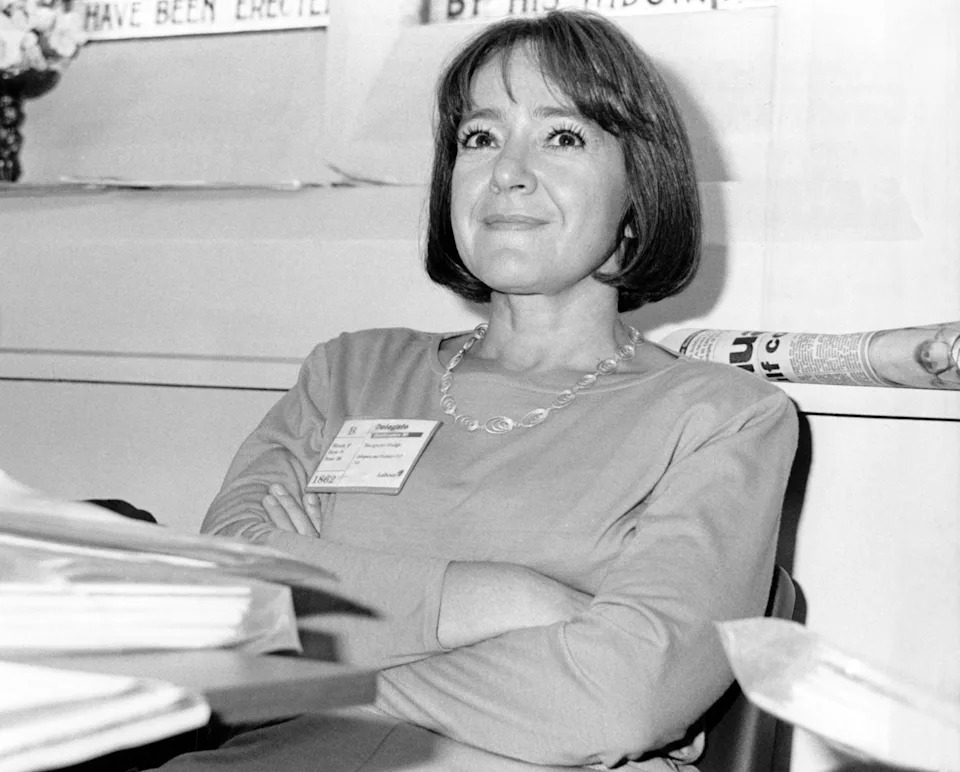
Attending an event as Islington council leader, October 1990 - Getty/Stewart White/Monitor Picture Library/Popperfoto
Hodge is careful with her words and proud of having built cross‑party alliances. She says she reclaimed the phrase "battle axe" for her book title: if a man is tough and direct, those traits are praised — she wanted the same recognition for women.
Early Life And Political Rise
Born Margaret Oppenheimer in Egypt during the Second World War to Jewish refugee parents, she came to Britain at age four speaking German as her first language. Her grandmother, Marianne, died in a concentration camp in Lithuania. The family later settled in Orpington, where her father founded a successful steel‑trading business.
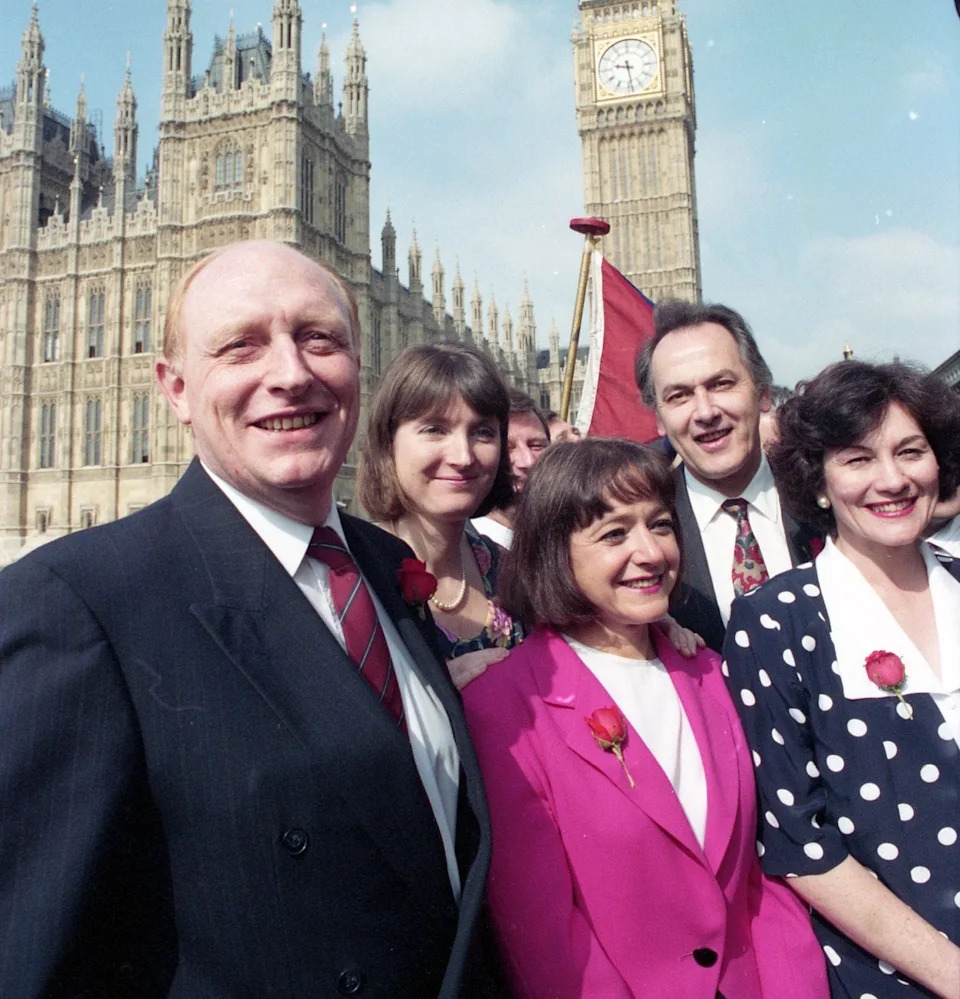
Hodge (in pink jacket) with Neil Kinnock and Harriet Harman, May 1991 - Brian Smith
Hodge studied politics at the London School of Economics in the 1960s but was more invested in student protest than in examinations. After a stint on a kibbutz in Israel, she entered local politics and was elected to Islington council in 1973. She later became council leader in 1982, a decade that brought both high‑profile housing programmes and hostile press labels such as "Red Margaret".
Housing, Regret And Public Service
As chair of Islington's housing committee she led a substantial council‑house building programme, converting properties and accelerating new builds. She argues today that housebuilding should once again be driven by councils contracting builders rather than left entirely to profit‑seeking developers.
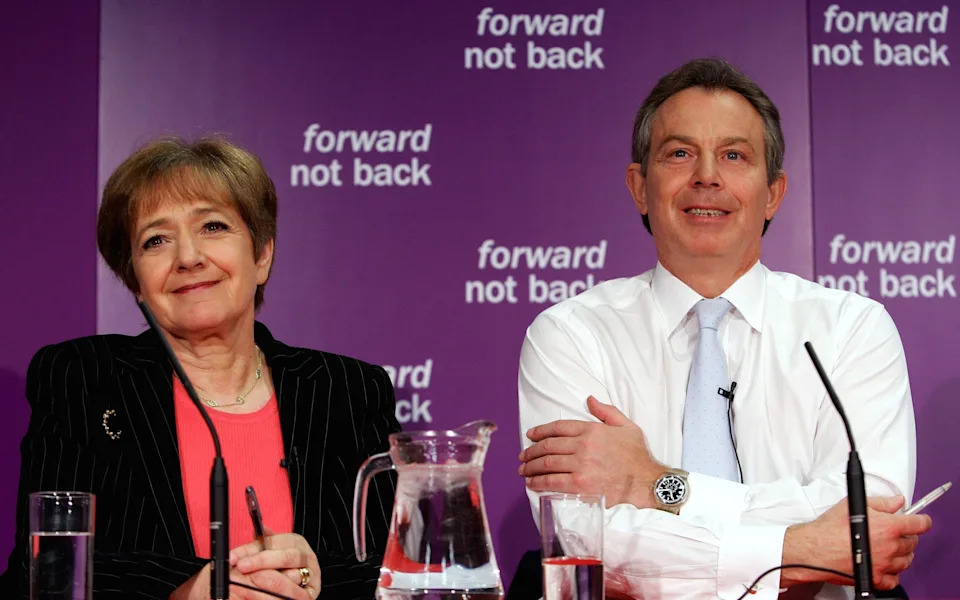
'I think history will be kinder to Gordon [than Blair],' says Hodge, pictured with the latter during a 2005 press conference - Getty/Graeme Robertson
Hodge also acknowledges serious failings from her time as council leader: she calls the mishandling of child abuse allegations in council properties "unconscionable" and her "greatest regret," admitting children’s testimony was sometimes dismissed while adults were believed.
From 1997 she held ministerial roles in New Labour governments and later chaired the Commons Public Accounts Committee from 2010 to 2015. Her forthright approach — famously telling a senior BBC executive "I am not having any more lies this afternoon" — shaped her reputation for rigorous scrutiny of public money.
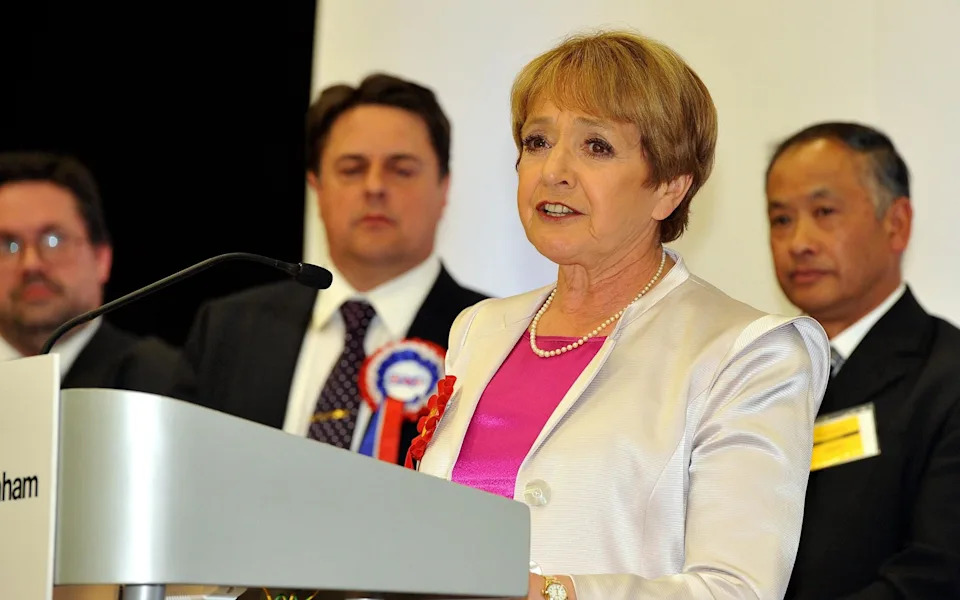
Giving her victory speech at the 2010 general election after defeating the BNP's Nick Griffin in Barking - PA Archive/John Stillwell
Anti‑Corruption Work, The Monarchy And Dirty Money
As the government's anti‑corruption commissioner, Hodge warns that Britain has become an attractive jurisdiction for dirty money and that enforcement remains too weak. She criticises the professional enablers — accountants, lawyers and banks — and calls for better transparency around public money that supports institutions such as the monarchy.
Personal Loss And New Campaigns
In more private chapters of her memoir she reflects on her husband Henry, a High Court judge who died in 2009, and on life as a widow. She is frank about health challenges: after treatment for breast cancer last year she is campaigning for routine NHS mammograms for women over 70, arguing screening should not stop simply because of age.
Earlier this year she was widely tipped for the chairmanship of Ofcom; she applied and was interviewed but was not appointed. "I would have loved to do it," she says. "I feel I have one more big job in me." At 82, she says she would not bet against herself.
Battle Axe: A Memoir by Margaret Hodge (William Collins, £25) is out now.
Help us improve.