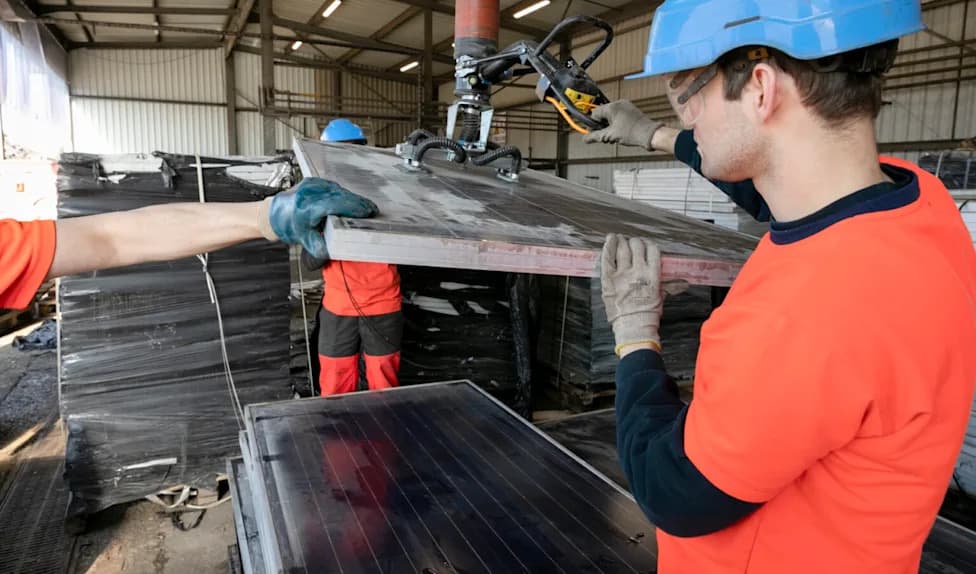
At Premifab’s facility in Ivanić-Grad, Croatia, contaminated solvents from industries such as food packaging, pharmaceutical and automotive are purified through distillation and filtration and returned to clients for reuse. Partly EU-funded, the plant reports recovering about 3 million kilograms of solvents per year with a 90% recovery rate, using distillation residues to generate energy and repurposing resulting ash. The firm says turnover has grown ~20–25% annually since 2014 and claims recovered solvents can cut CO2 emissions compared with primary production.
Inside Croatia’s 'Truly Circular' Plant That Gives Hazardous Solvents a Second Life
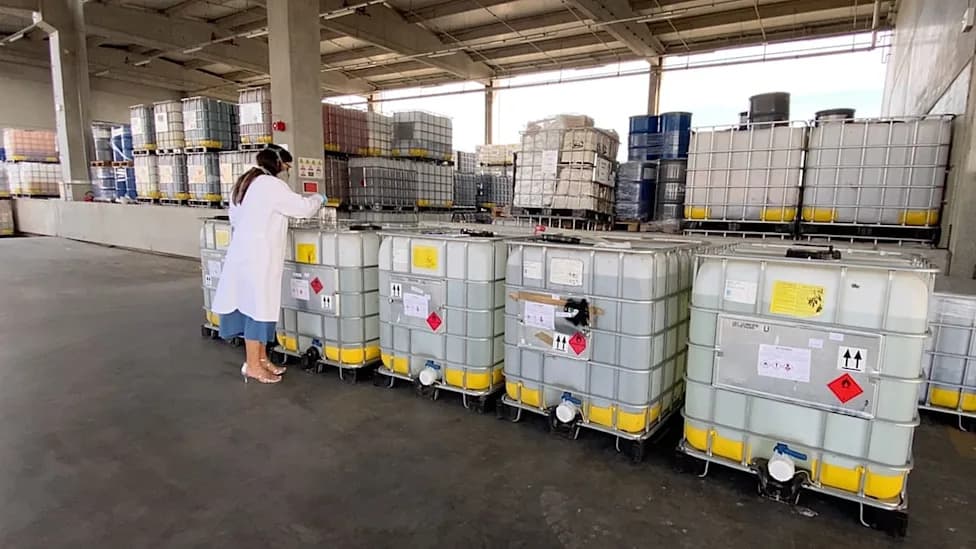
From Croatia without waste: “truly circular” process offers hazardous chemicals a second life
At a modest industrial site in Ivanić-Grad, Croatia, workers in air-filtering masks transform heavily contaminated solvents—ethanol, benzene, acetone and paint thinners—into clean, reusable chemicals. The feedstock arrives from food-packaging, pharmaceutical and automotive plants, often laden with hazardous residues.
How the Process Works
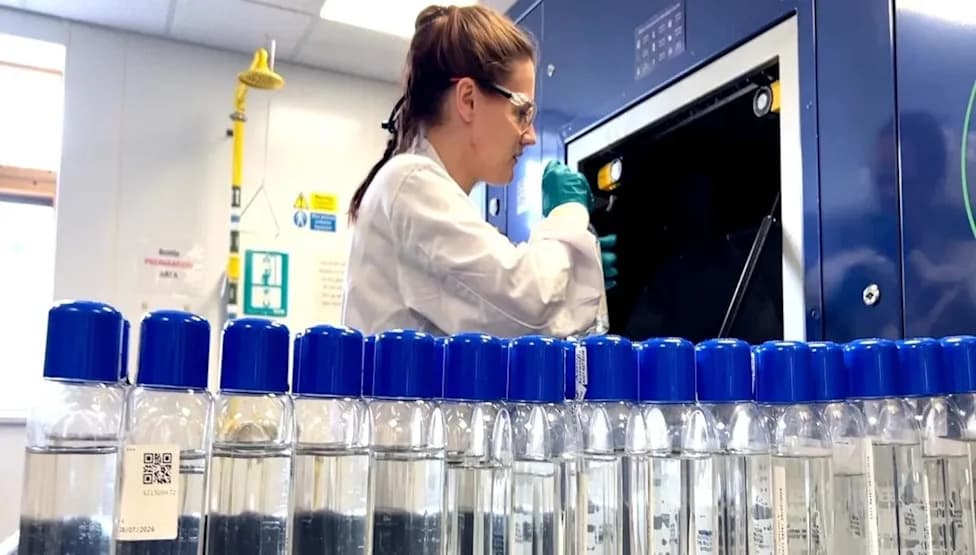
Premifab employs a multi-stage purification sequence, centred on careful distillation and targeted filtration. Incoming wastes are first sampled and analysed in an on-site laboratory to determine whether recovery is technically and economically feasible. As Silvija Petković, Quality Control Director and Laboratory Manager, explains:
“Solvents are flammable liquids, so we take extensive precautions. If distillation yield is too low or residues are unmanageable, we decline the material.”
When a batch is suitable, it is distilled to separate usable solvent from water and other impurities. After distillation, recovered solvent undergoes further quality-control checks; cloudy or precipitated samples receive additional filtration before approval. Clear, compliant batches are sealed in specialist containers and returned to clients.
Safe Transport And Industrial Reuse
Transporting recovered solvents requires specialised drivers trained to handle hazardous liquids safely. Nikola Gojavić, a company driver, notes that the cargo is “unique” and demands strict loading and emergency procedures. One recipient, family-owned Rotoplast, uses the returned solvents to dissolve inks in its printing operations. Rotoplast’s Production Director, Antun Čengić, says the arrangement reduces production costs while improving sustainability.
Closing Multiple Loops
Partly supported by EU funds, Premifab says it recovers roughly 3,000,000 kg of used solvents annually and achieves about a 90% recycling rate for the contaminated material it accepts. The operation also manages residues: filtrates and other impurities consolidate into sludge that is burned in a rotary kiln to generate energy for the facility. The resulting ash, Premifab states, can be repurposed as a construction material—another loop closed in the waste lifecycle.
Business And Climate Claims
Facing competition from larger players in Germany, France, Spain and Italy, Premifab emphasizes efficiency and versatility. Business Development Director Igor Podravac reports steady growth since the company opened in December 2014, with turnover climbing around 20–25% per year. The company also claims that recovered solvents can yield up to 10 times less CO2 than equivalent primary-production routes, though lifecycle assessments and external verification would clarify the extent of those savings.
Outlook
The local-to-European demand for solvent-recycling services appears strong. For manufacturers like Rotoplast—founded in 1975 and employing about 260 people—returned solvents represent both cost savings and a step toward more circular, sustainable production. Premifab’s model demonstrates how industrial chemistry, careful quality control and logistical safety can convert hazardous waste into a valuable resource.
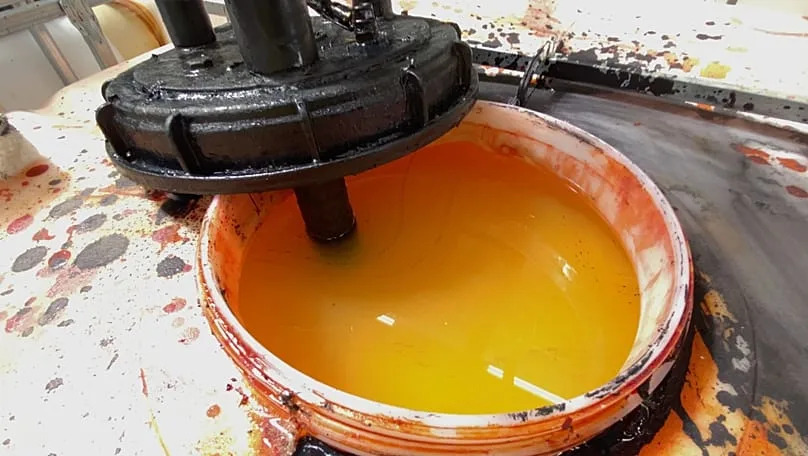
Polluted solvents prior to the purification process - © Euronews
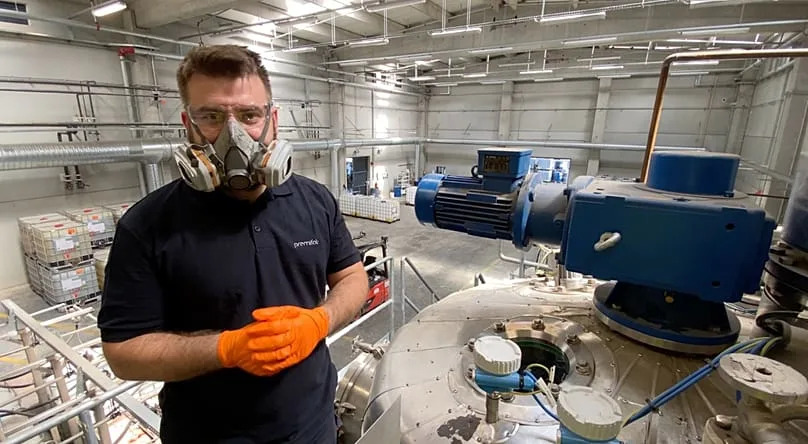
Mario Želježnjak, Production Supervisor at Premifab Ltd - © Euronews
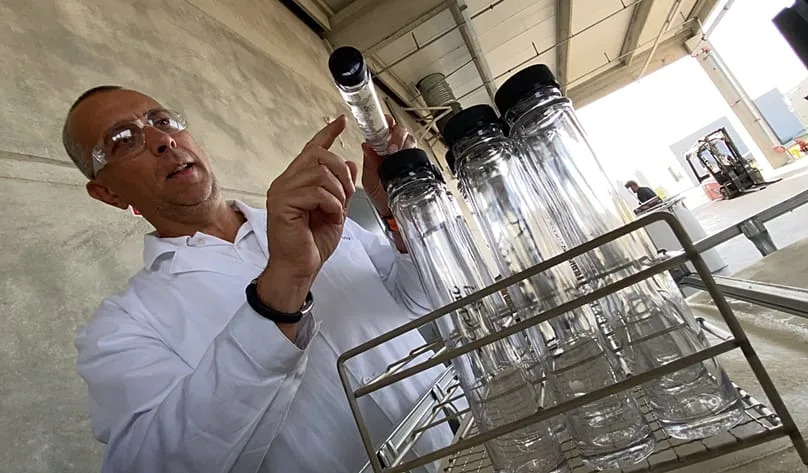
Igor Podravac is the company´s Business Development Director - © Euronews
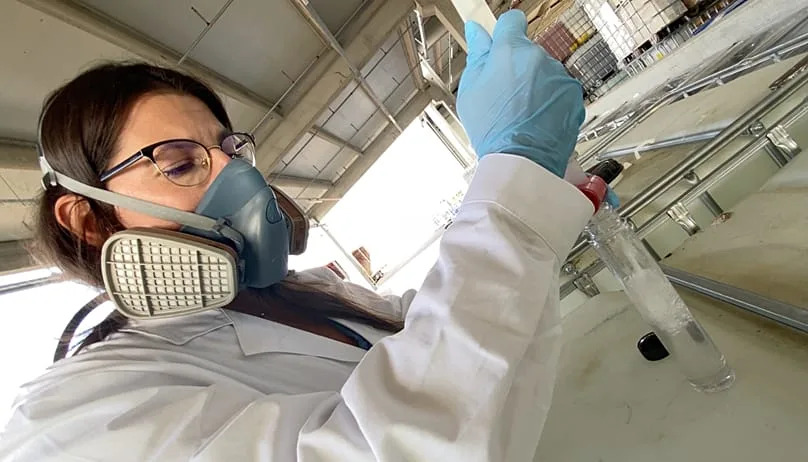
Silvija Petković works as Quality Control Director & Laboratory Manager - © Euronews
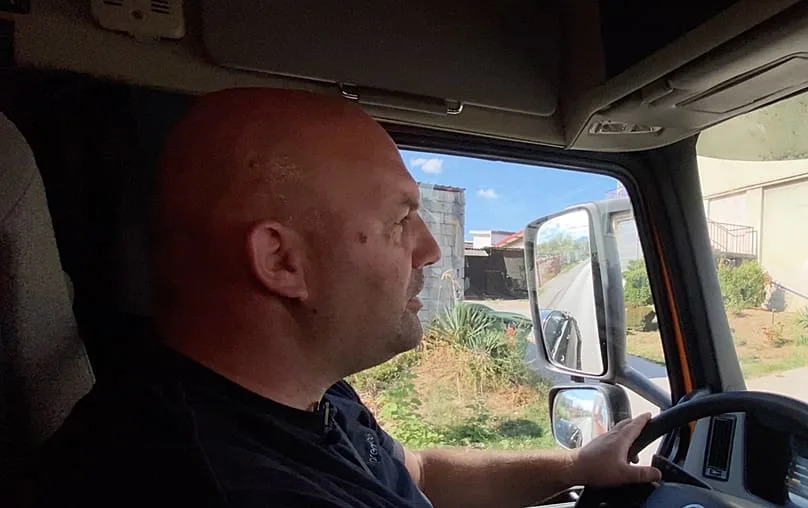
Driver Nikola Gojavić handles and transports hazardous chemicals - © Euronews
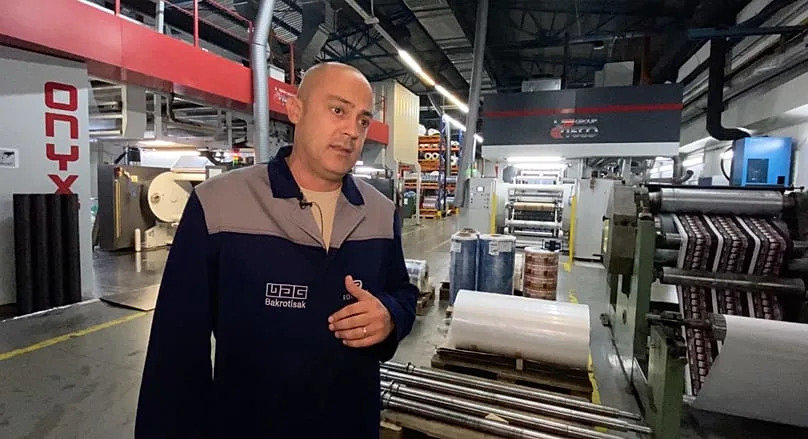
Blaženko Marić, Chief Executive Officer at Rotoplast. The company reuses purified solvents - © Euronews
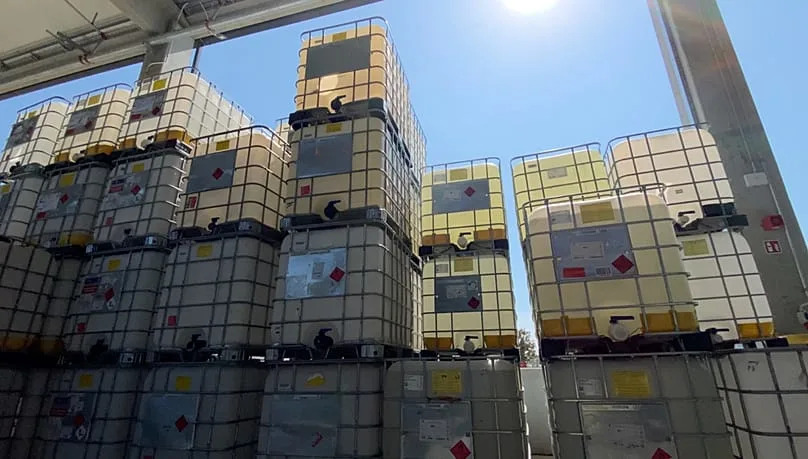
Premifab claims to see a significant demand in Europe for this type of recycling services - © Euronews
Help us improve.