Virginia Tech researchers report a chemical route to convert waste PVC into polyalphaolefin (PAO), the synthetic base oil used in premium lubricants. The process strips almost all chlorine from PVC and produced oils with properties comparable to commercial PAO; adding hexanes raised yields to about 89.5%. Economic modeling suggests a 55,116-ton/year plant could yield a ~22.8% IRR with a 4.26-year payback, while researchers continue to address feedstock variability, scale-up and lifecycle impacts.
From Pipes to Premium Oil: Virginia Tech Turns Hard-To-Recycle PVC Into High-Performance Lubricant
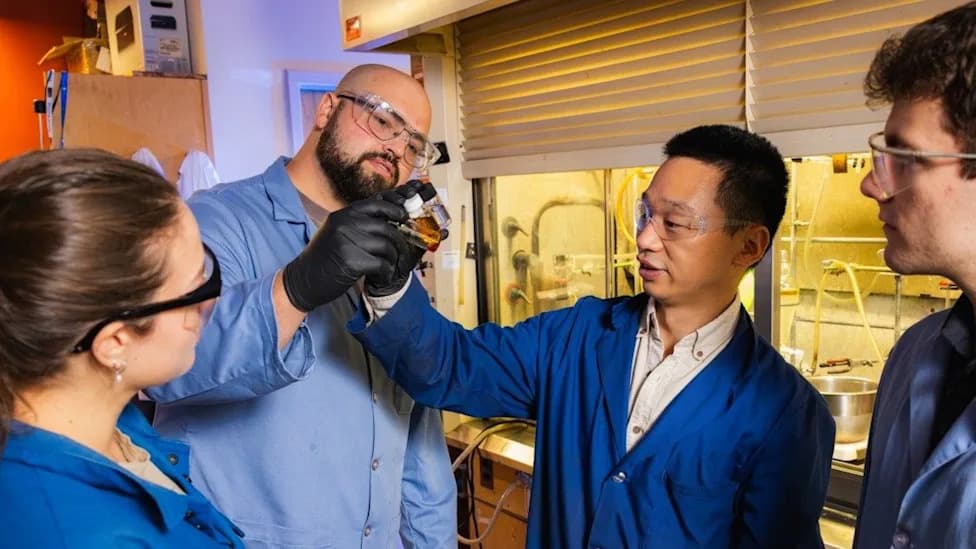
Photo Credit: Luke Hayes / Virginia Tech
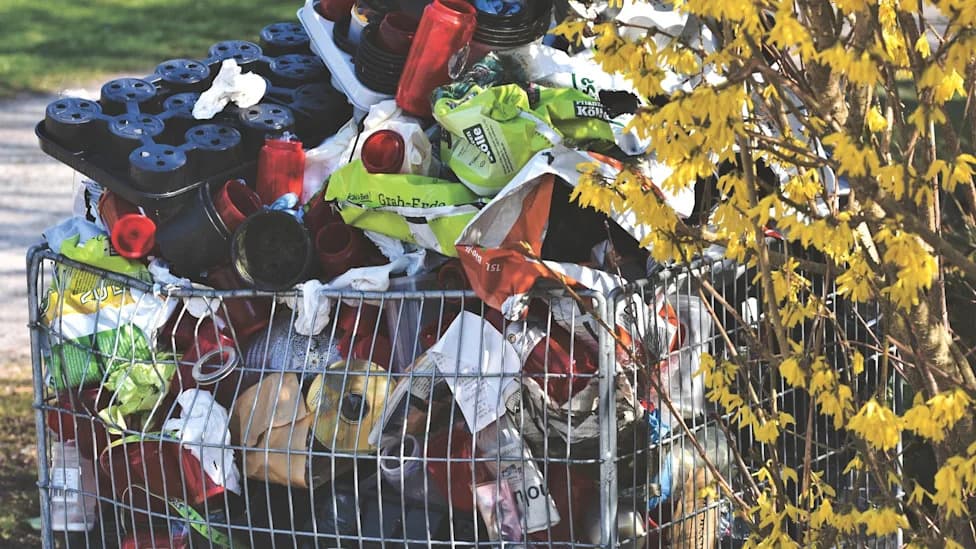
Researchers at Virginia Tech have developed a chemical process that converts waste polyvinyl chloride (PVC) — found in items such as plumbing pipe, window frames, credit cards, gloves and toys — into polyalphaolefin (PAO), the synthetic base oil used in many high-performance lubricants. The work, reported in Nature by Guoliang “Greg” Liu and colleagues, demonstrates a path for turning a notoriously difficult-to-recycle plastic into a valuable industrial product.
How the Process Works
PVC is challenging to reclaim because chlorine makes up roughly 57% of the polymer by weight and can form corrosive or toxic byproducts during conventional processing. The Virginia Tech team used a relatively mild chemical route that removes chlorine, installs hydrocarbon chains, and depolymerizes PVC into molecules in the size range typical for lubricant base oils (PAO).
In laboratory tests the resulting oils showed viscosity, friction behavior and wear resistance comparable to commercial PAO products. Notably, adding hexanes as a solvent increased lubricant yield to about 89.5% and helped suppress unwanted side reactions that can reduce product quality.
Real-World Feedstocks and Tunability
To demonstrate robustness, the researchers tested mixed post-consumer feedstocks — discarded pipes, cards, gloves and toys — rather than relying only on pure lab-grade PVC. The study also shows the final oil's properties can be tuned by adjusting reaction conditions and by changing the type of alpha-olefins introduced, meaning outputs could be tailored to automotive, industrial, aviation or other lubricant applications.
"Lubricants are the silent hero out there. We often don't recognize they exist, but they are out there working quietly. We want to be able to produce the oil on a larger scale to reach more people in the world." — Guoliang "Greg" Liu, Virginia Tech
Economic And Environmental Potential
Beyond technical performance, the authors modeled commercial economics and found promising results: a facility producing about 55,116 US tons (50,000 tonnes) of lubricant per year could deliver an internal rate of return near 22.8% with an estimated payback period of roughly 4.26 years. If validated at scale, converting PVC into high-value lubricant base oils could create an economic incentive to collect and process PVC waste rather than send it to landfills, while reducing demand for conventional hydrocarbon feedstocks.
Challenges And Next Steps
Key challenges remain before commercialization. Feedstock preprocessing must address the wide variety of additives in PVC (plasticizers, stabilizers, fillers and flame retardants) to ensure consistent product quality. Engineering scale-up, process integration, and comprehensive lifecycle assessments are also needed to quantify net greenhouse gas emissions, energy use, and the full environmental trade-offs versus traditional lubricant production.
Why It Matters
This approach shifts PVC management from low-value disposal toward upcycling into a premium product. If further development confirms technical robustness and favorable lifecycle impacts, the method could help keep stubborn plastics out of landfills and add value to post-consumer waste streams.
Help us improve.