The FDA upgraded a nationwide recall of bettergoods Authentic Italian Lemon Alfredo Fettuccine sold at Walmart to a Class I action after state testing suggested possible Listeria contamination. The recall covers two 22‑ounce lots (UPC 194346442706: L6079C exp. 09/19/2027 and L6080C exp. 09/20/2027) that were distributed nationwide. No illnesses have been reported; consumers should discard or return the affected products and seek medical advice if symptomatic. The notice arrives amid major 2026 outbreaks and scrutiny of federal food-safety surveillance.
FDA Upgrades Walmart Frozen Pasta Recall to Class I Over Listeria Concerns
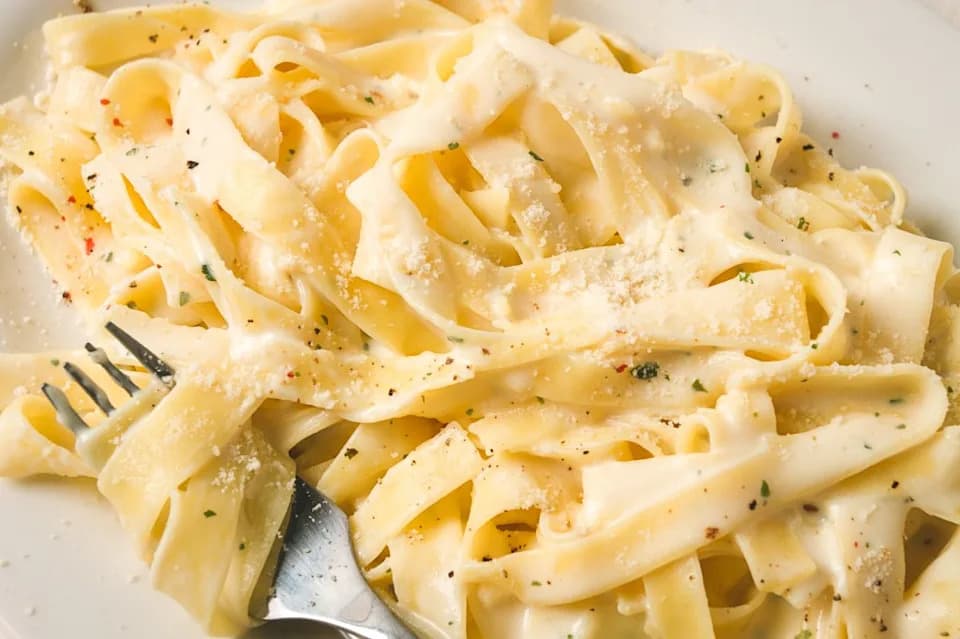
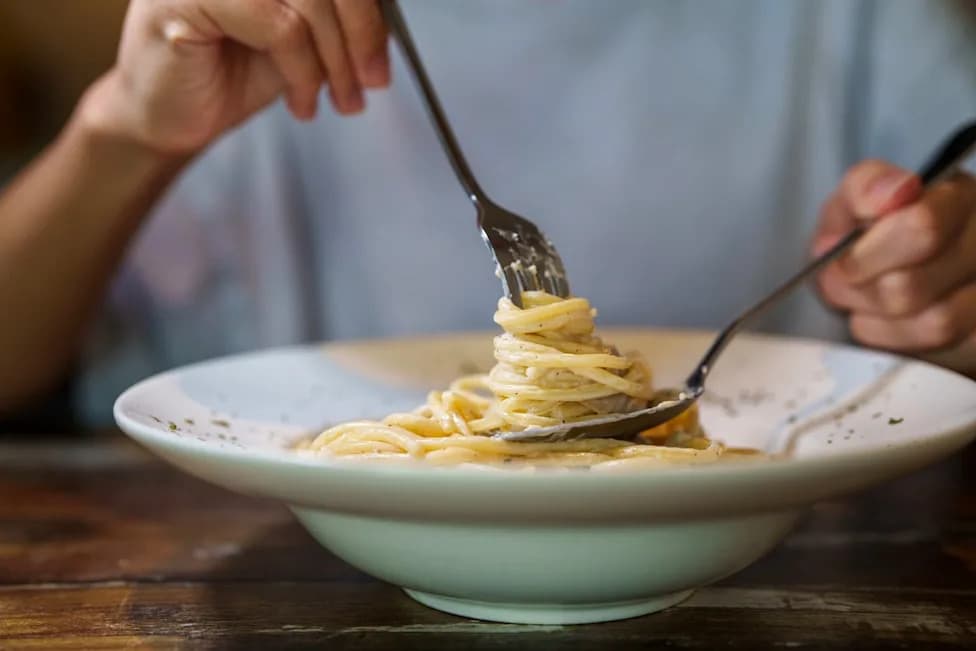
Stock image/file photo: A bowl of fettuccine alfredo.
The U.S. Food and Drug Administration has upgraded a nationwide recall of bettergoods Authentic Italian Lemon Alfredo Fettuccine sold at Walmart to a Class I designation—the agency's most serious classification—after routine state testing suggested possible contamination with Listeria monocytogenes.
Recall Details: The recall, announced Sept. 15, applies to 22-ounce frozen packages (UPC 194346442706) from two production lots: L6079C (expiration 09/19/2027) and L6080C (expiration 09/20/2027). The product was distributed nationwide through Walmart stores. Manufacturer Gias Foods has halted distribution while the company and the FDA investigate the source of the possible contamination.
Health Risk: A Class I recall indicates a reasonable probability that exposure to the product could cause serious adverse health consequences or death. Listeria infections can be severe—particularly for pregnant people, young children, older adults and anyone with a weakened immune system. Common symptoms include fever, severe headache, neck stiffness, nausea, abdominal pain and diarrhea.
At the time of the announcement, no illnesses had been reported in connection with the recalled Alfredo pasta. Consumers who purchased the affected lots should not eat the product; instead, they should discard it or return it to the place of purchase for a refund. Anyone who believes they may be ill after consuming the product should contact a healthcare provider and mention possible Listeria exposure.
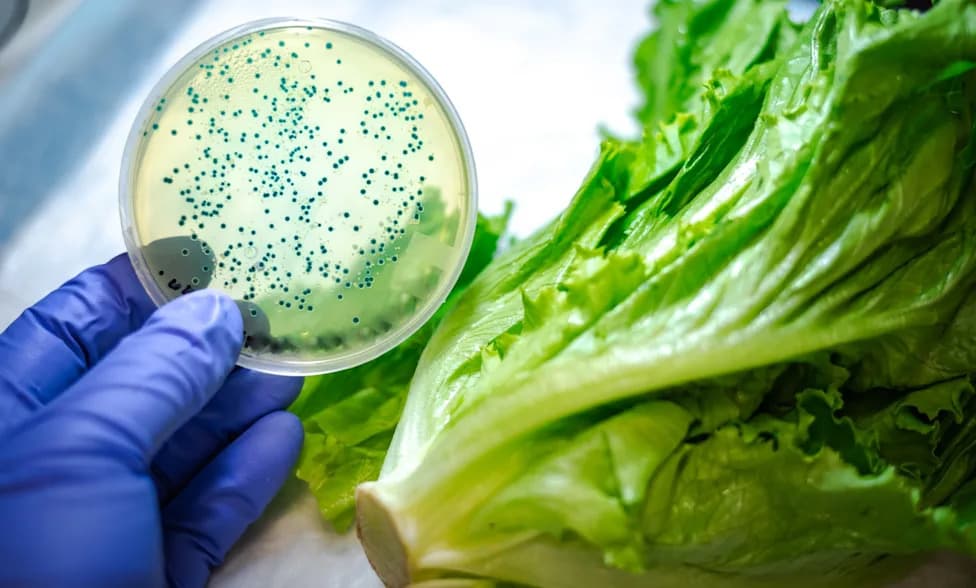
Context And Ongoing Food-Safety Issues: The recall comes amid several large foodborne illness outbreaks in 2026. The largest identified outbreak this year involved Cyclospora linked to processed iceberg lettuce from Taylor Farms de Mexico, which the CDC associated with 12,883 illnesses across 21 states, 570 hospitalizations and two deaths. The lettuce was recalled in July, and the CDC declared that outbreak over on Sept. 11 after cases declined and the implicated products were removed from commerce.
Another significant outbreak involved Salmonella traced to jalapeño peppers from Sinaloa, Mexico; as of the FDA's latest update the outbreak accounted for 431 illnesses across 32 states and 57 hospitalizations, with no deaths reported. Those peppers were distributed broadly to restaurants and suppliers, prompting multiple recalls; the FDA's investigation is ongoing.
Federal Response And Surveillance: Federal food-safety efforts have drawn scrutiny in 2026. The CDC's FoodNet surveillance was reduced in July to routine tracking of two pathogens—Salmonella and E. coli—down from a broader panel that previously included Cyclospora and Listeria. Reports earlier this year indicated CDC staffing had declined; the White House and HHS have defended the administration's capacity to respond and said frontline inspection and response staffing remained intact.
FDA Priorities: The FDA has made modernizing the recall process a 2026 priority, pledging faster classification decisions, improved communications and quicker removal of hazardous products from the market.
Newsweek contacted Gias Foods by email and reached out to Walmart via the retailer's website for comment outside normal business hours.
Help us improve.