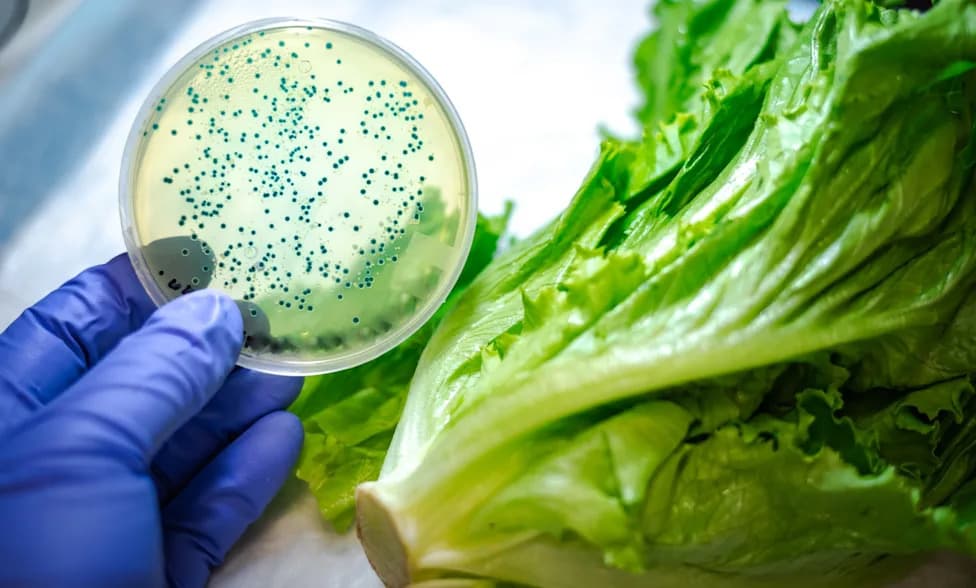
Everything Sprouts, LLC recalled multiple alfalfa sprout products (also sold under the Calco brand) after potential contamination with Shiga toxin-producing E. coli and Salmonella. On September 14, 2026, the FDA upgraded the action to a Class I recall — the agency's highest risk level — after 55 illnesses were reported across 15 states, including four hospitalizations and no deaths to date. Investigators are examining a shared alfalfa seed lot; the seed supplier agreed on September 15 to recall the implicated lot distributed domestically and internationally. Consumers should discard recalled products and thoroughly sanitize any surfaces that contacted the sprouts, and seek medical care for concerning symptoms.
FDA Upgrades Alfalfa Sprout Recall To Class I After 55 Reported Illnesses
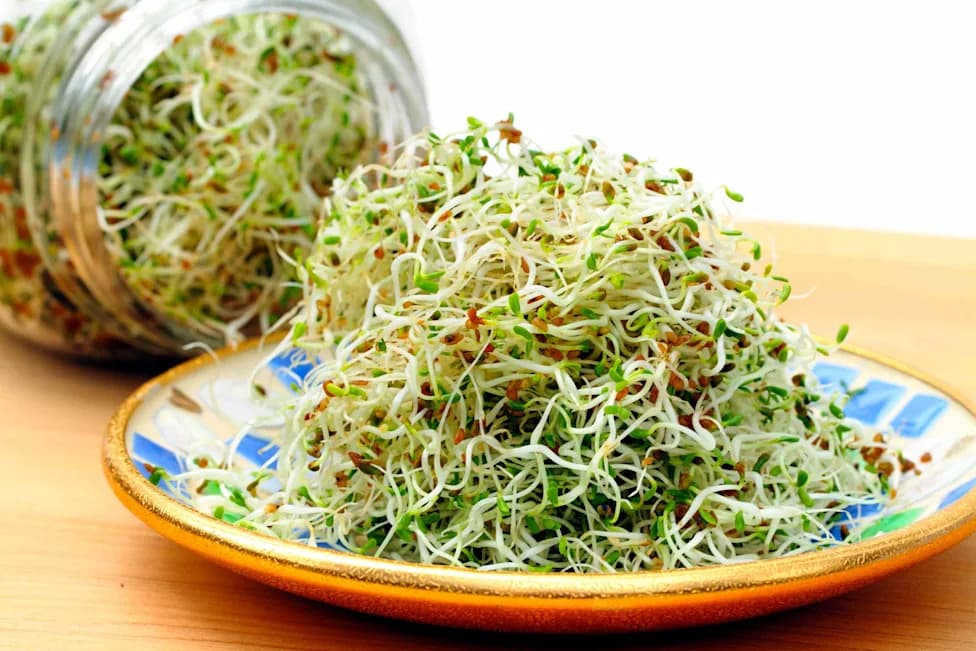
bhofack2/Getty Images
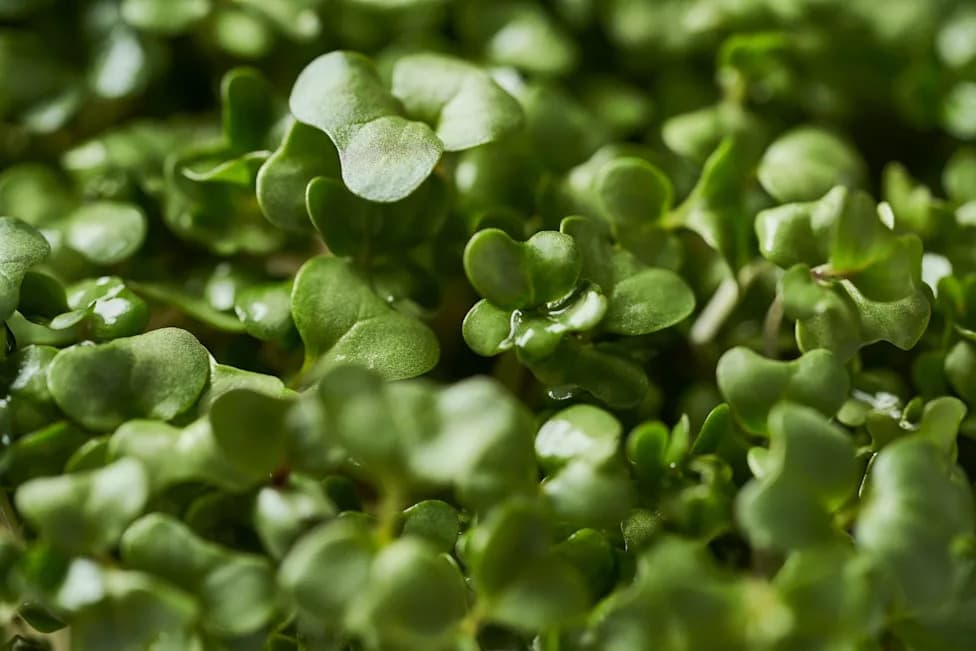
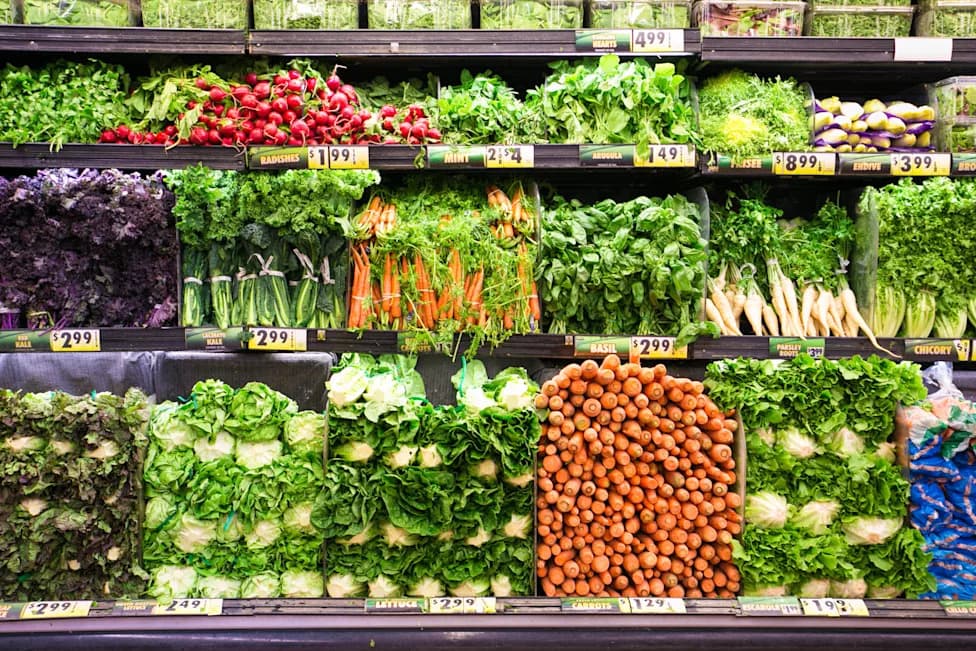
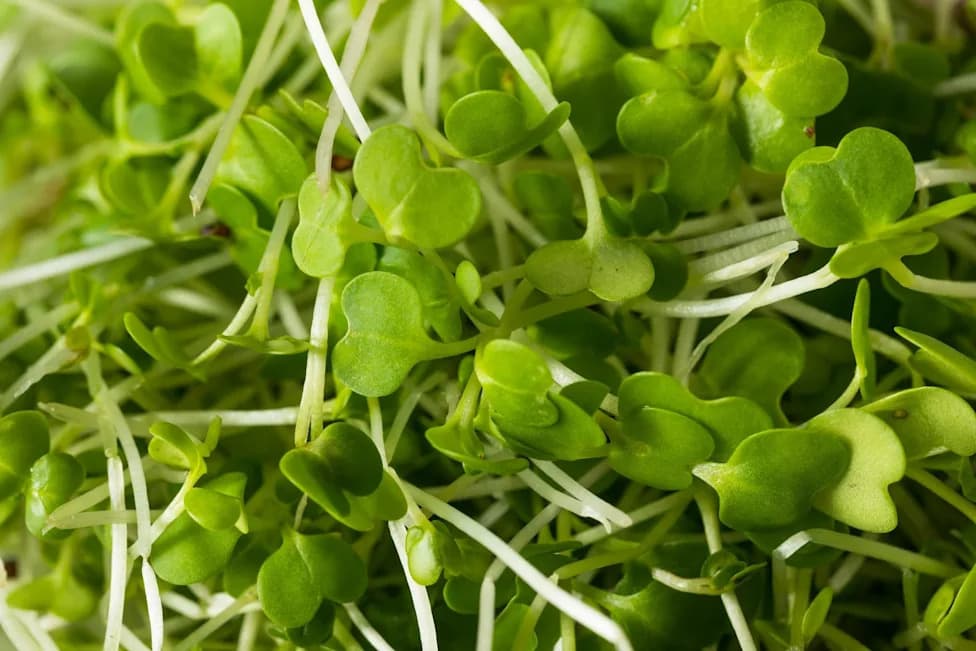
Alfalfa sprouts — a common source of vitamin K and a popular salad and grain-bowl topping — have been linked to a multi-state outbreak and a major recall. Registered dietitian Michelle Dodd, RD, warns, "There's really no way to sterilize alfalfa without cooking it. But cooking it removes its health benefits," which helps explain why raw sprouts are frequently implicated in foodborne illness outbreaks.
What Happened
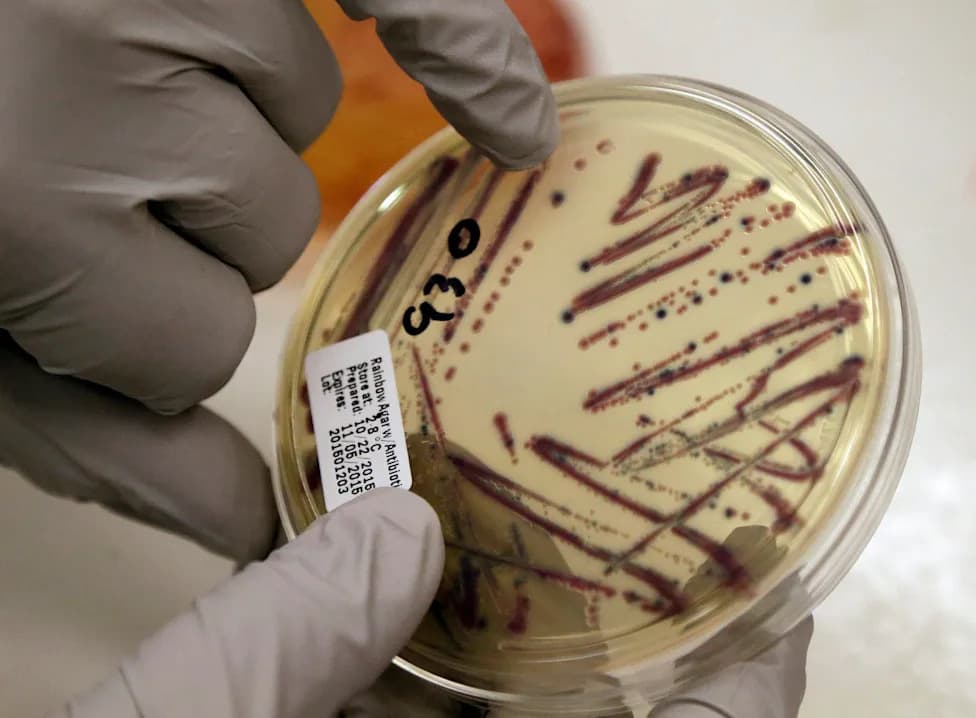
On August 24, 2026, Everything Sprouts, LLC (also selling under the Calco brand) recalled alfalfa sprouts after they were suspected of contamination with Shiga toxin-producing E. coli (STEC) or Salmonella. On September 14, 2026, the U.S. Food and Drug Administration (FDA) upgraded the recall to a Class I — the agency's most serious risk designation — while its investigation continues.
FDA Definition: A Class I recall is "a situation in which there is a reasonable probability that the use of or exposure to a violative product will cause serious adverse health consequences or death."
Scope of the Outbreak
To date, investigators have linked:
- 55 reported illnesses across 15 states
- 4 hospitalizations
- No reported deaths so far
Federal investigators reported on August 28, 2026, that at least one other sprout grower received and used alfalfa seeds from the same lot supplied to Everything Sprouts, and that sprouts from Everything Sprouts do not explain all illnesses in the outbreak. The agency is exploring whether the shared seed lot is contributing to illnesses associated with other sprout products.
Seed Lot And Distribution
As of September 15, 2026, the seed supplier agreed to recall the implicated alfalfa seed lot. The seed lot was distributed to Puerto Rico and to these U.S. states: California, Florida, Hawaii, Illinois, Massachusetts, Minnesota, Missouri, Montana, New York, Ohio, Oregon, Pennsylvania, South Carolina, Tennessee, Texas, and Utah. The seed lot was also exported to Canada, Mexico, Tahiti, and Venezuela.
Recalled Products And Identifiers
The recalled sprouts were distributed between May 27, 2026, and August 21, 2026, to wholesale distributors and grocery stores in Minnesota and Wisconsin. Affected products include:
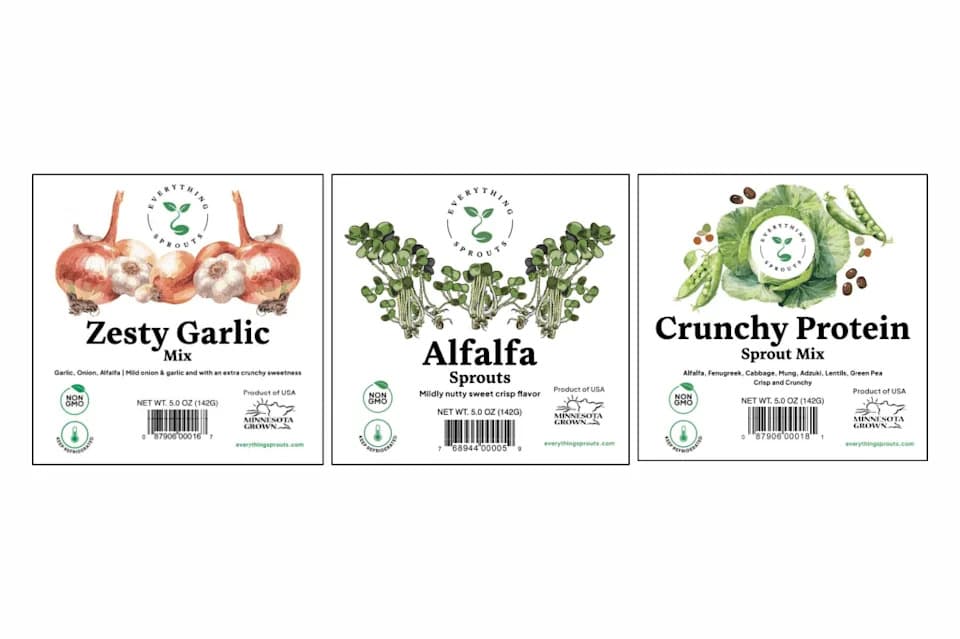
Everything Sprouts and Calco Alfalfa Sprouts (5 oz)
- Individual 5-oz container: UPC 7 68944-00005 9
- 6-count tray of 5-oz containers: UPC 8 60014-52312 0 (label on bottom of tray)
- 12-count tray of 5-oz containers: UPC 8 60014-52311 3 (label on bottom of tray)
Sprout Mixes That Contain Affected Alfalfa Sprouts
- Everything Sprouts Crunchy Protein Sprout Mix (5-oz cups) — UPC: 0 87906-01018 7; Lot numbers: 222, 223, 226, 230
- Everything Sprouts Zesty Garlic Mix (5-oz cups) — UPC: 0 87906-00016 7; Lot numbers: 222, 223, 225, 226, 230
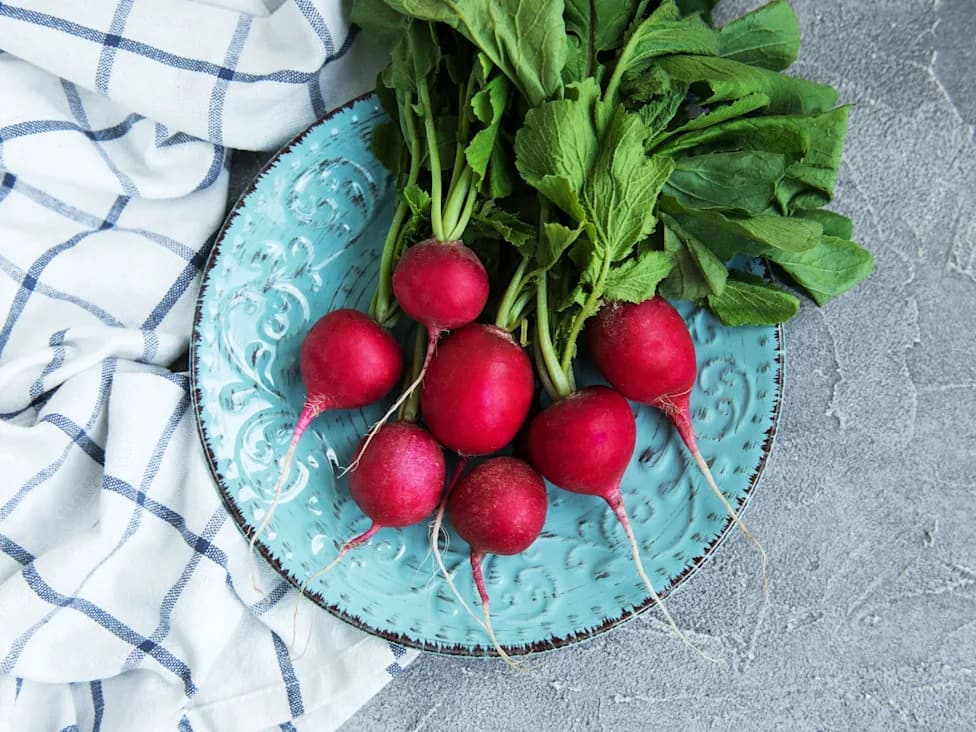
On August 28, 2026, Everything Sprouts expanded the recall to include certain lots of a radish mix that contained the implicated alfalfa sprouts:
- Everything Sprouts Robust Radish Mix (5.0 oz) — UPC: 087906-00007 5; Lot numbers: 223, 226, 230, 233
What Consumers Should Do
The FDA and Everything Sprouts advise consumers who have any of the recalled products to not eat them and to discard them immediately (or return them to the place of purchase). Thoroughly wash and sanitize any surfaces, containers, utensils, or cutting boards that may have contacted the sprouts. If you or a family member develop symptoms of foodborne illness — such as severe stomach cramps, diarrhea (especially bloody), fever, or vomiting — seek medical attention and tell your provider about possible exposure to STEC or Salmonella.
Investigations are ongoing. For the latest information and updates, consult the FDA website and local health authorities.
Help us improve.