Archaeologists uncovered a 72‑foot stone-and-timber wall beneath Hôtel‑Dieu on the Île de la Cité that preliminary carbon dating places between 200 and 10 B.C., overlapping the time of Julius Caesar’s Gallic Wars. The structure resembles late Iron Age Gallic fortifications and shows signs of intense burning. Because the remains are fragile, teams will produce a high‑resolution 3D reconstruction and prepare a reconstructed section for museum display. Excavations and analysis will continue to determine the wall’s role in Lutetia’s history.
72‑Foot Gallic Wall Unearthed Under Hôtel‑Dieu in Paris May Date to Julius Caesar’s Era
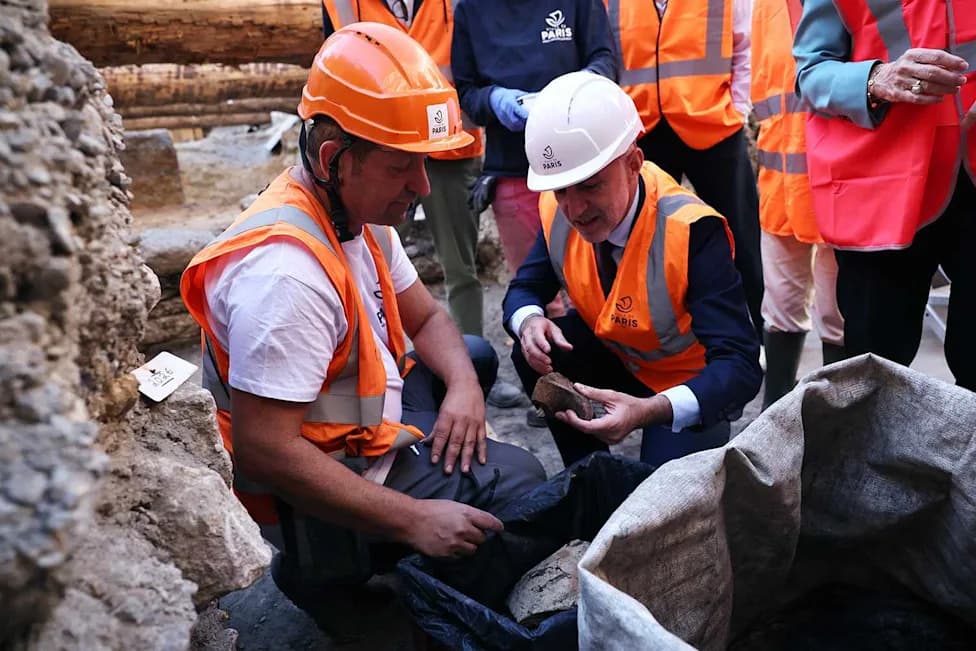
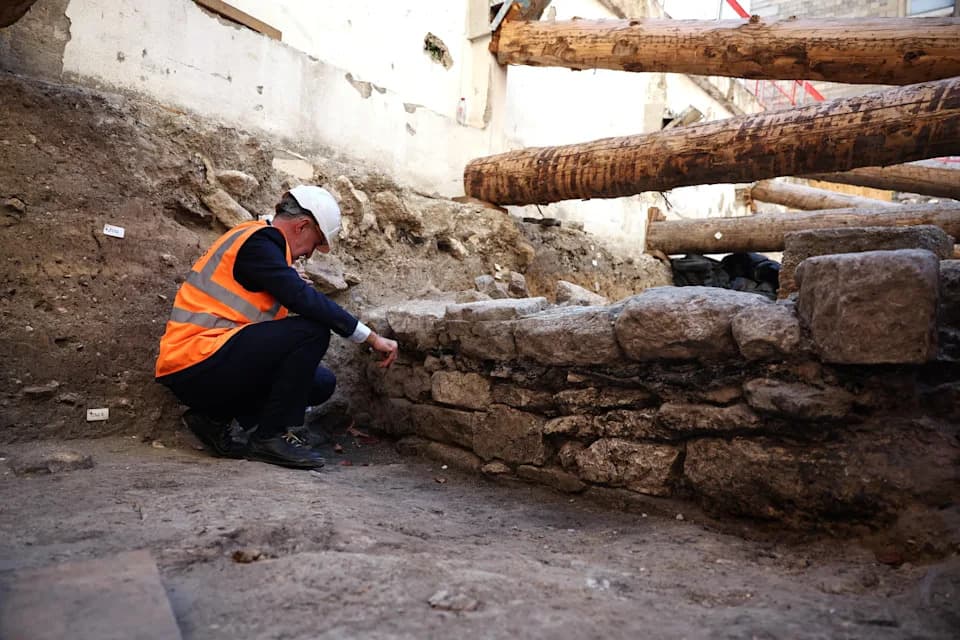
Paris Mayor Emmanuel Gregoire (right) at the site where the Gallo-Roman era wall of Lutetia under the Hotel-Dieu hospital was discovered on Sept. 23Credit: SIMON WOHLFAHRT / AFP via Getty
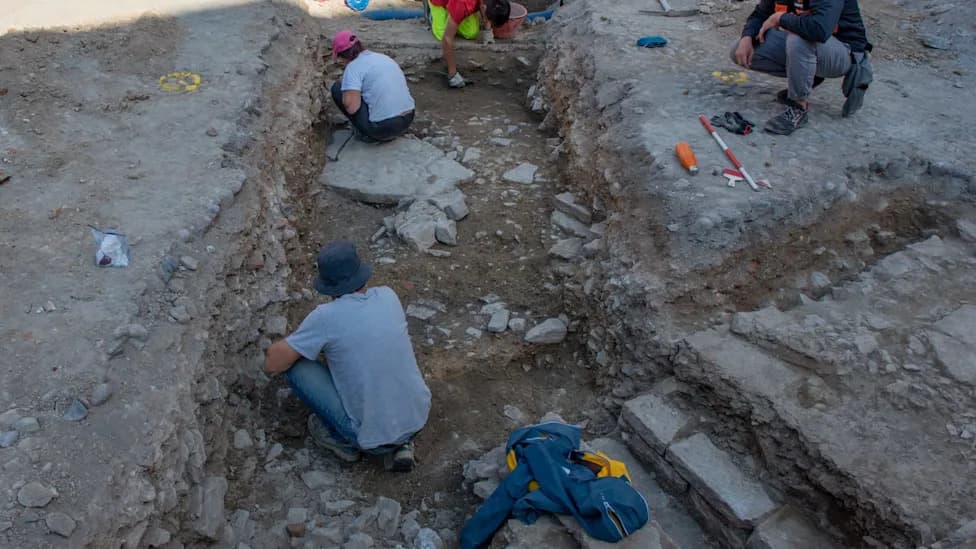
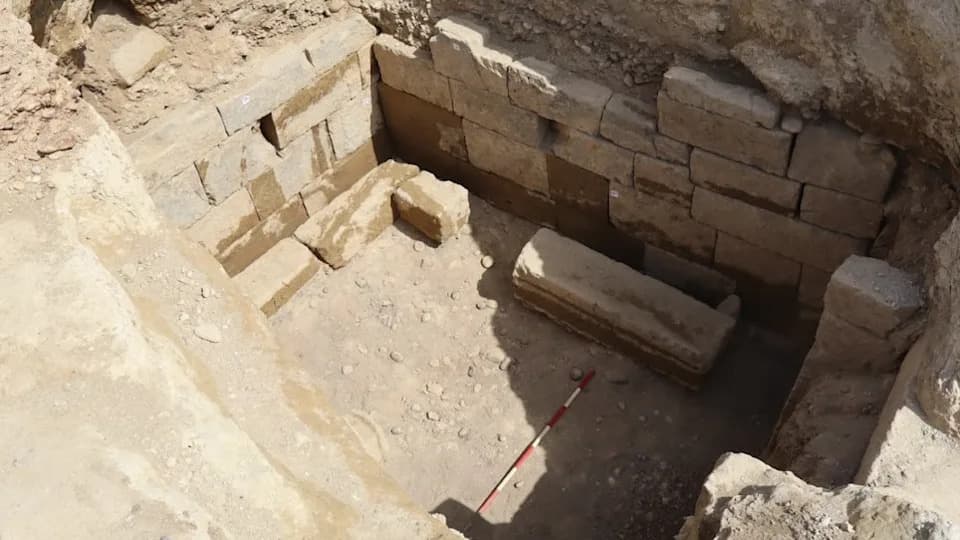
Archaeologists excavating beneath the historic Hôtel‑Dieu hospital on Paris’s Île de la Cité have uncovered a 72‑foot (approximately 22‑metre) stone-and-timber wall that could reshape our understanding of early Paris — the Gallic settlement known as Lutetia.

Paris Mayor Emmanuel Gregoire (seecond L) and France's Culture Minister Catherine Pegard (fourth L) visit an archaeological site following the discovery of a Gallo-Roman era wall of Lutetia under the Hotel-Dieu hospital on the Ile de la Cite in central Paris, on Sept. 23
Discovery and Dating
Work that began in February by teams from France's Ministry of Culture, the National Institute of Preventive Archaeological Research (INRAP) and the City of Paris led to the exposure of a surviving section of the wall during summer excavations. Preliminary carbon‑14 dating of timber fragments recovered at the site places the material between 200 and 10 B.C., a range that overlaps the period of Julius Caesar's Gallic Wars (58–50 B.C.).
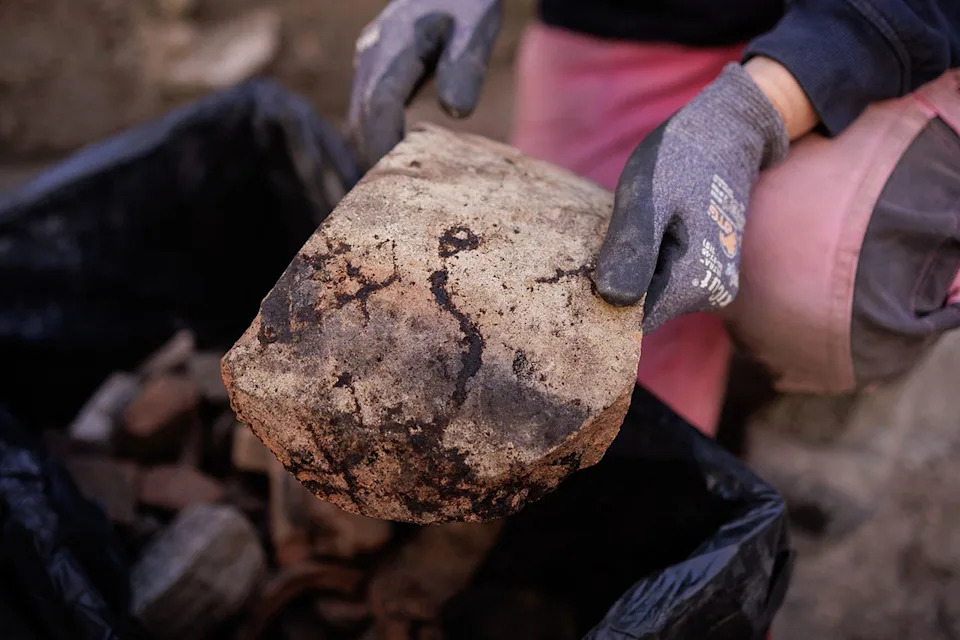
Elodie Perugini, archeologist for the city of Paris, holds a Gallic wine amphora piece during excavations at an archaeological site under the Hotel-Dieu hospital on the Ile de la Cite in central Paris, on Sept. 23Credit: Simon WOHLFAHRT / AFP via Getty
What the Structure Suggests
Officials say the construction resembles defensive works attributed to late Iron Age Gallic communities. Excavators also found evidence of intense burning and charred wood near the structure, suggesting the wall may have been involved in a violent episode or destruction event.
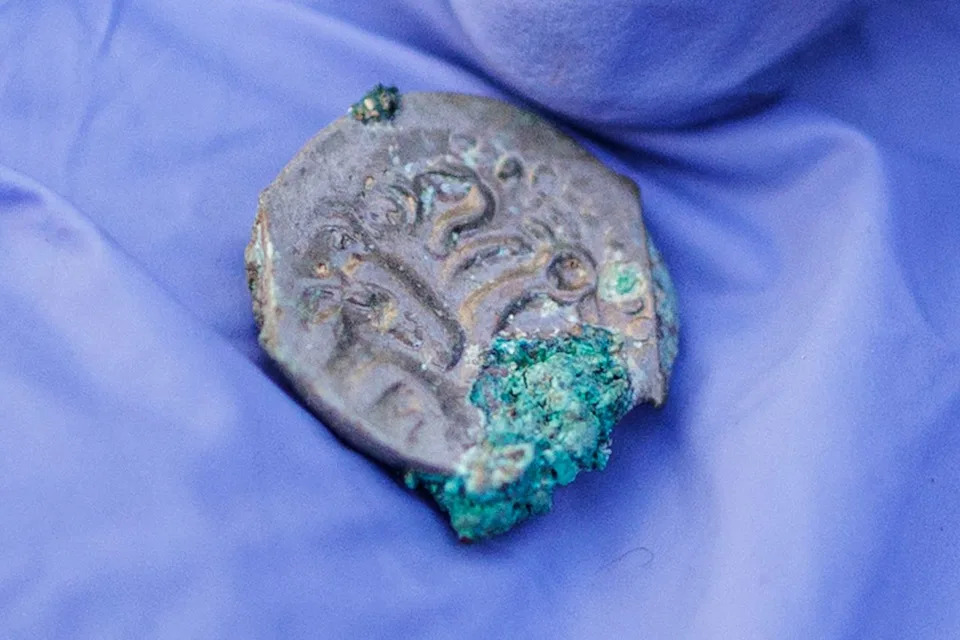
Elodie Perugini, archeologist for the city of Paris, holds a Gallic coin during excavations at an archaeological site under the Hotel-Dieu hospital on the Ile de la Cite in central Paris, on Sept. 23Credit: Simon WOHLFAHRT / AFP via Getty
"We may be looking at one of the most important remains ever discovered for understanding Gallic Lutetia," Culture Minister Catherine Pégard said on Sept. 23, while stressing that further study is required.
Preservation and Public Display
Because the wall is fragile and cannot be preserved in place in its entirety, archaeologists plan to document it using high‑resolution scanning and to produce a detailed 3D reconstruction for research and exhibition. Officials also announced that a reconstructed section will be prepared for public display at a Paris museum.
Context and Continuing Research
Lutetia is the Latin name for the settlement that later became Paris. Classical sources, including Julius Caesar’s accounts of the Gallic Wars, describe a community established on an island in the Seine — and the new find provides physical evidence that supports those descriptions. Excavations at Hôtel‑Dieu will continue, and city archaeologist Elodie Perugini has highlighted other recovered material, such as fragments of a Gallic amphora and a coin, which together enrich the site’s archaeological record.
Paris Mayor Emmanuel Grégoire said the discovery underlines how the city’s history continues to yield surprises: "We must now do everything in our power to scientifically document this exceptional vestige of our heritage and share it with Parisians and all those who love Paris."
Help us improve.