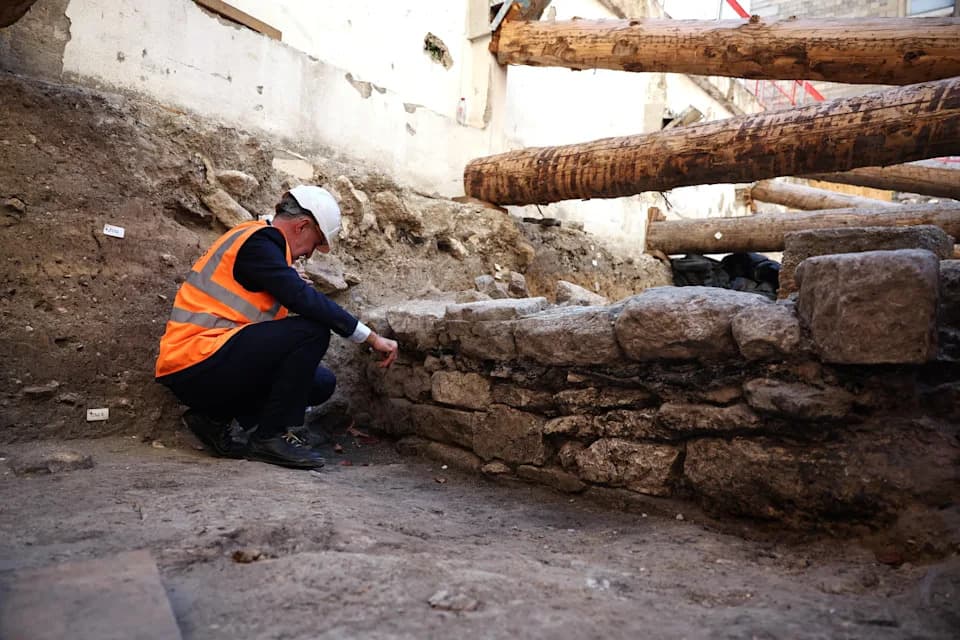
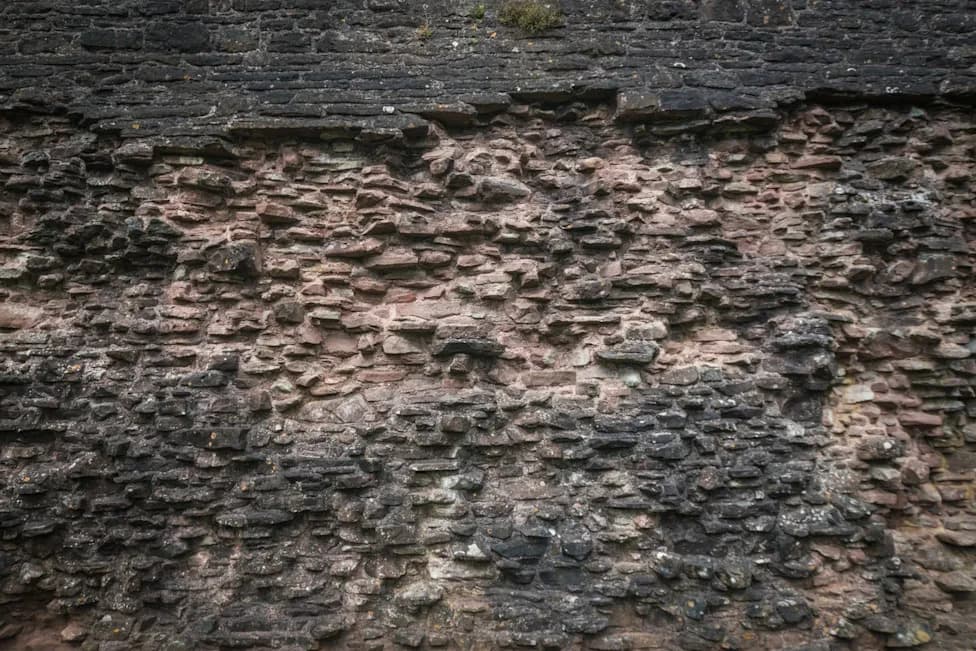
Archaeologists halted a planned house build on Montbellant Hill above Tonnerre after uncovering remains of a densely occupied settlement spanning roughly 1,500 years from the Iron Age through the medieval period. INRAP says the dig covers about 8,000 sq ft and has revealed workshops, several 1st-century B.C.E. cellars, a Gallic fortress and a stone staircase, indicating successive building phases. Researchers will compare this site with a nearby 2024 excavation to better understand how communities built, stored and circulated on steep slopes over centuries.
Planned Hillside Build Halted After Archaeologists Uncover 2,000-Year-Old City Beneath Montbellant Hill
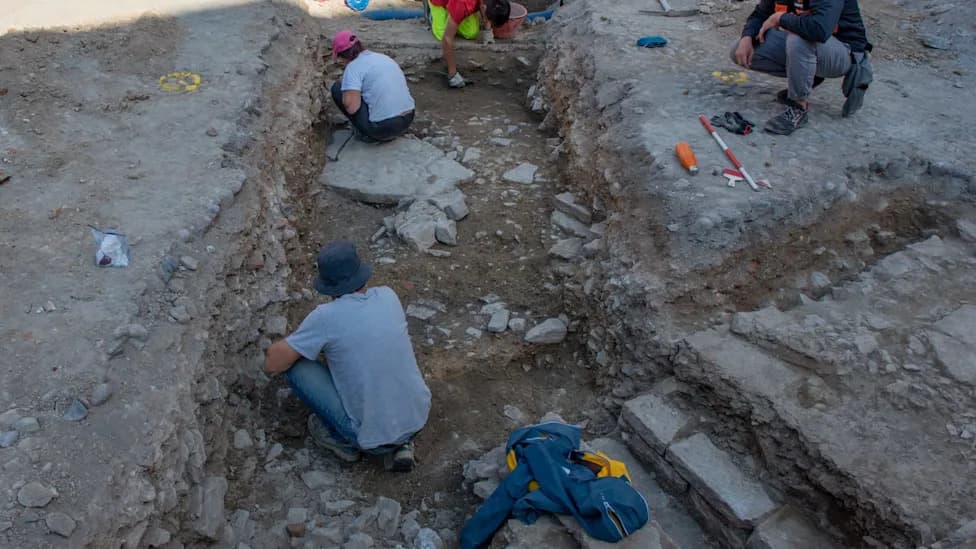
Photo Credit: iStock
A planned home project above the town of Tonnerre in France was abruptly stopped when routine surveys revealed a major archaeological site beneath Montbellant Hill. Researchers from the French National Institute for Preventive Archaeological Research (INRAP) have uncovered traces of a densely occupied settlement dating back roughly 2,000 years.
The excavation, which covers about 8,000 square feet (approximately 743 square meters), has produced material spanning multiple occupation phases from the Iron Age through the Roman era and into the medieval period — roughly 1,500 years of intermittent use, INRAP and reporting by Popular Mechanics say.
Key Discoveries
Archaeologists identified the remains of compact buildings arranged on the steep slope, including workshops and several cellars dated to the first century B.C.E. Finds such as pottery and coins point to an established community on the hill before Roman domination. Notable discoveries at the site include:
- A Gallic fortress or fortification element
- Multiple cellars, including one featuring a "beautifully made stone staircase"
- A Roman-era cellar positioned slightly higher on the slope, suggesting later construction over earlier structures
"The location of several buildings on the steep slopes of Montbellant Hill testifies to a dense and constrained occupation," INRAP said.
The steep terrain required residents to adapt how they built homes, workshops and storage spaces, arranging structures tightly and making creative use of limited flat ground. Researchers are comparing the Tonnerre site with a nearby 2024 excavation to develop a fuller picture of how people reused and reorganized the hillside across centuries.
Why It Matters
Beyond halting a single construction project, the find sheds light on long-term urban development in constrained landscapes. The layered remains show how communities rebuilt and repurposed space over generations, offering archaeologists a rare opportunity to trace changes in construction, storage and circulation practices from the Iron Age through medieval times.
Other Recent Finds
Similar surprise discoveries around the world have reopened chapters of urban history, including:
- The uncovering of 2,000-year-old layers of Paris beneath Notre Dame during restoration work
- The discovery of a lost healing sanctuary at the source of the Seine in Burgundy
- Drought-exposed ruins of an ancient city on Turkey's Black Sea coast
- A previously hidden city linked to the ancient Caral civilization in Peru
- A rare Neolithic enclosure dating to about 3800 B.C. on England's Suffolk coast
As the Tonnerre excavation continues, researchers expect further finds that will refine understanding of everyday life on steep, densely used hillsides in ancient Europe.
Help us improve.