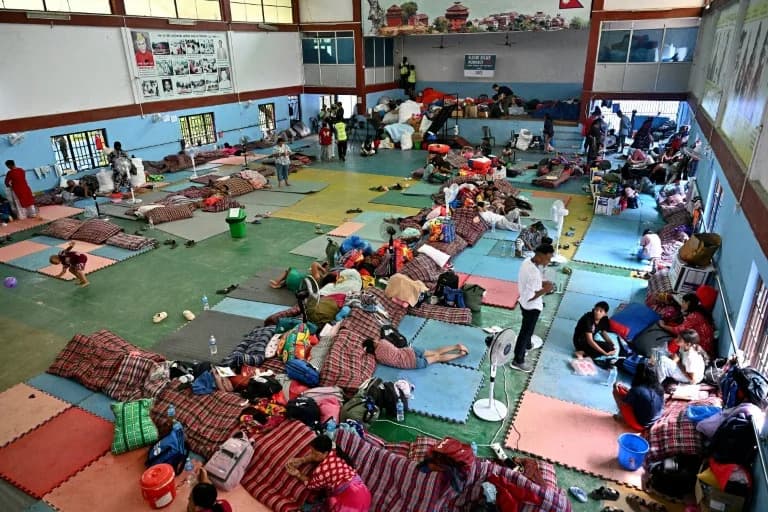
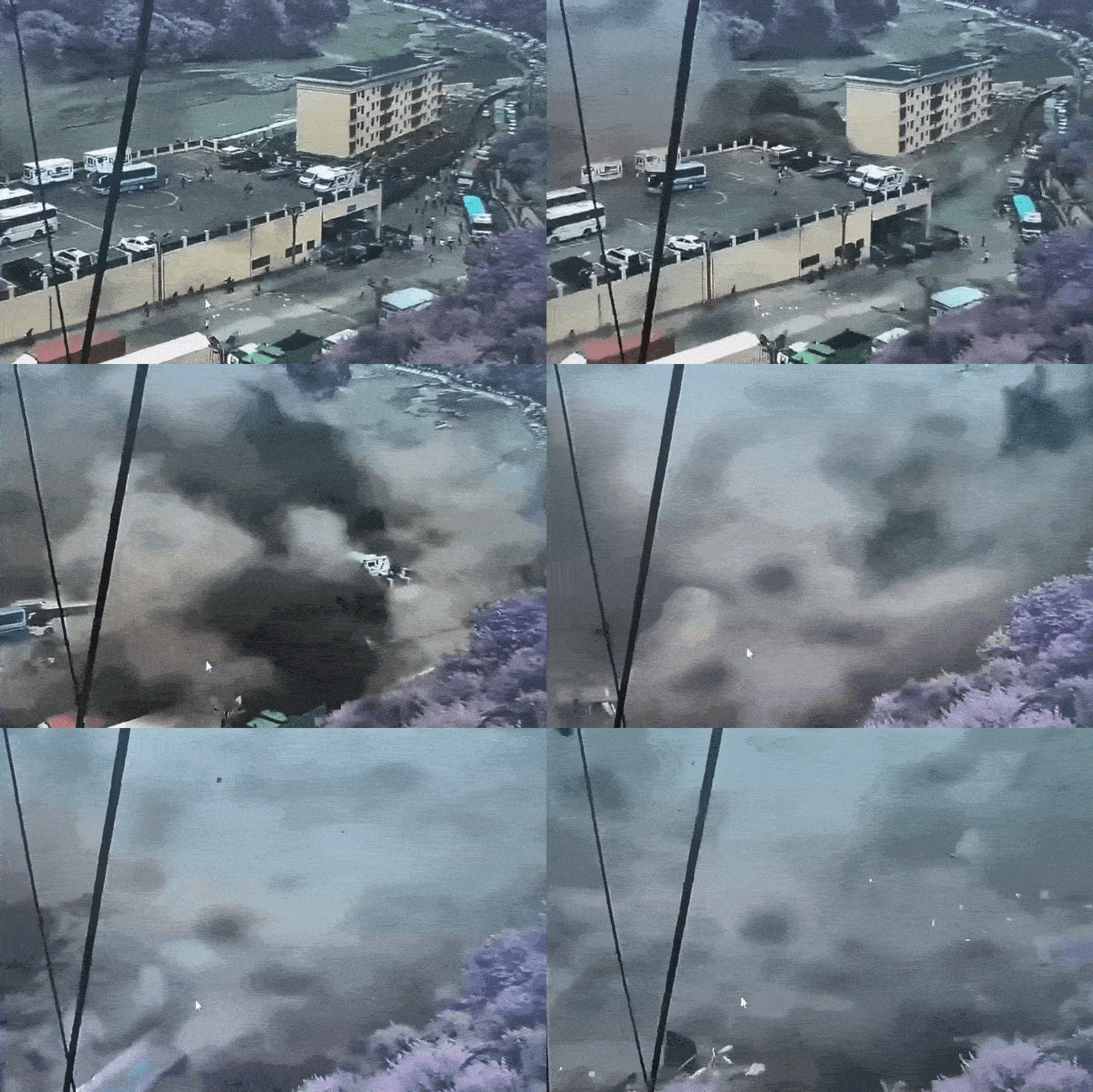
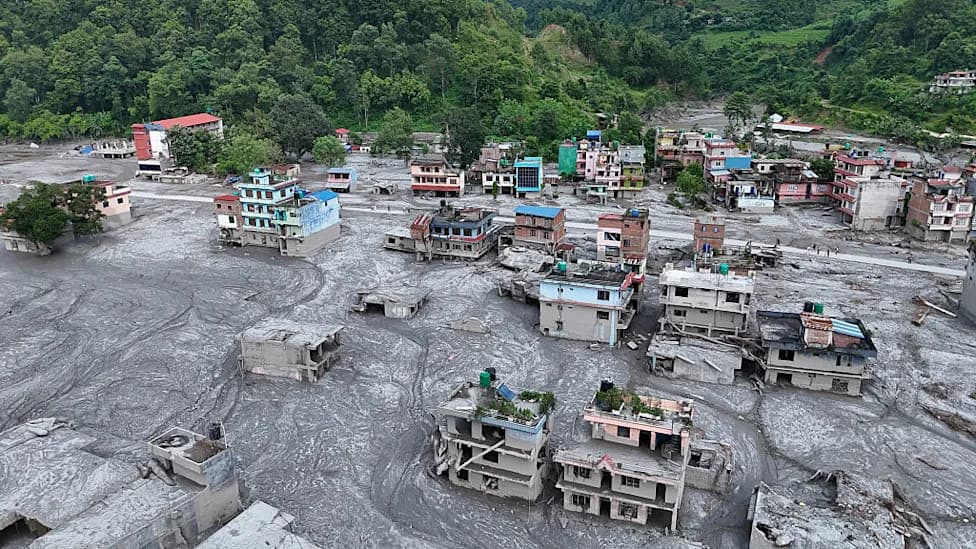
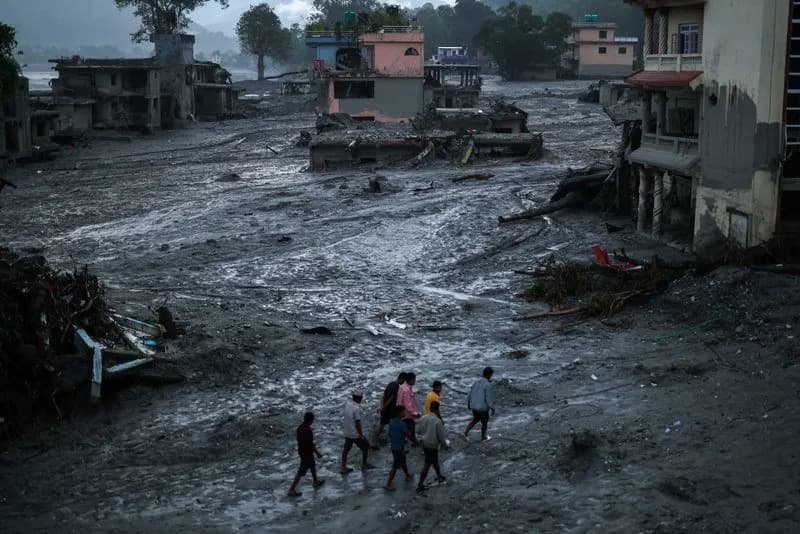
Nepal will base a roughly $20 million request to the UN Fund for Responding to Loss and Damage on a World Weather Attribution study that links last month’s Himalayan rock-and-ice avalanche and floods to human-driven warming. The disaster killed about 1,400 people and left around 6,150 missing; Nepal says it needs about $5 billion to rebuild. The report cites ~1.5°C warmer summer temperatures, glacier thinning and thawing permafrost as destabilising factors; UN fund officials meet in December to consider applications and possible urgent support for Nepal.
Nepal Will Use New Climate Study to Seek $20M From UN Loss-and-Damage Fund After Deadly Himalayan Floods
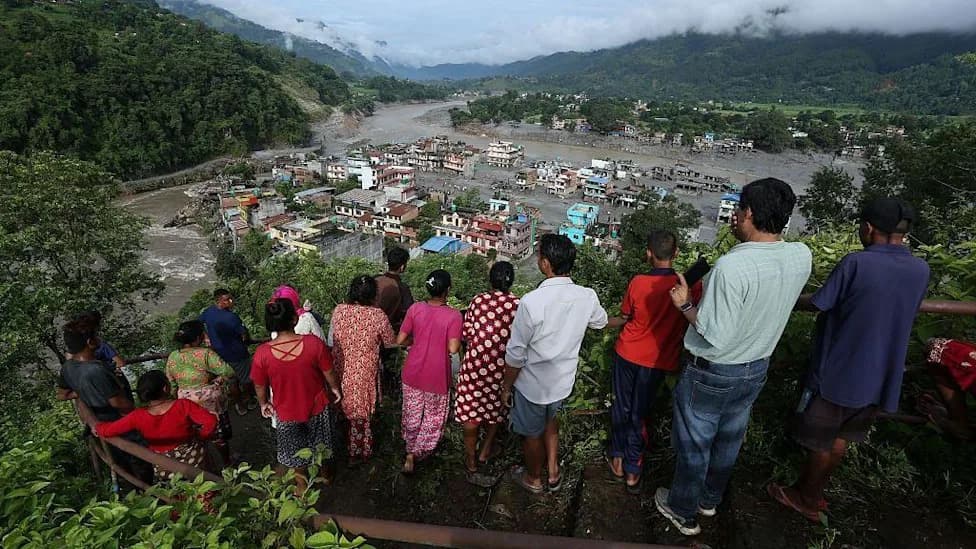
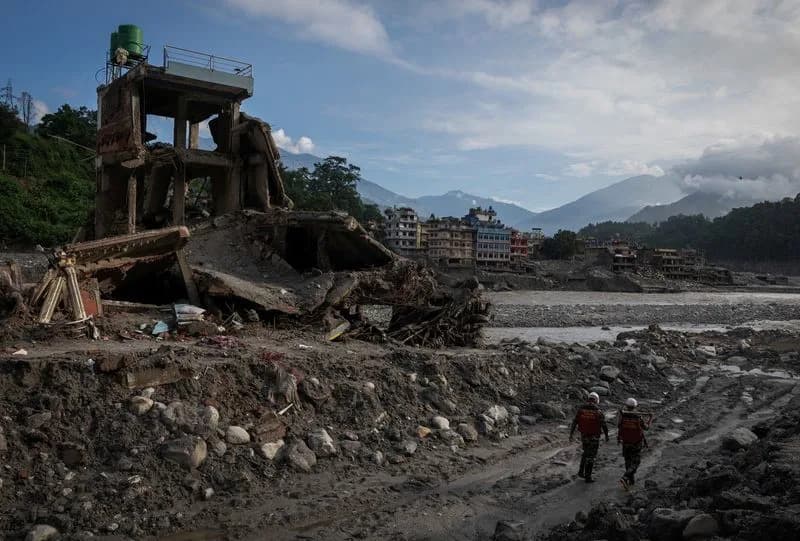
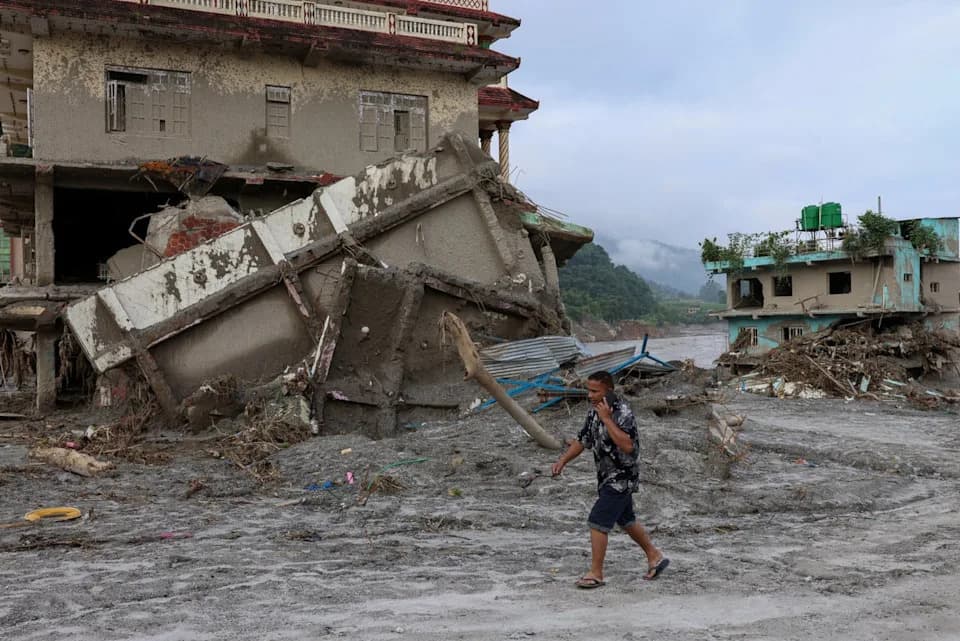
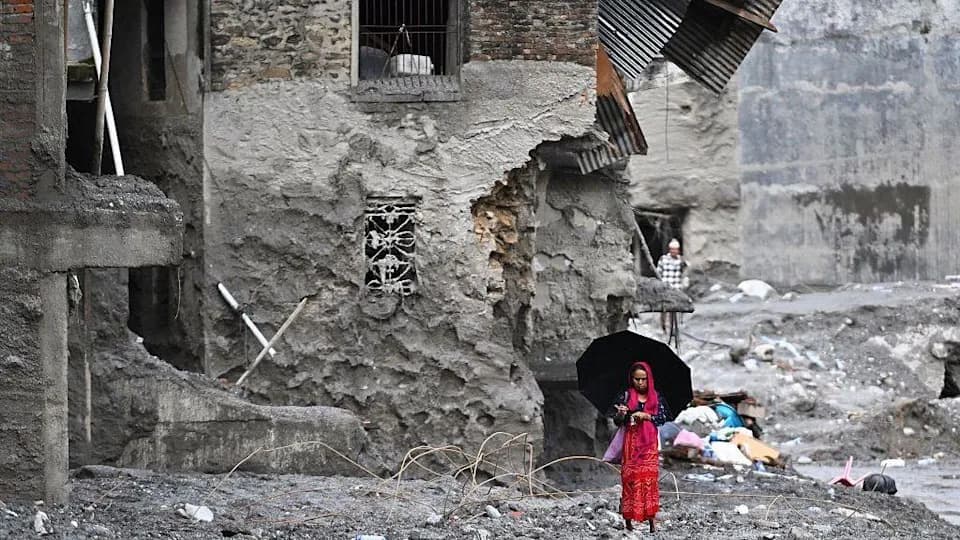
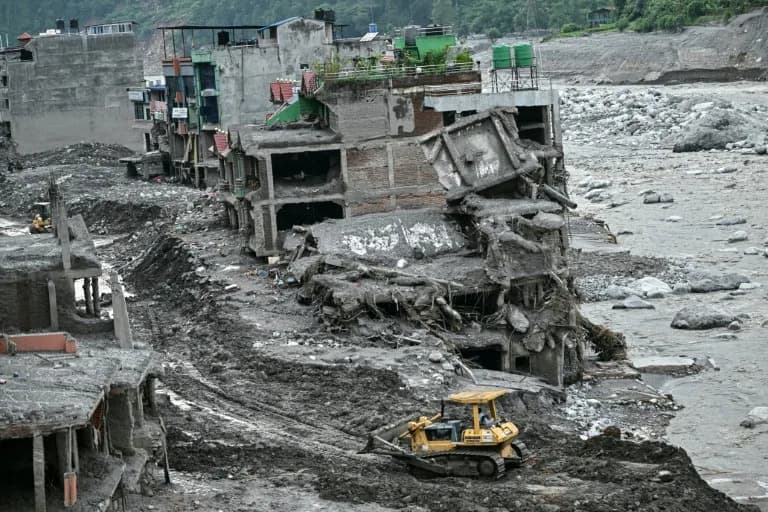
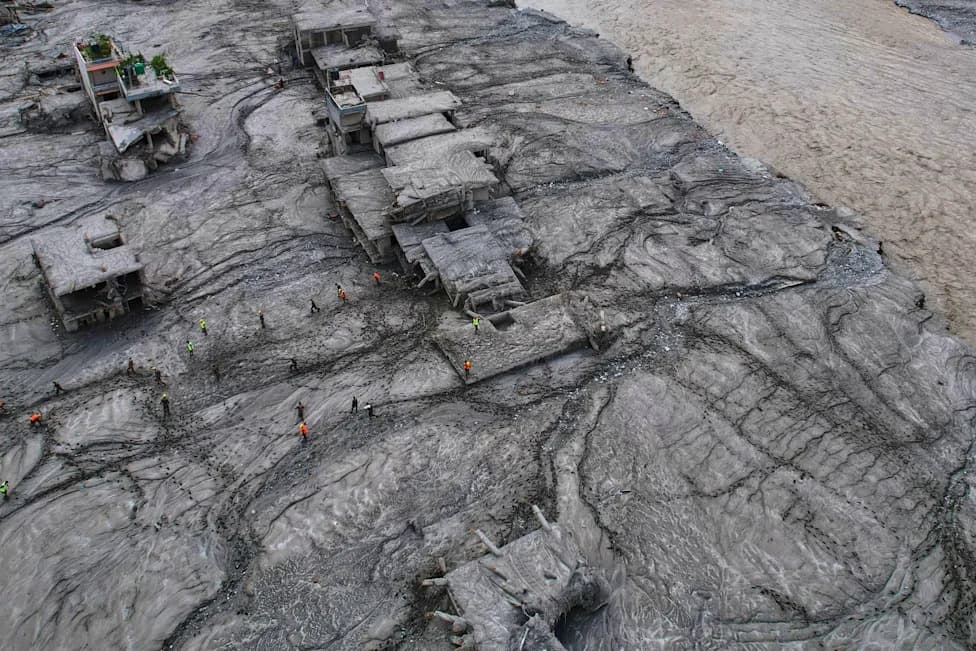
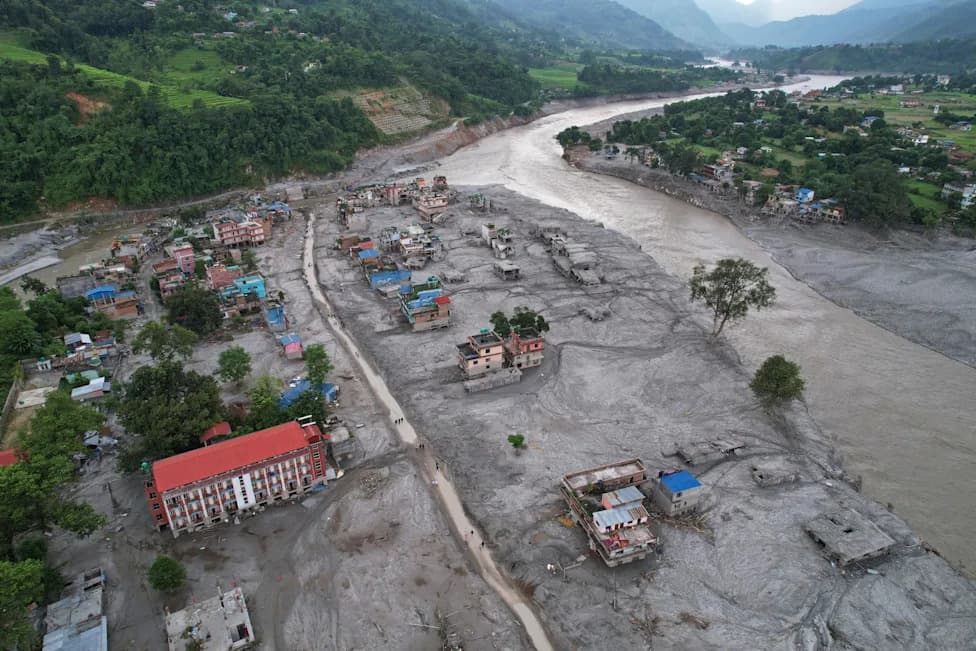
Thousands of people are dead or missing after massive floods and landslides tore through the Nepal-Tibet border last month [NurPhoto via Getty Images]
Nepal plans to use a newly published analysis linking last month’s Himalayan rock-and-ice avalanche and resulting floods to human-driven climate change as the principal evidence in a request for roughly $20 million from the United Nations Fund for Responding to Loss and Damage.
The Disaster and the Claim
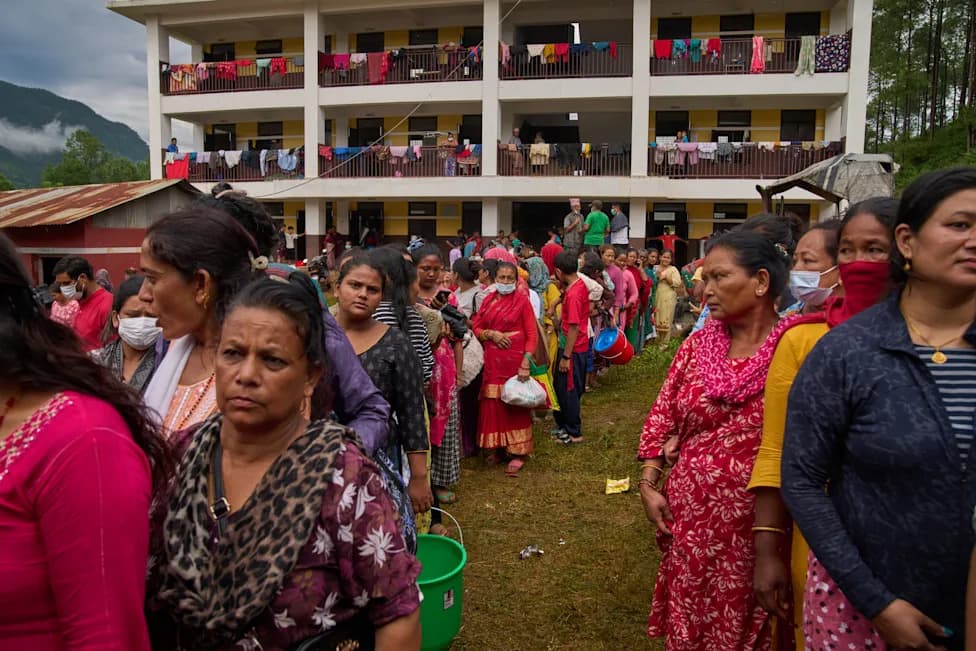
Official figures show about 1,400 people have died and roughly 6,150 remain missing in Nepal following the event. Nepali authorities say the country will need about $5 billion to rebuild infrastructure and communities damaged by the floods.
What the Study Found
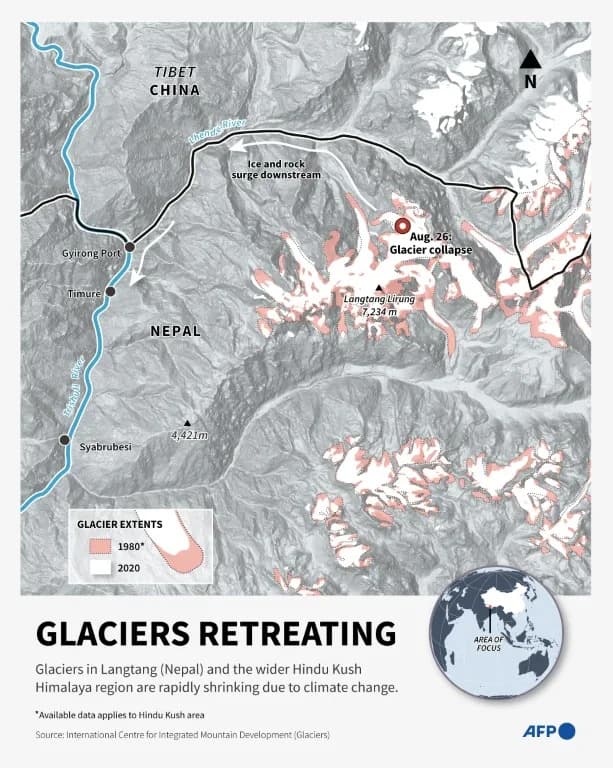
The analysis, produced by research group World Weather Attribution (WWA), concludes that climate change was likely a contributing factor in the rock-and-ice avalanche that triggered catastrophic flooding on the Nepal–Tibet border. The report describes the event as a 'compound event' driven by rising summer temperatures, shrinking glaciers, thawing permafrost and pre-existing geological weaknesses.
Dr Friederike Otto, a co-author and climatologist at Imperial College London: 'There is absolutely no doubt that human-induced climate change played a role here in the preconditioning of the disaster.'
WWA estimates July and August temperatures in the affected area were about 1.5°C warmer than they would have been without human influence. The group also found that glaciers in the region have been thinning by roughly 0.5 metres per year, increasing the risk of fractures and instability. Heavy snowfall last October and November added extra meltwater that likely contributed to the collapse.
The report notes that a magnitude-7.8 earthquake in 2015 may have weakened local rock masses, though the authors say they cannot confirm the exact influence of that quake on this specific collapse. The study has not yet appeared in a peer-reviewed journal; WWA says its rapid-attribution analyses use an established, peer-reviewed methodology.
How This Affects Nepal's Application
The UN loss-and-damage fund requires claimant countries to present evidence that climate change contributed to their losses. Nepali officials have assembled satellite and drone imagery and technical reports, and they now expect the WWA study to form the strongest scientific basis of their application.
Nearly 120 countries have already submitted applications to the fund, requesting close to $3 billion in total, while the fund reportedly has under $400 million available for disbursement. Fund administrators are scheduled to meet in December to decide which requests to accept and whether Nepal's case warrants an expedited decision.
Responses and Next Steps
Nepal’s leaders have appealed internationally for assistance and for stronger climate action, noting the country contributes little to global emissions yet faces high vulnerability to warming. Prime Minister Balendra Shah is due to raise the disaster and climate justice at the United Nations General Assembly.
Independent experts welcomed the WWA analysis as useful evidence while urging caution. Dr Simon Cook, a glacier specialist, called the report 'very worthwhile' but said more research is needed to spell out the precise mechanisms and to improve monitoring and early-warning systems for high-mountain hazards.
The situation remains urgent: Nepal seeks rapid funding to begin reconstruction, but questions about available resources, eligibility rules and the pace of the UN fund's processes will determine how quickly help arrives.
Help us improve.