Kenyan growers — who supply about half of Britain’s black tea — report that erratic weather has reduced yields and squeezed incomes. Fintea said output across its five cooperatives fell roughly 30% in May–June, while its Fairtrade sales plunged from about 5% to under 1%, cutting funds for resilience projects. Smallholders describe crop loss, loans and food insecurity; Lidl plans to increase Fairtrade purchases, which could raise Fintea’s Fairtrade share to around 2.6%. Advocates warn urgent action is needed to protect farmers and global tea supplies.
Climate Shocks Slash Kenyan Tea Harvests — Threatening Half of Britain’s Black Tea Supply
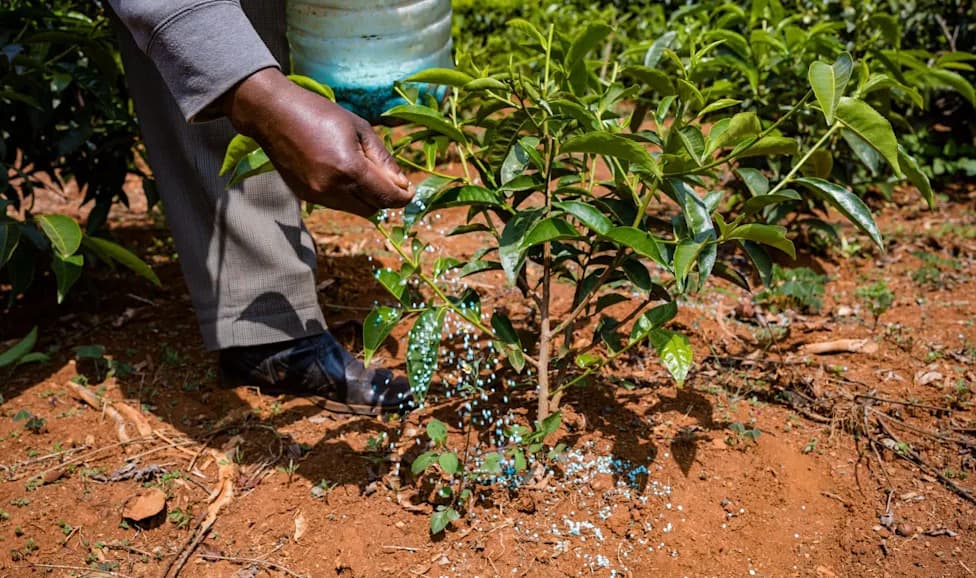
Photo Credit: iStock
Kenyan tea growers — who supply roughly half of Britain’s black tea — say increasingly erratic weather is cutting yields, crushing incomes and pushing prices higher across the supply chain.
Production Declines and Devastating Storms
Fintea, a major cooperative supplier in Kenya’s western tea belt, reported that output across its five cooperatives fell by about 30% in May and June compared with typical harvests. Farmers in Kericho and Bomet describe a new pattern of seasonal volatility: rain during normally dry times, sudden heatwaves, violent storms and prolonged dry spells.
"Climate is really affecting our farmers. There has been a complete change as far as the weather is concerned," said Nelson Ngeno, Fintea manager.
In January, a hailstorm in Kabartegan damaged thousands of bushes. Smallholder Lilian Mutai Levin Langot told the Press Association: "It was scary. The hailstones hit everything. On the tea plants, only the stems remained."
Livelihoods Under Strain
Smallholders report severe financial pressure. Paul Kipsigei Koech of Chepchabas said he earns just 3,000–4,000 Kenyan shillings a month and can often provide only a single daily meal of mashed maize for his wife, seven children and elderly father. Others said they were forced to take loans after losing entire harvests.
Farmers also say they have seen little benefit from rising global tea prices. They describe a supply chain where middlemen, brokers and large buyers capture most of the profit while farmers bear the brunt of weather-related losses and rising input costs.
Fairtrade Funding Falls, Buyers Step In
Fintea reported that the share of its tea sold on Fairtrade terms has dropped from roughly 5% to under 1%, reducing the "premium payments" used to fund climate resilience and community social projects. Fairtrade warns that only one in five Kenyan tea farmers currently earns enough each month to meet household essentials, limiting their ability to invest in adaptation.
Retailer Lidl has pledged to buy more tea from Fintea under Fairtrade terms and to provide additional funding through a new blend called "Way To Go!" Fintea estimates this could raise its Fairtrade share to about 2.6% — a meaningful step, but far short of restoring earlier levels of support.
Wider Context
Across tea-producing regions and other crops worldwide, experts say climate shocks are already driving losses that threaten food security and staple prices. From India’s battered tea estates to matcha production hit by record heat in Japan, weather extremes are reshaping global supplies.
What’s next: Farmers and advocates are calling on buyers, governments and aid organizations to increase fair purchasing, invest in climate-resilient farming practices and restore premium funding so communities can adapt and recover.
Help us improve.