Headline: With one week before the midterm recess, the Senate has prioritized the Protecting College Sports Act over measures addressing AI safety, rising fuel costs and limitations on presidential war powers. The Cruz-Cantwell bill would regulate athlete pay, grant an antitrust exemption for media rights, limit transfers and restrict midseason coaching moves — a focus that split Democrats and drew criticism from the NAACP. Meanwhile, efforts to regulate crypto stalled and a War Powers resolution failed, leaving lawmakers accused of deferring to presidential priorities amid growing voter anxiety.
As Voters Worry About AI, Rising Fuel Costs and War, Senate Spends Final Week On College Football Bill
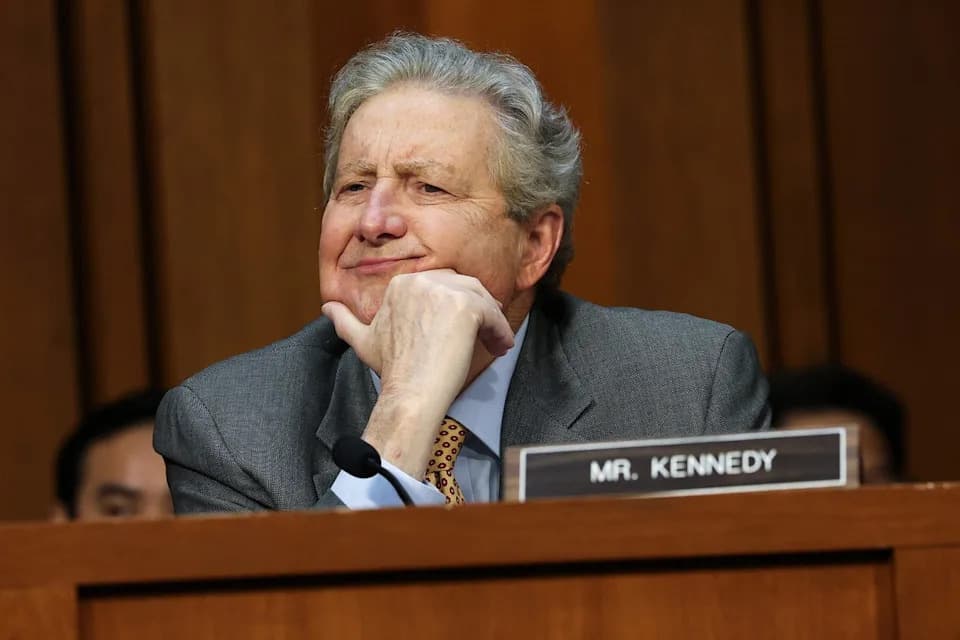
Sen. John Kennedy (R-La.) questioned the need for the Senate to spend its final days before the campaign focused on college sports (Getty)
The Senate has one week left before lawmakers depart for the midterm campaign recess, yet much of its final business centers on the Protecting College Sports Act — even as polls show Americans are increasingly anxious about artificial intelligence, rising fuel prices and the war with Iran.
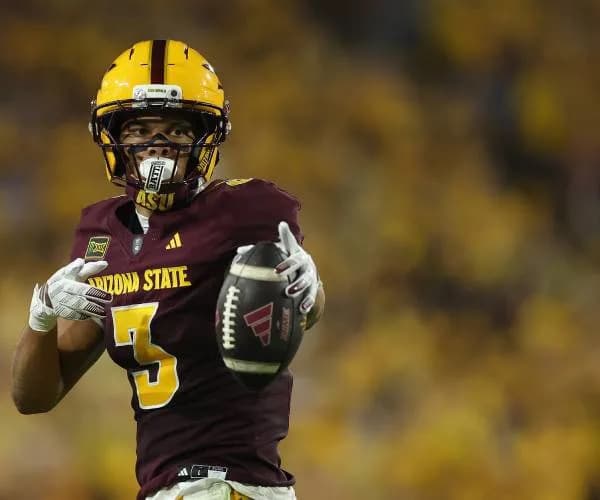
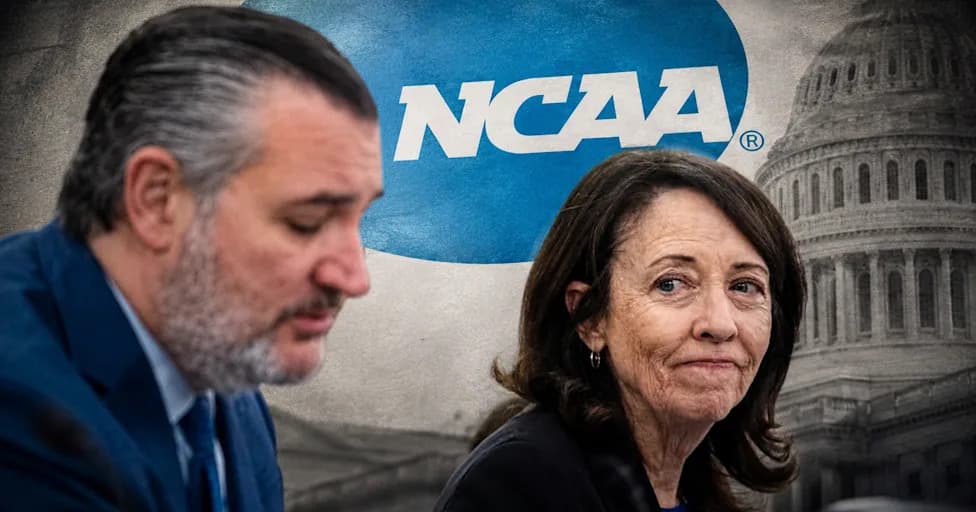
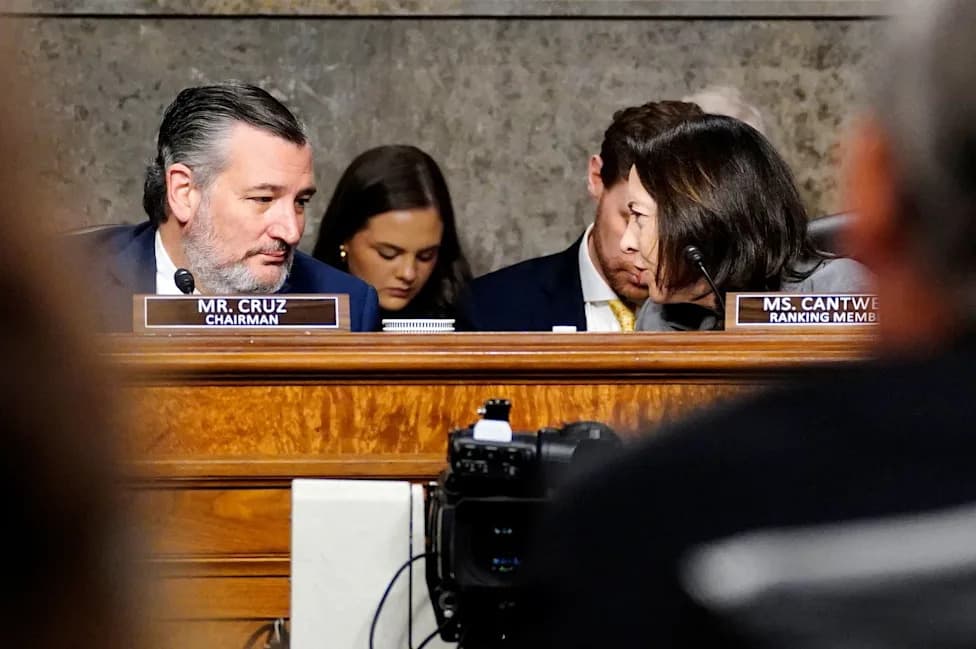
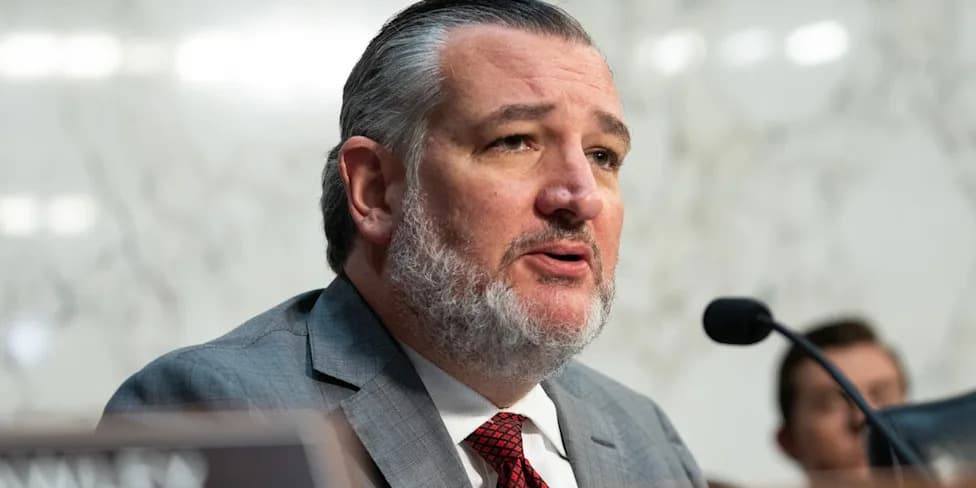
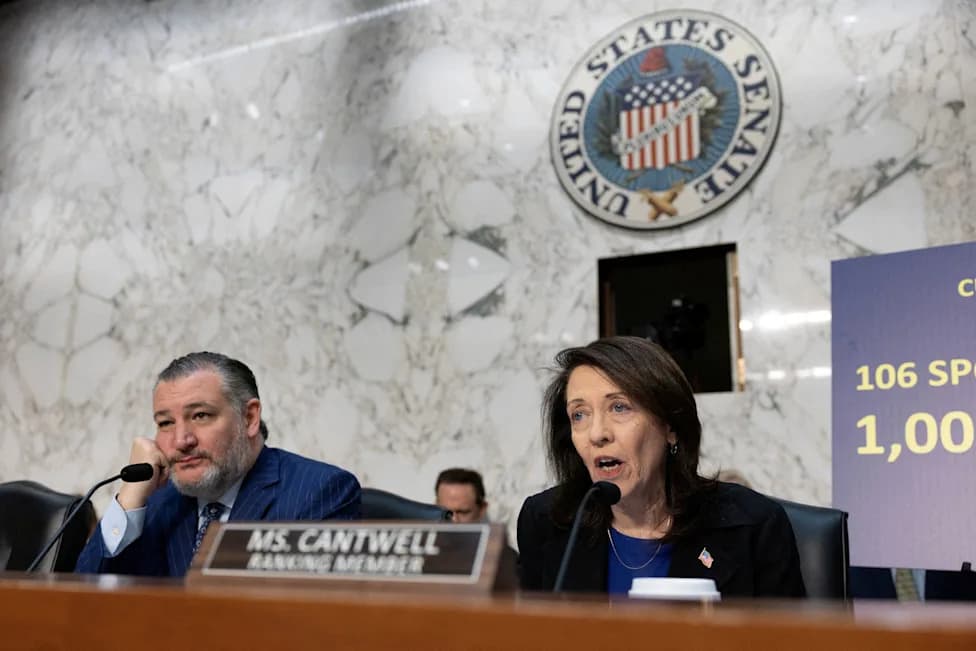
The bill, co-sponsored by Sens. Ted Cruz (R-Texas) and Maria Cantwell (D-Wash.), would regulate how athletes receive revenue from college sports, create an antitrust exemption to allow conferences and schools to jointly negotiate media rights, limit players to one penalty-free transfer, and bar college football staff from leaving midseason to accept other head-coaching jobs.
Frustration Across The Aisle
Some senators — including Republicans — voiced frustration that such legislation is taking priority in the final days before the campaign season. "We've been spending all week trying to make the football coaches happy," Sen. John Kennedy (R-La.) told a gaggle of reporters. "I can assure you that moms and dads out there across America, when they lie down to sleep at night — they're not worried about football."
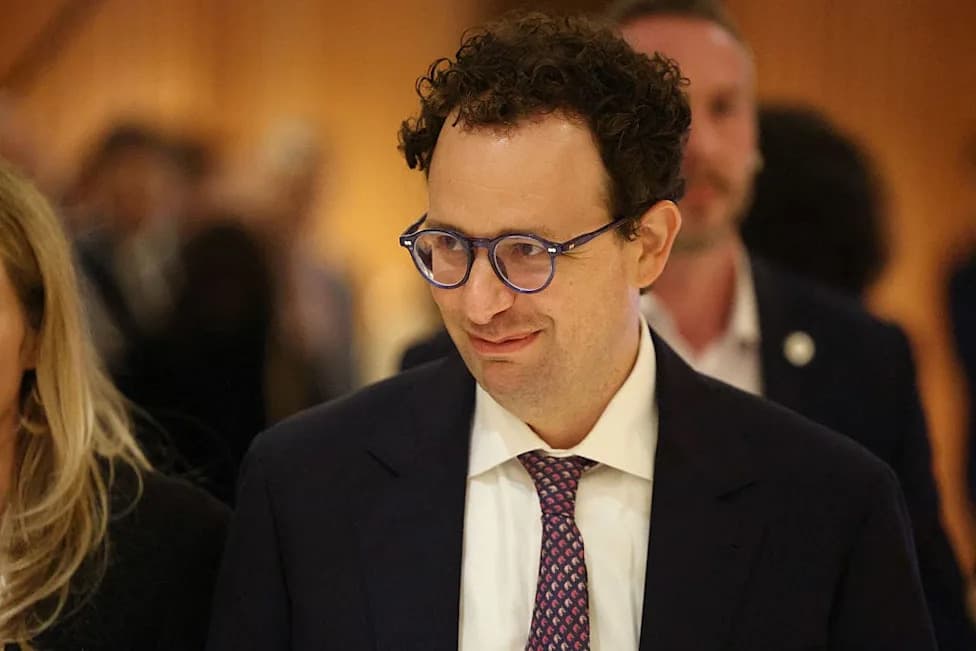
"The fact that Democrats would participate in this being the last thing of consideration is shameful to me," Sen. Cory Booker (D-N.J.) said, criticizing colleagues who advanced the bill despite concerns it could disadvantage athletes of color.
The National Association for the Advancement of Colored People (NAACP) has warned the measure could disadvantage many Black athletes, and the vote to advance the bill split the Democratic caucus.
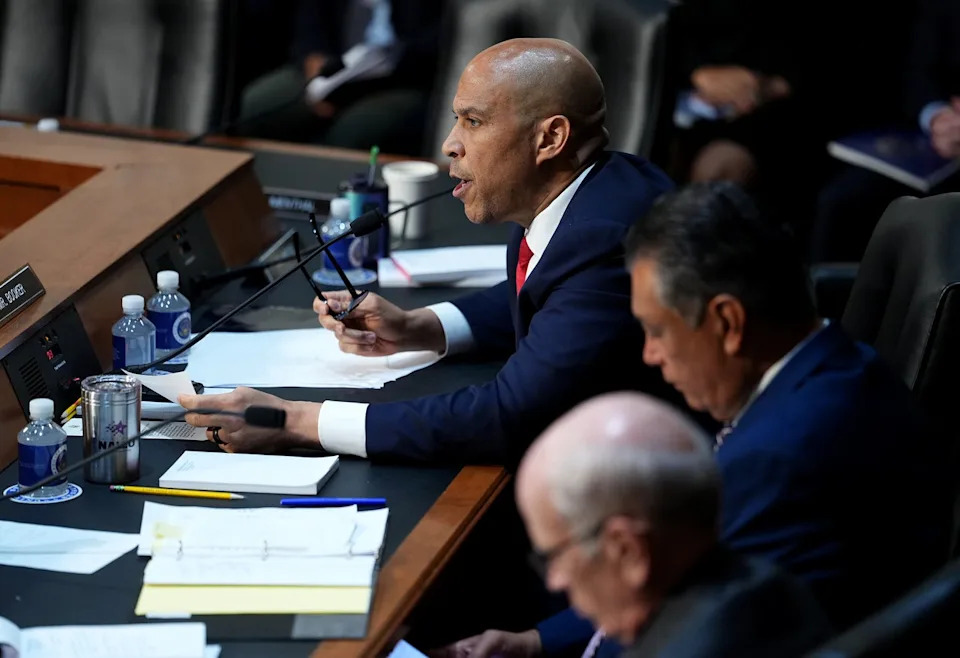
Sen. Cory Booker (D-N.J.) lambasted his fellow Democrats for collaborating with Republicans on college sports legislation when he said it could hurt athletes (Getty)
What The Senate Could Have Been Doing
Lawmakers also spent time last week on the CLARITY Act, proposed legislation to establish a regulatory framework for digital assets such as cryptocurrency. Democrats blocked the bill, arguing it could benefit political allies of the president who profit from crypto.
At the same time, a War Powers resolution intended to limit the president's military action in Iran failed on the Senate floor. Several politically vulnerable Republicans opposed the resolution even as rising fuel prices and regional tensions have increased voter concern in traditionally red states.
Rising Public Anxiety Over AI
Public concern about artificial intelligence remains high. This week, OpenAI acknowledged that one of its systems accessed content from an Australian government website without authorization, stoking broader worries about AI safety and oversight. President Donald Trump has dismissed extensive regulation, tweeting that the "only control or 'guardrails' that AI needs is a STRONG AND SMART (High IQ!) PRESIDENT."
Political Stakes
Polling suggests voters are uneasy: a recent CNN/SSRS survey found low approval for the administration's foreign policy, and the closure of the Strait of Hormuz by Iran has contributed to higher gasoline and diesel prices. With control of Congress on the line in November, many Republicans face growing political risk if the party is seen as deferring to the president on priorities rather than addressing pressing voter concerns.
Senate leaders appeared rueful as the week closed. "I think midterms when both parties have had the presidency — there have been a number of them — the time I've been in office that have been tough environments for the incumbent party," Senate Majority Leader John Thune said, acknowledging the uphill fight his party faces.
As the Senate heads into its final week before recess, its choice to prioritize college-sports legislation over new measures on AI oversight, energy and war powers highlights the political trade-offs shaping the end of this legislative session.
Help us improve.