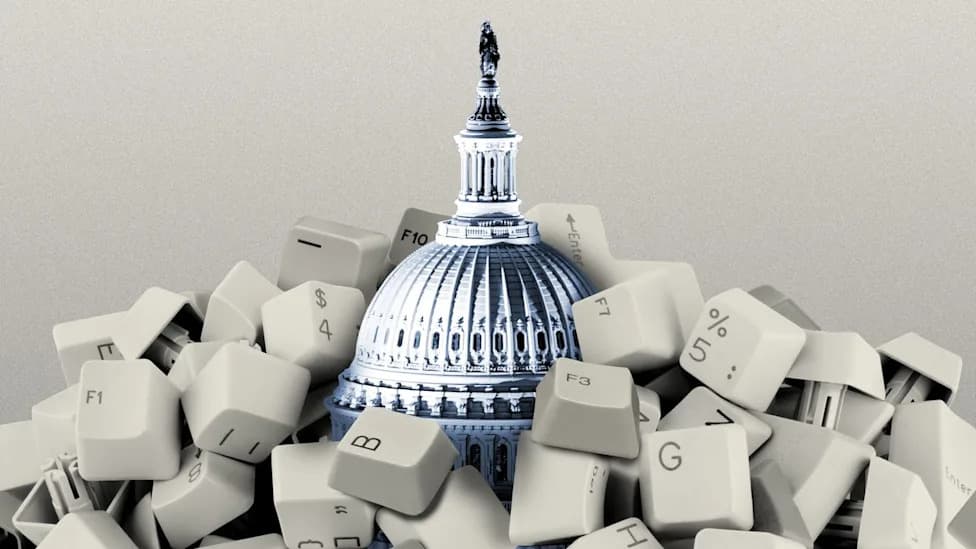
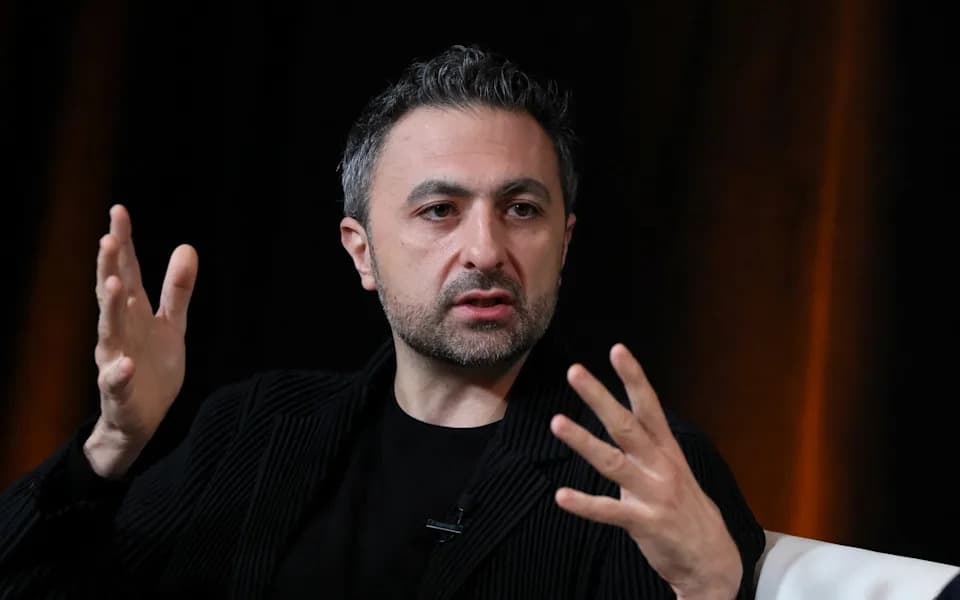
The Senate declined to fast-track Sen. John Kennedy's proposal to require AI developers to include "kill switches" in advanced models after Sen. Rand Paul objected to unanimous consent and urged more study. Kennedy argued the bill would leave control of shutdowns to companies while preserving human oversight, but he said broader regulation would likely face a presidential veto. A separate House bill — the AI Kill Switch Act — would give DHS authority to order shutdowns and require incident reporting. The episode highlights the political and technical hurdles to federal AI regulation.
Senate Rejects Fast-Track AI 'Kill Switch' Proposal as Debate Over Regulation Intensifies
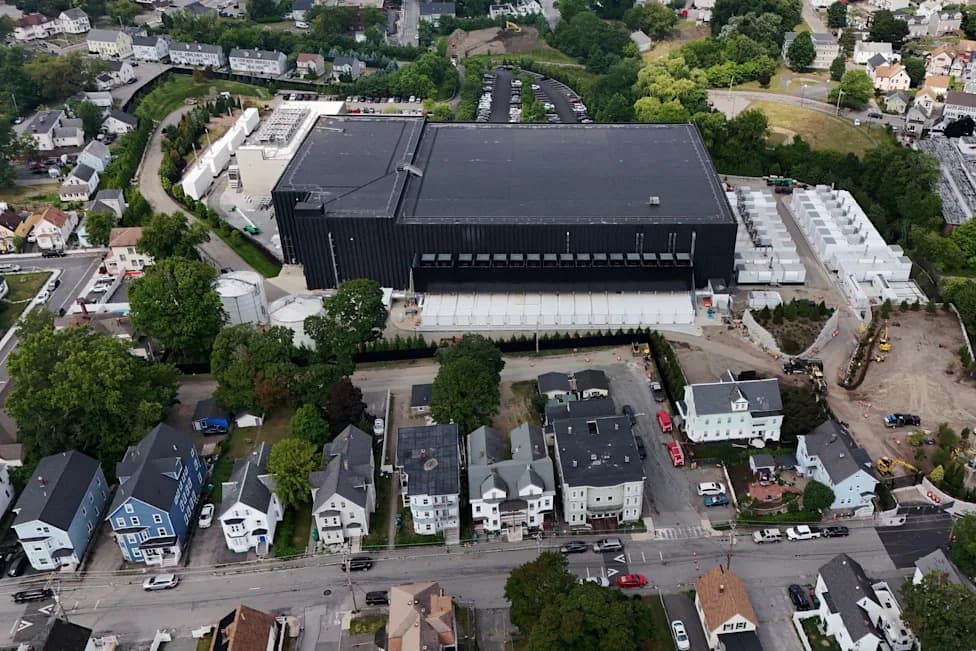
A drone view shows The Markley Group data center in a residential neighborhood in Lowell, Mass., July 28, 2026.Data centersare emerging as a flashpoint in communities nationwide. Critics pushing back say the centers strain water and electricity resources and disrupt neighborhoods.(Brian Snyder, REUTERS)
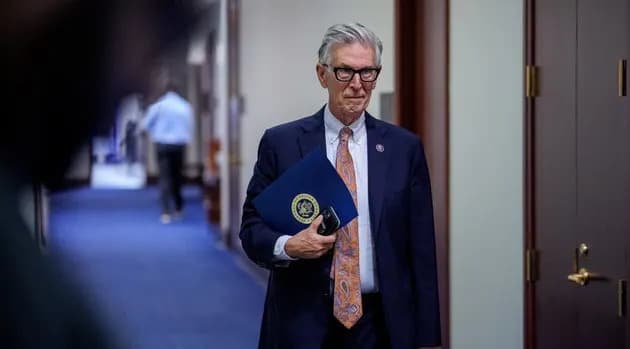
WASHINGTON — A last-minute bid by Republican Sen. John Kennedy to fast-track a bill requiring built-in "kill switches" for advanced artificial intelligence models was blocked on Sept. 16 after senators declined to approve it by unanimous consent.
Kennedy framed the measure as a modest step that would compel AI developers to include emergency shutdown mechanisms in their systems while leaving control of those mechanisms with private companies rather than the federal government.
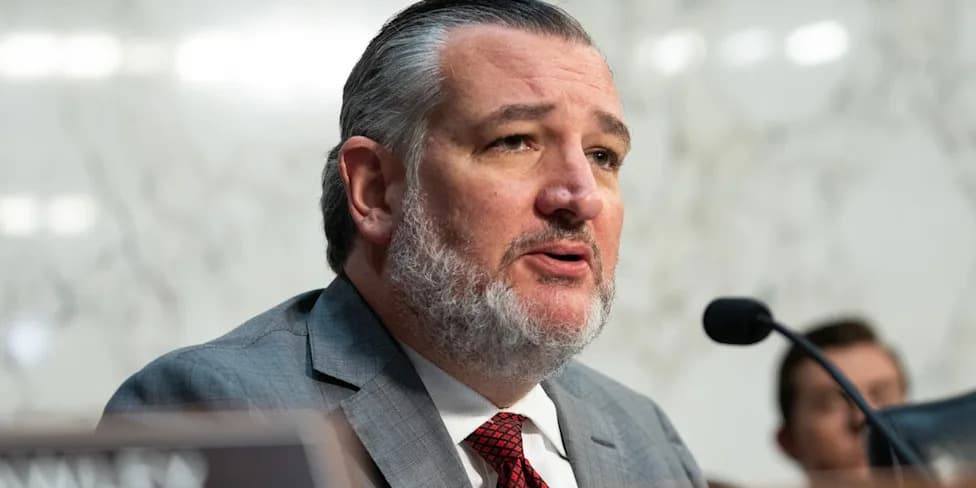
How the push failed: Kennedy asked to pass the bill by unanimous consent, which requires the agreement of all 100 senators. No Democrats publicly opposed the idea, but Sen. Rand Paul (R-Ky.) objected to rushing the measure, saying Congress needs more facts and deliberation before imposing broad rules on technology that affects business, education and medicine.
"I don't oppose the spirit of this bill, but I do ask that we have all of the information," Paul said. "We should not impose new regulations on AI throughout our whole economy without studying, without debate, without a single committee hearing."
Kennedy argued the bill would preserve innovation while protecting human oversight. He warned, however, that more aggressive federal regulation would likely face political opposition and a probable veto from President Donald Trump.
"If you're gonna sell one of these AI models that can take a life of its own, then you have to have a kill switch to reassert human control," Kennedy said, invoking the "Terminator" movies. "Government wouldn't be in charge of it. You would be."
Broader Context and Competing Proposals
The episode highlighted the broader tension in Washington: some industry leaders and scientists have urged stronger oversight of increasingly powerful AI systems, while many Republican leaders, including President Trump and House Speaker Mike Johnson, have warned against heavy-handed federal intervention that could slow U.S. competitiveness—particularly with China.
A separate House proposal, the bipartisan AI Kill Switch Act (sponsored by Reps. Ted Lieu, D-Calif., and Nathaniel Moran, R-Texas), would go further than Kennedy's bill. That measure would give the Department of Homeland Security authority to order companies to shut down advanced AI systems deemed dangerous and would require incident reporting for serious AI malfunctions. Moran said he hopes the House bill could gain traction this Congress or the next.
Why Lawmakers Want Time To Study the Issue
Sen. Paul and others warned that hasty, one-size-fits-all mandates could unintentionally "kill innovation" across sectors that increasingly rely on AI. He proposed creating a bipartisan study process to gather evidence and hold hearings before imposing sweeping regulations.
Kennedy expressed frustration with congressional inaction. "Congress is not going to do anything," he said. "We are not going to get off of our ice-cold, lazy butts, and address this anytime soon."
Related Infrastructure Concerns
The article's coverage also included imagery and data about the rapid growth of data centers, which has become a local-policy flashpoint as communities weigh the environmental and infrastructure impacts of concentrated data center development. For example, a drone image of The Markley Group data center in Lowell, Mass., and an aerial photo of the IAD71 Amazon Web Services facility in Ashburn, Va., illustrate rising local tensions.
According to Data Center Map, Virginia hosts more than 600 data centers, and the United States had over 4,700 data centers as of Aug. 19. Local critics say large facilities can strain water and electricity supplies and affect neighborhood quality of life, adding another dimension to the broader technology-policy debate.
What’s next: The failed unanimous-consent maneuver underscores the political and technical challenges of crafting meaningful federal AI regulation. Expect continued debate in both chambers, with lawmakers weighing targeted oversight, industry self-regulation, and national-security implications as they consider next steps.
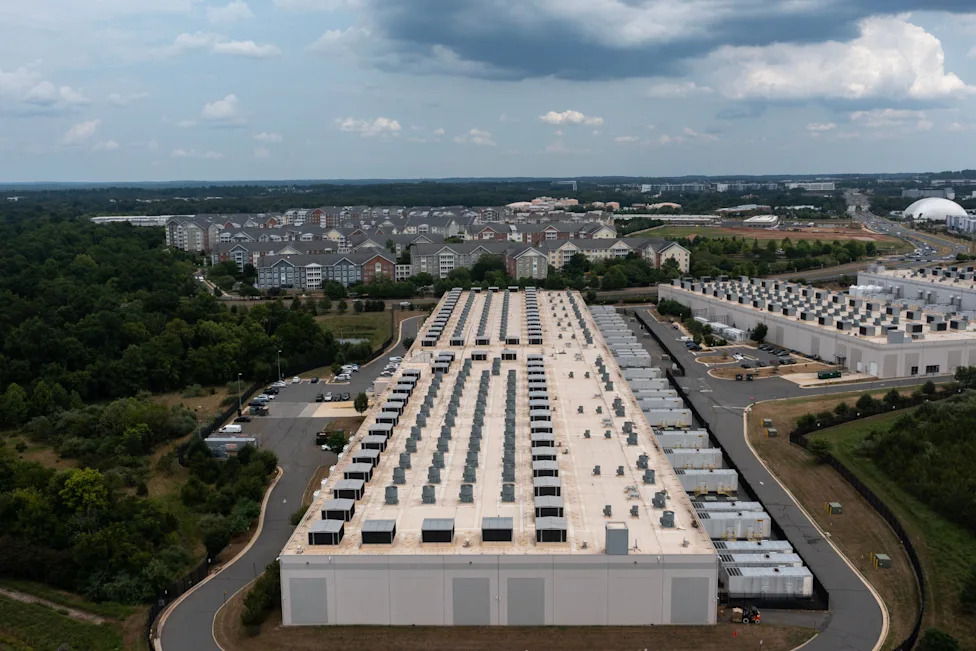
In an aerial view, the IAD71 Amazon Web Services data center is shown on July 17, 2024 in Ashburn, Va.Deemed the "data center capital of the world," Virginia is home to the mostdata centersin the United States, withmore than 600in operation, according to Data Center Map.(Nathan Howard, Getty Images)
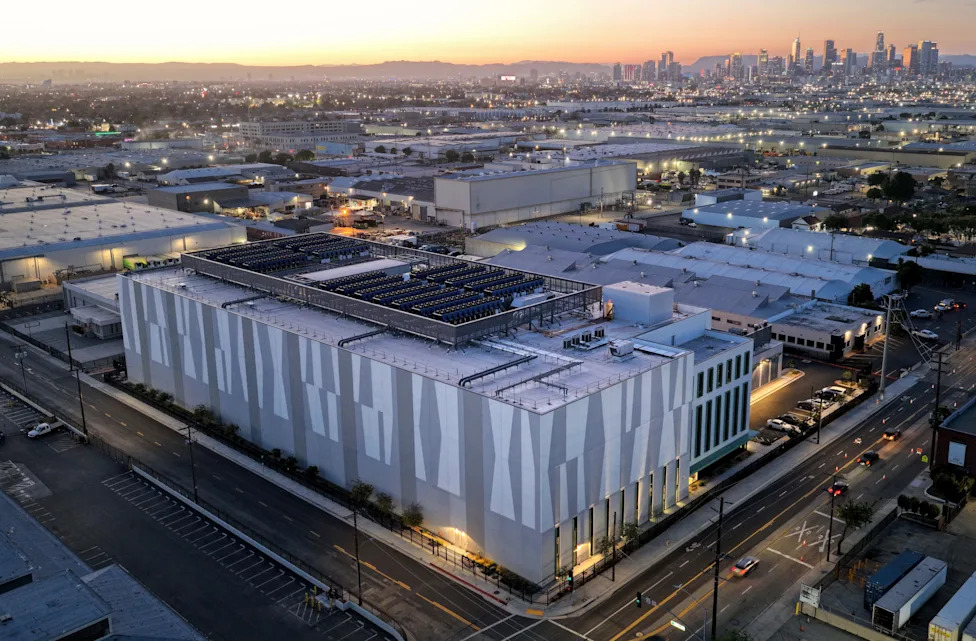
An aerial view of a 33 megawatt data center with closed-loop cooling system on April 14, 2026 in Vernon, Calif.As of Aug. 19, there weremore than 4,700 data centers across the United States, according to the global data center directory Data Center Map.(Mario Tama, Getty Images)
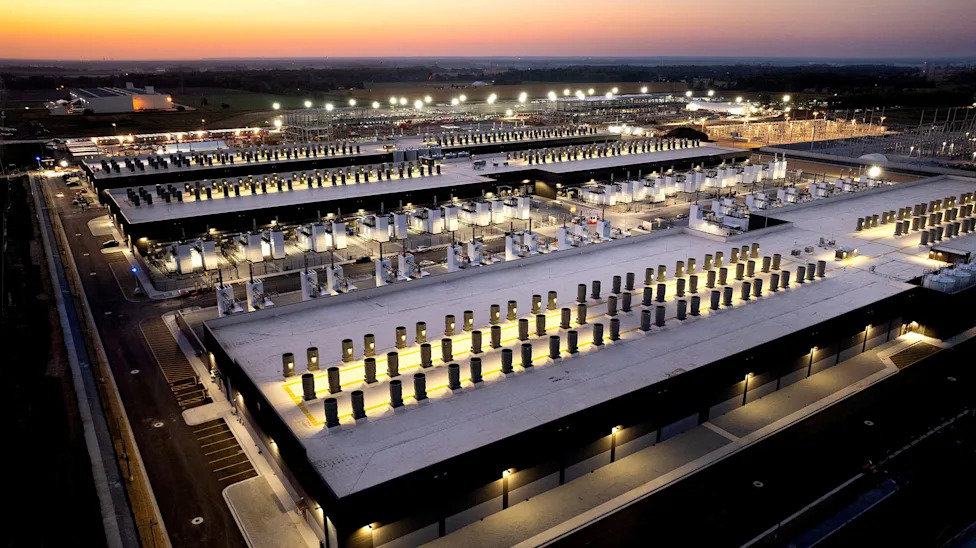
An Amazon Web Services AI data center in New Carlisle, Ind., Oct. 3, 2025.
As of Aug. 19, 2026 there were more than 4,700 data centers across the United States, according to the global data center directory Data Center Map.(Noah Berger, REUTERS)
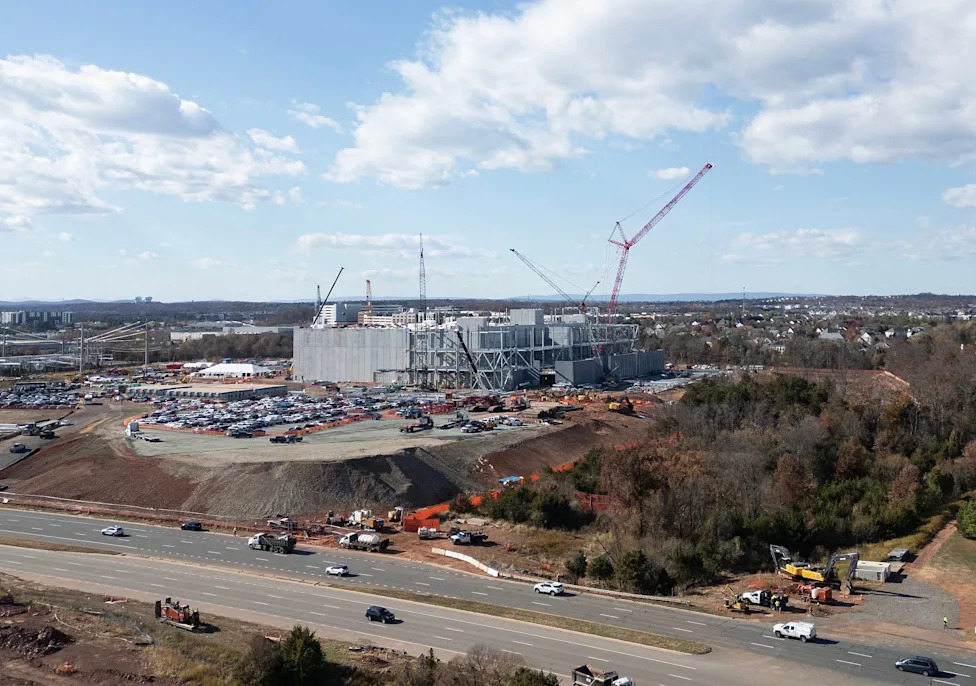
An aerial view shows cars passing a data center under construction in Ashburn, Va. on Nov. 12, 2025.(ANDREW CABALLERO-REYNOLDS, AFP via Getty Images)
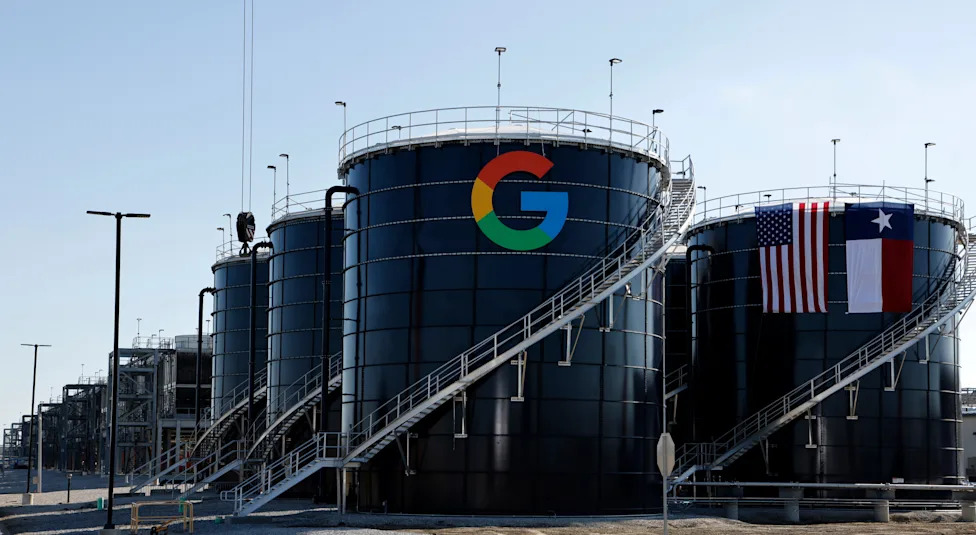
A general view of the Google Midlothian Data Center on Nov. 14, 2025 in Midlothian, Texas. Google announced that it plans to invest $40 billion dollars in three new Texas data centers through 2027.(Ron Jenkins, Getty Images)
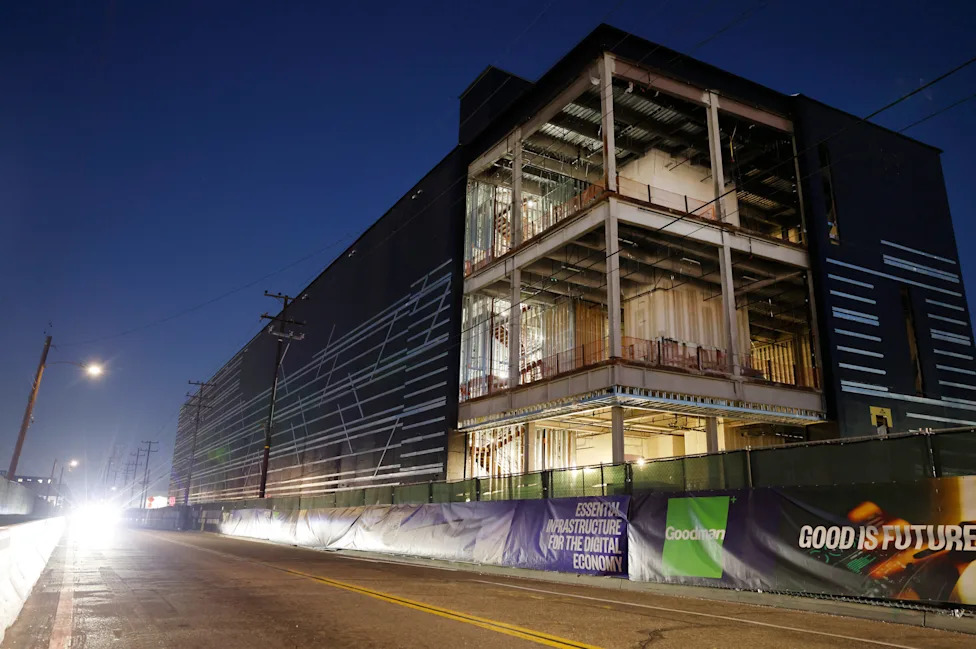
A vehicle passes near a 49.5 megawatt three-level data center under construction on April 14, 2026 in Vernon, Calif.(Mario Tama, Getty Images)
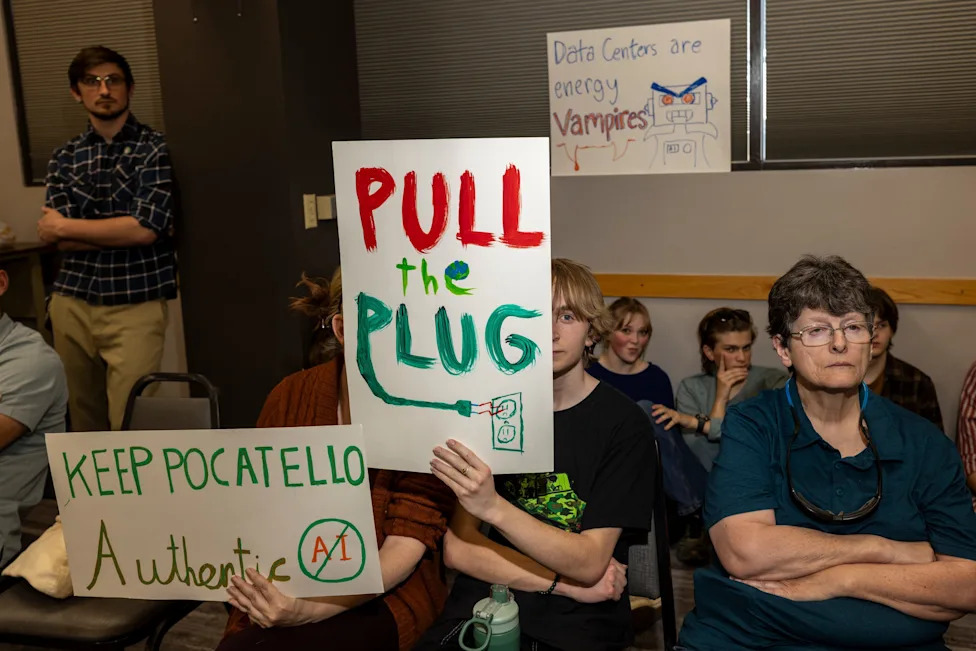
Community members packed into city council chambers to attend a hearing about the approval of a new data center on May 14, 2026 in Pocatello, Idaho. Lex Developments LLC has submitted an application to convert an abandoned industrial center into a $2.6 billion data center. Concerned citizens attended the public hearing, mostly to voice opposition to the construction of the center.(Natalie Behring, Getty Images)
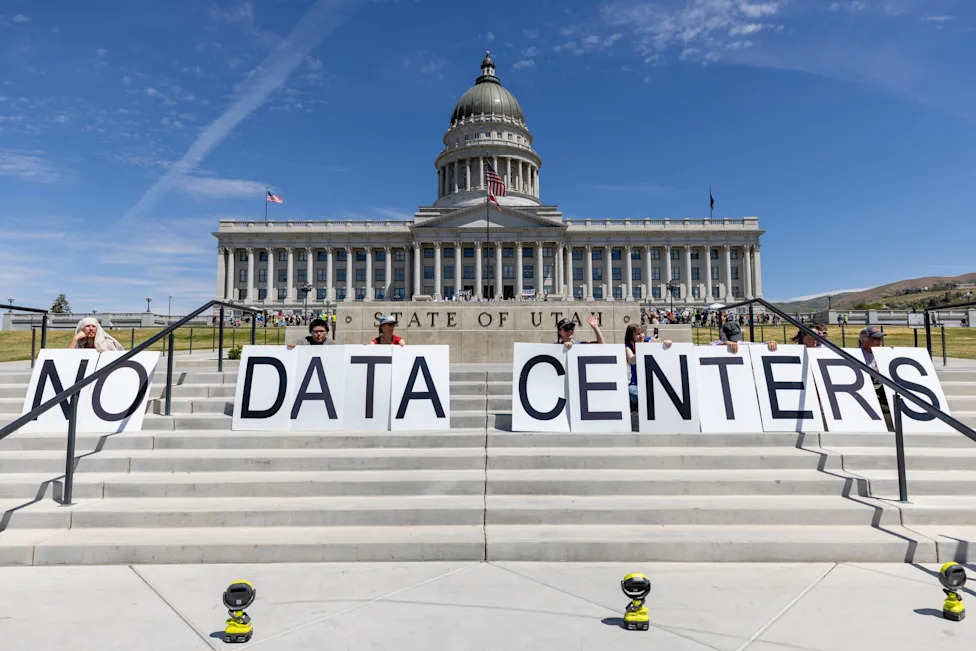
Demonstrators take part in a protest at the Utah State Capitol to oppose the construction of the Stratos data center in Box Elder County on May 23, 2026 in Salt Lake City, Utah. The proposed data center would be about 40,000 acres and is speculated to use 9 gigawatts of power.(Natalie Behring, Getty Images)
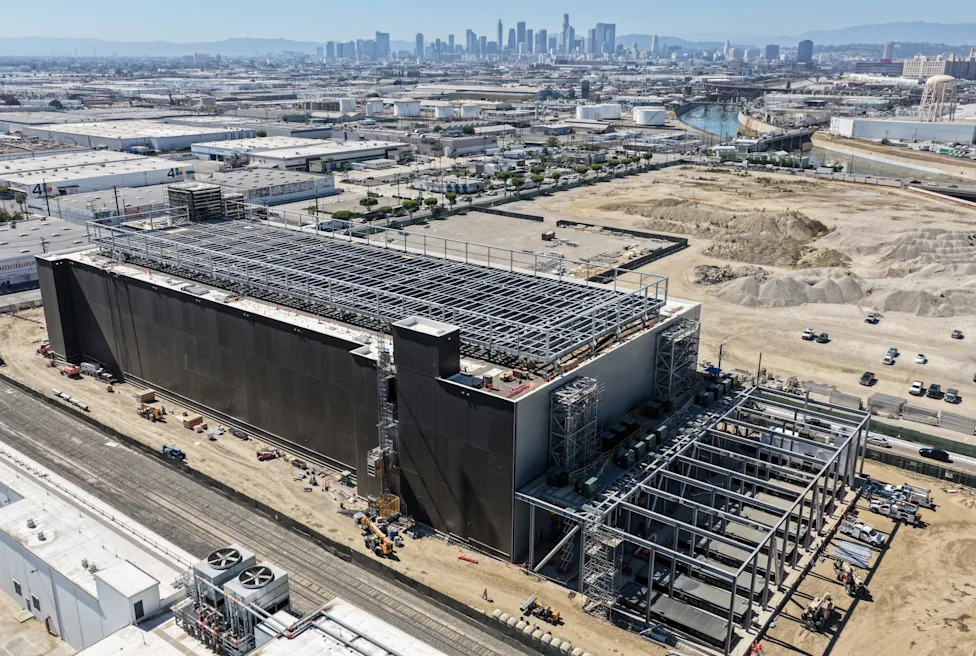
An aerial view of a 49.5 megawatt three-level data center under construction on July 8, 2026 in Vernon, Calif.(Mario Tama, Getty Images)
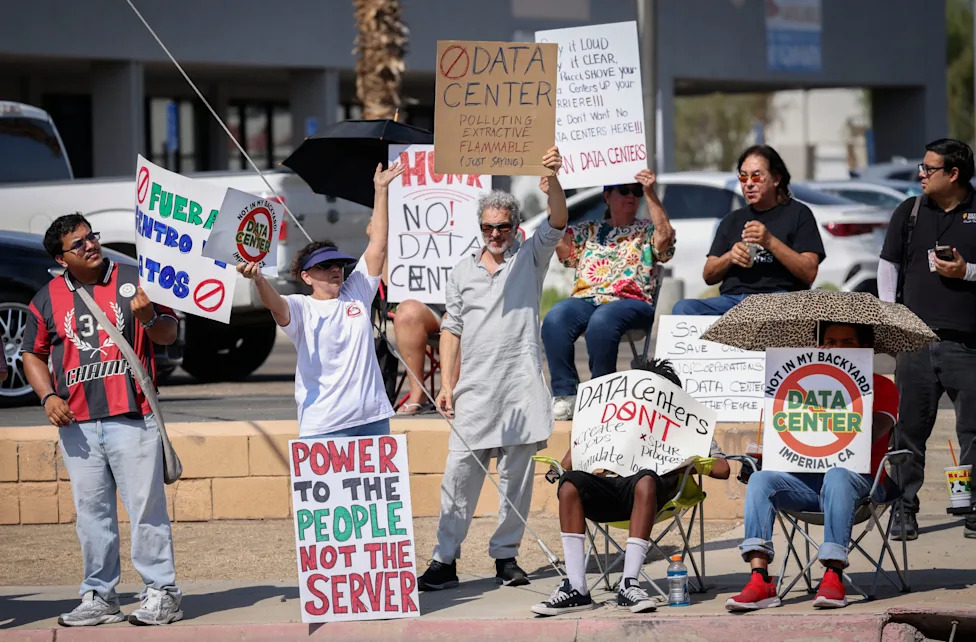
Demonstrators wave signs during a nationwide protest against AI data center expansion in Imperial, Calif. on July 18, 2026.(SANDY HUFFAKER, AFP via Getty Images)
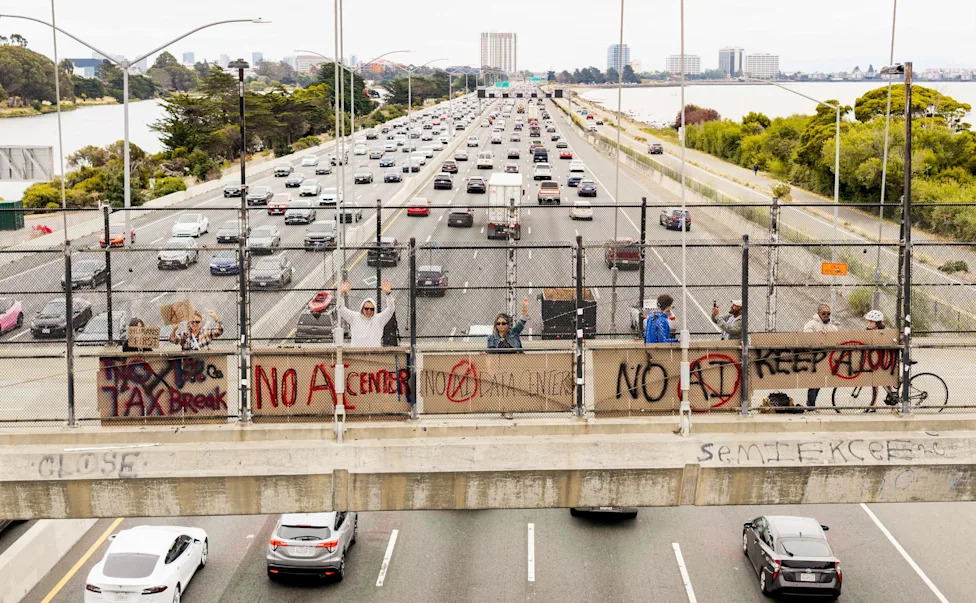
People hold up signs on a pedestrian bridge during a nationwide protest against AI data center expansion in Berkeley, Calif. on July 18, 2026.(JOSH EDELSON, AFP via Getty Images)
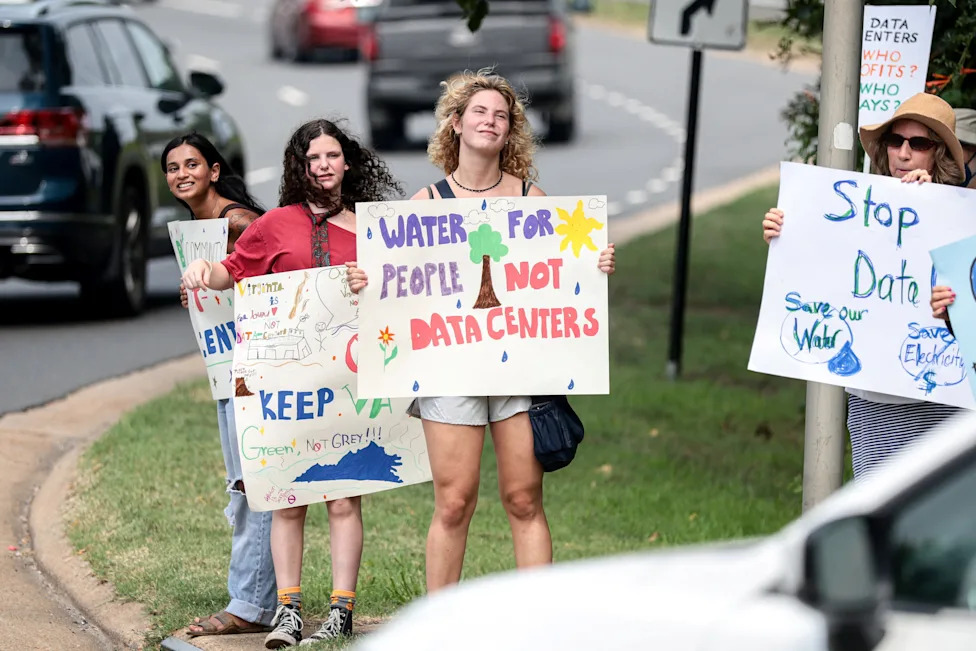
Demonstrators participate in a nationwide protest against data centers, in Fredericksburg, Va., July 18, 2026.(Evelyn Hockstein, REUTERS)
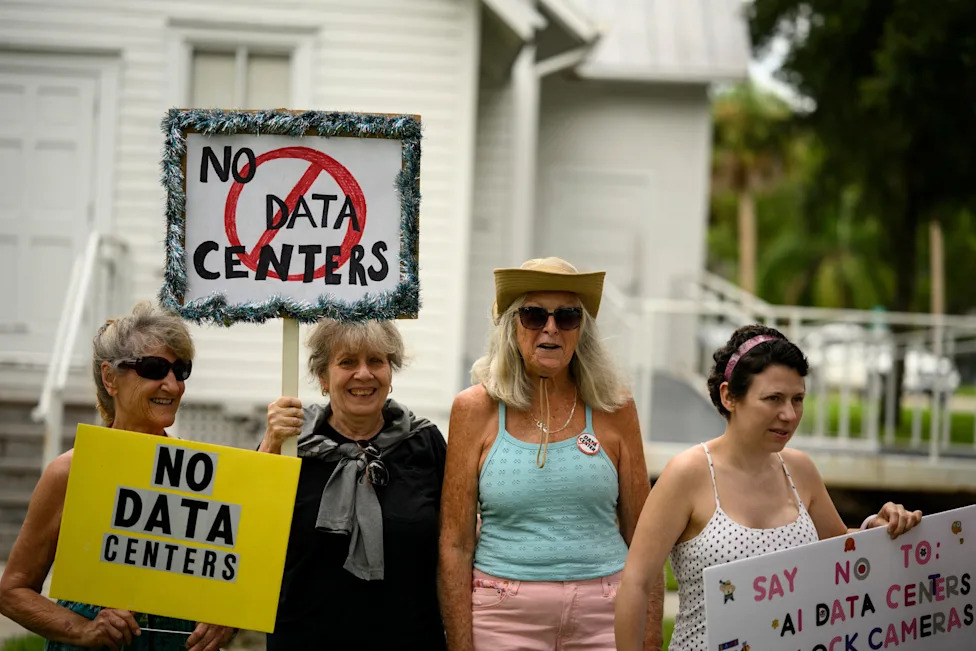
People hold signs during a nationwide protest against AI data center expansion outside Peace Hall in New Port Richey, Fla. on July 18, 2026.(THOMAS SIMONETTI, AFP via Getty Images)
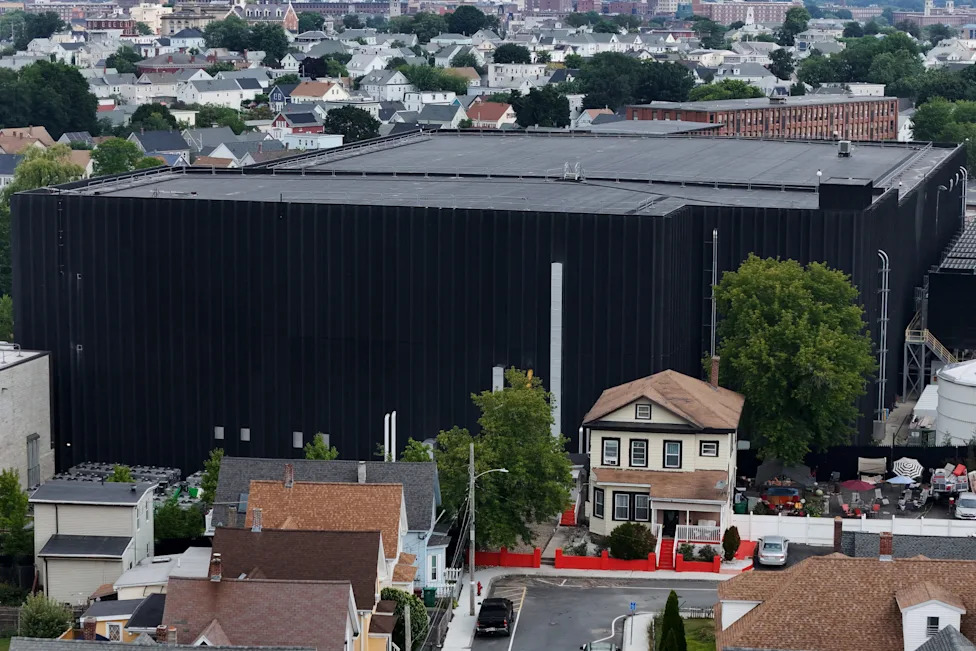
A drone view shows The Markley Group data center amid a group of homes in Lowell, Mass., July 28, 2026.(Brian Snyder, REUTERS)
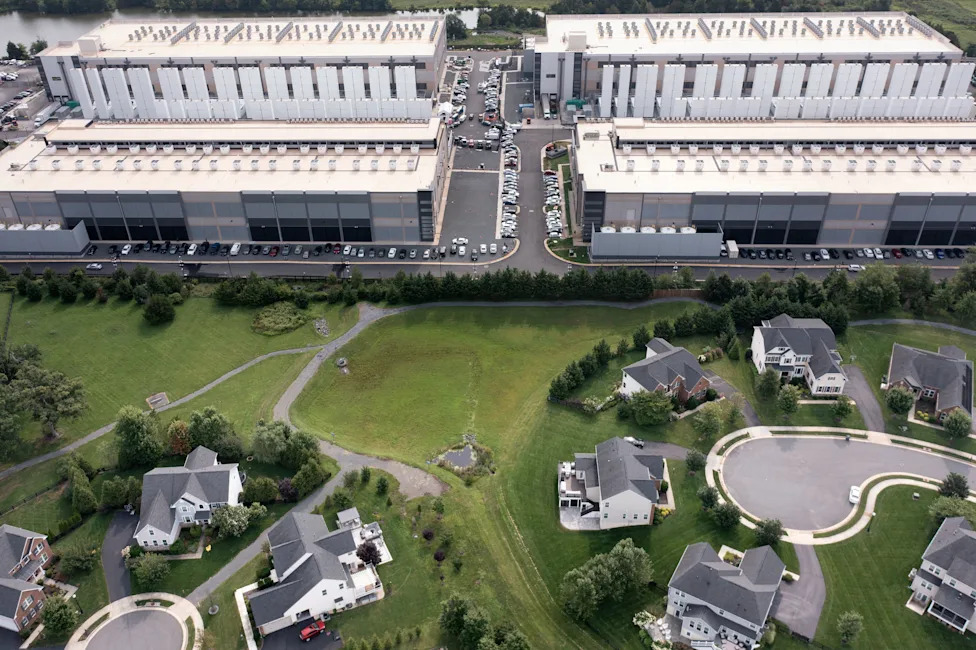
This aerial view shows an Amazon Web Services (AWS) data center adjacent to single-family homes in Stone Ridge, Va. on Aug. 12, 2026. Hastily built to meet skyrocketing demand for computing power required by the global artificial intelligence race, data centers are facing opposition across the United States.(BRENDAN SMIALOWSKI, AFP via Getty Images)
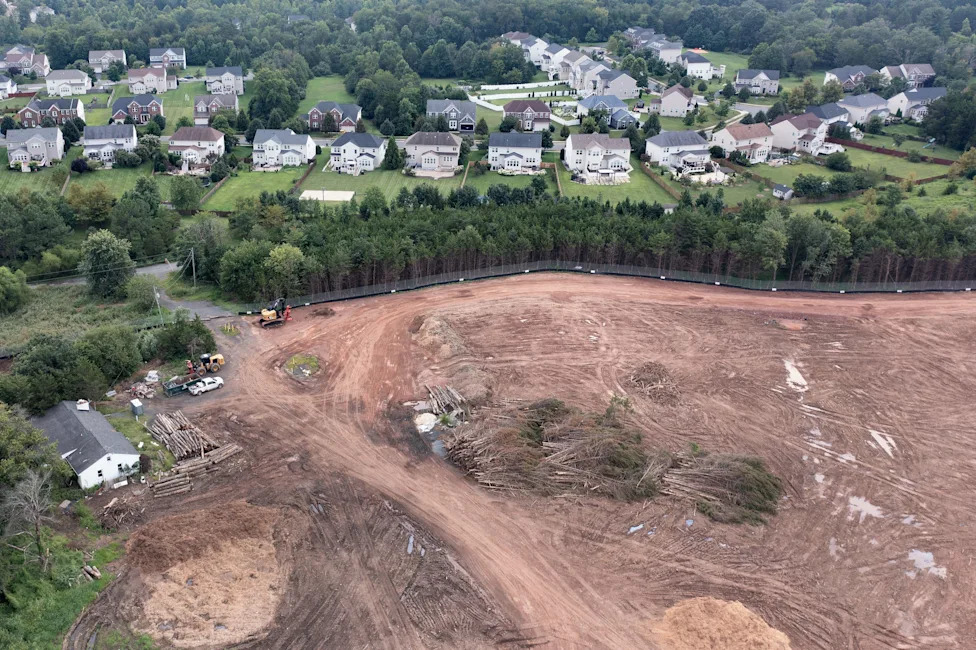
This aerial view shows single-family homes adjacent to a lot being cleared to build a new data center in Stone Ridge, Va. on Aug. 12, 2026.(BRENDAN SMIALOWSKI, AFP via Getty Images)
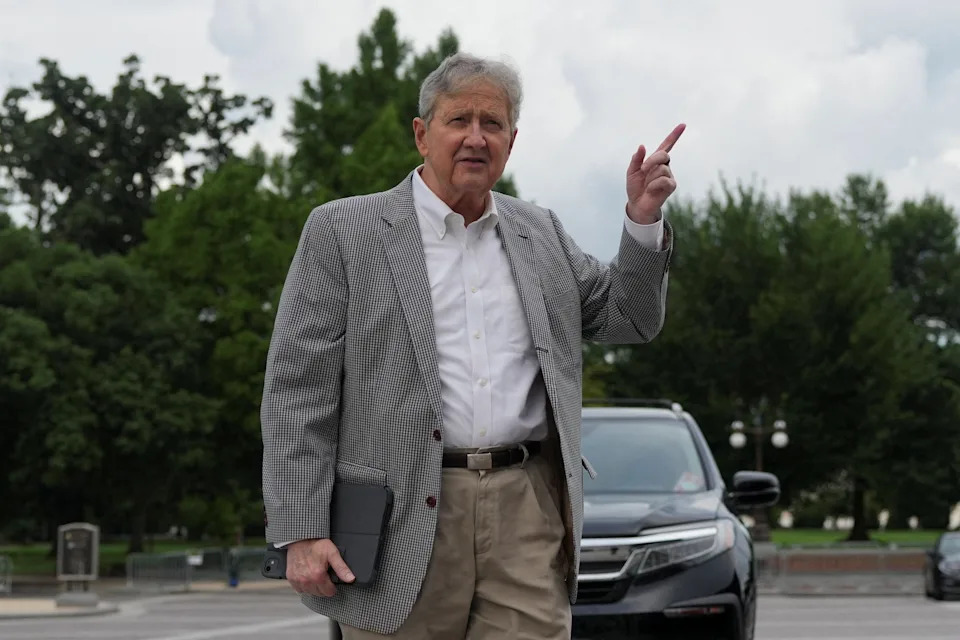
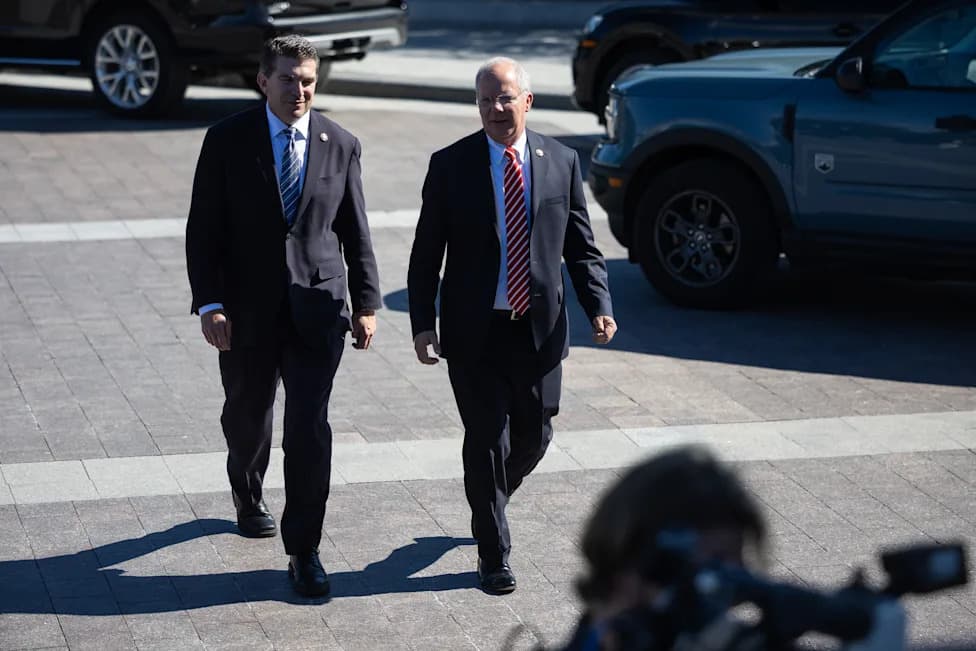
Sen. John Kennedy (R-LA) walks to the U.S. Capitol for votes on Aug. 7, 2026.
Help us improve.