Japan is investigating whether humanoid robots driven by "physical AI" can handle noncombat tasks for the Self‑Defense Forces, such as base patrols and supply movement, to offset recruitment shortfalls. The humanoid design allows machines to operate in spaces built for people, while physical AI helps robots perceive and adapt to their surroundings. Officials explicitly say armed humanoid combat robots are not being considered, and the Defense Ministry has included AI planning in its fiscal 2027 budget request.
Japan Eyes Humanoid Robots With "Physical AI" To Ease Self‑Defense Forces Staffing Shortages
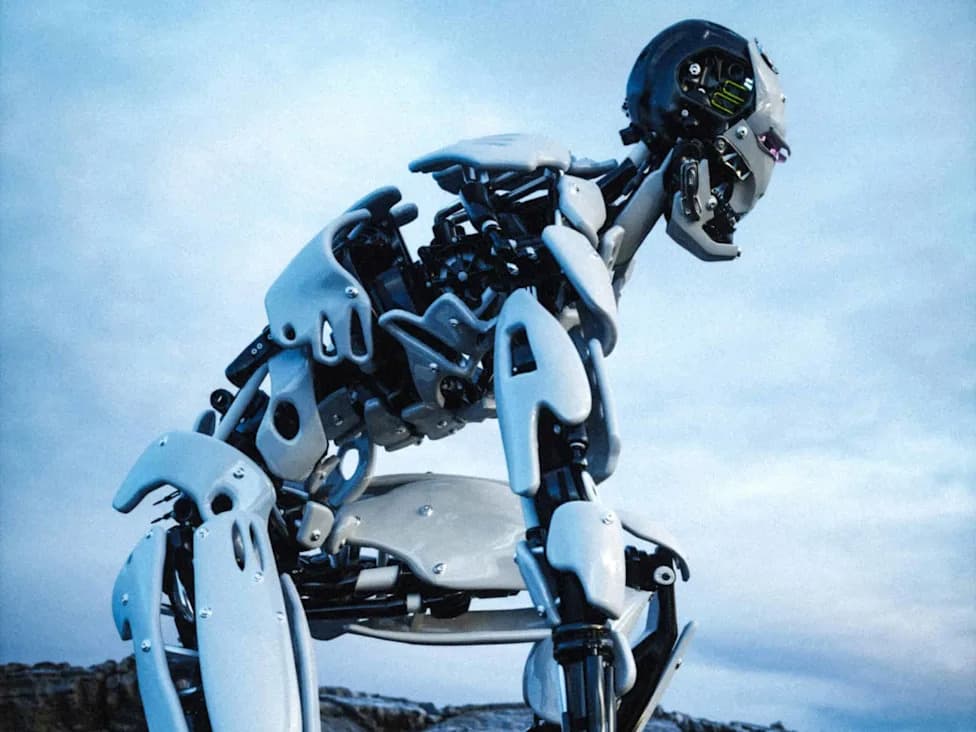
Japan is exploring whether humanoid robots could take on some duties currently handled by Self-Defense Forces personnel | ©Image Credit: Unsplash / Cash Macanaya
Japan is exploring the use of humanoid robots powered by so‑called "physical AI" to take on noncombat duties currently handled by the Self‑Defense Forces (SDF), government and ruling Liberal Democratic Party sources told Japan Today. The move is being considered as Japan grapples with a long‑term decline in its working‑age population and recruitment shortfalls in its military ranks.
Practical, Human‑Shaped Machines
Officials emphasize that the robots would not be deployed as frontline combatants. Instead, early roles under consideration include patrolling bases, transporting and moving supplies, and performing routine logistics or facility‑management tasks. The humanoid form is deliberate: a body shaped like a person can more easily navigate corridors, stairways, doorways and storage areas already built for humans without major infrastructure changes.
What "Physical AI" Means
Unlike robots that follow fixed motion scripts, systems described as "physical AI" combine cameras, tactile sensors and environmental perception to interpret surroundings and adapt actions in real time. This could allow machines to handle varied tasks, react to unexpected obstacles and collaborate with human personnel. Over time, uses discussed include reconnaissance support and search‑and‑rescue missions, though those would require extensive testing and safeguards.
Clear Limits On Combat Use
Both the government and LDP security officials stress a clear boundary: arming humanoid robots for combat is not part of current plans. Policymakers cite the risk that AI could misidentify allies, adversaries or civilians, creating unacceptable hazards on the battlefield. A senior Defense Ministry official said AI might "replace or complement" duties performed by a limited number of personnel, but stressed that combat deployment of armed humanoid robots is not expected.
Where This Fits In Policy And Budgets
Japan’s Defense Ministry included AI and related technologies in its fiscal 2027 budget request and is examining ways to integrate AI into the SDF’s command‑and‑control systems. At the same time, officials acknowledge that the real‑world performance of humanoid robots in military environments has not yet been proven and will require further trials, evaluation and clear legal and ethical guardrails.
Sources: Japan Today (citing government and LDP sources), MILITARNYI; original reporting aggregated on Geekspin.
Outlook
Japan’s interest in humanoid robots highlights a broader global trend: militaries and security services are evaluating AI and robotics to address manpower gaps and improve logistics. Any future deployment will hinge on technology maturity, rigorous testing, and strong policy limits to prevent misuse or unintended harm.
Help us improve.