An 11‑year‑old beluga named Jetta at Mystic Aquarium recovered from chronic pneumonia caused by a multidrug‑resistant E. coli strain after receiving targeted bacteriophage therapy. The treatment, developed with researchers at the University of Florida, included phages selected for Jetta's bacterial strain and was delivered in part via a nebulizer custom‑fitted to her blowhole. More than a year after treatment began, there has been no recurrence or reported side effects. The team will present the case at the Phage Across One Health Symposium and is preparing the findings for publication.
Blowhole Nebulizer Helps Cure Beluga's Drug‑Resistant Pneumonia Using Bacteriophages
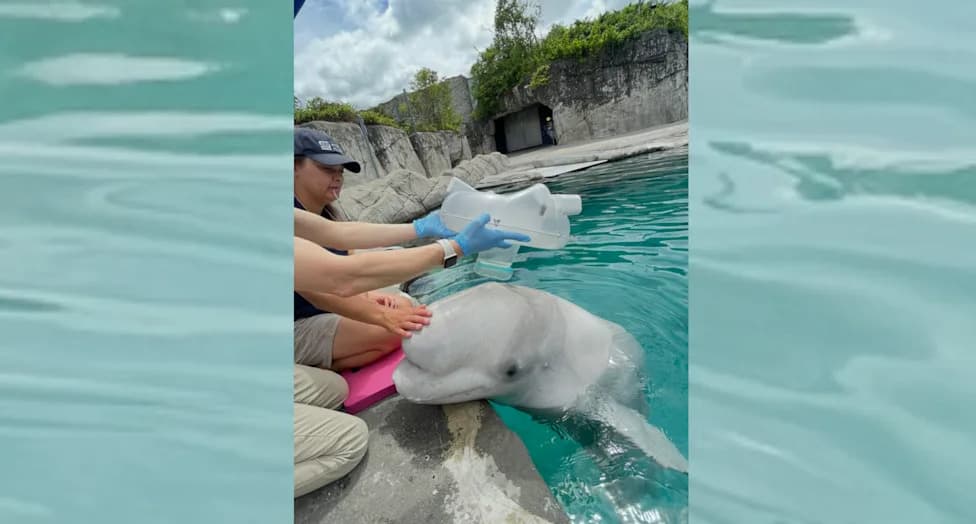
Jetta receiving treatment through the nebulizer.
Pneumonia is a common health problem for whales and dolphins. In a first recorded application for a marine mammal, veterinarians have used bacteriophages—viruses that infect and kill bacteria—to treat an 11‑year‑old beluga whale suffering from a multidrug‑resistant lung infection.
Jetta, a beluga at Mystic Aquarium in Connecticut, developed chronic pneumonia caused by a multidrug‑resistant strain of Escherichia coli. After powerful antibiotics produced little or no improvement, clinicians from Mystic Aquarium and the University of Florida designed a targeted bacteriophage treatment tailored to the specific E. coli strain responsible for her illness, according to a statement provided to Popular Science.
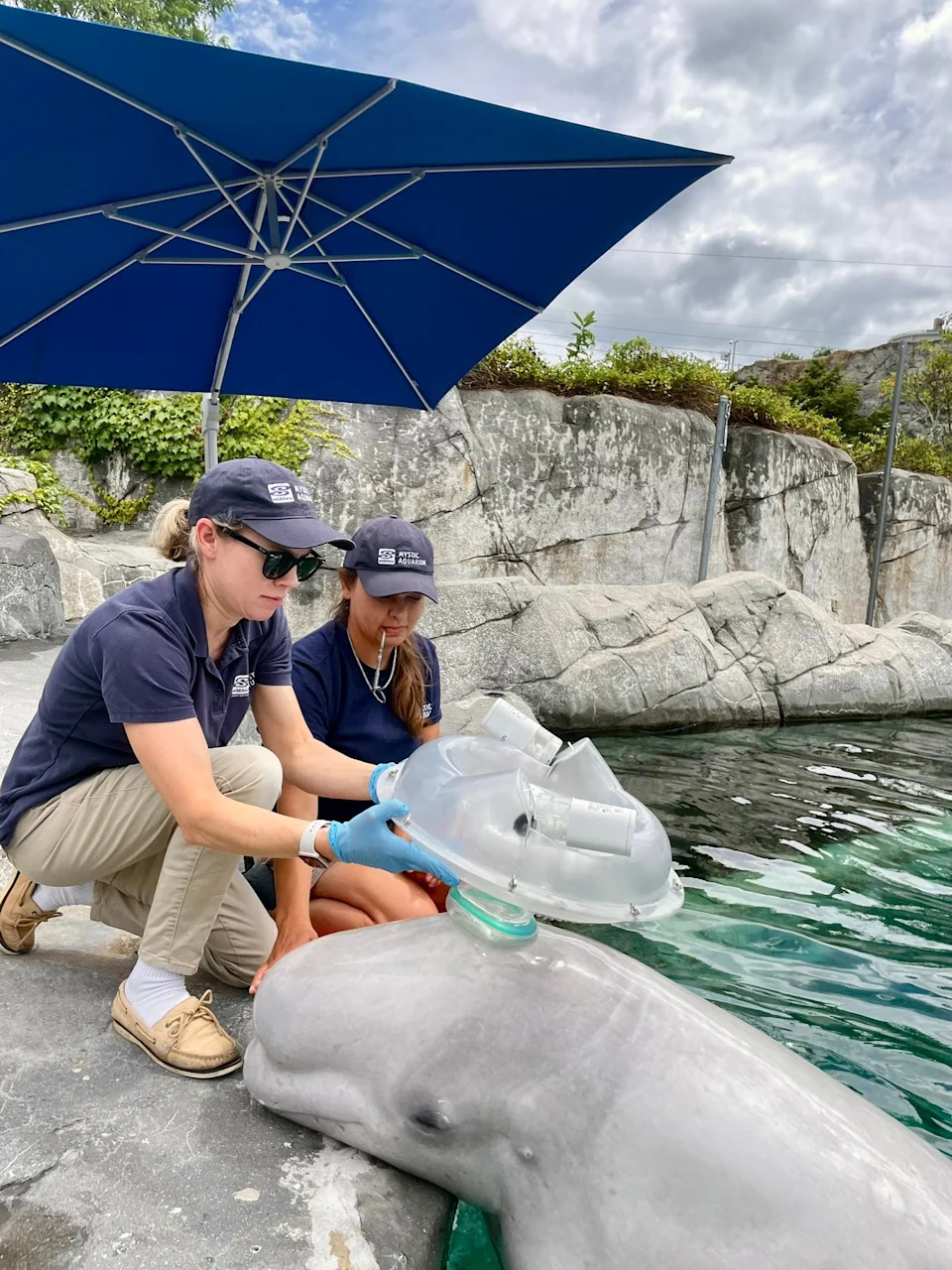
Jetta was trained to breathe deeply.Image: Mystic Aquarium
"Whales, dolphins and seals, both in the wild and under human care, are particularly susceptible to Gram‑negative bacterial infections, which are notoriously difficult to treat with antibiotics," said Molly Martony, Senior Veterinarian at Mystic Aquarium, in remarks to Popular Science. "That contrasts with most terrestrial mammals, which more often face Gram‑positive infections and therefore have a broader range of treatment options. As a result, marine mammals encounter multidrug‑resistant infections much more frequently."
The care team delivered the phage therapy in several ways, most notably by nebulization. Jetta was trained to surface and breathe deeply at the pool edge three times a day while inhaling aerosolized phages through a nebulizer custom‑fitted to her blowhole. This delivery method was designed to be low‑stress and to place the phages directly into the respiratory tract where the infection resided.
Treatment began more than a year ago. Since then, Jetta's veterinary team reports no evidence of recurrence and no adverse side effects attributable to the phage therapy. The result suggests that targeted phage treatments, delivered by inhalation, may offer an effective option for multidrug‑resistant respiratory infections in marine mammals and could inform human research into nebulized phage delivery.
"Bacteriophage therapy isn't entirely new—it has been explored experimentally in humans—but Jetta's case highlighted something unexpected: the delivery method itself," Martony said. "Nebulizing the phages so she could breathe them in proved both highly effective and low stress. Human researchers are also beginning to explore nebulized delivery as a potentially faster, less invasive way to tackle multidrug‑resistant infections in people."
Martony will present these findings at the University of Florida's Phage Across One Health Symposium next month. She and collaborators at the University of Florida are preparing the case details and clinical data for peer‑reviewed publication.
Help us improve.