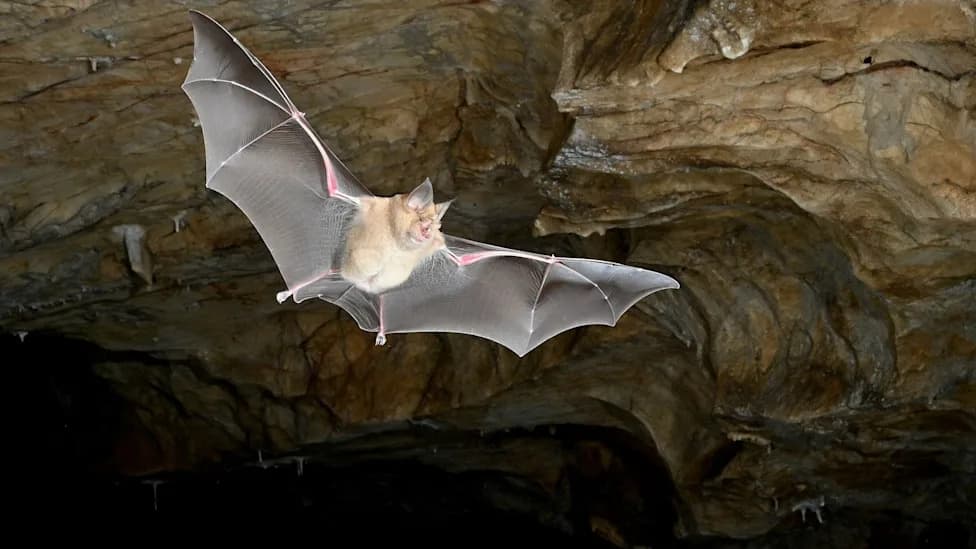
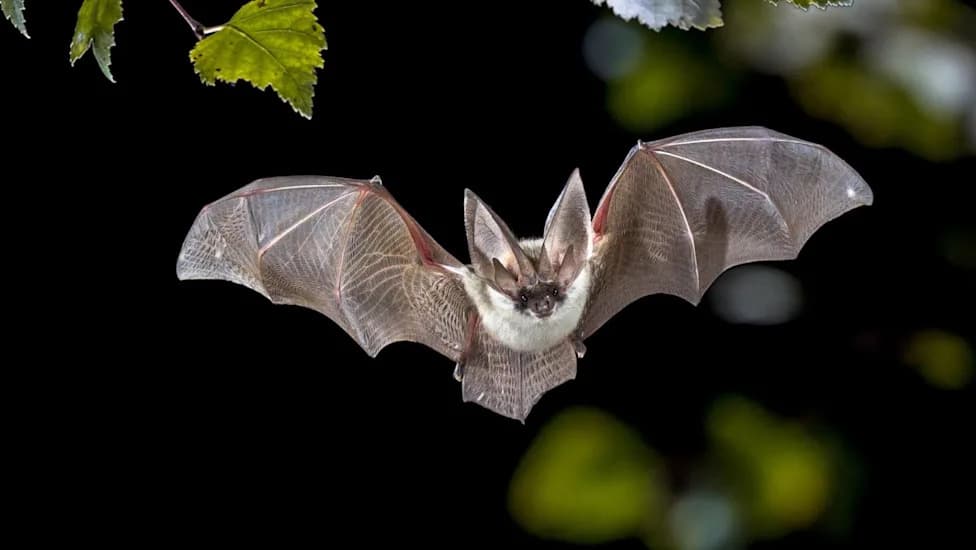
Researchers combined genomes from 103 bat species and anatomical data from 44 fossils to reconstruct bat evolution. The analysis suggests bats originated in Europe about 65 million years ago, soon after the asteroid that ended the dinosaurs, and spread to Africa and beyond. The study supports an early origin of echolocation alongside flight and creates genomic resources that could help research into longevity, immunity and disease resistance.
Major Study Traces Bat Origins to Europe About 65 Million Years Ago
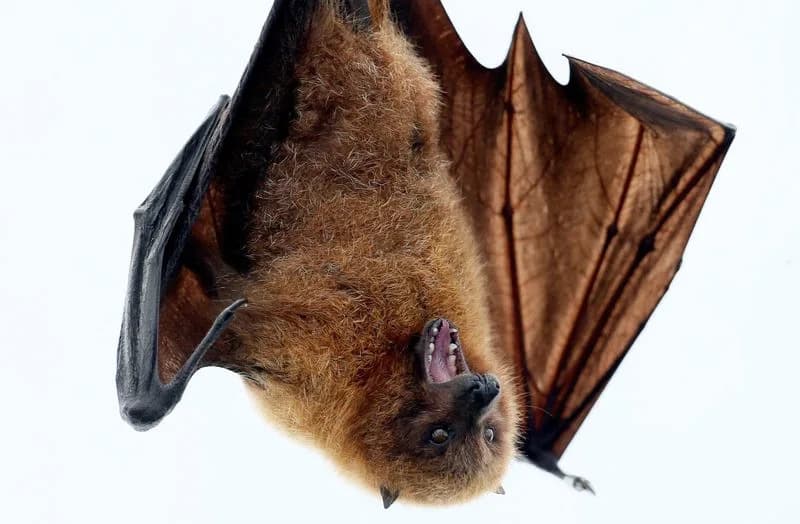
FILE PHOTO: A Rodrigues fruit bat hangs on a perch in the Masoala Rainforest hall at the zoo in Zurich March 26, 2013. REUTERS/Arnd Wiegmann/File Photo
Bats are indispensable to ecosystems worldwide: they pollinate plants, disperse seeds and consume vast numbers of insects. Although they are one of only three vertebrate lineages ever to achieve powered flight, their early evolutionary history has long been debated. A new, large-scale study combining genomic and fossil data now sheds fresh light on when and where bats first evolved.
Largest Genomic and Fossil Analysis to Date
The research team assembled the biggest high-quality genomic dataset for bats so far, sequencing genomes from 103 species that represent all 21 currently recognized bat families. They combined those genomes with anatomical analyses of 44 fossil bat specimens to reconstruct a more complete bat family tree and estimate the group's origin.
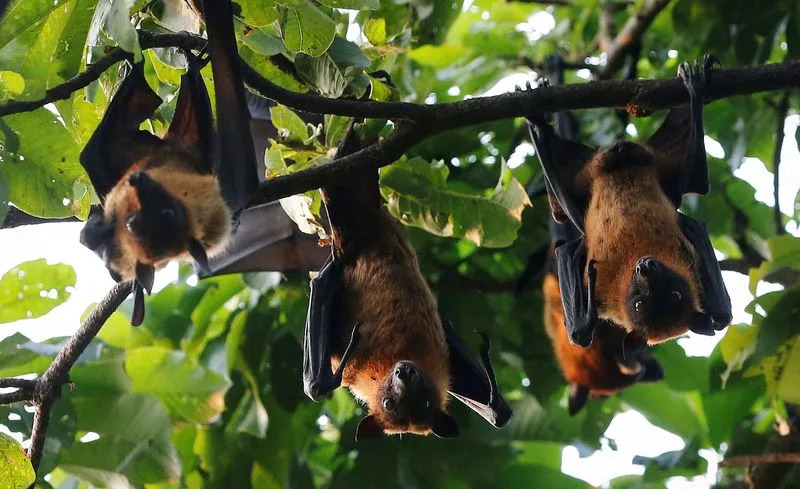
FILE PHOTO: Indian flying foxes or fruit bats are seen as they rest on tree branches inside a temple complex at Kadambazhipuram village in Palakkad district in the southern state of Kerala, India, February 3, 2022./File Photo
Key Findings
The study concludes that bats most likely originated in Europe about 65 million years ago — roughly a million years after the asteroid impact 66 million years ago that helped reshape ecosystems and allowed mammals to diversify. From Europe, bats spread to Africa and then to other continents; Antarctica is the only continent they never colonized.
“I think being able to do both, fly and echolocate, opens up the most amazing opportunities to move into new niches — hunting at night when there's less competition and fewer predators, for example. Flight got them into the air. Echolocation let them own the night,” said Sonja Vernes, a study co-leader and professor of biology at the University of St Andrews.
“Echolocation allowed bats to become nocturnal, essentially, and not compete with birds or be preyed on by diurnal birds,” added co-leader Emma Teeling of University College Dublin.
Flight and Echolocation
The analysis supports the idea that echolocation evolved very early in bat evolution, likely near the origin of the group and alongside flight. However, the exact order — whether flight or echolocation emerged first — remains unresolved because the oldest bat fossils already show anatomical features consistent with both abilities. Scientists say discovery of older transitional "pre-bat" fossils will be needed to settle that question.
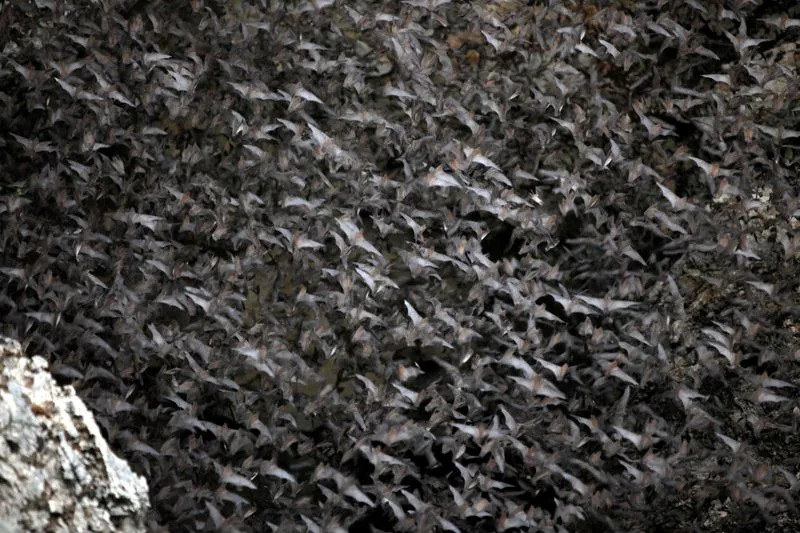
FILE PHOTO: Bats from a cave near the Wat Khao Cong Phran Temple fly out of the cave in search of food during dusk in Ratchaburi province, 130 km (81 miles) west of Bangkok, September 14, 2009. REUTERS/Sukree Sukplang/File Photo
Anatomy, Fossils and Diversity
Bat wings are modified forelimbs with greatly elongated fingers that support a skin membrane, differing fundamentally from bird and pterosaur wings. The oldest reliably dated bat fossils are about 52 million years old, but genomic and anatomical evidence points to an earlier origin near 65 million years ago. After their origin in Europe, bats reached Africa soon afterward, making those continents early centers of diversification.
Why This Matters
Beyond clarifying bat origins, the genomic resources created by this study provide a foundation for research into traits that make bats exceptional — long lifespans relative to body size, unusual disease resistance, and unique immune responses. Researchers hope this work will inform future studies on aging, immunity and disease tolerance.
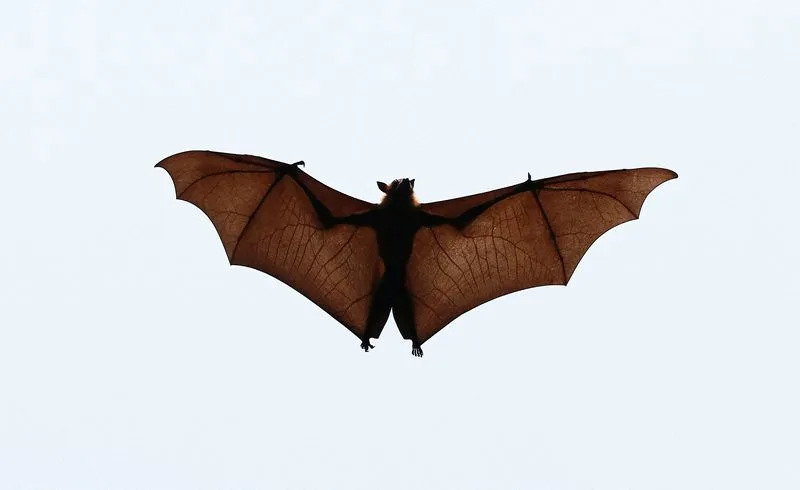
FILE PHOTO: An Indian flying fox or fruit bat flies over trees at Kodiyathur village in Kozhikode district in the southern state of Kerala, India, February 2, 2022.REUTERS/Sivaram V/File Photo
Today, bats display enormous variety in size, diet and lifestyle: the giant golden-crowned flying fox of the Philippines has a wingspan of about 5.5 feet (1.7 m), while the bumblebee bat of Thailand and Myanmar spans roughly 5 inches (13 cm). Diets range from insects, fruit and nectar to fish and, in a few species, blood. The group includes horseshoe bats, leaf-nosed bats, mouse-tailed bats, trident bats, ghost-faced bats, mustached bats, sucker-footed bats, hammer-headed bats and wrinkle-faced bats.
"Bats constantly surprise us. They're one of evolution's greatest experiments," Vernes said.
(Reporting by Will Dunham; Editing by Daniel Wallis)
Help us improve.