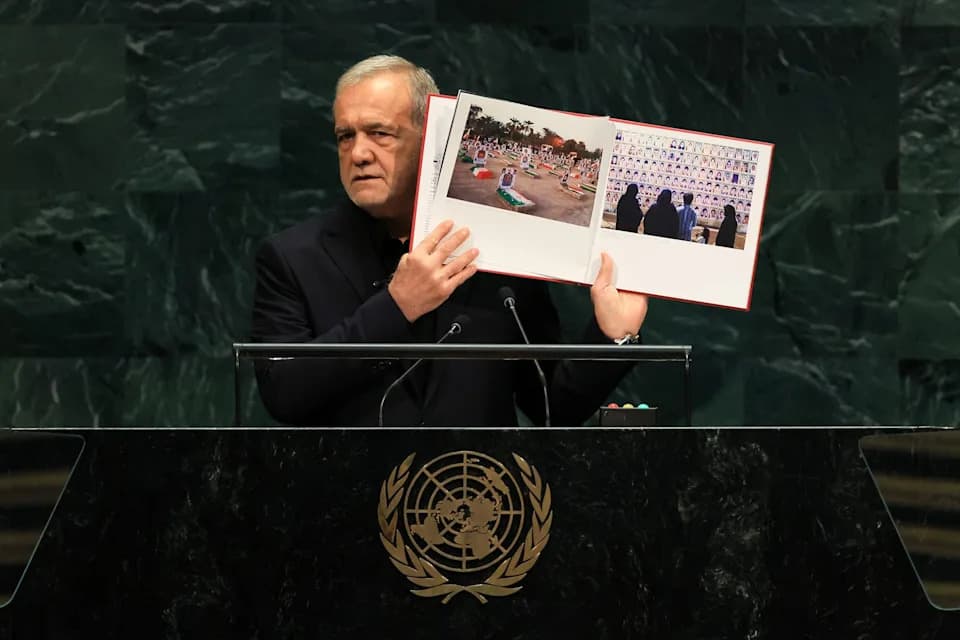
Israeli Prime Minister Benjamin Netanyahu arrived at the U.N. General Assembly with a markedly reduced schedule, highlighting growing diplomatic isolation as he campaigns for re-election. Frayed ties with former U.S. President Donald Trump, international criticism over the Gaza campaign, and calls linked to an ICC arrest warrant added pressure to an otherwise short New York visit. Analysts warn the lack of high-profile meetings could damage Netanyahu’s standing at home ahead of a tightly contested vote.
Netanyahu’s Thin U.N. Schedule Underscores Diplomatic Isolation Ahead Of Tight Re-Election Bid
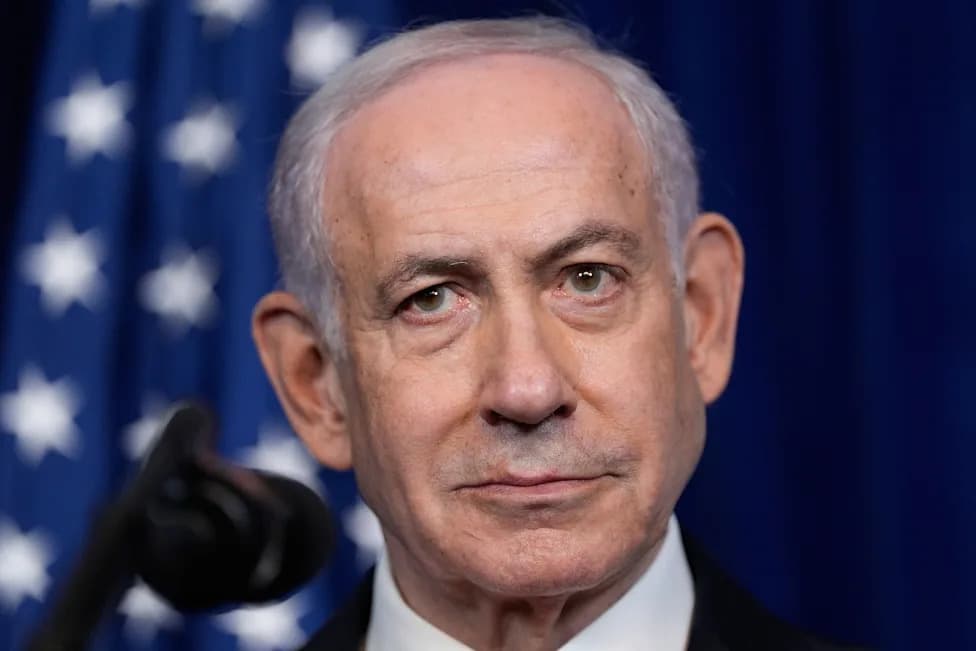
FILE - Israel's Prime Minister Benjamin Netanyahu listens during a news conference with President Donald Trump at Mar-a-Lago, Dec. 29, 2025, in Palm Beach, Fla. (AP Photo/Alex Brandon, File)(AP Photo/Alex Brandon)
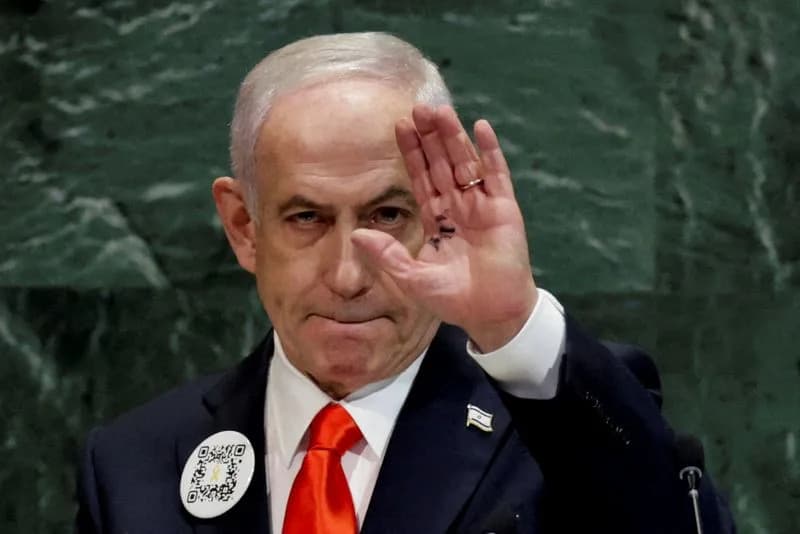
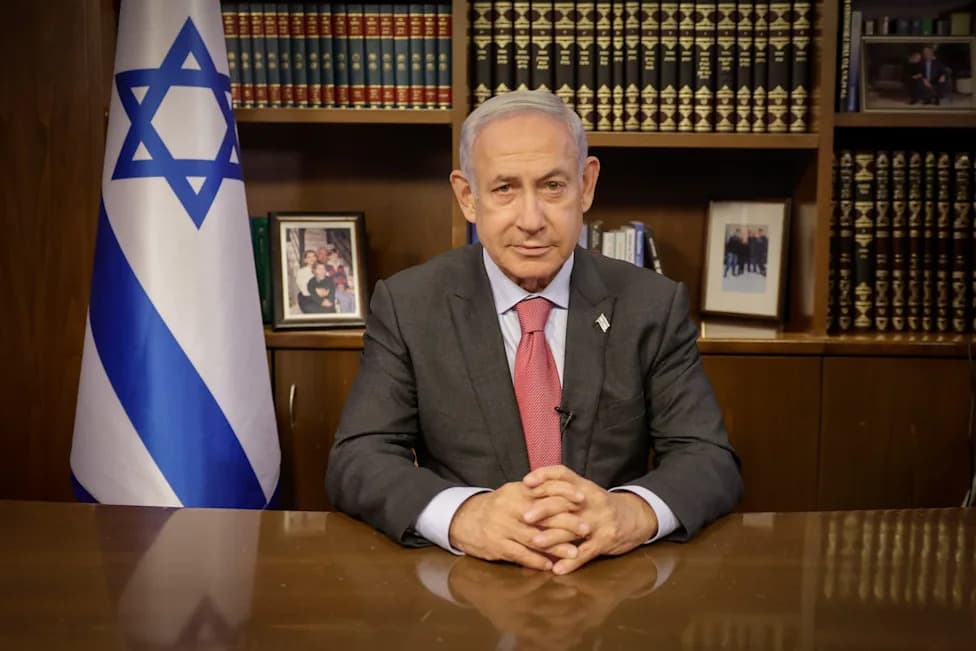
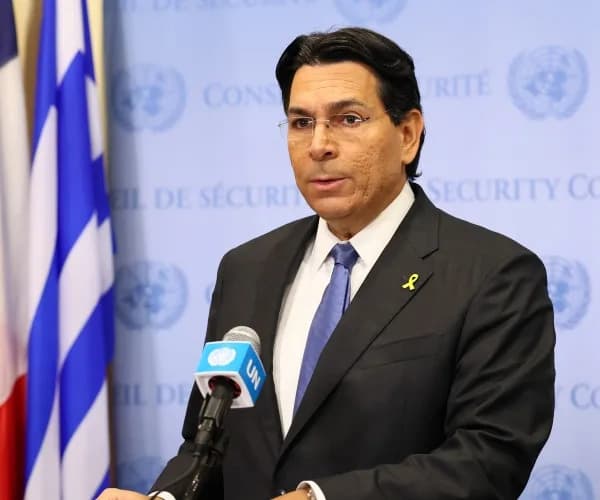
Israeli Prime Minister Benjamin Netanyahu arrived in New York this week for the United Nations General Assembly, but his itinerary was notably light compared with past visits and with the packed agendas of other world leaders.
Frayed Ties With Washington
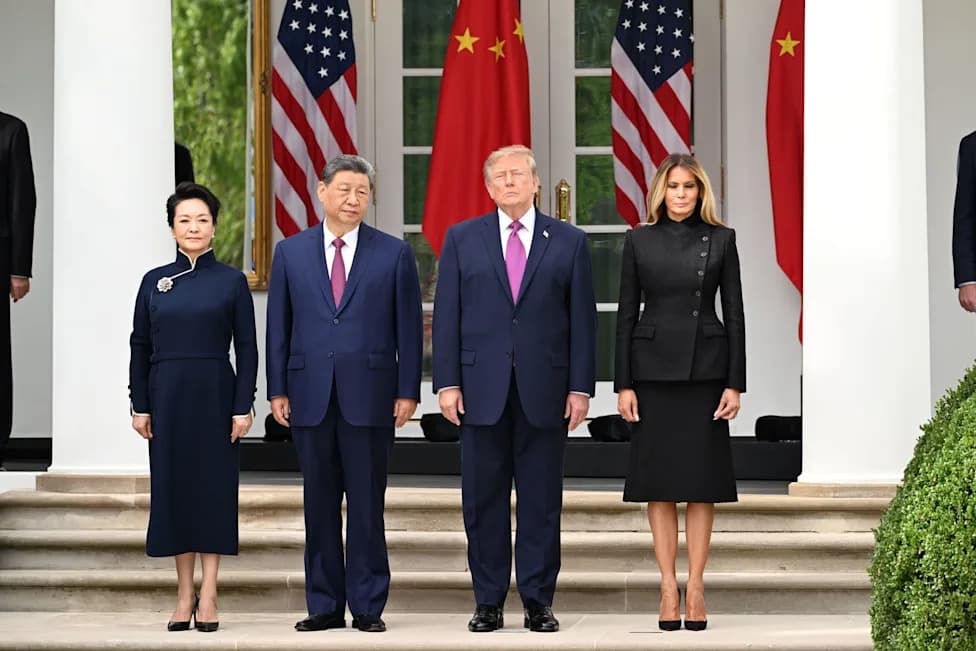
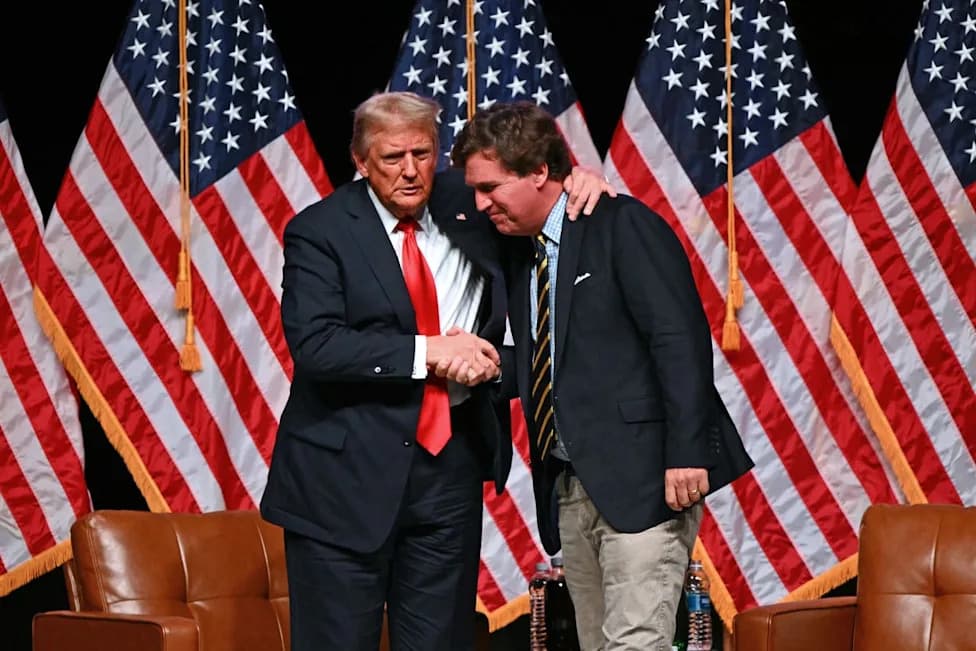
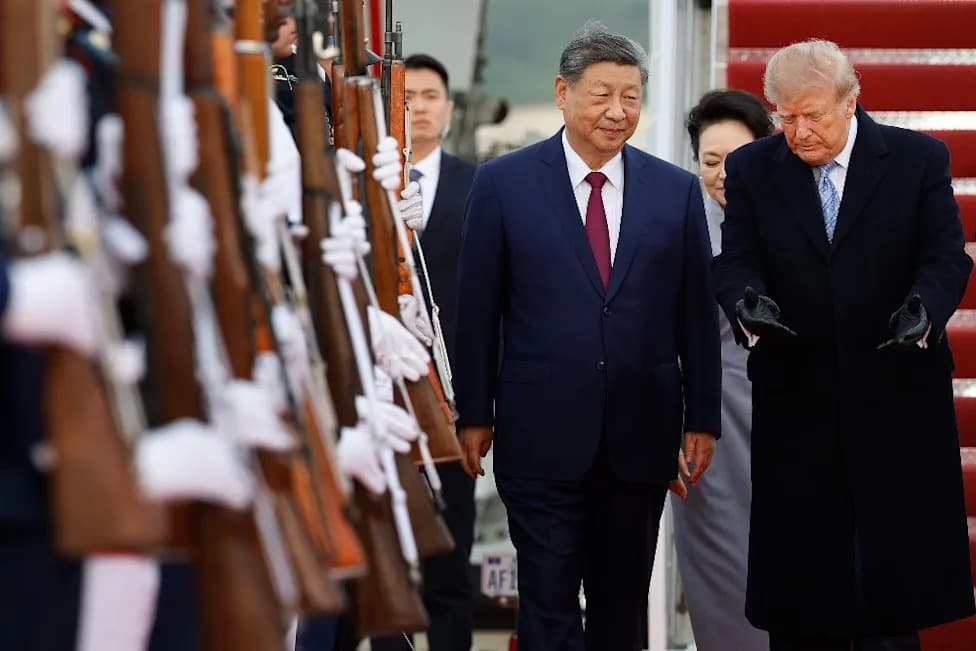
Netanyahu opened the year saying he stood "shoulder to shoulder" with former U.S. President Donald Trump as the two governments coordinated actions against Iran. But as that campaign continued, the leaders diverged on strategy and, this week, there were no plans for them to meet in New York or even be in the same city.
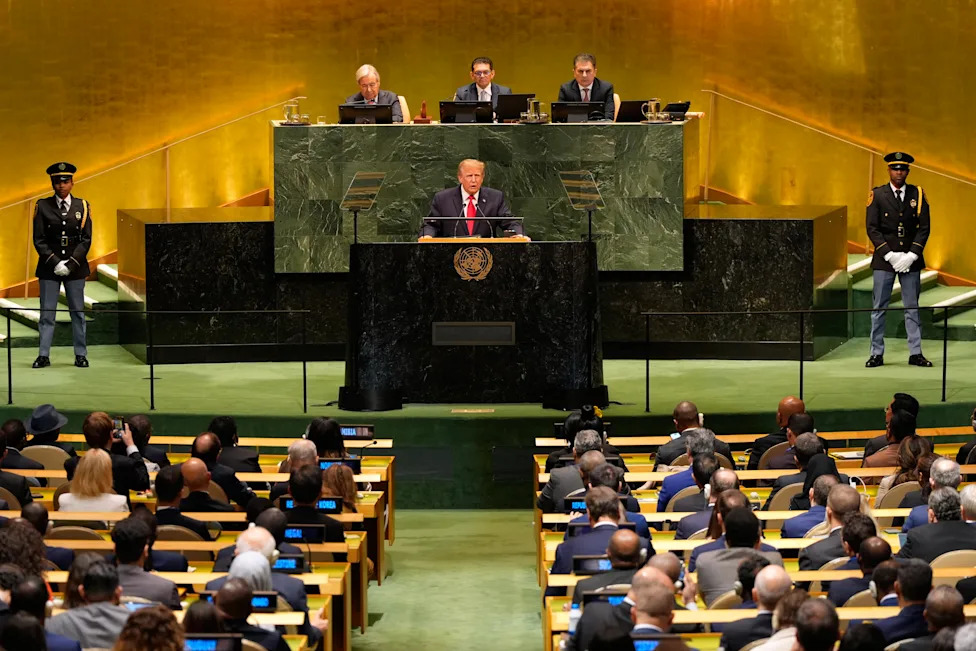
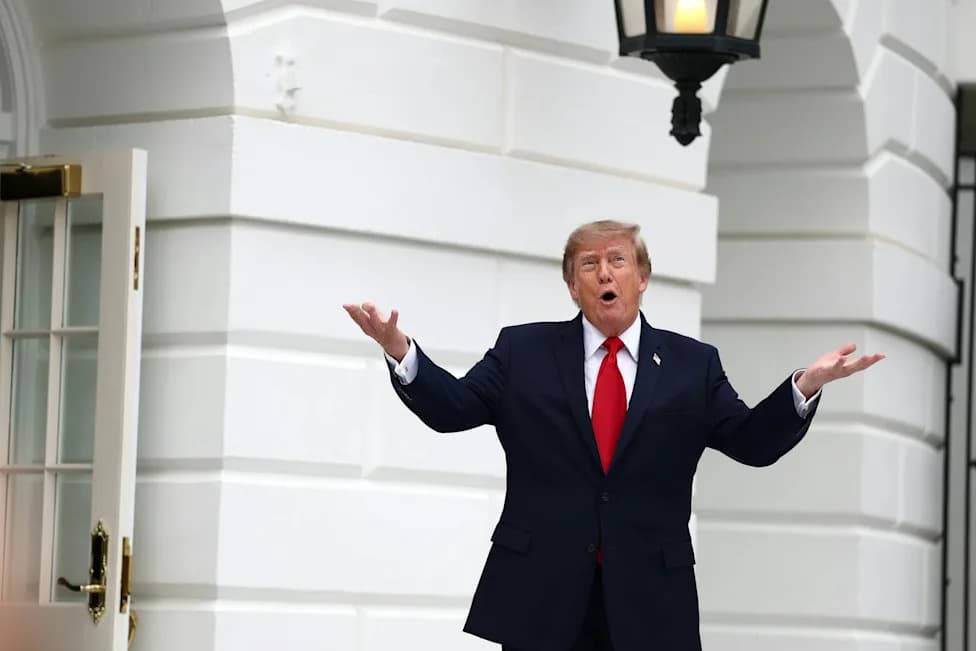
United States President Donald Trump speaks during the 81st session of the United Nations General Assembly at United Nations headquarters, Tuesday, Sept. 22, 2026. (AP Photo/Seth Wenig)(AP Photo/Seth Wenig)
A Visit Focused On Domestic Audiences
Arriving on Thursday, Netanyahu was scheduled to meet only a handful of leaders before delivering his U.N. speech. That truncated program highlighted how isolated he has become on the world stage — a politically vulnerable moment as he campaigns for re-election next month. Many observers view the vote as a referendum on his handling of Israel's security, including the failures tied to the Oct. 7, 2023 Hamas attacks, and on his international standing.
International Criticism And Legal Pressure
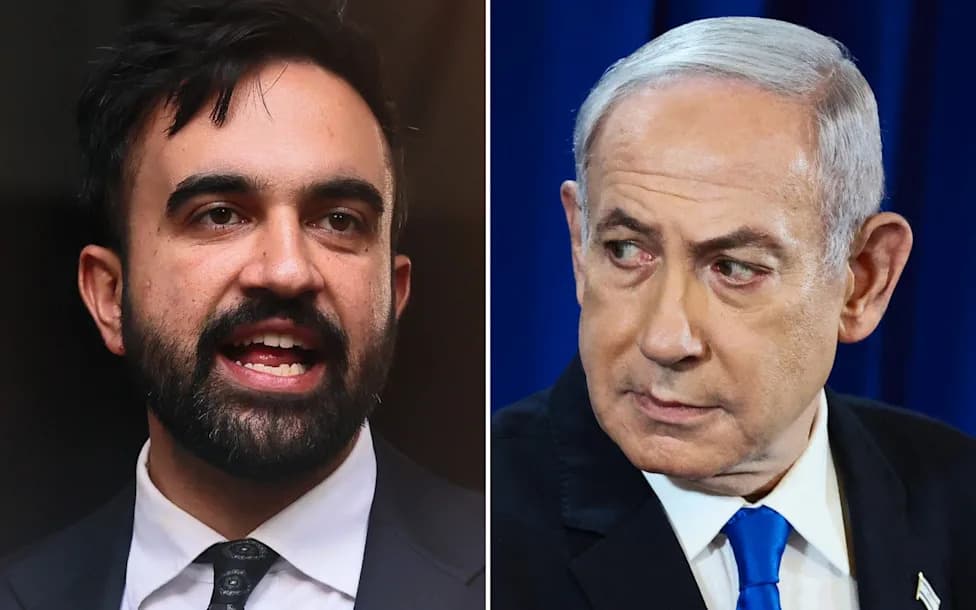
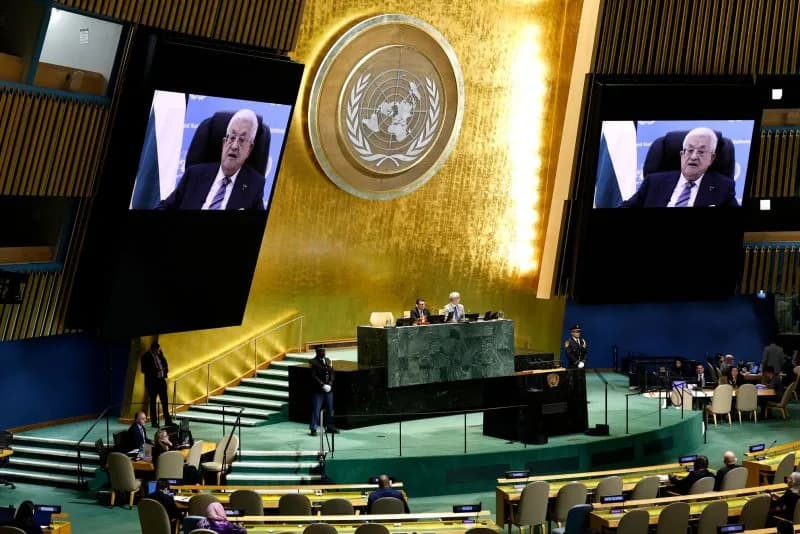
Throughout General Assembly week, numerous heads of state publicly criticized Israel's military conduct, particularly in Gaza. New York City Mayor Zohran Mamdani urged authorities to consider an International Criminal Court arrest warrant for Netanyahu over alleged war crimes and crimes against humanity in Gaza. The United States is not an ICC member, and New York City lacks authority to detain a visiting head of government, but the calls underscored the diplomatic heat surrounding his visit.
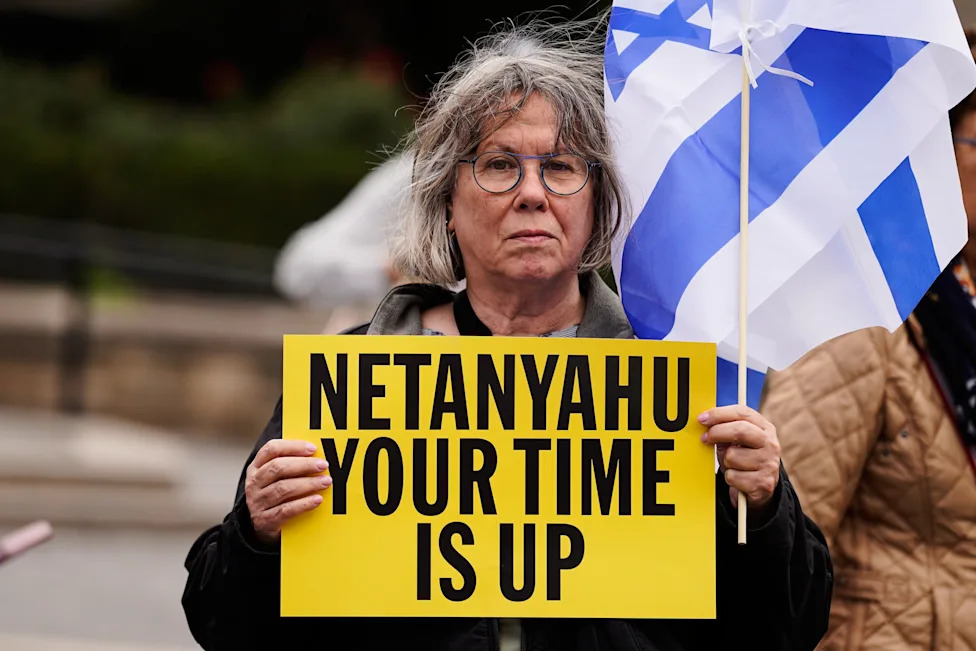
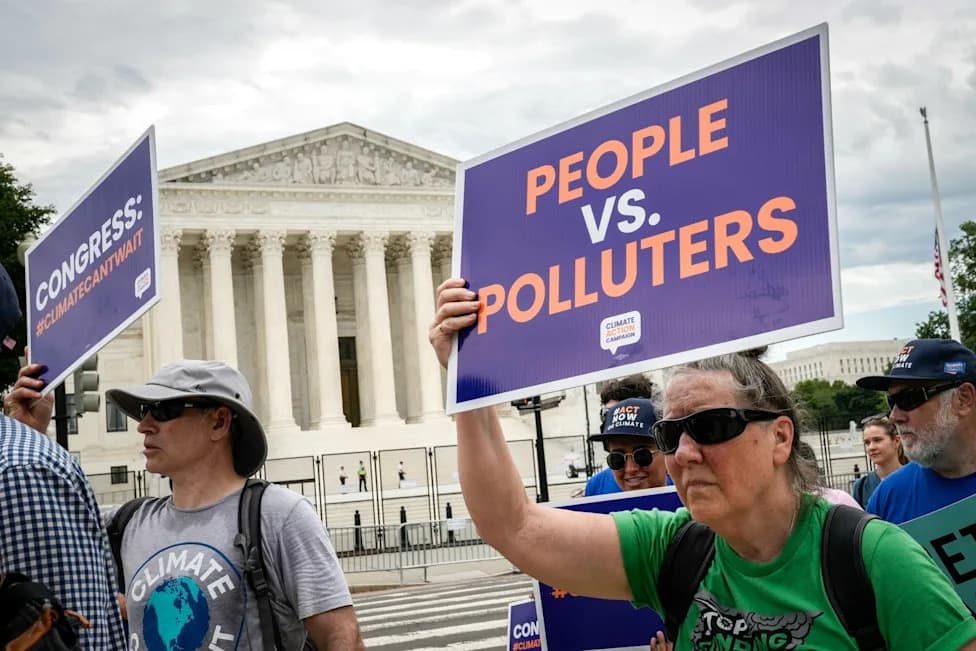
A person holds a sign during a protest ahead of Israeli Prime Minister Benjamin Netanyahu's address at the 81st session of the United Nations General Assembly, Thursday, Sept. 24, 2026, in New York. (AP Photo/Madison Swart)(AP Photo/Madison Swart)
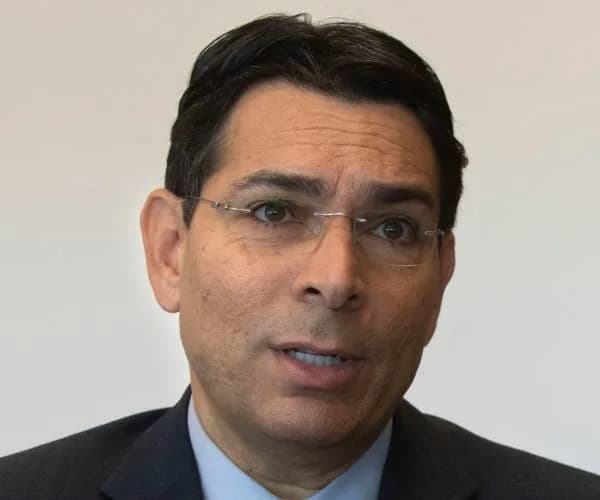
"He times his speech so that it is broadcast here in primetime," said Michael Oren, a former Israeli ambassador to the United States. Netanyahu's remarks are often staged to play well on television and to voters at home, even when international audiences react negatively.
Domestic Political Risks
Analysts said the lack of high-profile bilateral meetings could hurt Netanyahu politically. "I think the trip is a mistake, because it exposes his weaknesses," said Eytan Gilboa, a professor and expert on U.S.-Israel relations. The slim roster of New York meetings, he added, emphasizes deterioration in relations with Israel's most important security partner.
The perceived slight followed unusually blunt criticism from U.S. Ambassador to Israel Mike Huckabee, who publicly condemned violent settlers in the West Bank and called the attackers "terrorists" — remarks that signal deeper tensions between some U.S. officials and elements of Israel's government.
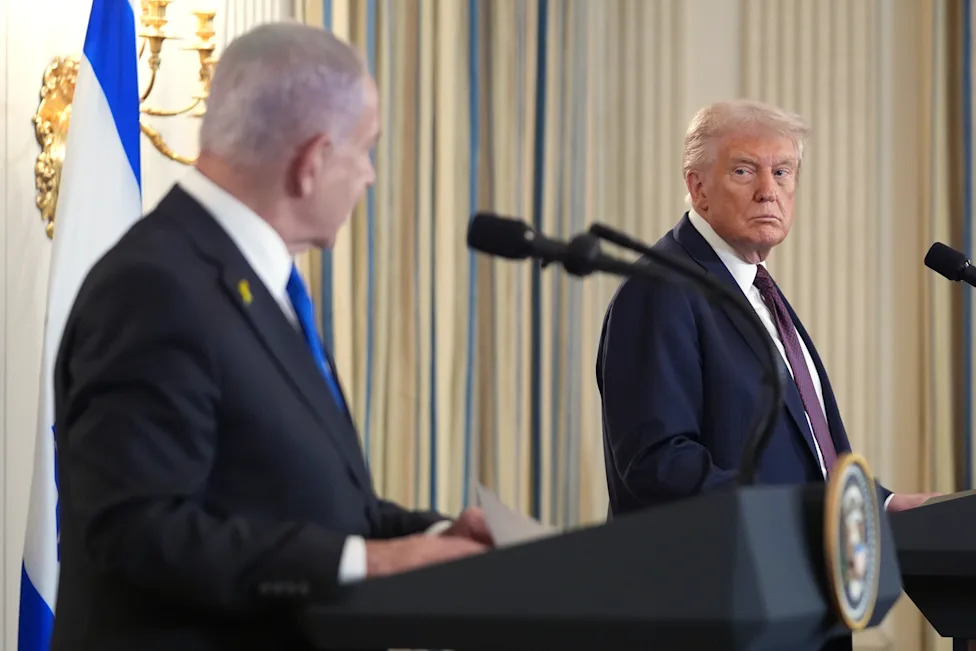
FILE - President Donald Trump, right, listens during a news conference with Israeli Prime Minister Benjamin Netanyahu in the State Dining Room of the White House, Sept. 29, 2025, in Washington. (AP Photo/Evan Vucci, File)(AP Photo/Evan Vucci)
Schedule And Meetings
The prime minister's office said many world leaders requested meetings during his short stay but that Netanyahu was on a tight schedule and needed to return to Israel before sundown on Friday for the start of the Jewish holiday of Sukkot. Officials listed planned meetings with representatives from Argentina, Bolivia, Paraguay, Panama, Ethiopia, Greece, Slovenia and Papua New Guinea.
What This Means
For a leader who cultivates the image of a global statesman, arriving in New York with few marquee bilateral engagements is a costly shortcoming at a politically precarious time. Whether the brief visit will translate into electoral punishment remains uncertain, but analysts say it reinforces perceptions of diplomatic isolation that could shape voter perceptions ahead of next month's election.
Help us improve.