Israeli settlers entered the Al-Aqsa Mosque compound and performed Jewish prayers over the weekend, while Prime Minister Benjamin Netanyahu toured tunnels beneath the Old City and prayed at the Western Wall. Palestinian authorities reported about 570 settlers on the Al-Aqsa courtyards by 10:00 a.m. Hamas condemned the events as a provocation. Analysts say Netanyahu’s visit carries political symbolism ahead of Israel’s October election and ties into broader controversies over excavations and settlement plans such as E1.
Netanyahu Visits Tunnels as Israeli Settlers Storm Al-Aqsa Ahead of Yom Kippur and Election
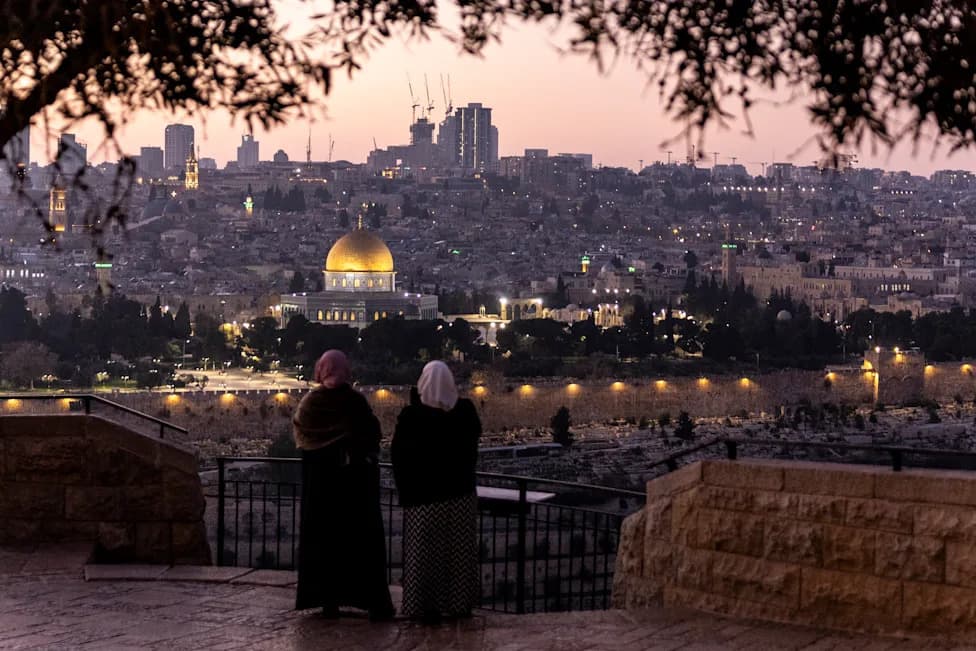
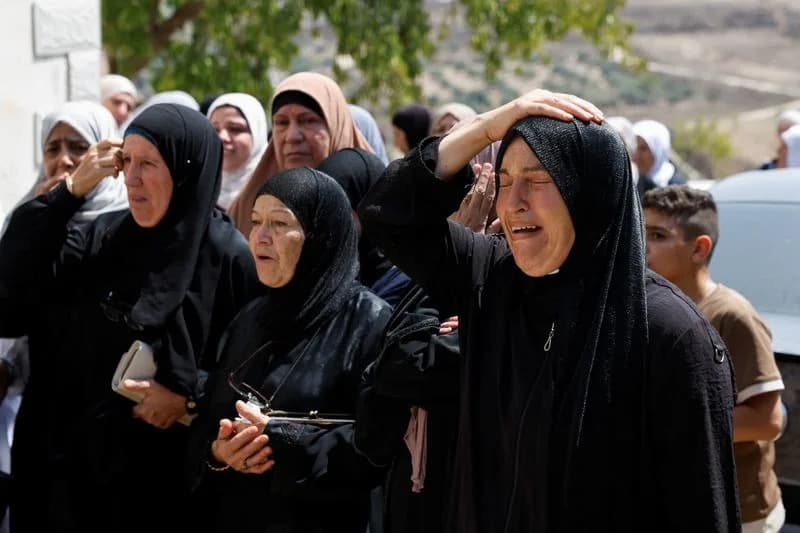
Palestinian women stand at Rekhavam Observation Point, with Al-Aqsa Mosque in the background, in Jerusalem, December 29, 2023 [Maja Hitij/Getty Images]
Israeli settlers entered the Al-Aqsa Mosque compound in occupied East Jerusalem over the weekend and conducted Jewish prayers in the courtyard, in a sequence of events that coincided with the run-up to Yom Kippur and Israel’s upcoming national election.
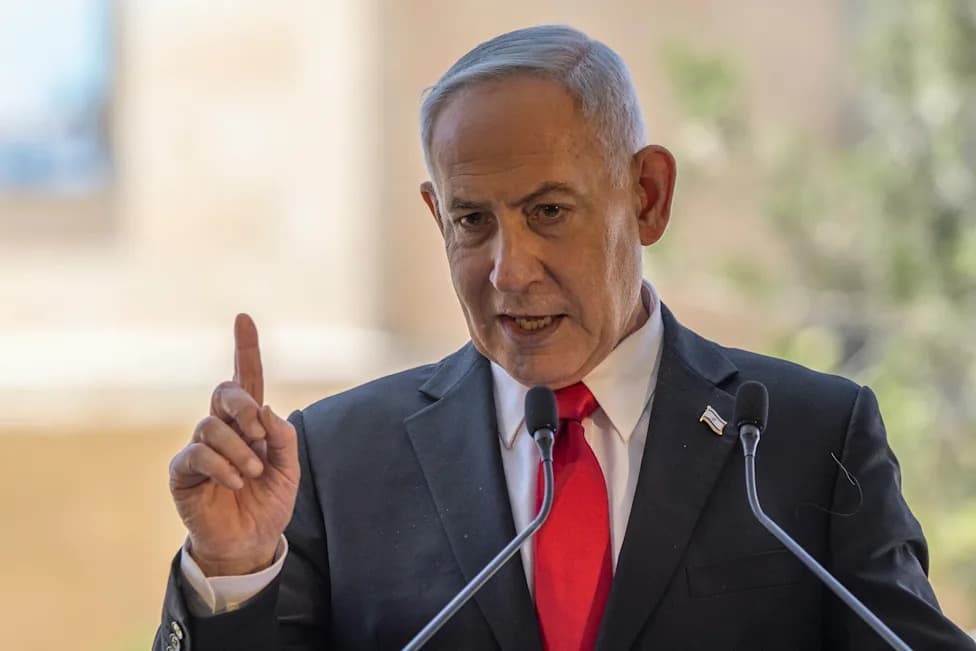
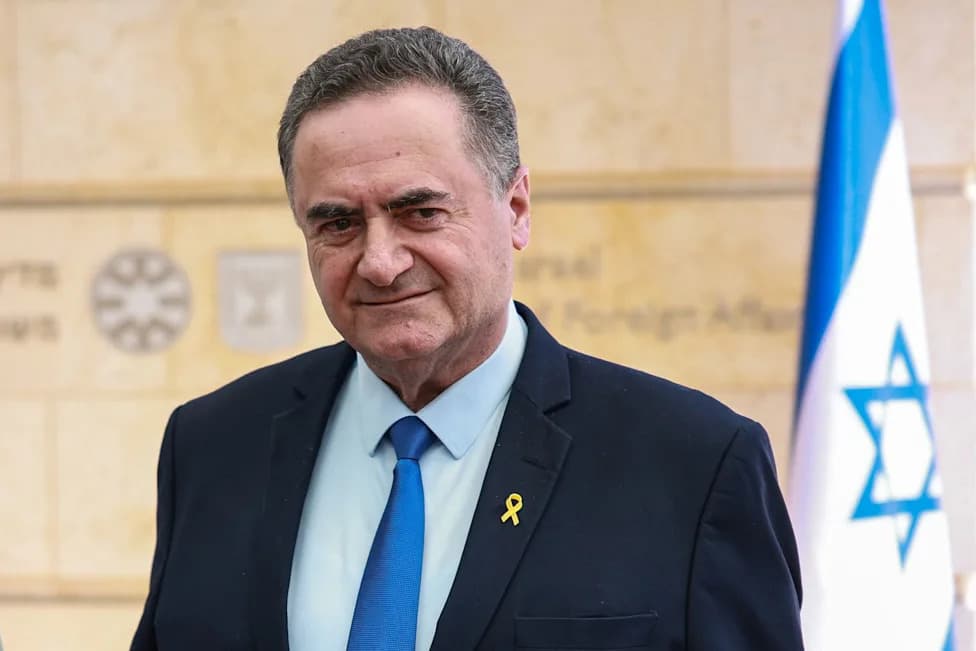
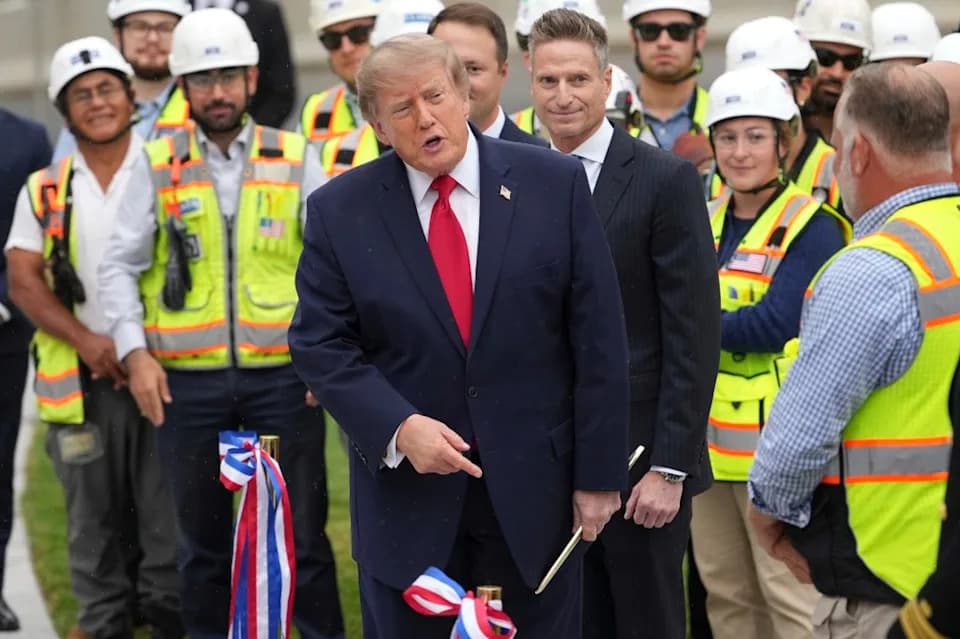
On Thursday National Security Minister Itamar Ben-Gvir and other right-wing figures entered the Al-Aqsa compound for Yom Kippur observances. On Saturday, Prime Minister Benjamin Netanyahu visited a network of tunnels beneath the Old City and the Al-Aqsa complex and later published photographs and video of him taking part in Jewish Selichot prayers at the Western Wall (referred to as the al-Buraq Wall by Muslims).
The subterranean tunnels run beneath the Old City and under the Al-Aqsa compound, making any official or settler presence in them particularly sensitive for Palestinians. Under heavy security, Netanyahu—accompanied by several ministers and thousands of settlers—entered the Western Wall plaza on Saturday evening ahead of Yom Kippur. Footage released by the prime minister showed him praying behind bulletproof glass. In a separate clip, Netanyahu and his wife, Sara, were seen passing through one of the excavation tunnels beneath the Western Wall while Jewish prayers continued above.
“We are in the tunnels at the al-Buraq Wall. It is moving to touch the rock of our existence. We are here very close to the Holy of Holies. We are here, and we will always remain here,” Netanyahu said in the footage released online.
The prime minister’s visit accompanied a wave of settler entries onto the site. The Palestinian Jerusalem Governorate reported on its official Facebook page that around 570 settlers had entered the Al-Aqsa courtyards by 10:00 a.m. local time on Sunday, performing Talmudic rituals and extended prostrations to mark Yom Kippur.
The Palestinian group Hamas condemned the visits and the excavations in a statement on its official Telegram channel, calling the incursions a provocation and asserting that they attack the identity and status of the Al-Aqsa Mosque. The statement also referenced an International Criminal Court arrest warrant for Netanyahu raised by critics in this context.
Israel has conducted excavations beneath East Jerusalem for years. Israeli authorities say the works aim to uncover evidence of the Second Temple’s rampart wall, a claim many archaeologists dispute. The excavations have drawn criticism from archaeologists, Palestinian officials and United Nations bodies, who warn that such activity may damage historic structures and fuel tensions.
Political Context
Analysts and local commentators say the timing and visibility of the visits carry clear political symbolism. With Netanyahu trailing in opinion polls ahead of October’s general election, observers argue the leader is using religious symbolism and high-profile visits to mobilize right-wing and nationalist voters.
Political analyst Ahmed al-Hila told Al Jazeera that the trip reinforced a narrative of Israeli sovereignty over Jerusalem and aimed to consolidate Netanyahu’s standing among religious and right-wing constituencies. The heavy security presence—and the sight of the prime minister behind a bulletproof glass shield—was also interpreted by some as evidence the city remains contested and not fully secured under Israeli control.
Broader Implications
The events come amid international scrutiny of settlement expansion and plans such as the controversial E1 project, for which the Israeli government has issued tenders. Critics argue E1 would further isolate East Jerusalem from the West Bank and reduce the territorial contiguity of a future Palestinian state.
Observers worry that repeated high-profile visits and continued excavations under and around holy sites could exacerbate tensions in a city that is central to Israeli–Palestinian claims and to wider regional sensitivities.
Help us improve.