Mark Carney says Ottawa drew up contingency plans in case of a hypothetical U.S. invasion. Speaking to The New York Times at the UN General Assembly, the prime minister called it responsible risk management to plan for extreme scenarios. Relations between the two countries have frayed amid Mr. Trump's "51st state" comments and a trade feud that saw 50% tariffs imposed on about $20 billion in Canadian goods. Carney said Canada is moving to reduce strategic dependence on the U.S., especially in key technologies.
Carney Reveals Canada Drew Up Contingency Plans After Trump's '51st State' Comments
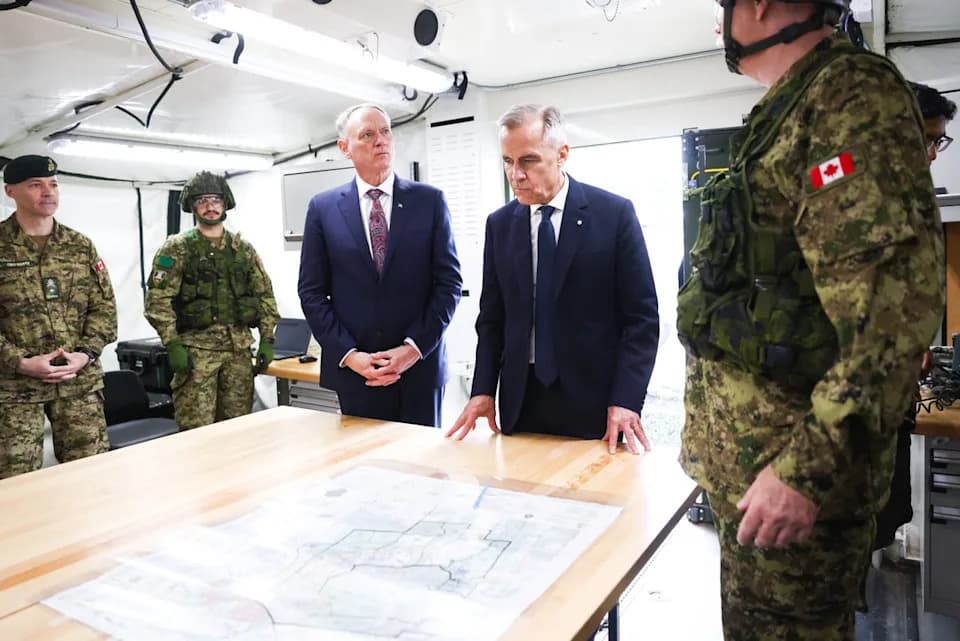
Mark Carney, right, and Minister of National Defence David McGuinty meet with troops of the 4th Canadian Division on a tour of the Fort York Armoury in Toronto in June (Getty)
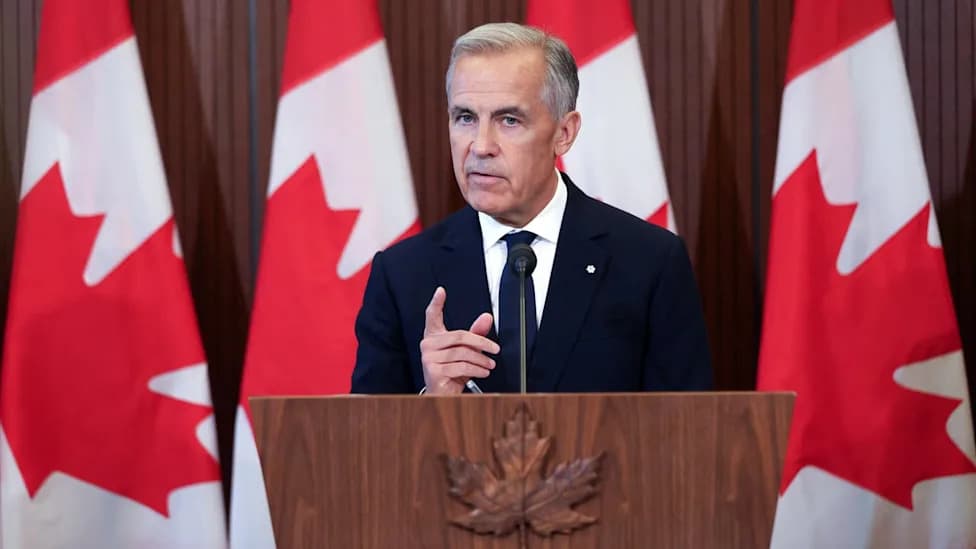
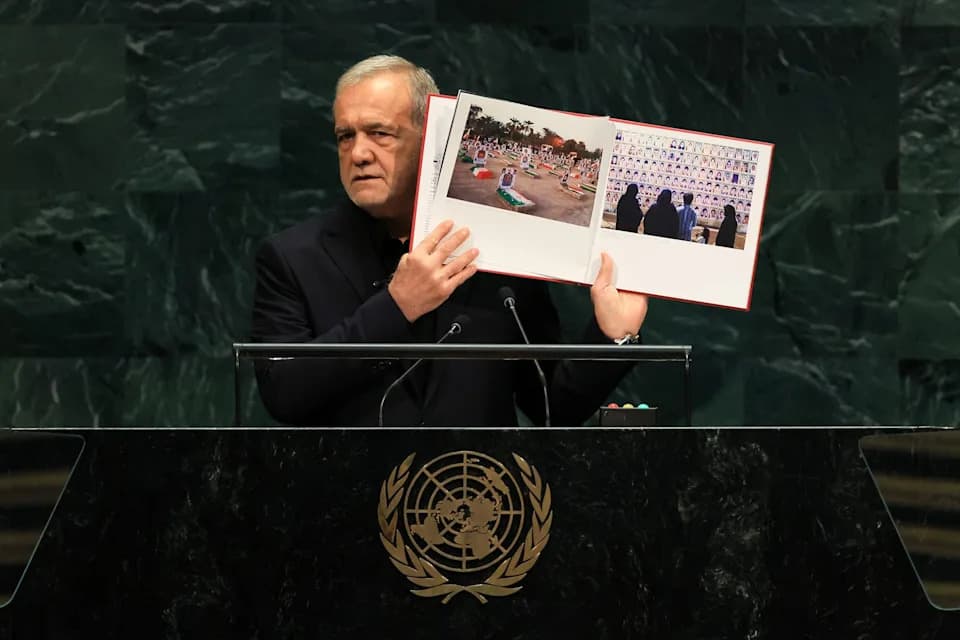
Canadian Prime Minister Mark Carney told The New York Times that Ottawa privately drew up contingency plans to address the unlikely scenario of a U.S. invasion, after President Donald Trump repeatedly floated the idea of making Canada the "51st state." Carney discussed the steps while in Manhattan for the United Nations General Assembly.
Asked whether he took Mr. Trump's comments seriously, Carney said leaders must consider extreme, low-probability risks. "I think you have a responsibility in these roles to look at extreme tail risk," he told the Times. "That's just risk management. That's not a base case, but it would be irresponsible not to." He declined to provide operational details.
Context and escalation
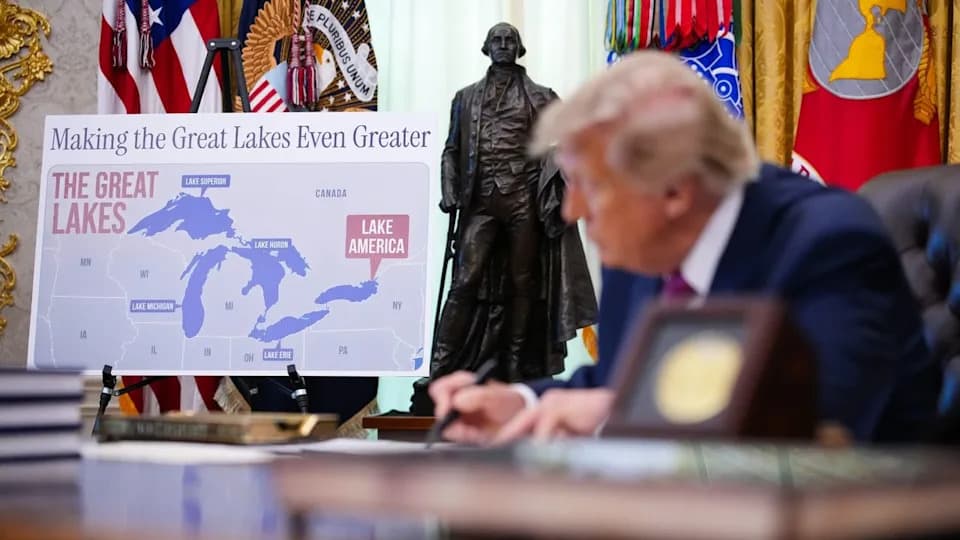
Ties between the United States and Canada — long-time allies and major trading partners — have deteriorated sharply since Mr. Trump's return to office, according to officials and recent reporting. Mr. Trump began publicly suggesting the idea of adding Canada to the United States in late 2024. On Truth Social in December he wrote: "Many Canadians want Canada to become the 51st State. They would save massively on taxes and military protection. I think it is a great idea. 51st State!!!" He also referred to then-Prime Minister Justin Trudeau as "Governor."
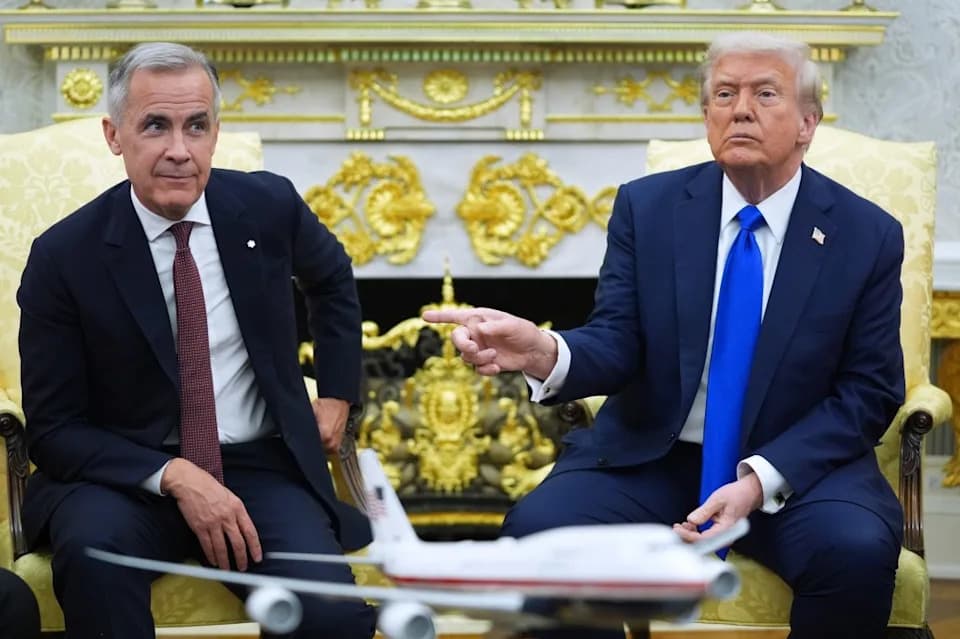
In May 2025, Mr. Trump said it was "highly unlikely" he would use military force to annex Canada. Two months after his election, Carney visited the White House and reportedly told Mr. Trump that Canada was "not for sale." The president replied: "Never say never, never say never."
Trade dispute and military planning
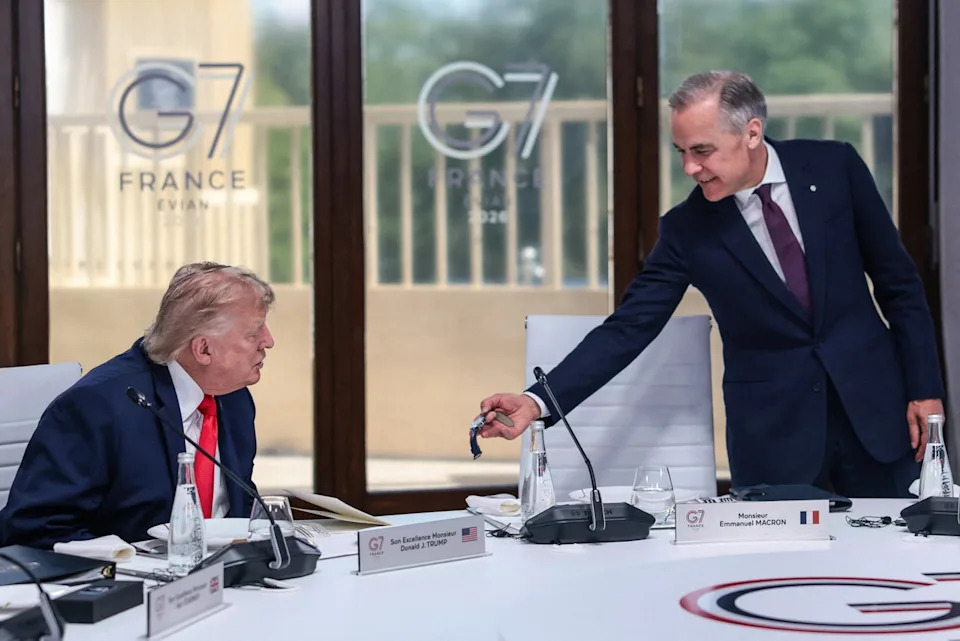
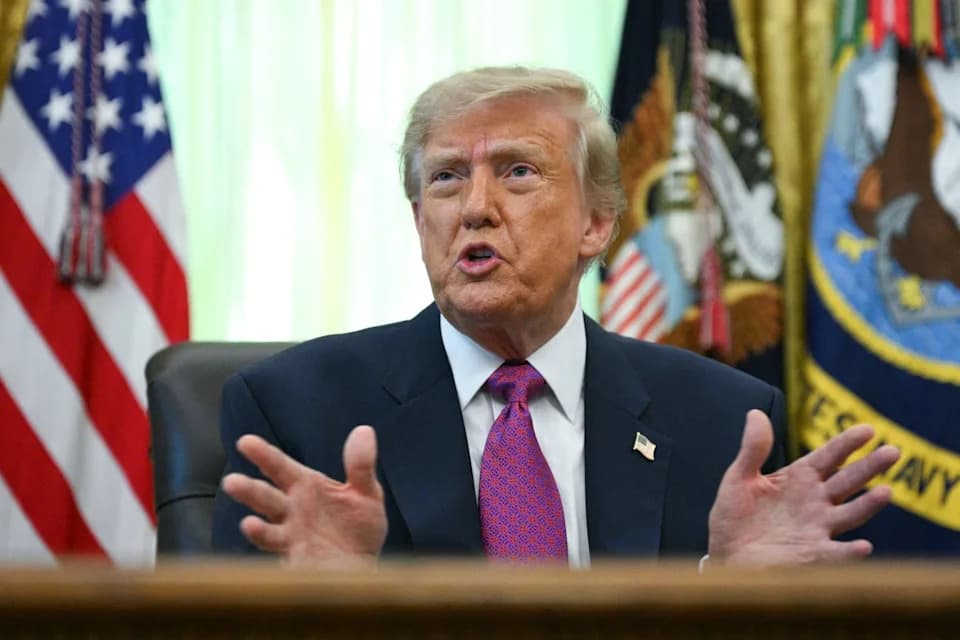
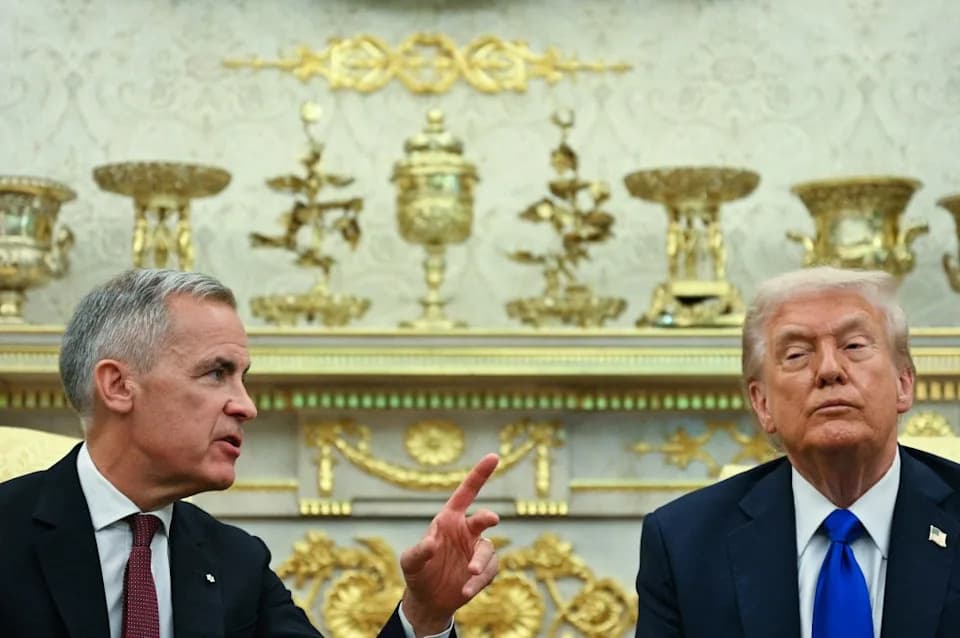
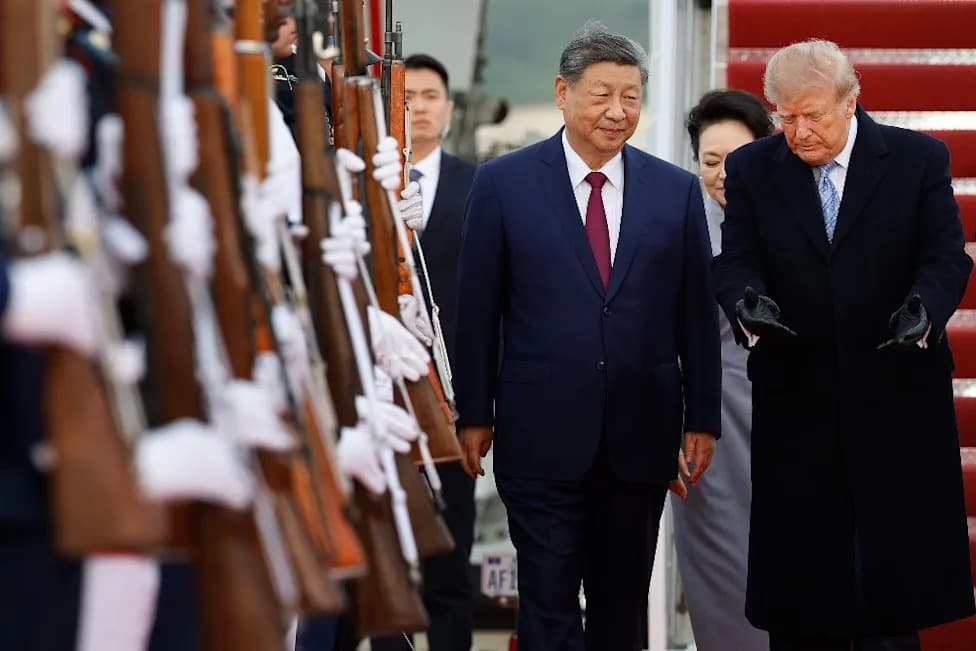
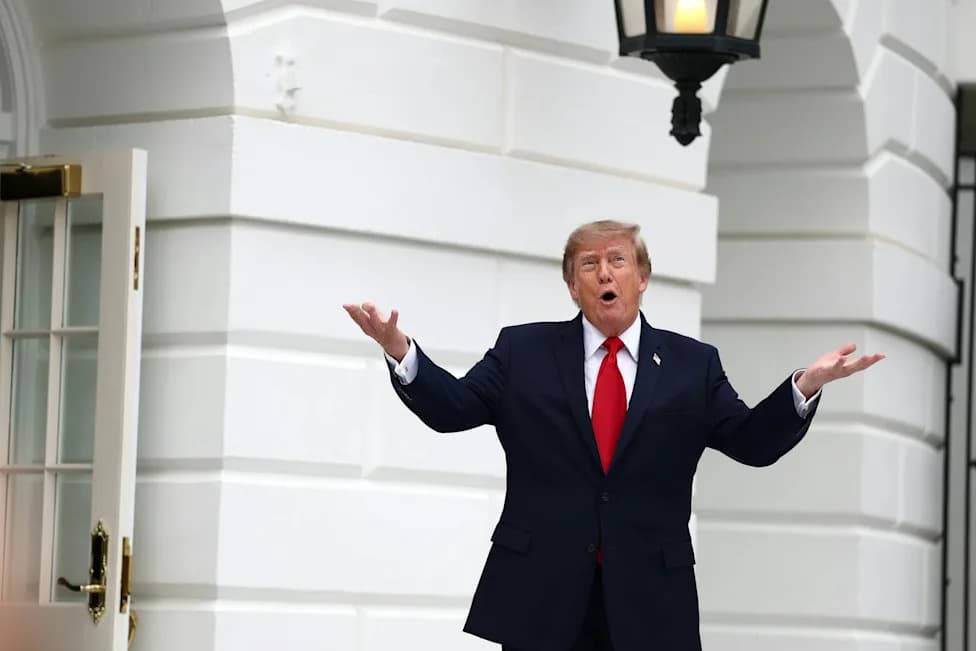
Relations between the US and Canada, longtime allies and key trading partners, have rapidly deteriorated following Trump's return to office (POOL/AFP via Getty Images)
The relationship has also been strained by a series of tariffs and retaliatory measures. This summer the dispute escalated when Mr. Trump imposed 50 percent tariffs on roughly $20 billion in Canadian goods, including wine, hockey sticks and cement. Ottawa responded with matching duties. Carney described the move as tantamount to an act of war.
Separately, The Globe & Mail reported in January that, for the first time in more than a century, the Canadian military had modelled responses to a hypothetical U.S. invasion — an exercise framed as contingency planning rather than an expectation of conflict.
Polls show rising public unease: multiple surveys indicate an uptick in Canadians who view the United States as hostile, while a Politico poll found only about one in four Americans thought the new tariffs were justified.
Strategic shift
In the Times interview, Carney said Ottawa is working to reduce Canada's strategic dependence on the U.S., particularly in key technologies. "There's certain things, once you've seen them, you can't unsee them," he said, referring to the trade confrontation. "We will be a better partner for the U.S. because of what we are doing."
Speaking at Davos in January, Carney argued that middle powers must reassess strategic posture: "Middle powers like Canada must stop depending on superpowers and fundamentally shift our strategic posture."
The Independent has contacted the White House for comment.
Help us improve.