New York Attorney General Letitia James sued Polymarket on Sept. 24, alleging the platform operated an illegal gambling business under state law. The lawsuit follows similar actions against Kalshi and earlier April petitions against Coinbase Financial Markets and Gemini Titan. The case deepens a standoff between state regulators and the CFTC over who should oversee prediction markets, with federal appeals courts divided and the Supreme Court potentially poised to decide. Prediction markets let users trade event contracts on outcomes ranging from sports and awards shows to elections.
New York Attorney General Sues Polymarket, Alleging Illegal Gambling Operation

Polymarket logo is seen in this illustration taken, August 3, 2026. REUTERS/Dado Ruvic/Illustration
New York Attorney General Letitia James filed a lawsuit against prediction-market platform Polymarket on Sept. 24, alleging the company operated an illegal gambling business in violation of state law.
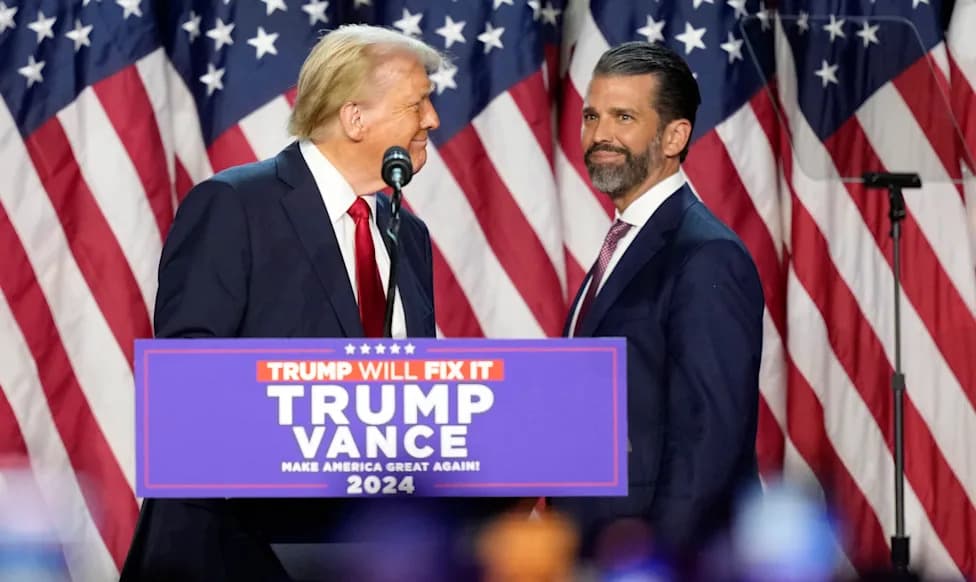
James’ petition comes nearly two months after she brought a similar action against rival platform Kalshi and follows earlier April petitions targeting Coinbase Financial Markets and Gemini Titan. The filings form part of a broader state-level crackdown on prediction markets that have surged in popularity after outperforming many pollsters by forecasting that Republican Donald Trump would defeat Democrat Kamala Harris in the 2024 presidential matchup.
The dispute highlights a jurisdictional fight between state regulators and the federal government. The Commodity Futures Trading Commission (CFTC) asserts exclusive authority to regulate prediction markets, while several state attorneys general maintain the platforms violate state gambling laws. Federal appeals courts are split on which regulator has oversight, raising the possibility that the U.S. Supreme Court may ultimately resolve the issue.
Prediction markets allow participants to buy and sell so-called event contracts to wager on outcomes ranging from sports results to elections and cultural events such as the Oscars. Regulators and courts are now weighing whether those contracts qualify as tradable financial instruments under federal law or as illegal wagers under state statutes.
What’s next: The litigation against Polymarket is likely to accelerate legal clarity—either through appellate rulings or a potential Supreme Court review—shaping how the rapidly growing prediction-market industry will be regulated in the United States.
Help us improve.