Awaab’s law, implemented in October 2025 to force social landlords to fix hazardous damp and mold, is being criticised for weak enforcement. Tenants report landlords often clean visible mold without repairing underlying defects, leaving residents exposed to ongoing health risks. The Housing Ombudsman has recorded 400+ cases mentioning the law, with 97% of completed investigations finding maladministration; complaints still take nine to 12 months to resolve.
“We Have To Let It Get Furry”: Awaab’s Law Fails To Stop Mold In England’s Social Housing
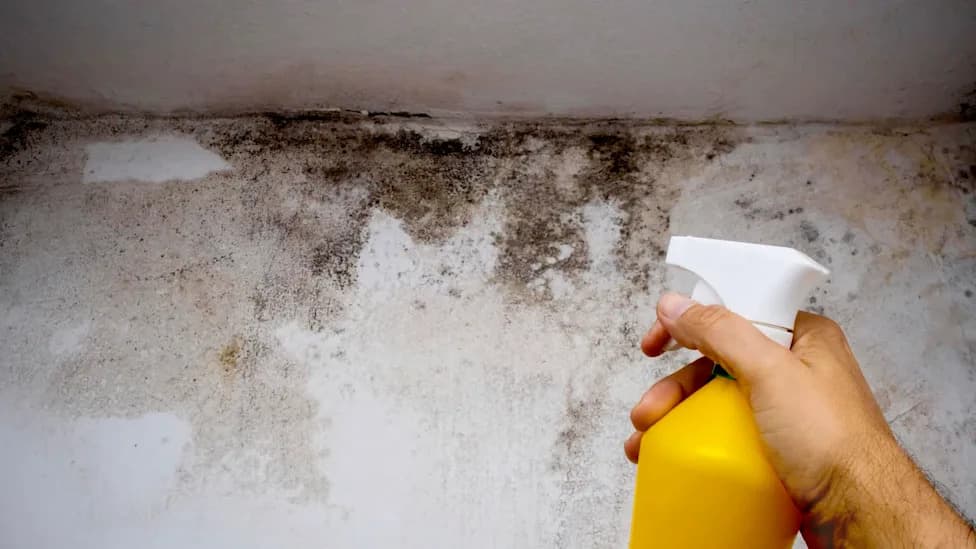
Photo Credit: iStock
A law designed to speed repairs for hazardous damp and mold in England's social housing is being criticised for lacking effective enforcement, tenants and campaigners say. Despite Awaab’s law coming into force in October 2025, residents report landlords often remove only surface mold while leaving the underlying building defects unaddressed.
Background: Awaab’s Law
Awaab’s law—named after two‑year‑old Awaab Ishak, who died in 2020 after prolonged exposure to black mold—introduced fixed timeframes for social landlords in England to inspect and repair serious hazards. The aim was to force faster action on life‑threatening housing problems.
Tenants’ Experiences
Residents say the reality falls short. Sarah Killick, a Clarion tenant, told reporters that operatives washed visible mold from walls but did not fix external causes identified by surveys, such as cracks, poor drainage and faulty guttering. Tenants say they are sometimes advised to leave visible mold untouched before inspections because cleaning it can be used as an excuse for landlords to claim there is no problem.
“We have to leave the mold on the walls, because if they turn up and we’ve wiped it, they say there’s no mold… You have to leave the mold growing until it’s really furry and it’s awful,” Killick said.
Ombudsman Findings And A Notable Case
By July 15 the Housing Ombudsman had logged more than 400 cases in which Awaab’s law was cited; 97% of completed investigations resulted in a maladministration finding. Damp, mold and fungal growth formed the largest single category of complaints. Recurring failings included not recognising when the law applied, missing deadlines to investigate emergency hazards and inadequate record‑keeping.
In Killick’s case the ombudsman found Clarion “did not recognise that it failed in its duty to fully comply with Awaab’s law.” The ombudsman ordered Clarion to pay £1,175 (about $1,567), issue a written apology and complete all repairs by Nov. 9 or explain to the watchdog why that could not be met. Clarion has said it will appeal the ruling.
Enforcement Problems
Campaigners say the main fault line is enforcement, not the law itself. Suzanne Muna, co‑founder of the Social Housing Action Campaign, said the legal duties exist on paper, but tenants still lack practical ways to compel landlords to act. A single mother of five in Sheffield described ongoing respiratory illness, hygiene problems and bullying of her children after essential bathroom facilities failed amid damp conditions.
Watchdog Capacity And Government Response
The watchdog is hiring to reduce a backlog: interim ombudsman head Andrea Keenoy said 77 new caseworkers have been brought on, but complaints still take an average of nine to 12 months to resolve. The UK government has warned social landlords that failing to meet safety and quality standards could lead to severe penalties, including potentially unlimited fines.
Wider Context
Similar disputes over hazardous rental conditions are being reported elsewhere, from alleged botched mold repairs captured on video to long‑running dangerous conditions in other cities and legislative efforts abroad to protect renters from extreme indoor temperatures. Campaigners say stronger enforcement mechanisms, clearer deadlines and better record‑keeping are needed to make Awaab’s law effective in practice.
What Tenants Want: Faster inspections, repairs that fix root causes (not just surface cleaning), clearer accountability for landlords, and quicker, better‑resourced complaint handling from the ombudsman.
Help us improve.