Benjamin Haddad told Euronews he is "quite confident" French voters will reject extremism in the 2027 presidential election, despite a recent poll putting Marine Le Pen ahead with 34–35.5% of first-round support. Haddad urged centrists and the centre-right to unite behind a single candidate and emphasised delivering results on migration, security and competitiveness to counter populism. He warned global uncertainties — from trade pressures to the war in Europe — are strengthening radical politics, but argued France would be weaker if it isolated itself.
Haddad Says France Will Reject Extremism — Urges Centrist Unity as Le Pen Leads Polls
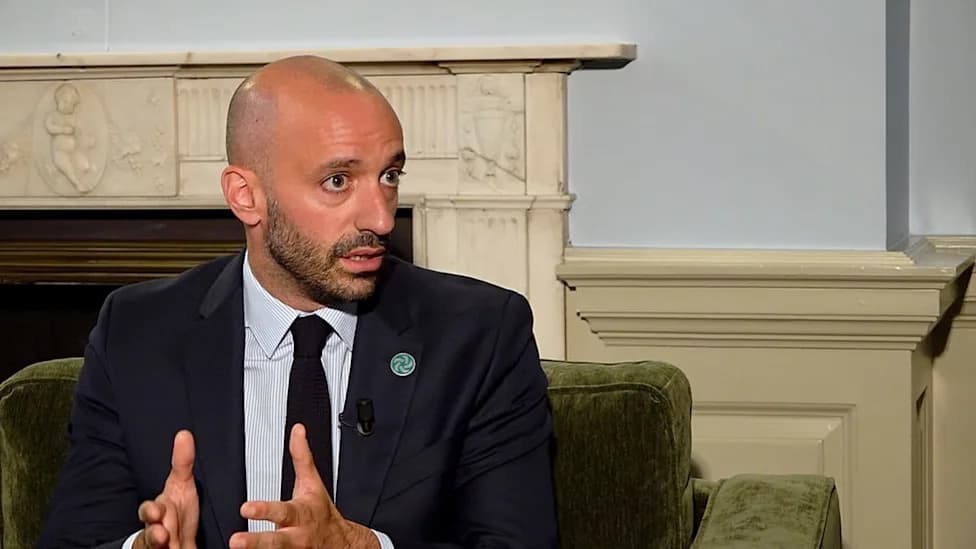
France 'will reject extremism' and Le Pen in presidential election, Haddad says
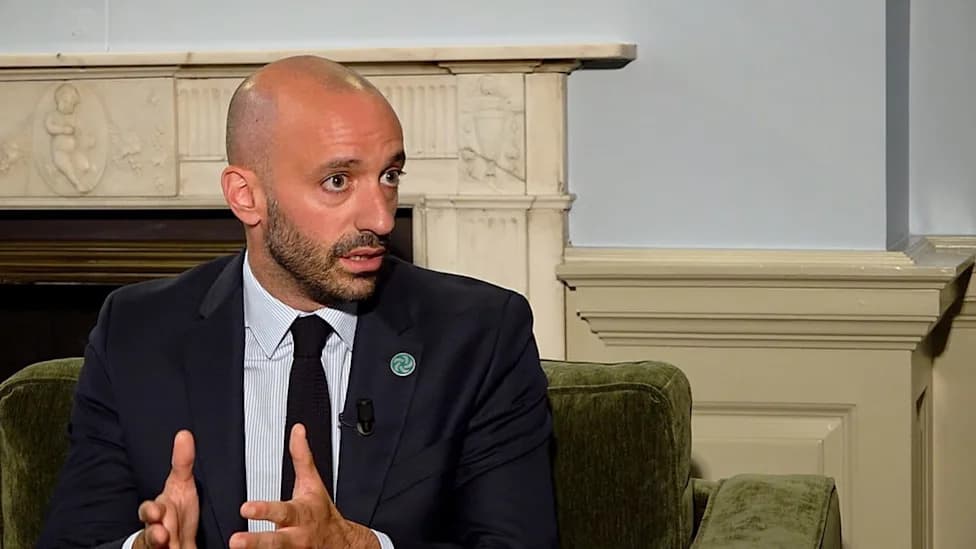
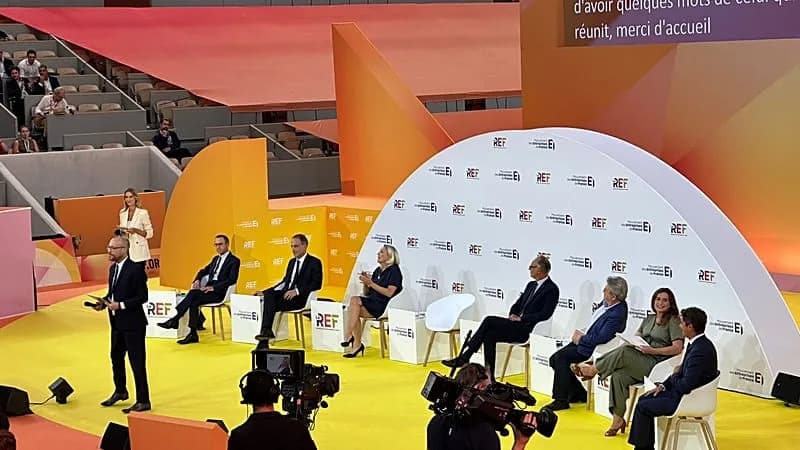
Benjamin Haddad, France’s minister for European Affairs, told Euronews he is "quite confident" that French voters will reject extremism and will not elect a far-right successor to President Emmanuel Macron in the 2027 presidential election.
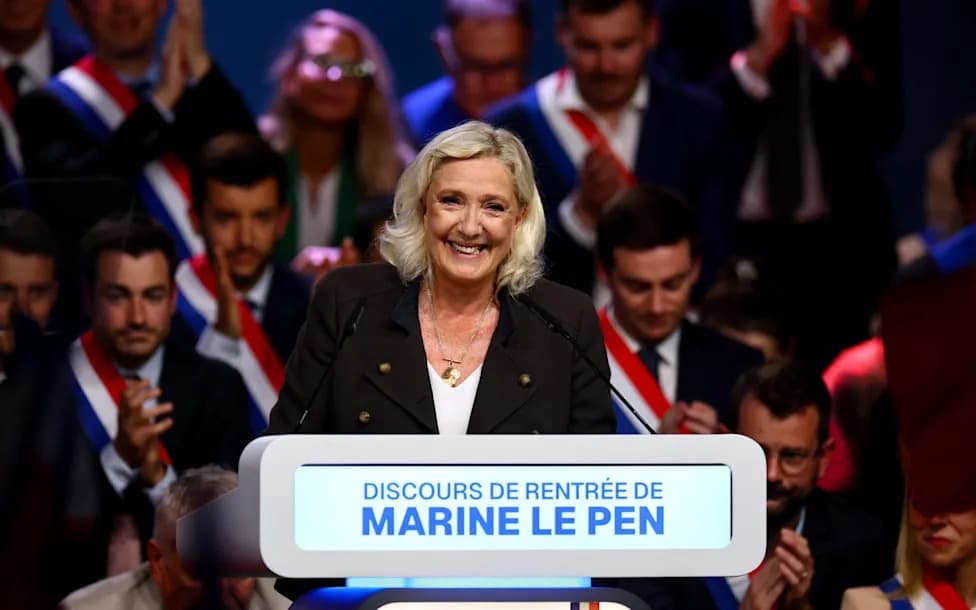
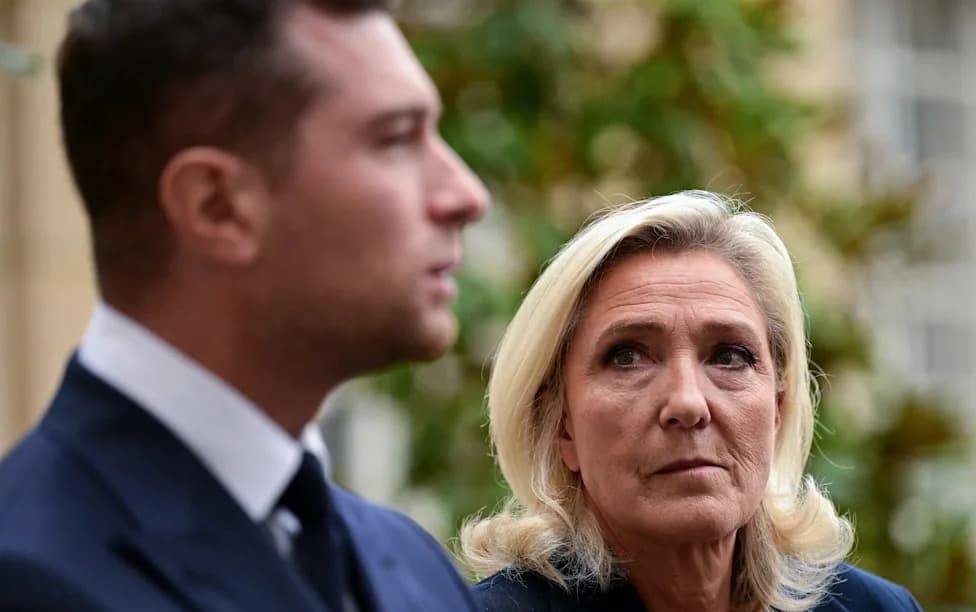
Haddad’s remarks came after an Elabe poll for BFMTV/La Tribune Dimanche put Marine Le Pen well ahead of other contenders, projecting she could capture between 34% and 35.5% of first-round ballots. Le Pen was authorised to stand in July despite an appeals court upholding a conviction for embezzlement.
"We still have a long way to go before the election, but I'm quite confident that the French, like they've done so many, many times, will refuse extremism," Haddad said on Euronews’ programme 12 Minutes With.
Haddad cautioned against overreliance on polls, noting their past failures: when he began supporting Emmanuel Macron in 2016, Macron was far behind in the polls before rising to win the presidency in 2017. Macron won 24% in the first round in April 2017 and took the second round with 66% to Le Pen's 34%. The margin narrowed in 2022, when Macron beat Le Pen 59% to 41%.
Why Haddad Believes France Will Turn Away From Extremism
Haddad argued the French are "deeply European" and proud of France’s role on the European stage. He recalled Le Pen’s longstanding eurosceptic positions — including past calls for "Frexit" and withdrawal from the eurozone — and said she has tried to soften or obscure those positions in recent years.
"She's trying to make people forget about all of this and sometimes even says that it never happened, even though we know her stance on the European Union for a long time," Haddad said.
Political Strategy: Unity and Delivery
While confident, Haddad warned other parties to meet the populist challenge with humility. He said the centre and centre-right must unify behind a single candidate to avoid fragmenting the vote. With around 30 figures already signalling their ambitions, he called unification "the linchpin" of any effort to defeat the far-right.
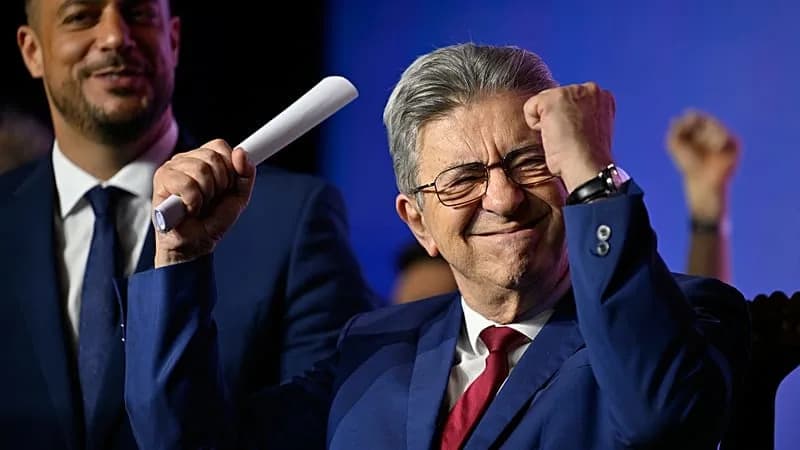
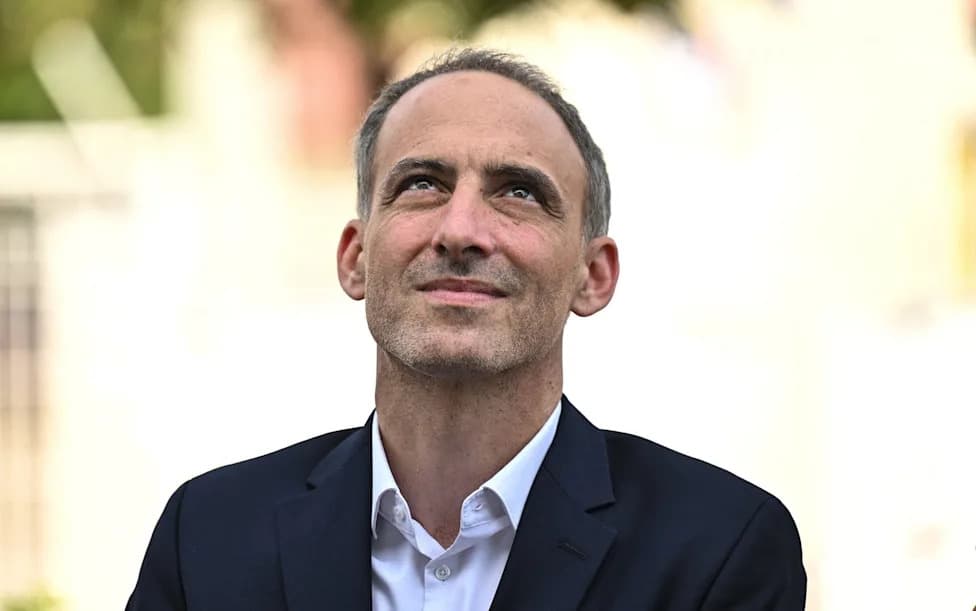
Potential candidates discussed include centrist Gabriel Attal (Renaissance), centre-right Édouard Philippe (Horizons), conservative Bruno Retailleau (Les Républicains), hard-left Jean-Luc Mélenchon (La France Insoumise), Green leader Marine Tondelier and MEP Raphaël Glucksmann (Place Publique).
Haddad stressed that delivering tangible results on migration, security, competitiveness and protecting Europeans from external threats is essential to counter populist appeals. He urged politicians to keep campaigning, listening to voters, and responding to their concerns.
Context: Global Uncertainty and Populism
Haddad linked the rise of populism to global instability: trade is increasingly used as a tool of political pressure; China’s subsidised overcapacity is challenging European industries; traditional alliances are under strain; and Russia’s war in Europe creates security concerns. "When you have these uncertainties... this very often paves the way for radical answers," he said, while arguing that France would be weaker if it turned inward.
Key Dates: The first round of the French presidential election will be held on 18 April 2027, with a second round scheduled for 2 May 2027 if no candidate secures an outright majority.
Help us improve.