President Luiz Inácio Lula da Silva signed a decree and a provisional measure to lower fuel costs weeks before October's presidential vote. The package cuts taxes on ethanol, gasoline and blends for 30 days from Sept. 10 to Oct. 9 and provides a one-real (≈$0.19) per-liter diesel subsidy for producers and importers. The steps come as Brent crude topped $100 amid Middle East attacks and aim to shield consumers, avert truckers' strikes and curb food inflation.
Lula Approves Short-Term Fuel Relief: Tax Cuts and One-Real Diesel Subsidy Ahead of Election
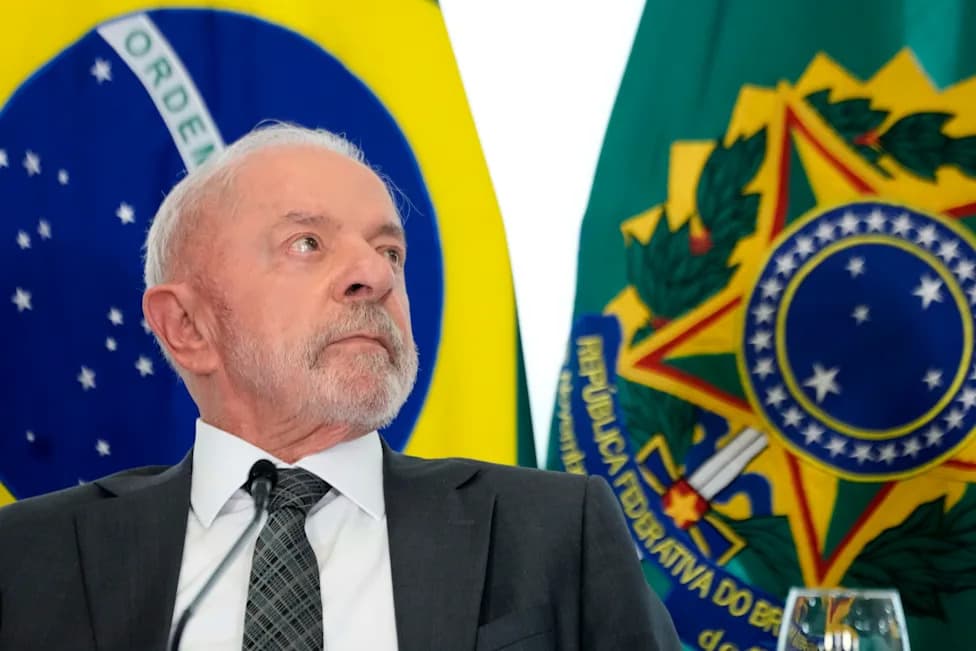
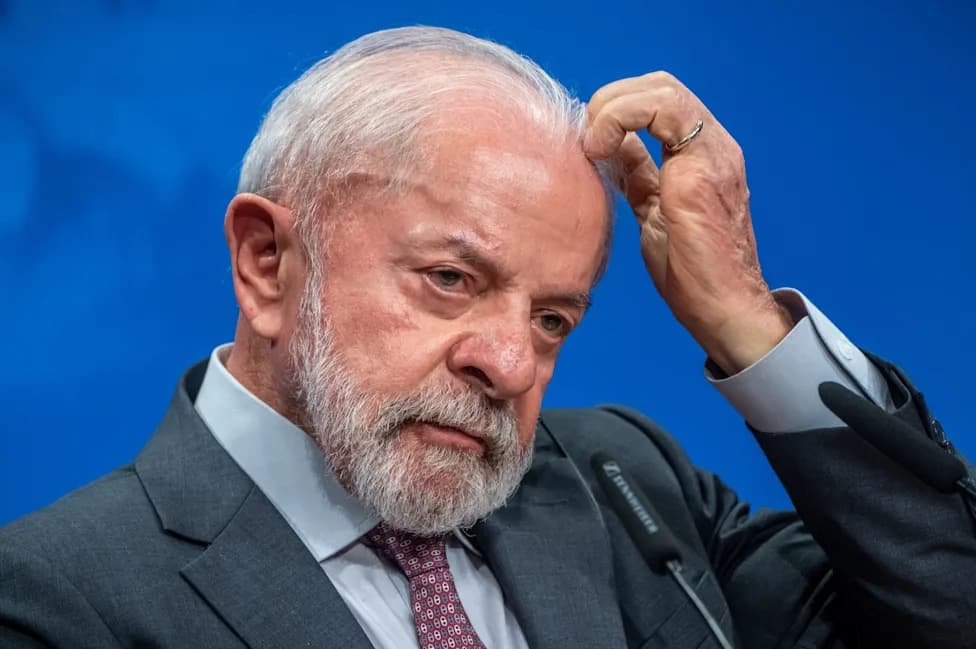
Brazilian President Luiz Inacio Lula da Silva attends a ceremony at the Planalto Palace in Brasilia, Friday, Sept. 4, 2026, marking the signing of measures related to funding for the justice system. (AP Photo/Eraldo Peres)
Brazilian President Luiz Inácio Lula da Silva on Wednesday signed a decree and a provisional measure intended to lower fuel costs just weeks before the presidential election, as rising global oil prices driven by renewed Middle East attacks push pump prices higher.
What the Measures Do
The package includes temporary tax reductions and a targeted diesel subsidy:
Temporary tax cuts: Reduced taxes on the import and sale of ethanol, gasoline and gasoline blends (excluding aviation gasoline). The cuts take effect on Sept. 10 and run for 30 days, through Oct. 9.
Diesel subsidy: A provisional measure authorizes a subsidy of one Brazilian real (about $0.19) per liter for producers and importers of road diesel.
"We're not going to allow this irresponsible war to hit your pocket," Lula said as he signed the measures, which extend price-control policies introduced at the start of the recent conflict.
Context and Rationale
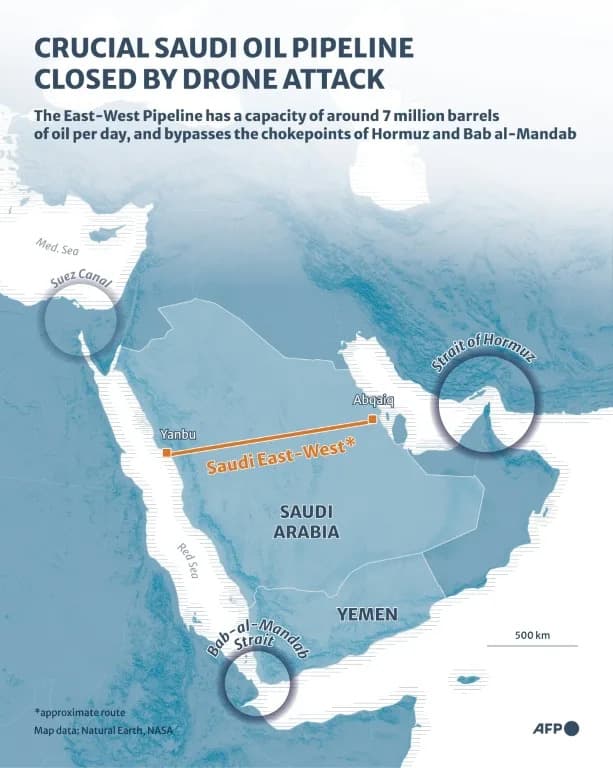
Brent crude, the international benchmark, climbed above $100 per barrel after attacks on oil facilities and ships in the Middle East threatened to tighten already strained supply chains. Although Brazil is a major crude producer and exporter and has benefited from higher international prices this year, it still relies on imports to meet domestic demand for refined fuels.
Stabilizing diesel is particularly important in Brazil because spikes in diesel prices can trigger truckers' strikes and push up food inflation. In 2018, a nationwide truckers' strike emptied supermarket shelves and gas stations and inflicted billions in economic losses, highlighting the political and economic power of organized truck drivers.
Political Angle and Economic View
Economists say the timing — weeks before the October presidential vote — underlines the political relevance of the measures. "The measures have a significant electoral component," said Armando Castelar Pinheiro, an economics professor at the Federal University of Rio de Janeiro, adding that a smaller subsidy might have been chosen absent the election calendar.
Market analysis cited by local media (Itaú BBA) estimates diesel in Brazil is about 28% cheaper than international prices and gasoline about 21% cheaper, reflecting both domestic price controls and the role of imports in meeting refined-fuel demand.
Why it matters: The moves aim to blunt immediate consumer pain at the pumps, reduce the risk of supply-related labor disruptions, and limit near-term food-price pressures ahead of a tightly contested election.
Help us improve.