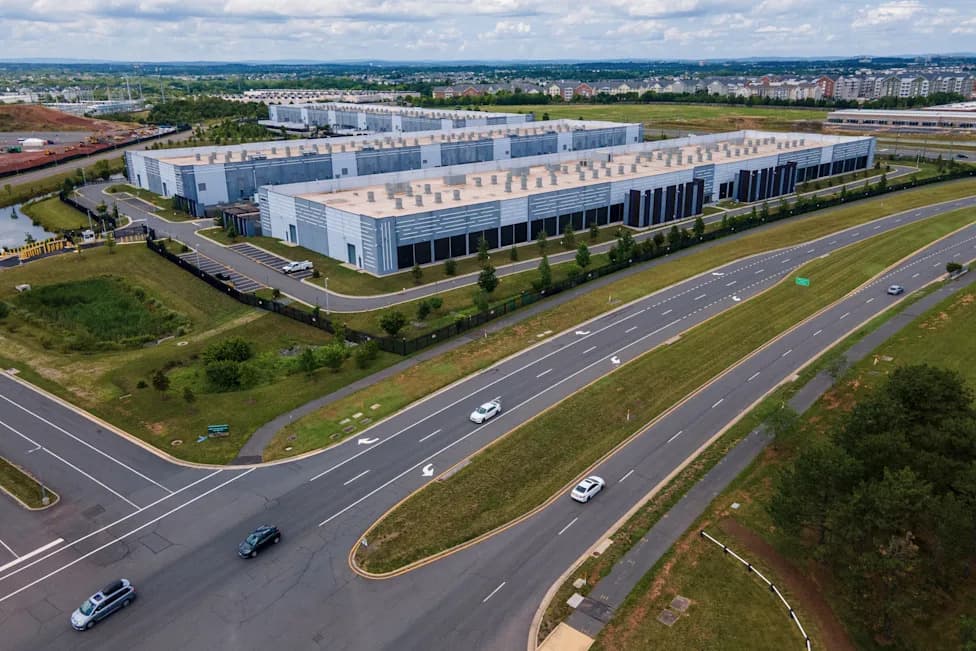
San Jose is courting AI-focused data center investment, projecting $3 million to $6 million per facility in annual tax revenue, while residents and environmental groups are mobilizing for stricter review and transparency around energy, water and pollution impacts. State lawmakers have passed bills to make very large electricity users pay more of grid costs and to increase disclosure; industry groups warn the measures could drive investment elsewhere. Air quality and backup generator oversight are also under scrutiny as the debate moves to the governor's desk.
San Jose Pushes to Become an AI Data Center Hub as Residents and Environmentalists Push Back
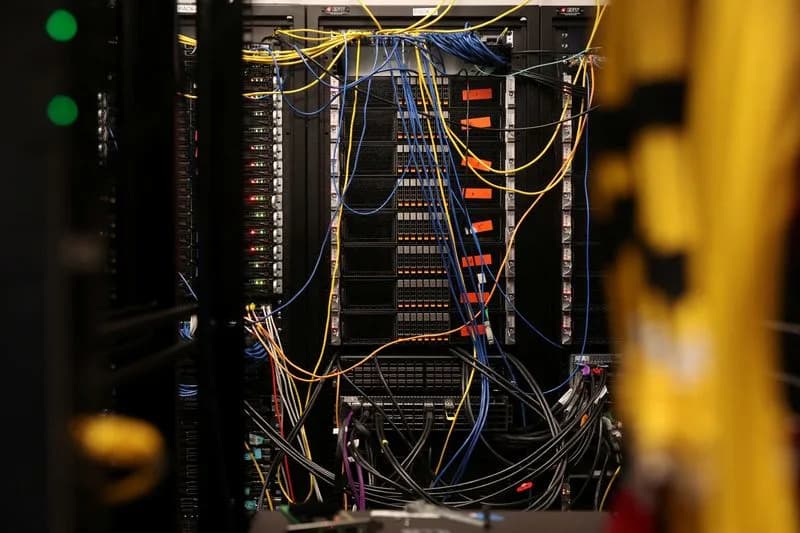
FILE PHOTO: Cables fill a data center built to run software and other tests on networking chips as Broadcom prepares to launch new optical chip tech to fend off Nvidia in San Jose, California, U.S., September 5, 2025. REUTERS/Brittany Hosea-Small/File Photo
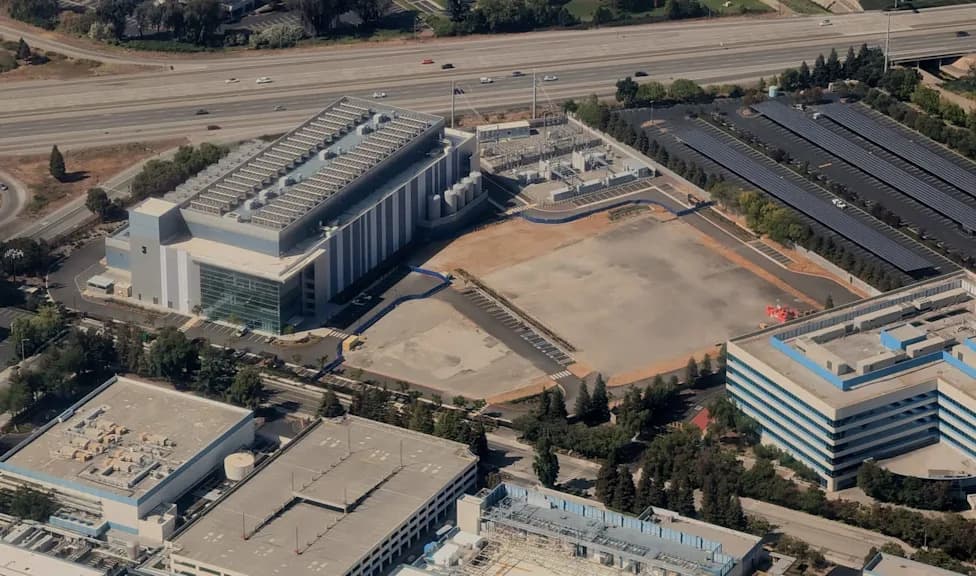
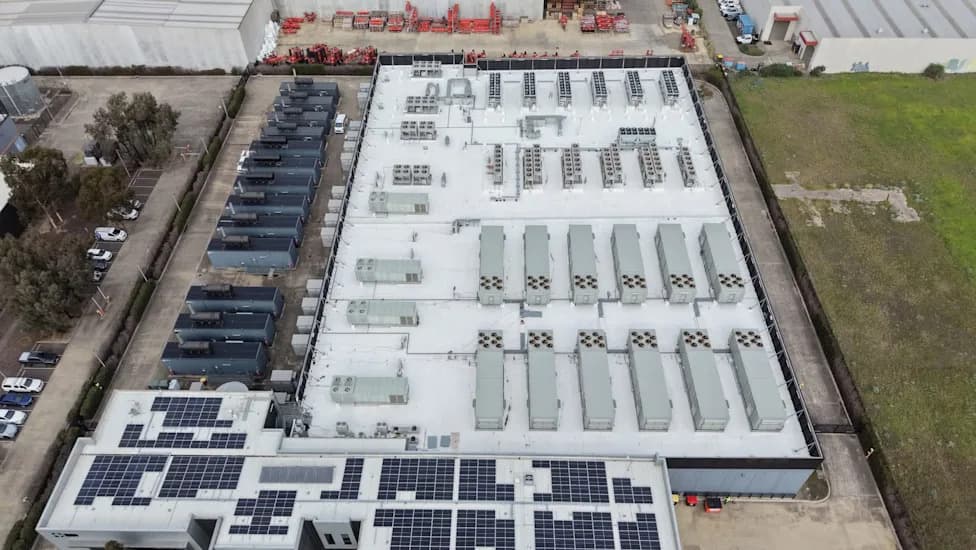
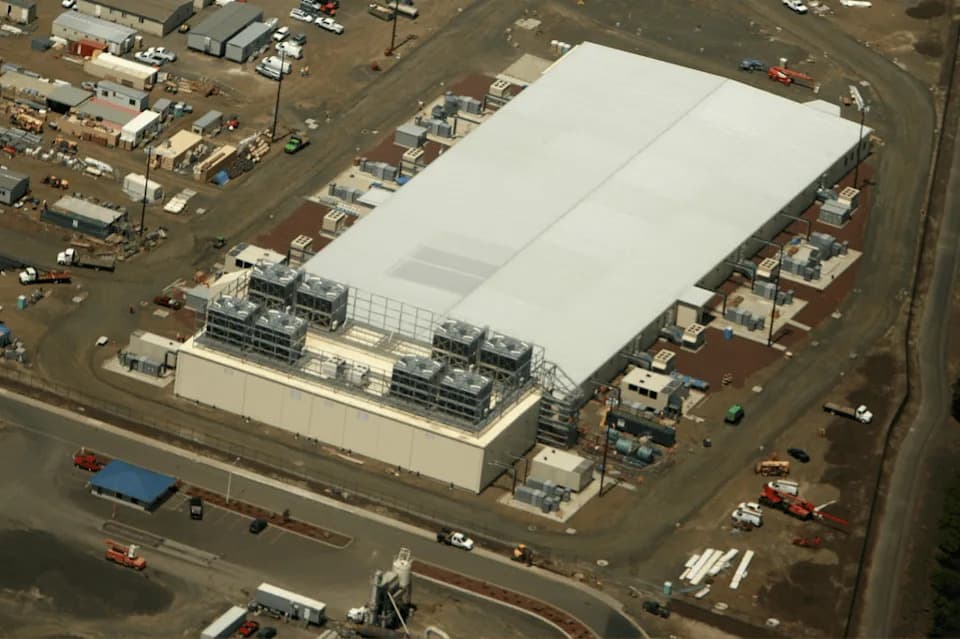
SAN JOSE, California, Sept 17 (Reuters) - San Jose, the largest city in Silicon Valley, is facing growing local resistance to a wave of proposed data centers that city officials have courted as part of a strategy to make the city a hub for artificial intelligence infrastructure.
The dispute underscores a broader policy dilemma: how to nurture an industry many government and business leaders view as critical to economic competitiveness while addressing public concerns about electricity demand, water use and pollution tied to the facilities that power it.
California is at the center of the debate because it is home to many companies driving the AI expansion, including Google, Meta, OpenAI and Anthropic. San Jose has actively promoted data center development — striking an agreement last year with utility PG&E to speed power delivery to large energy users.
City officials estimate each new data center could generate roughly $3 million to $6 million a year in tax revenue to support services such as police, fire protection, libraries, roads and parks. Yet many residents question whether those benefits will be shared broadly across the community.
Local Pushback and Community Demands
Grassroots groups and environmental organizations are calling for stronger public review and greater transparency. Leaders of the I Love San Jose coalition and other advocates want clear disclosures of energy and water consumption and independent studies of health and environmental impacts before additional projects are approved.
"The companies have to prove to us why they deserve our resources and how they're going to give back to the community," said Ellina Yin, a leader of the I Love San Jose coalition.
Mayor Matt Mahan said the goal is not to halt development but to ensure it proceeds responsibly. "People are right to question, 'Is this pushing up my energy costs? Is it using our clean water supplies? Will it degrade quality of life in my city?'" he told Reuters. "These are very fair questions."
State Action and Industry Response
The local debate has reached Sacramento. Lawmakers recently approved several bills aimed at ensuring very large electricity users pay a fairer share of grid-related costs and at increasing transparency around energy and water consumption. State Senator Steve Padilla, who sponsored multiple measures, said California has a responsibility to lead policy given the concentration of major tech firms in the state.
The Data Center Coalition, which counts Google, Meta, OpenAI and Anthropic among its members, said it supports responsible growth but argued the bills unfairly single out data centers versus other large industrial and commercial electricity users. The group warned the measures could discourage investment and push jobs, tax revenue and projects to other states. Governor Gavin Newsom has until the end of the month to sign or veto the legislation.
Environmental Concerns: Air Quality and Backup Power
Air quality is a specific point of concern. In April, a coalition led by the Center for Biological Diversity petitioned the Bay Area Air Quality Management District to strengthen oversight of diesel backup generators used by data centers, arguing current regulations were written before the recent expansion of AI-related facilities. The air district said it is assessing whether stronger protections are warranted.
PG&E has argued that adding large customers can help spread fixed grid costs over a broader base and potentially lower bills for other customers, framing new data centers as a net benefit to the local utility landscape.
As San Jose courts the investments that accompany AI infrastructure, the clash between economic opportunity and community and environmental concerns is likely to shape how — and how fast — such projects move forward.
(Reporting by Nichola Groom; Editing by Aurora Ellis)
Help us improve.