Ukraine's Third Army Corps says it dropped kamikaze-capable UGVs more than 10 km behind Russian lines during Operation Vivaldi to harass logistics and command nodes ahead of ground advances. The corps reported retaking three settlements northwest of Lyman (about 19 sq mi) and eliminating some 800 Russian troops; ISW mapping credits roughly 48 sq mi reclaimed since Vivaldi began. Ukrainian media cautioned the "world first" claim, and independent confirmation remains limited.
Ukraine Deploys 'Kamikaze' Ground Robots More Than 10 km Behind Russian Lines in Operation Vivaldi
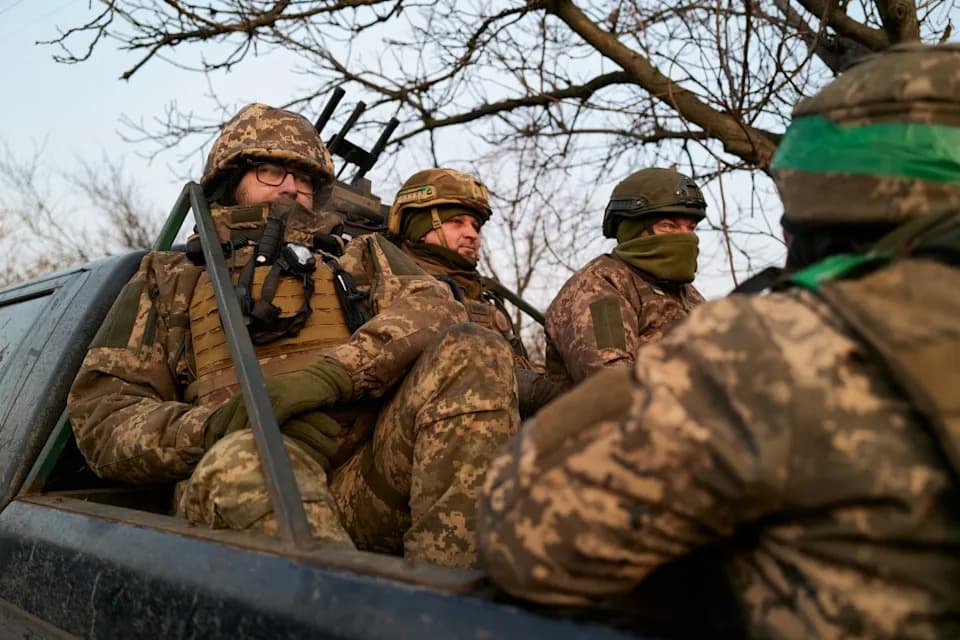
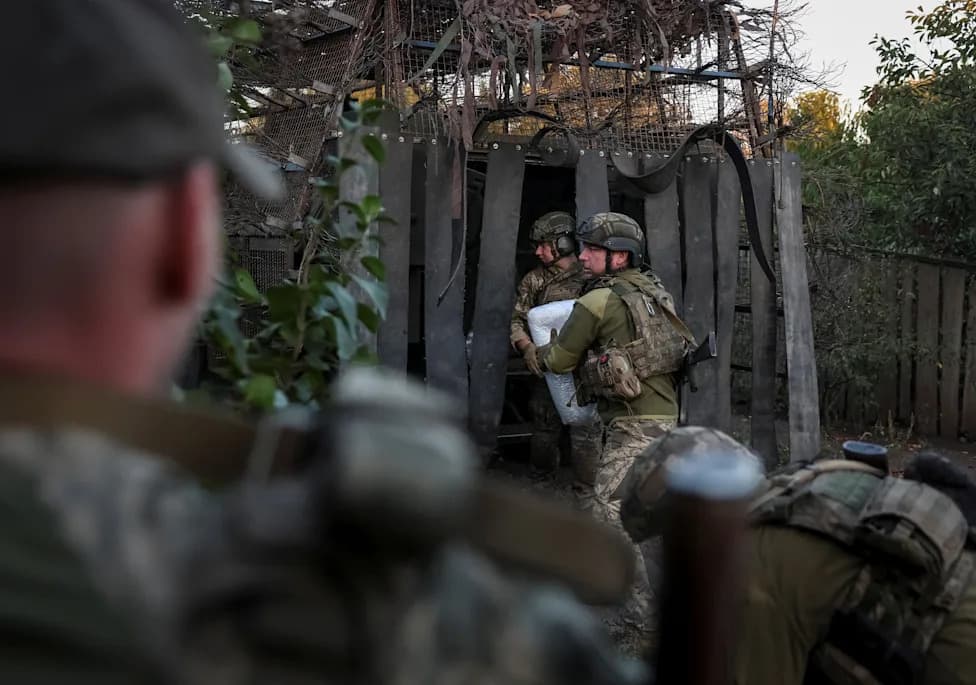
Ukrainian troops are pictured in the Donetsk region, Ukraine, on February 14, 2025, building defensive lines in anticipation of a possible advance by Russian forces.
Ukraine's Third Army Corps has announced the use of attack-capable unmanned ground vehicles (UGVs) dropped deep behind Russian positions as part of its summer counteroffensive, Operation Vivaldi. The corps described the operation as a potential "world first," while Ukrainian media and independent analysts have offered context and caution about that claim.
What the Third Army Corps Says
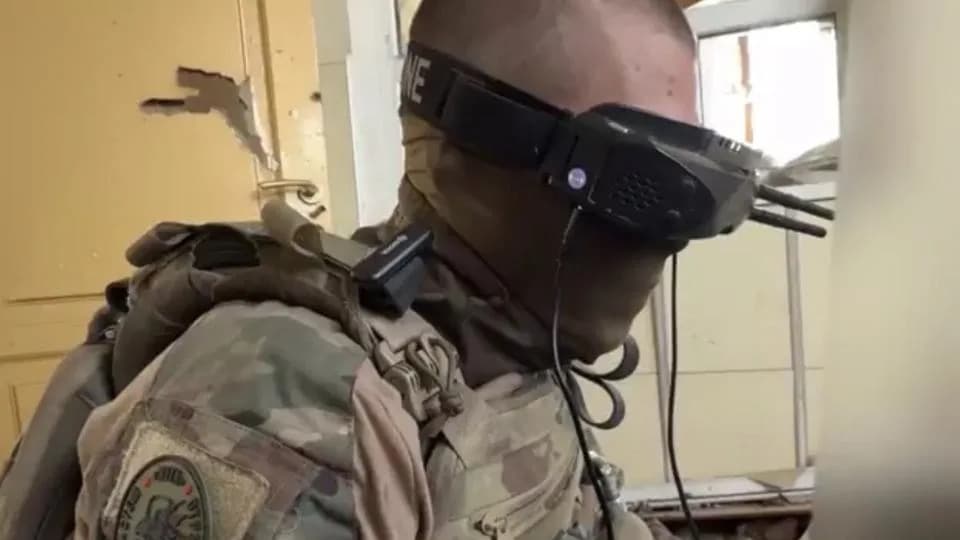
Brigadier General Andrii Biletskyi, commander of the Third Army Corps, said heavy bomber drones carried and released explosive UGVs more than 10 kilometres (roughly 6+ miles) into the enemy rear, where the ground robots were used to harass logistics, command posts and tactical reserves ahead of Ukrainian ground advances.
“The Third Army Corps was the first in the world to begin landing ground-based robotic systems. Our heavy bomber drones deliver suicide ground drones more than 10 kilometres into the enemy's rear,” Biletskyi said, according to United 24 Media.
Claims, Context and Verification
RBC Ukraine reported a caveat: while air delivery of ground robots by Ukrainian forces has occurred previously, this appears to be the first reported use of kamikaze-style UGVs over such a long distance. Newsweek has contacted the Russian defence ministry for comment; independent confirmation of the full scale and effects of the drops remains limited in open sources.
Operational Details and Reported Gains
The Third Army Corps said the robot drops were part of preparations for ground operations designed to disrupt Russian defences. According to the corps, drones and UGVs were flown roughly six miles behind the frontline to hit command posts, communications hubs, logistics nodes and reserve formations while Ukrainian air defences and electronic warfare units helped create a protective envelope over the area.
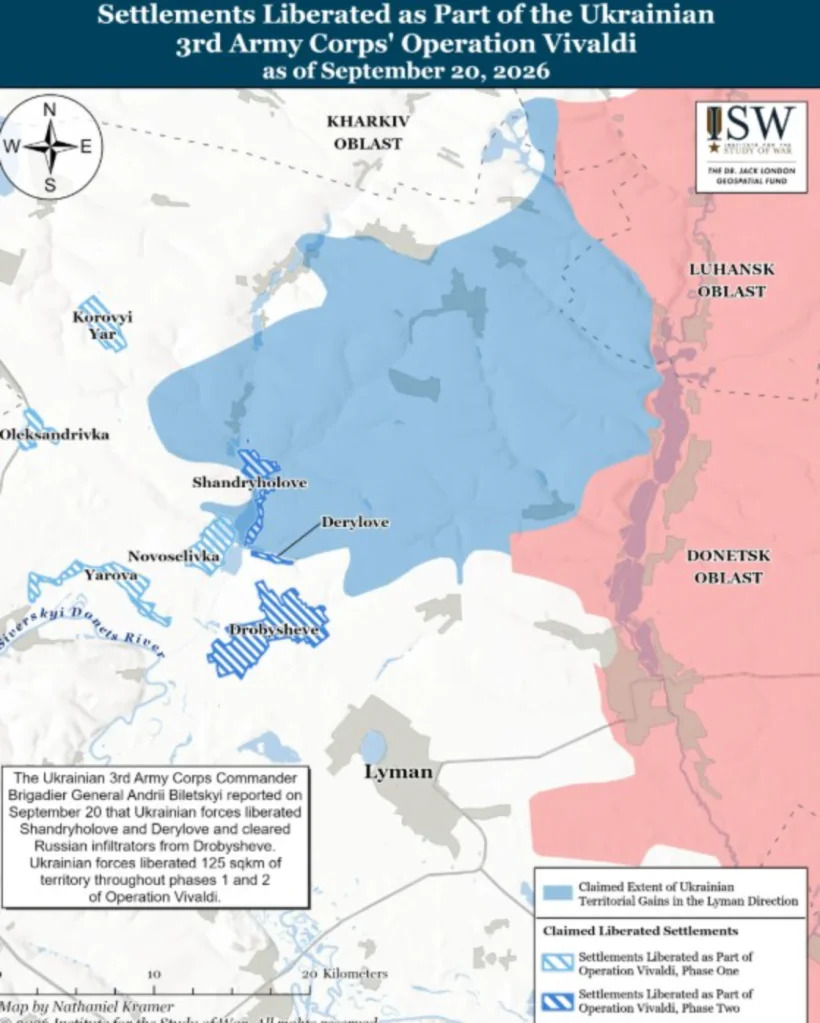
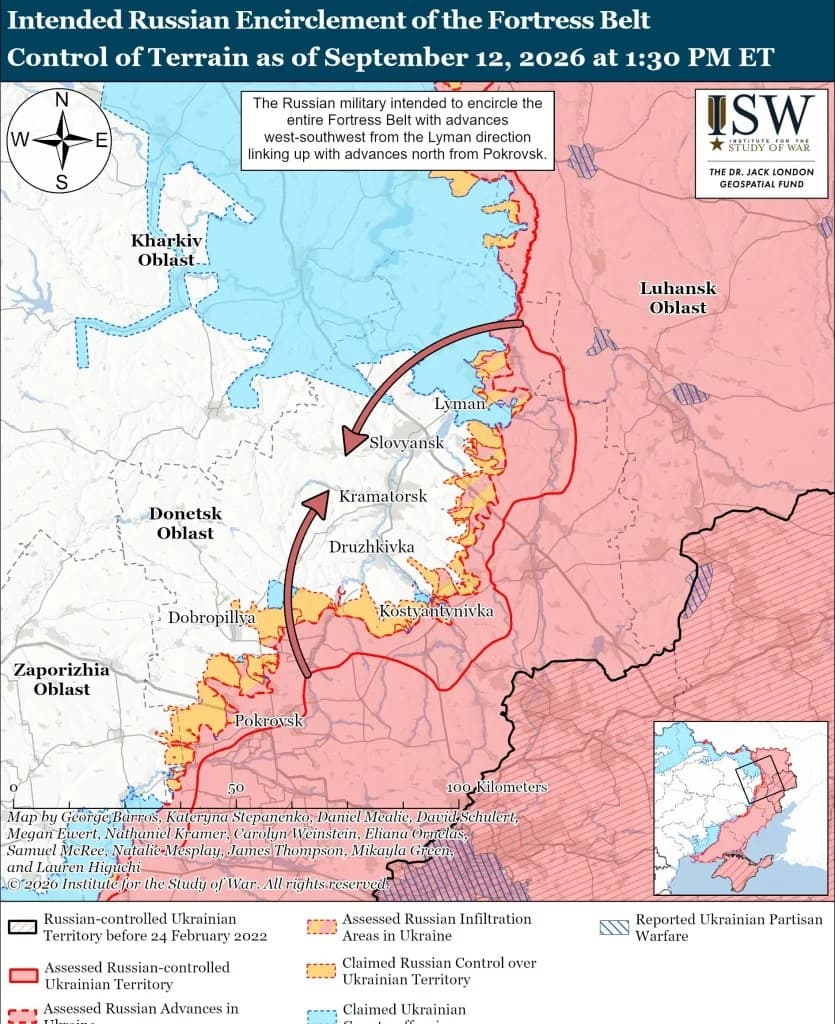
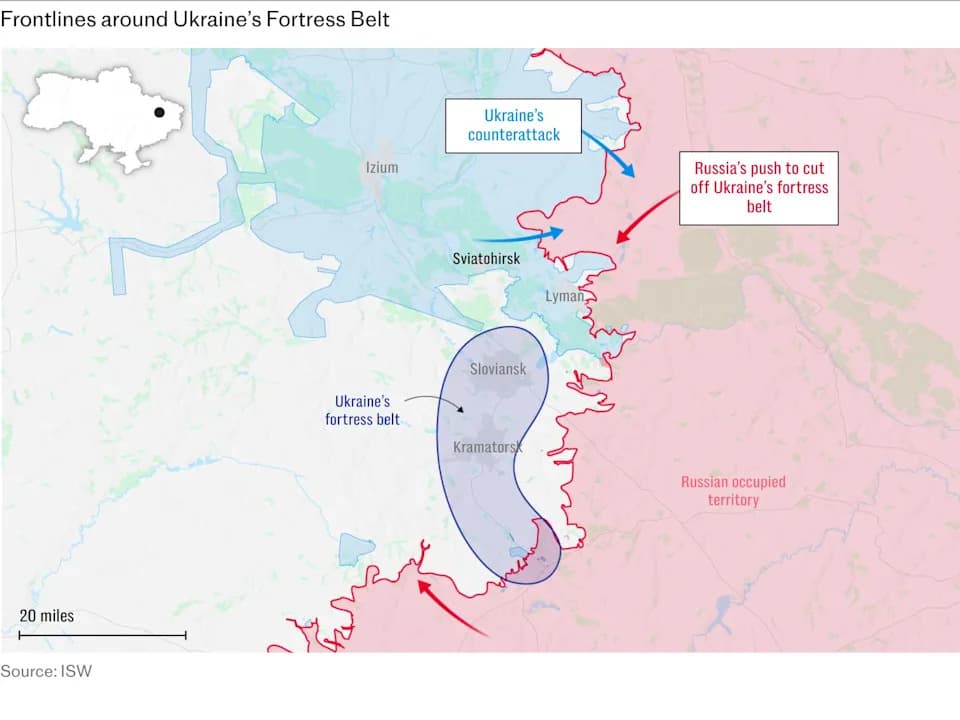
This map by the Institute for the Study of War (ISW) from September 20, 2026 shows the state of play in Ukraine's Operation Vivaldi in the Donetsk oblast of Ukraine.
Biletskyi said three settlements northwest of Lyman, covering roughly 19 square miles, had been retaken and that about 800 Russian troops were eliminated in the operation's second phase. The Institute for the Study of War (ISW) mapping attributes a total of about 48 square miles reclaimed since Operation Vivaldi began; ISW's map cited in corps statements is dated September 20, 2026.
Analyst Views
Military analysts praised aspects of the planning and execution while cautioning on broader implications. Giorgi Revishvili of Russia Analyzed said Operation Vivaldi shows manoeuvre warfare can still work in a battlespace dominated by drones and persistent surveillance, provided planning and force coordination are effective. He added that local battlefield successes are unlikely to change Moscow's broader political posture in the near term.
Retired Australian Army Major General Mick Ryan noted that whether the operation expands or simply consolidates gains will be a key question in the coming months and suggested the fighting could herald a new phase of the war if such tactics are scaled and sustained.
Notes on Reporting
The Third Army Corps' claims remain at least partly unverified by independent sources. Newsweek reporters and editors used the newsroom AI assistant Martyn in reporting this story. Newsweek has reached out to the Russian defence ministry for comment.
Help us improve.