ISW analysis shows Ukraine has halted Russian advances in Donetsk and reclaimed the operational initiative. Counteroffensives around Kupiansk, Oleksandrivka and Lyman have reportedly reversed six months of Russian gains and cut a salient north of Lyman, easing pressure on the Donetsk fortress belt. Analysts warn that autumn weather and Russian tactics may create a narrow window for Moscow to intensify pressure, while a rapid mass mobilization by Russia remains unlikely.
ISW: Ukraine Regains Initiative — Major Breakthrough North of Lyman Halts Russian Advance
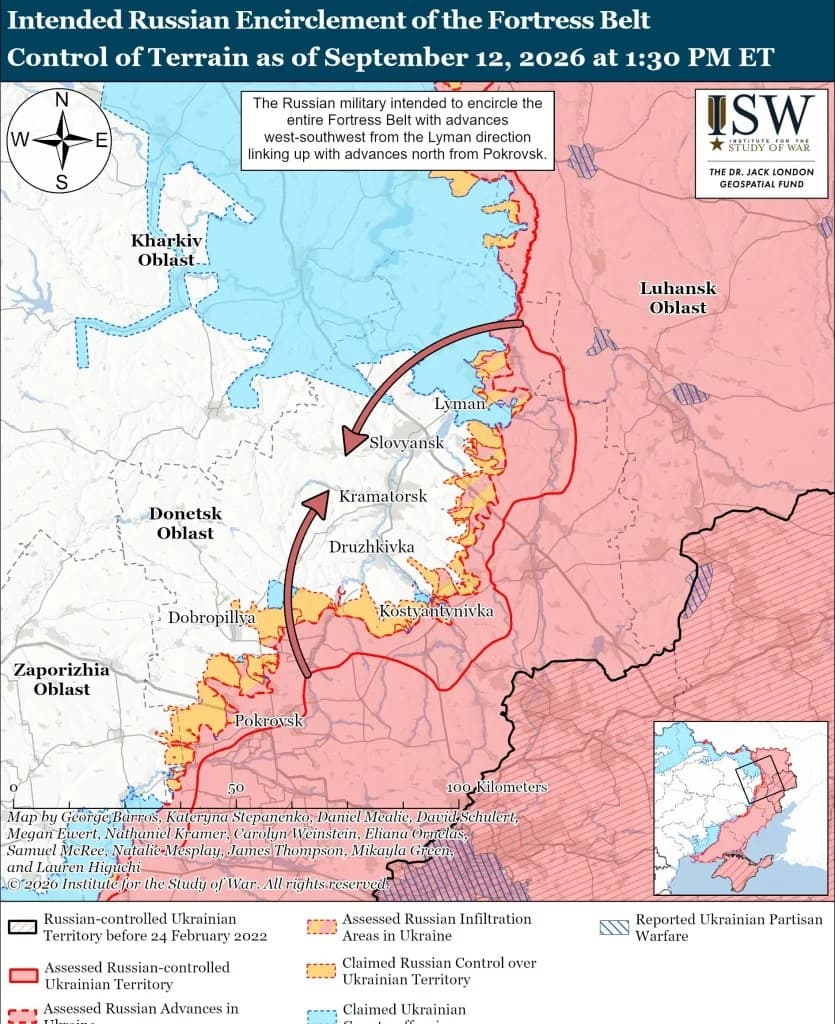
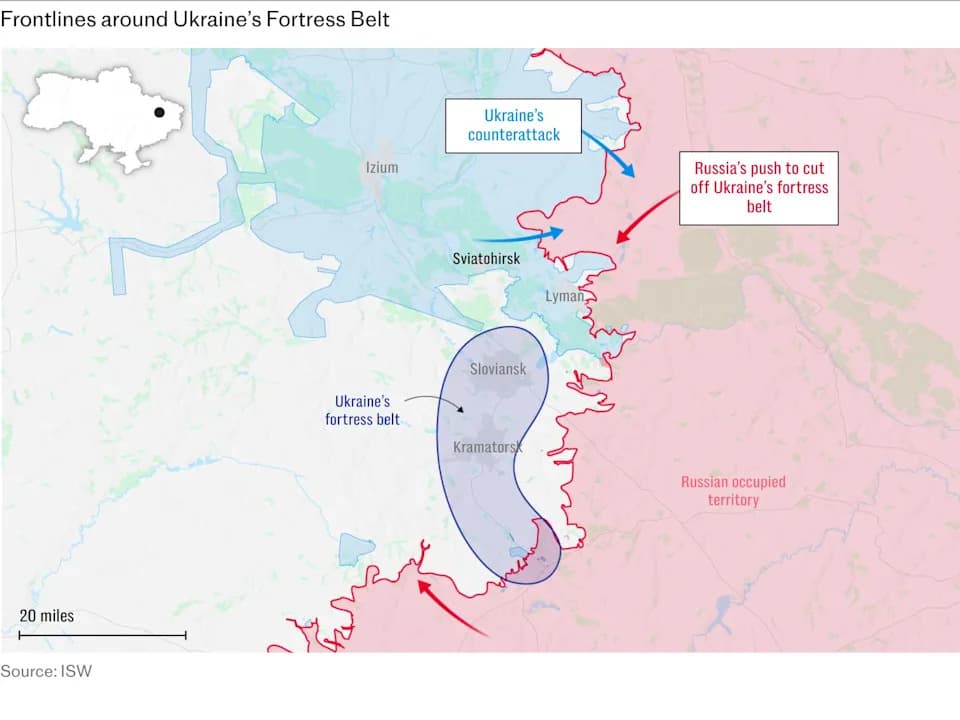
This map by the Institute for the Study of War (ISW) shows Russia's thwarted intentions to encircle Ukraine's fortress belt.
Analysis of recent battlefield movements indicates Kyiv has disrupted Moscow's plans in Donetsk, with Ukrainian forces regaining the strategic and operational initiative for the first time in roughly two years, according to the Institute for the Study of War (ISW).
Counteroffensives and Territorial Gains
The ISW says Ukraine reversed Russian territorial advances over the past six months, mounting successful counteroffensives around Kupiansk, Oleksandrivka and Lyman. An accompanying ISW map highlights gains that some pro‑Kremlin military bloggers have acknowledged. Open‑source reporting indicates Ukraine's 3rd Army Corps severed a Russian salient north of Lyman and liberated more than 77 square miles of territory, while separate operations in the south reportedly liberated roughly 290 square miles.
Strategic Impact
ISW assessed that Ukrainian forces "successfully contested the initiative at both the strategic and operational levels starting in late 2025 and persisting throughout 2026 for the first time since the August 2024 Kursk Offensive." The think tank says Ukrainian troops halted a Russian push into Dnipropetrovsk region, recaptured ground near Kupiansk and eliminated a Russian salient that threatened the northern flank of Slovyansk and the Donetsk Oblast "fortress belt" — the string of fortified towns and defensive positions that are central to Ukraine's eastern defence.
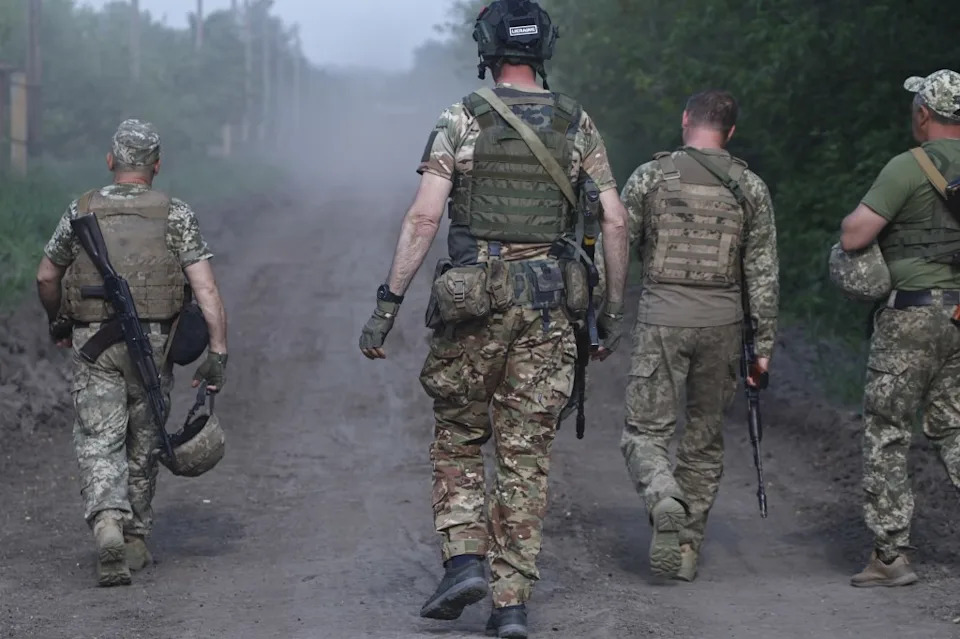
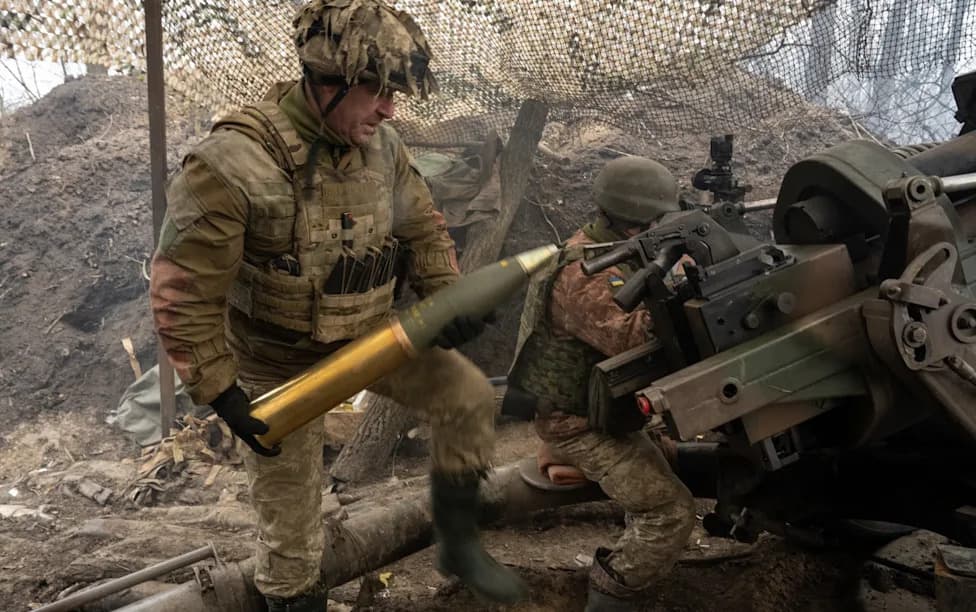
This illustrative image from May 19, 2023, shows Ukrainian soldiers of the 108th Battalion in Donetsk Oblast, Ukraine.
"Maneuver warfare remains possible despite growing battlefield transparency when it is backed by careful planning, precision and tactical ingenuity," said Giorgi Revishvili, a military analyst behind the Substack Russia Analyzed.
Areas of Ongoing Contention
The ISW also notes limited but notable Russian gains in and around Kostyantynivka and east of Slovyansk and Kramatorsk, where Moscow is attempting to maintain momentum. Analysts expect Russian forces to continue concentrating pressure around Dobropillia, Kostyantynivka and Druzhkivka, seeking footholds that could serve as bridgeheads for further operations.
Operational Risks and the Outlook
Analysts warn the coming months could be difficult for Ukraine. Weather changes (cloud, fog) and the autumn loss of foliage may reduce concealment and degrade the effectiveness of Ukrainian drones, creating a roughly two‑month window for Moscow to intensify pressure on the fortress belt. Protecting Ukrainian airspace will remain a major challenge as Russia increasingly employs lower‑cost strike systems — including jet‑powered drones such as the S8000 Banderol, alongside ballistic and cruise missiles — that are harder to intercept.
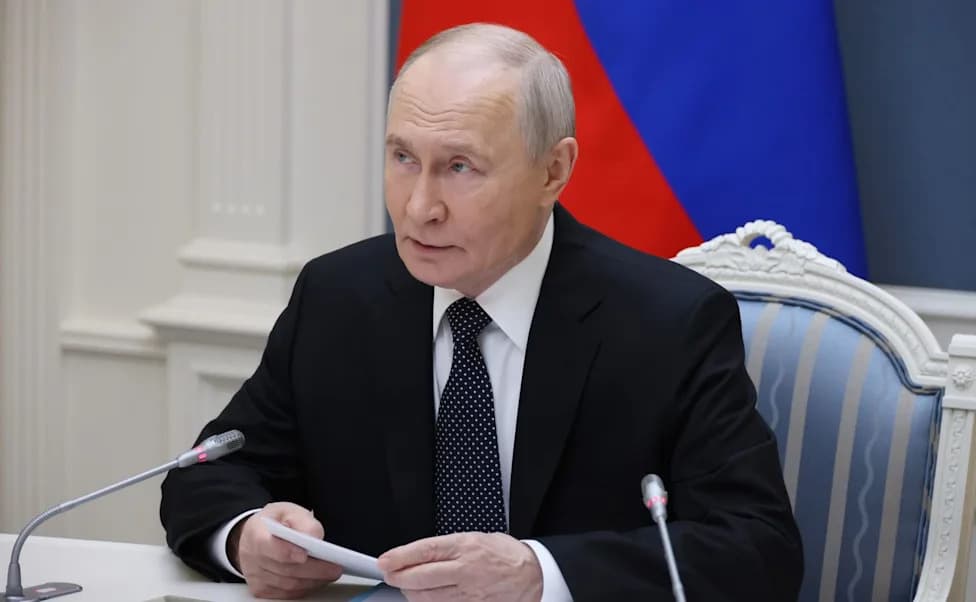
Speculation continues over whether sustained Russian losses will push President Vladimir Putin to authorize another mass mobilization. Kyiv officials say some Russian generals requested as many as 800,000 additional troops, but the ISW argues Russia lacks the capacity to train and integrate such a force quickly and is more likely to pursue gradual or covert mobilization steps.
Newsweek has contacted the Russian defence ministry for comment.
Help us improve.