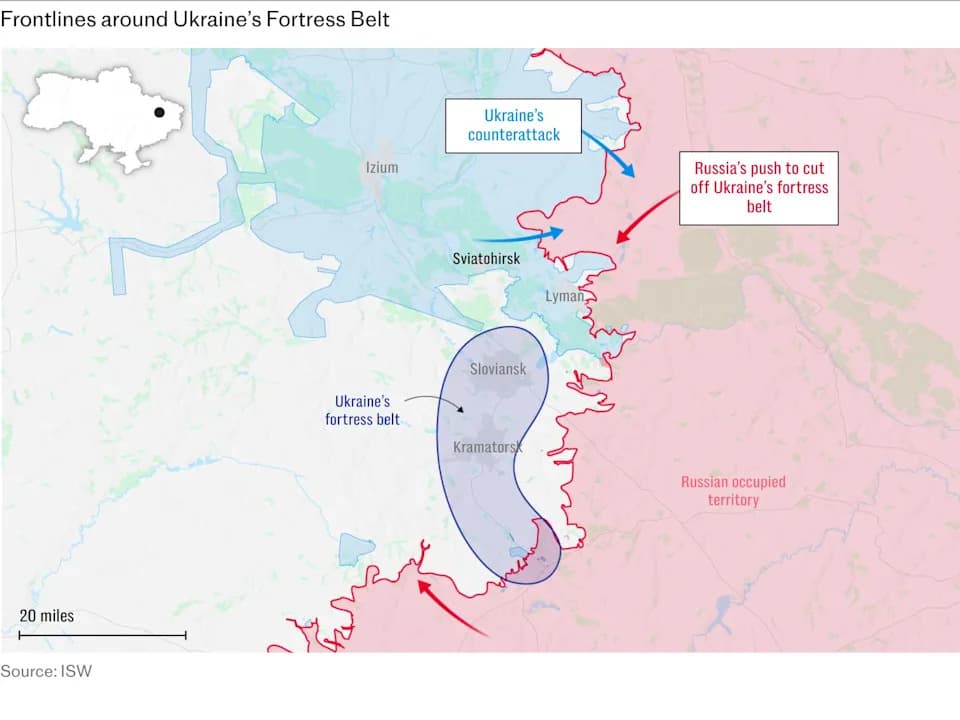
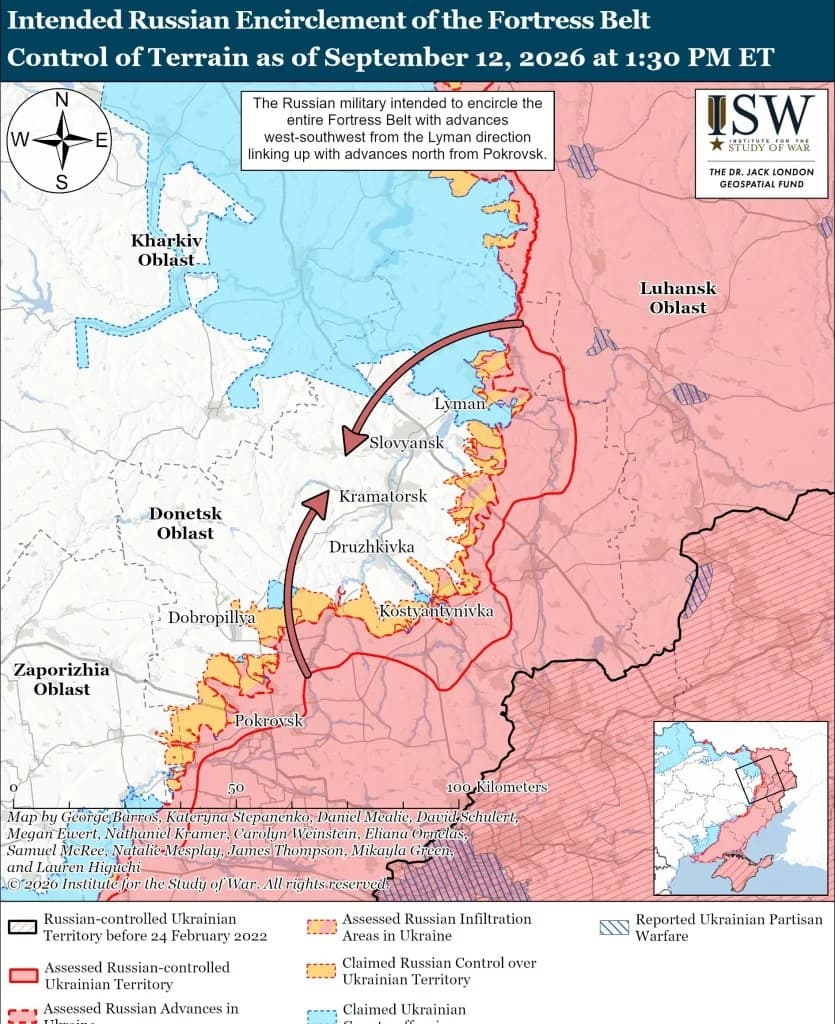
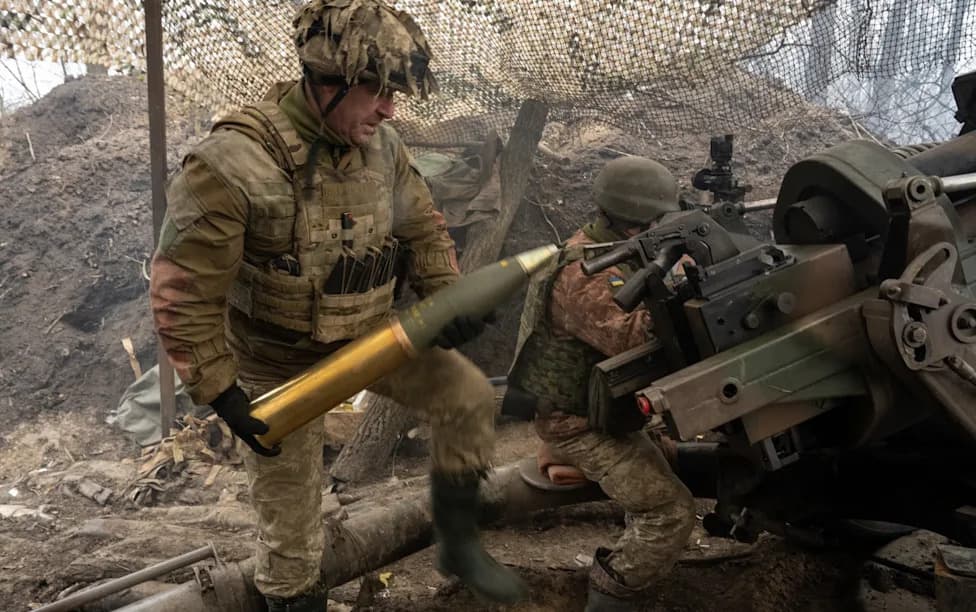
Open-source intelligence (OSINT) researchers say a Ukrainian counteroffensive launched north of Lyman in May — deliberately kept under wraps — successfully pushed back a Russian salient, contradicting Kremlin claims of recent territorial gains.
Independent monitors and Ukrainian forces imposed an operational information blackout for months, limiting drone and ground footage to avoid revealing troop movements. Despite Russian sources publicly dismissing the offensive as a failure, OSINT analysts documented Kyiv’s advance and estimate that Ukrainian forces reclaimed as much as 77 square miles around Lyman, according to reporting in The Telegraph.
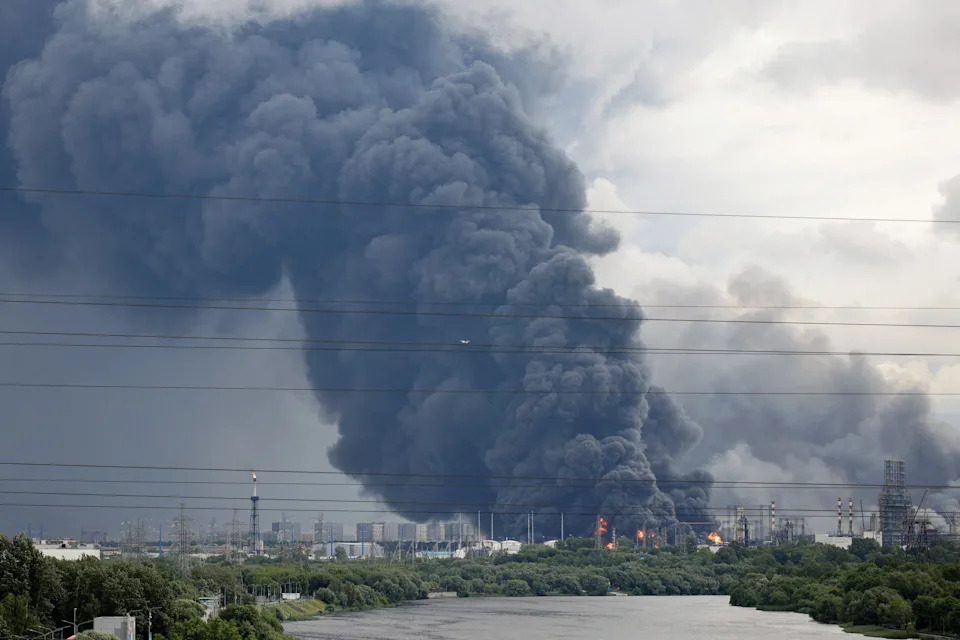
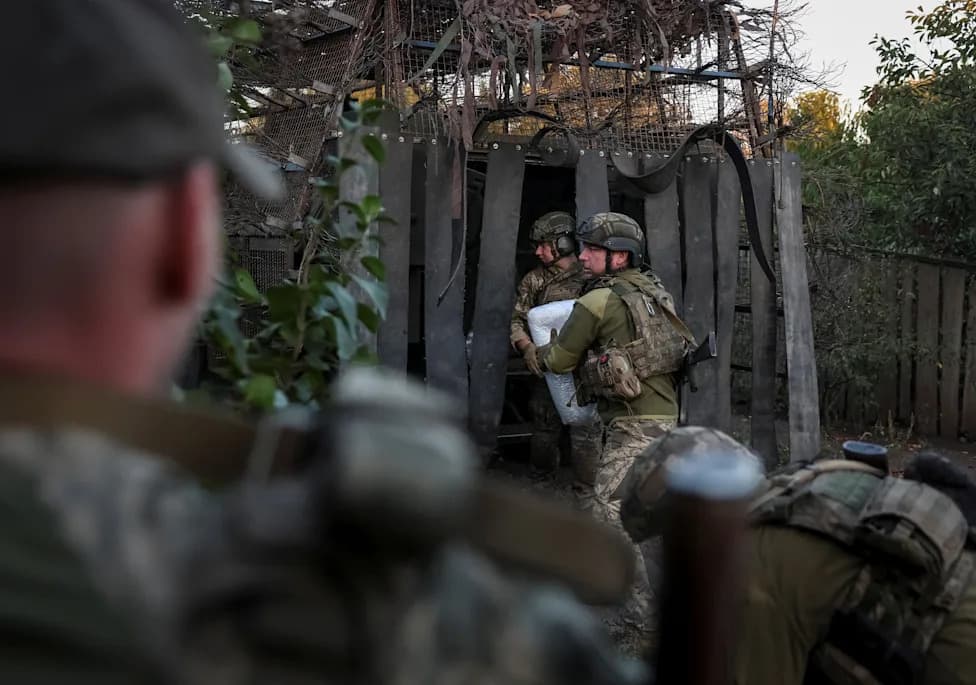
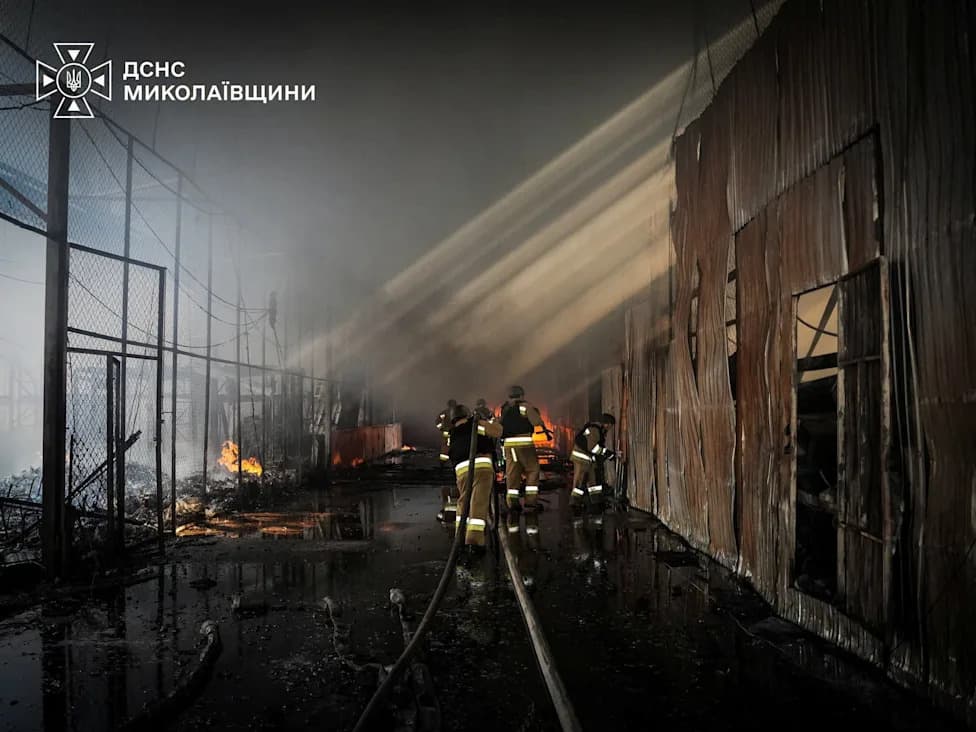
Ukraine has repeatedly targeted the country’s oil refineries to cripple Moscow's economy amid the invasion. / Social media via Reuters
How it unfolded
Researchers Phil Cowin (operator of the UA Control Map) and French OSINT analyst Clément Molin tracked the operation over recent months. Their work — combined with limited on-the-ground releases by Ukrainian units — indicated control of key settlements that Moscow had earlier claimed to hold. Cowin noted that usual streams of drone footage went dark around the village of Nove, a sign that both Ukrainian and independent observers were avoiding public disclosure.
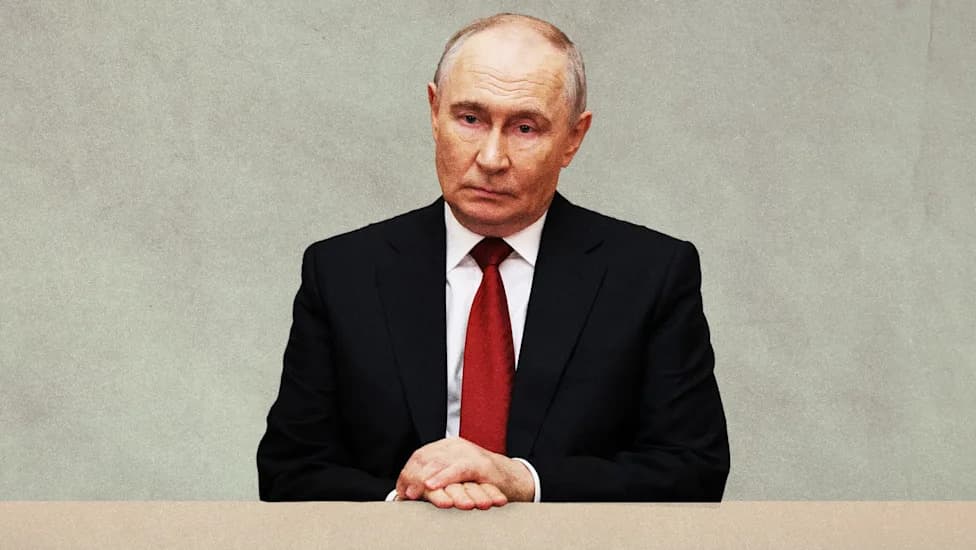
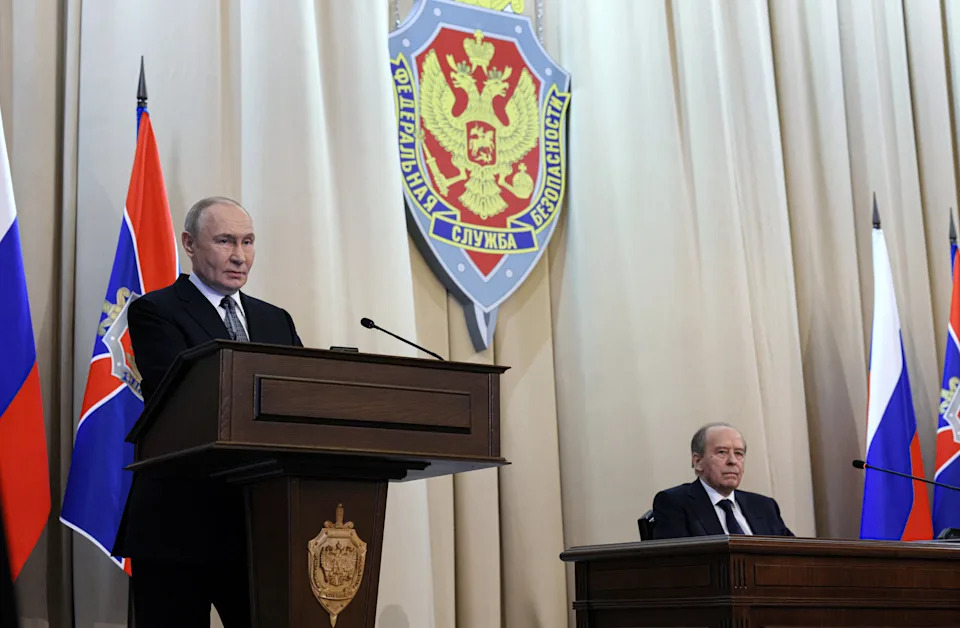
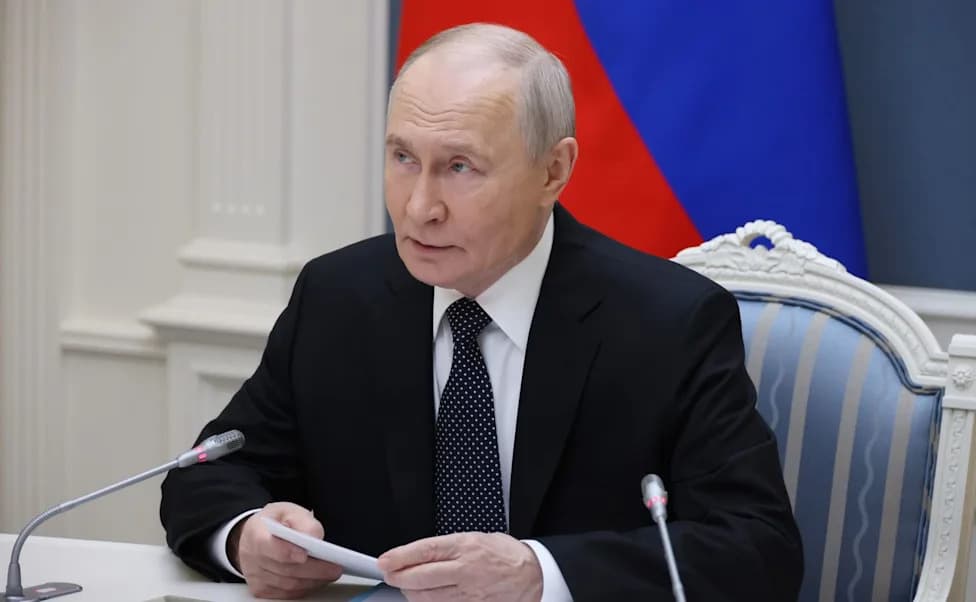
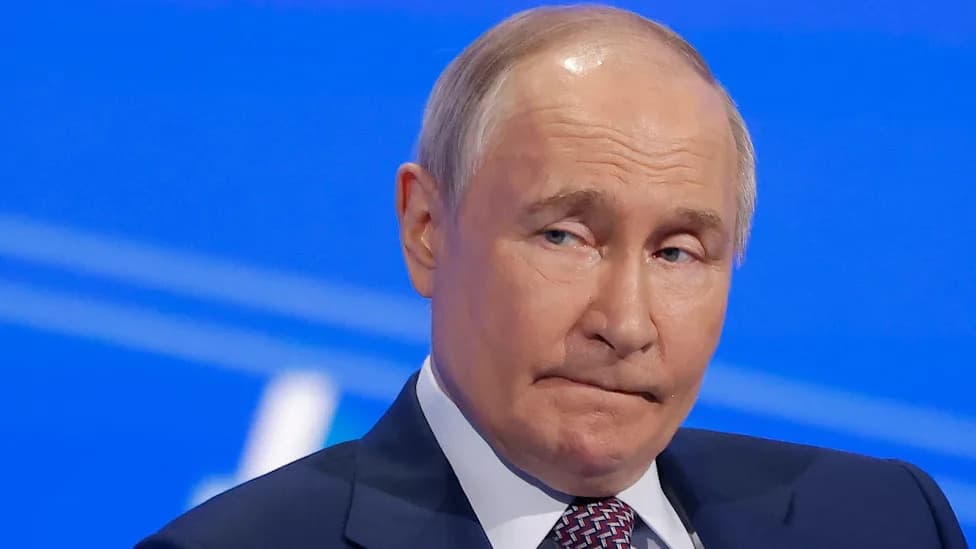
Putin appeared to be clueless about the Ukrainian counterattack. / Mikhail Metzel / via REUTERS
“Usually you’d see more drone footage, more video. But suddenly around Nove it goes dark — and the Russians weren’t posting any footage of their own attacks as they didn’t want to show the Ukrainians advancing,” Phil Cowin told The Telegraph.
Days after Russian President Vladimir Putin said Moscow had captured multiple settlements — including Sviatohirsk — the 3rd Army Corps commander, Andriy Biletsky, posted a video of himself walking through Sviatohirsk to demonstrate Ukrainian control. Pro-Kremlin bloggers subsequently blamed reporting failures and poor information flow up the chain of command for Moscow’s mistaken public statements.
What this means
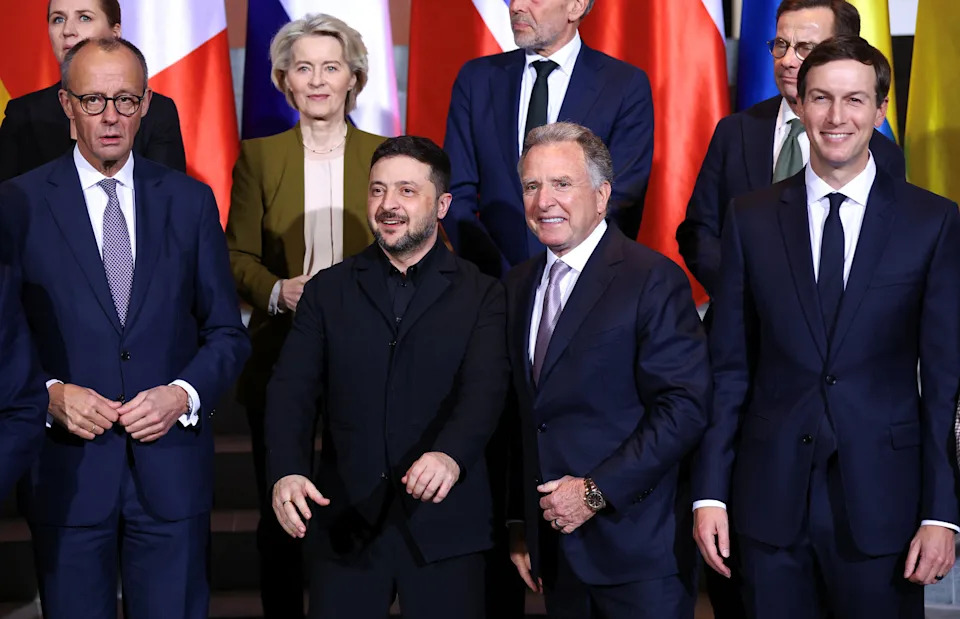
German Chancellor Friedrich Merz, European Commission President Ursula von der Leyen, Zelensky, Witkoff, and Kushner line up for a photo at the Chancellery in Berlin, Germany, last December. / Lisi Niesner / REUTERS
Analysts say the episode highlights how information management, limits on open-source sharing and the fog of war can produce significant discrepancies between frontline realities and official claims. As Emil Kastehelmi of the Black Bird Group told The Telegraph, some OSINT experts view the action as one of the most consequential Ukrainian operations of the year.
Sources: The Telegraph reporting and commentary from OSINT analysts Phil Cowin, Clément Molin and Emil Kastehelmi.