Thirteen-year-old Millie from Yarm experienced a severe escalation of Tourette symptoms this year, including prolonged, self-injurious tic attacks. After starting to use Neupulse — a wrist-worn device that stimulates the median nerve — her family report a dramatic reduction in tics, including coprolalia, and a restoration of daily independence. Neupulse was developed from University of Nottingham research and shown effective in a UK clinical trial; the device costs about £500 plus a £20 monthly subscription.
‘Miracle’ Wrist Device Dramatically Eases 13‑Year‑Old’s Severe Tourette Tics
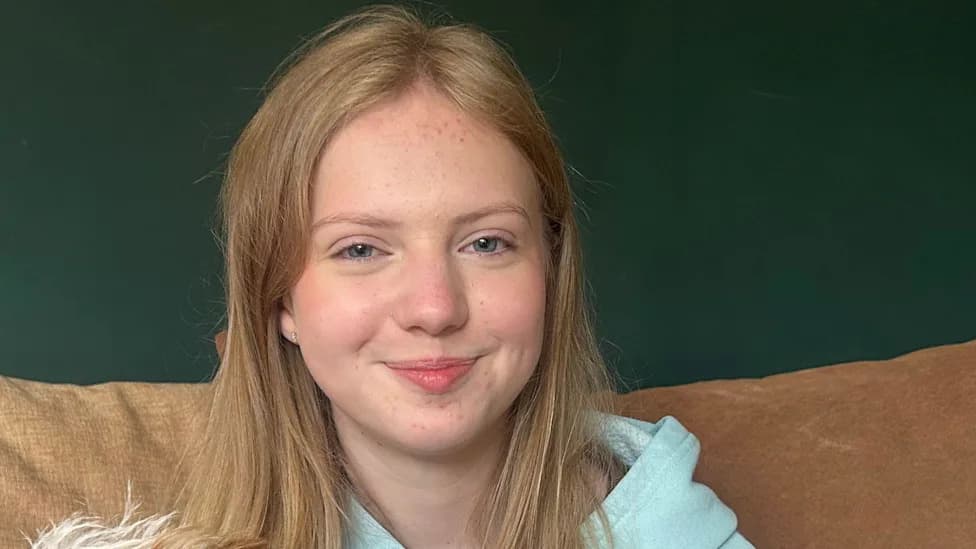
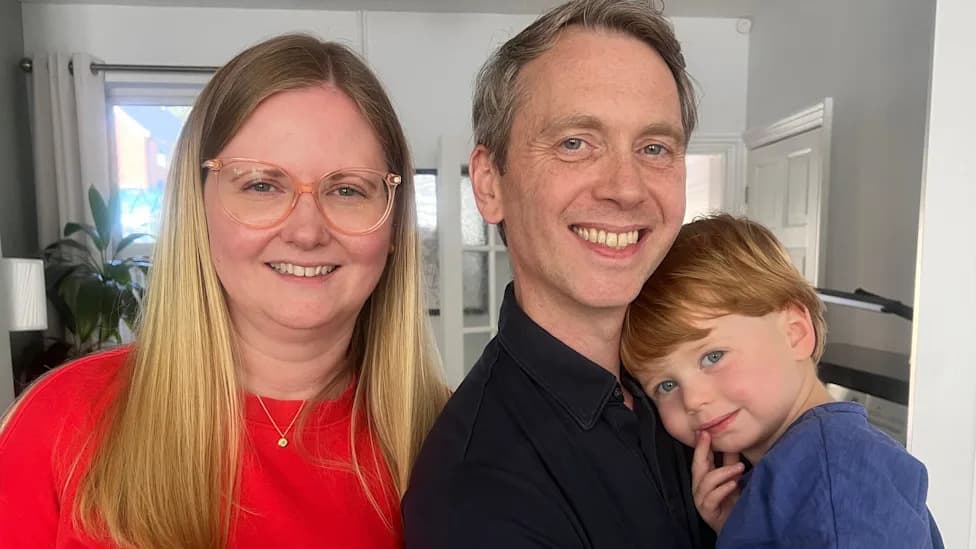
Millie is 13 and lives with Tourette syndrome [BBC]
For 13-year-old Millie of Yarm, Stockton-on-Tees, Tourette syndrome was no longer just occasional tics — over the past year the condition severely affected her confidence, independence and schooling, forcing extended absences from class. Millie and her family say a wrist-worn device called Neupulse has produced a dramatic improvement in her symptoms and day-to-day life.
From Escalating Tics To Danger
Millie, who also has autism, first developed tics around the age of seven or eight. For years they were mainly facial and simple motor tics, but earlier this year her symptoms escalated quickly and severely. She experienced prolonged tic attacks — once lasting up to five hours — during which she repeatedly struck her arms and suffered extensive bruising. On another occasion the family feared she had fractured her arm. She also developed hair-pulling compulsions that left the family distressed and exhausted.
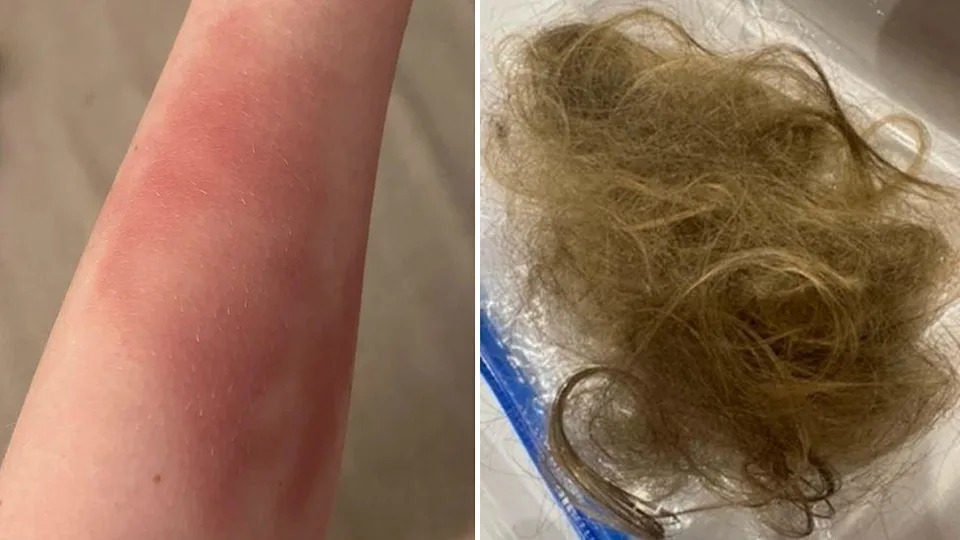
Millie's tics could cause her to harm herself [Supplied]
"My longest tic attack was five hours," Millie says. "I was just karate chopping my arm over and over again... my whole arm was bruised."
How Neupulse Helped
The family report a "dramatic change" after Millie began using Neupulse, a watch-like device that delivers mild electrical stimulation to the median nerve in the wrist. According to Millie, when the device is switched on it can immediately stop coprolalia-type tics (involuntary swearing) and reduce other tic activity, allowing her to take part in everyday activities she had previously avoided.
Her mother, Linzi, describes the device as life-changing: sitting in the front of the car, attending family meals and going to the cinema with friends are now manageable again. For the family, the restoration of Millie’s independence has felt transformative.
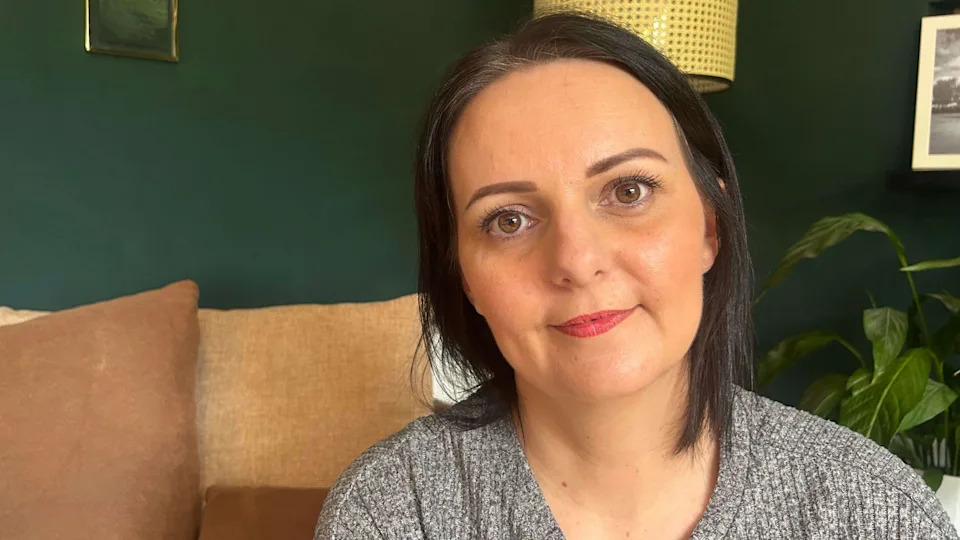
Millie's mum Linzi says the device is a "miracle" [BBC]
Research, Trials and Public Awareness
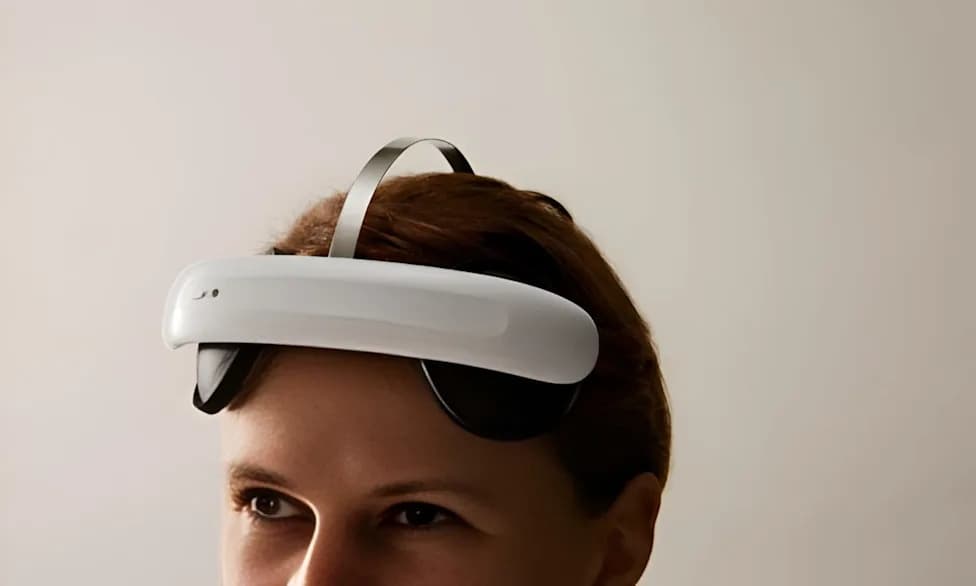
Neupulse was developed following research led by Professor Stephen Jackson and his team at the University of Nottingham. The team consulted people with Tourette syndrome to set research priorities and explored whether median nerve stimulation could influence brain areas involved in movement and reduce tics. A UK-wide clinical trial reported that the stimulation could be effective at reducing tics; the device was also trialled by singer Lewis Capaldi and featured in the film I Swear, based on the life of Tourette activist John Davidson.
Millie is keen to improve public understanding of Tourette syndrome. "I want people to know that it's not something that we can help," she says. "If we're not ticking 24/7, that doesn't mean we're faking."
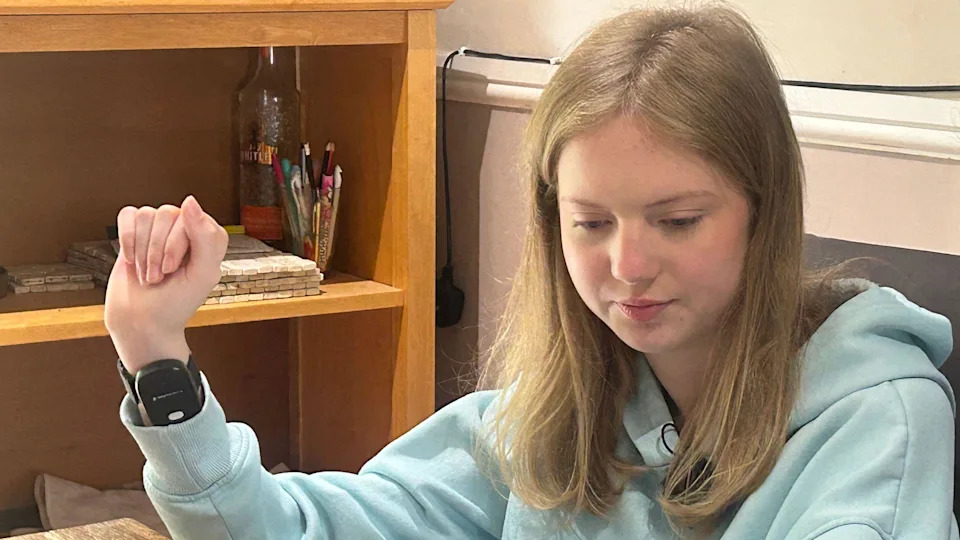
Millie wearing the Neupulse device which she says has been "really good" for her [BBC]
Cost, Access and Considerations
Millie is among the first people in the UK to use Neupulse. The device cost the family £500 and requires a monthly subscription of about £20 to cover app updates and replacement gel pads. Linzi says she would pay the cost repeatedly if it continued to give her daughter a life less dominated by severe tic attacks.
While this family's experience has been positive, anyone considering new treatments should consult medical professionals and review available clinical evidence to determine whether a device like Neupulse is appropriate for their situation.
Follow-up reporting: the family and researchers continue to monitor Millie’s progress and broader trial results to better understand longer-term outcomes and accessibility.
Help us improve.