One-year-old Rory Potter is doing well a year after becoming the first patient to receive custom nitinol "super‑elastic" springs to treat severe sagittal craniosynostosis. The bespoke nickel‑titanium devices, developed by teams at Great Ormond Street Hospital and UCL, gradually reshaped his skull after surgery and were later removed. Clinicians say nitinol offers finer force control than steel and may reduce the need for more invasive operations and blood transfusions. Rory's parents praised the clinical team's care and support.
World First: 'Super‑Elastic' Nitinol Springs Reshape Baby's Skull — One Year On Rory Is Thriving

World-first surgery for baby's rare skull condition
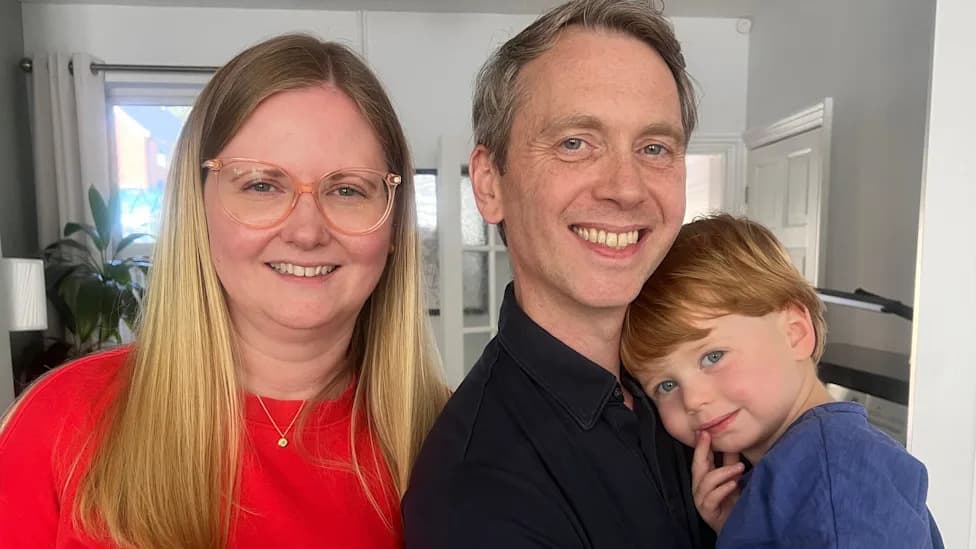
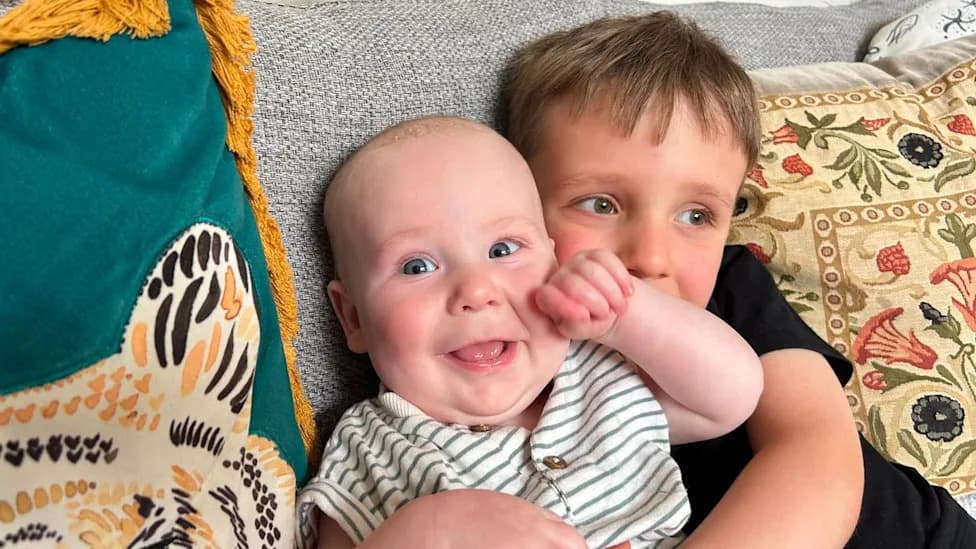
One year after a pioneering operation, one-year-old Rory Potter from Chesterfield is thriving following the world's first use of custom-made, "super‑elastic" nitinol springs to treat severe sagittal craniosynostosis.
A New Option For A Rare Condition
Rory was diagnosed shortly after his birth in April last year with severe sagittal craniosynostosis, a condition in which parts of the skull fuse too early, restricting skull and brain growth. In September he underwent surgery at Great Ormond Street Hospital (GOSH) to have bespoke nitinol springs implanted. The springs gradually reshaped his skull over several weeks to months and were later removed.
How The Nitinol Springs Work
Nitinol is a nickel‑and‑titanium alloy with super‑elastic properties. Each spring is tailored to the individual child and applies controlled, adaptable force to guide the skull into a healthier shape as the baby grows. According to the clinical team, the material allows finer control than traditional stainless‑steel springs and can reduce the need for longer, more invasive surgery and for blood transfusions.
"You wouldn't know what he's been through," said Rory's mother, Jo Potter. "He's happy, cheeky and full of energy. We cannot thank the team enough for their care, compassion and reassurance."
Expert Development And Clinical Impact
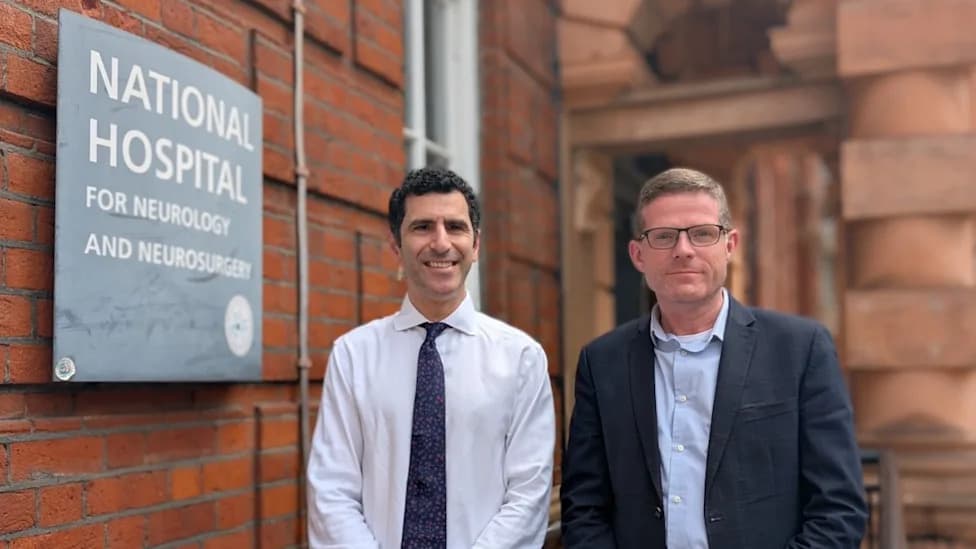
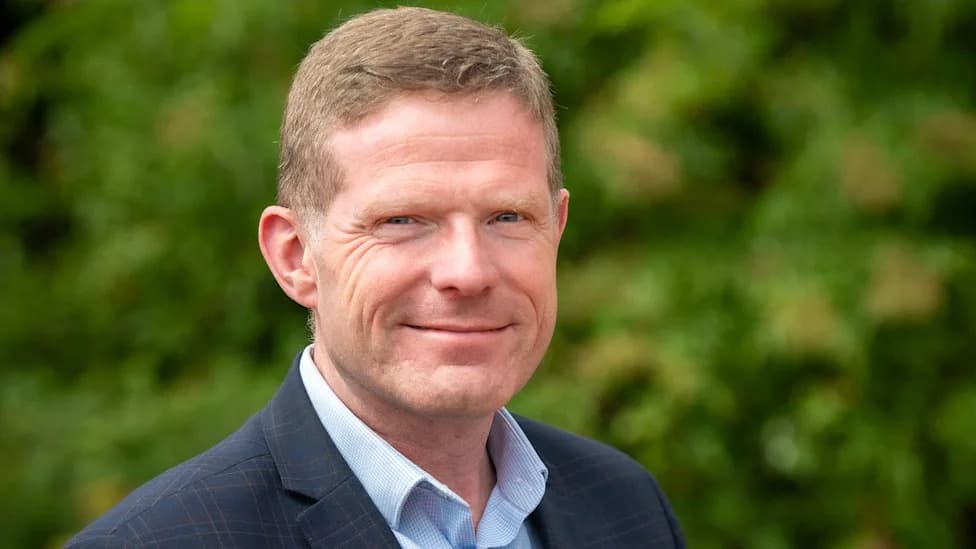
The springs were developed through a collaboration between GOSH and biomedical engineers at University College London (UCL). Professor Owase Jeelani, consultant neurosurgeon at GOSH and part of the development team, said the nitinol devices "give us much greater flexibility and, in some cases, can prevent the need for further surgery." Professor Silvia Schievano, who led the UCL engineering team, highlighted the years of research required to bring the technology to clinical use.
The research and translation work was funded by Great Ormond Street Hospital Charity and the National Institute for Health and Care Research (NIHR) GOSH Biomedical Research Centre.
Looking Ahead
Early outcomes from this first case are promising: Rory has reached developmental milestones and is reported to be healthy and energetic. The team hopes the nitinol springs will offer a less invasive alternative for infants with craniosynostosis and improve outcomes as more cases are treated and studied.
Help us improve.